
Este es el boletín de la Comunidad de Práctica (CoP) Impulsouth. La CoP es una plataforma colaborativa que fortalece las capacidades dentro del sector energético, apoyando una transición energética justa e inclusiva con un enfoque en la igualdad de género. Al reunir a diversos actores, la CoP promueve el intercambio de conocimientos, fortalece la capacidad … Continue reading “Boletín trimestral de la CoP – Número 1 – junio de 2026”
Voici le bulletin d’information de la Communauté de Pratique (CoP) d’Impulsouth. La CoP est une plateforme collaborative qui renforce les capacités dans le secteur de l’énergie, en soutenant une transition énergétique juste et inclusive, avec un fort accent sur l’égalité de genre. Réunissant diverses parties prenantes, la CoP favorise le partage de connaissances, renforce les … Continue reading “Bulletin trimestriel de la Communauté de Pratique (CoP) d’Impulsouth – Numéro 1 – Juin 2026”
This is the Impulsouth Community of Practice (CoP) newsletter. The CoP is a collaborative platform that strengthens capacities within the energy sector, supporting a just and inclusive energy transition with a strong focus on gender equality. Bringing together diverse stakeholders, the CoP fosters knowledge exchange, strengthens institutional capacity, and promotes effective South-South cooperation across nine … Continue reading “CoP Quarterly Newsletter – Issue 1 – June 2026”
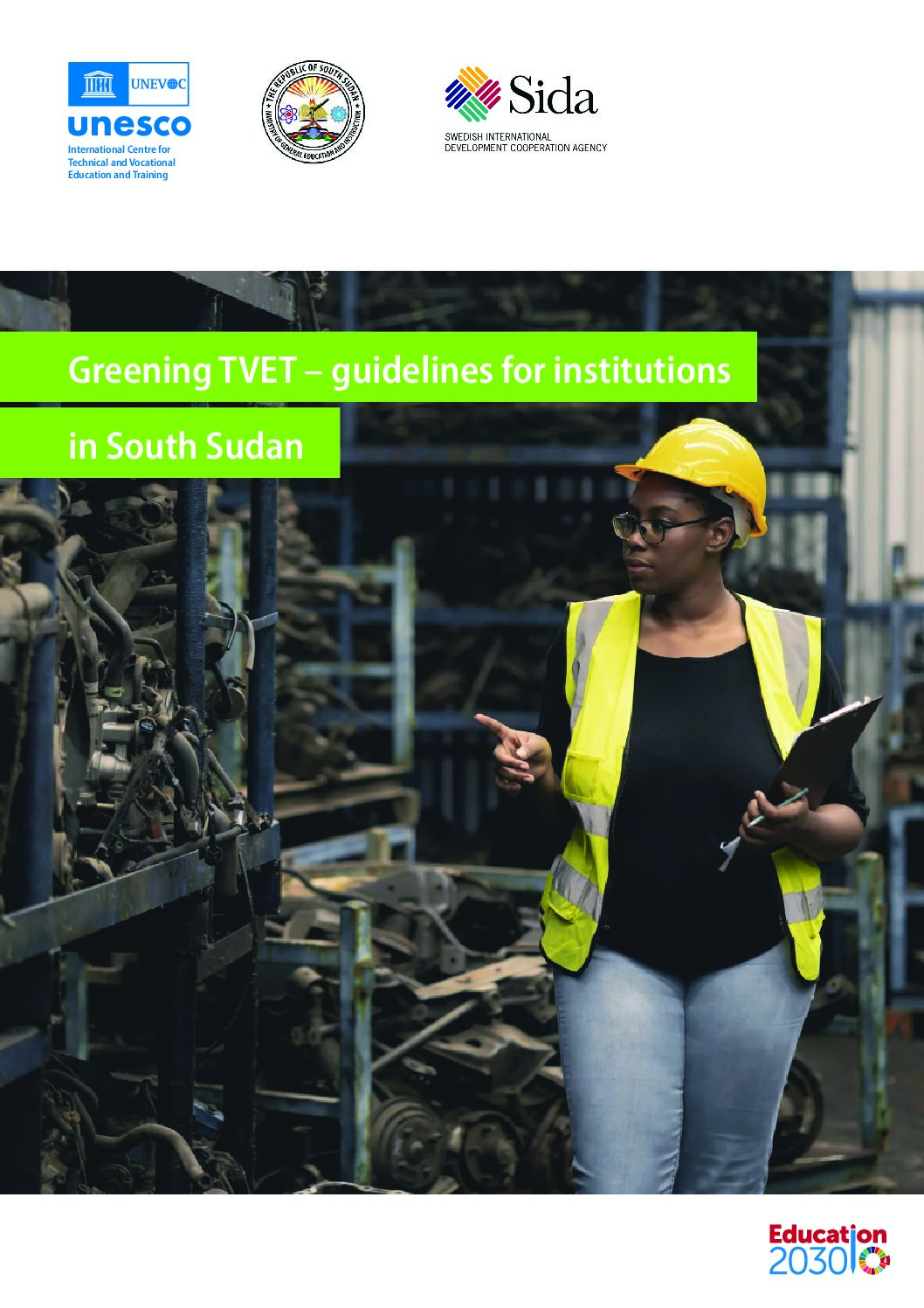
These Greening TVET guidelines provide a comprehensive framework to promote sustainable development within TVET institutions. By showing how to embed environmental sustainability and gender equity into institutional practices, the guidelines aim to equip TVET institutions with the tools needed to foster a green economy.
This report provides comprehensive analysis of the global energy workforce, including estimates of its size and distribution across regions, sectors, and technologies. It also assesses how energy labour requirements evolve to 2035 across all IEA scenarios.
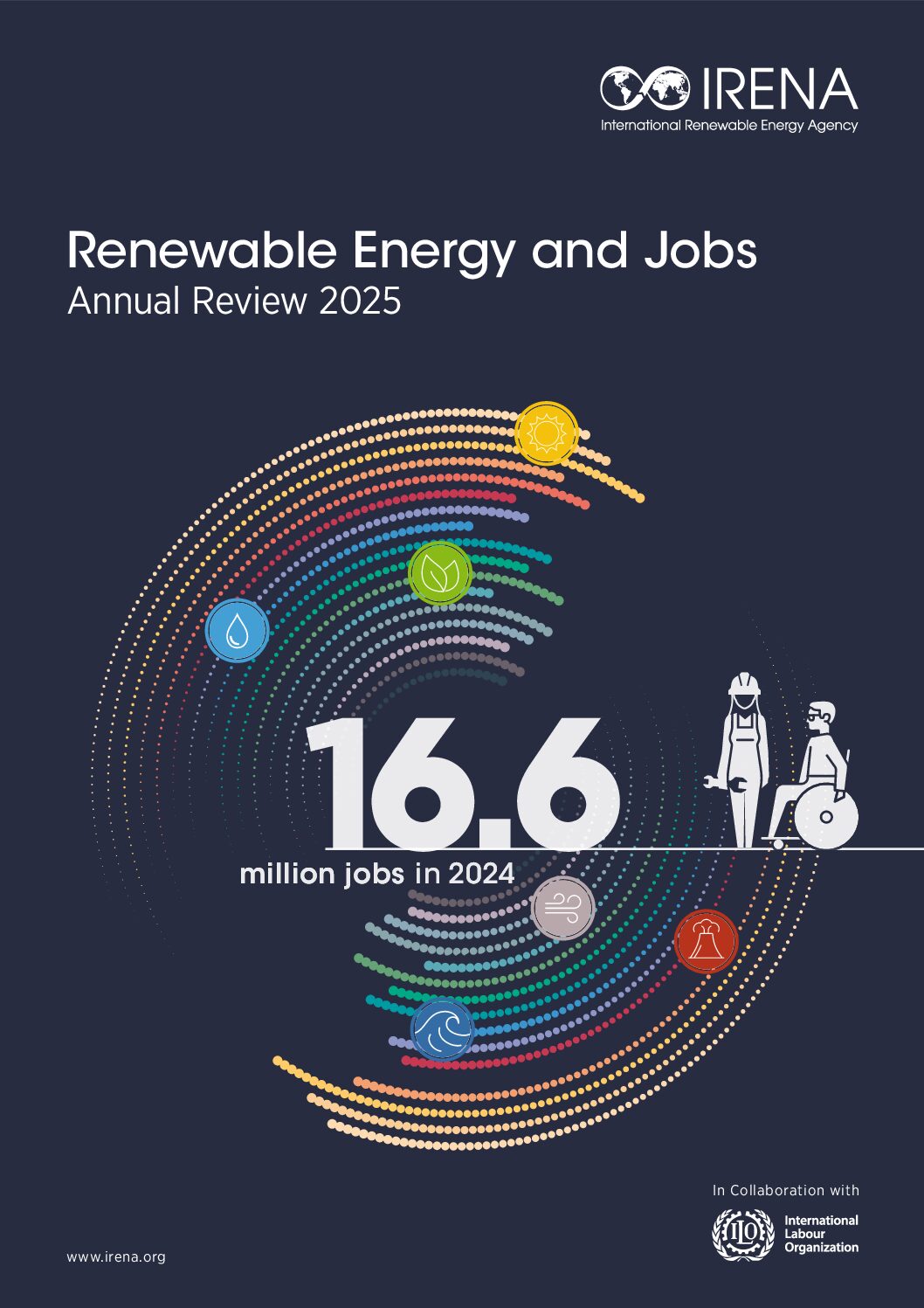
This resource provides the latest data and insights on global renewable energy employment, highlighting trends in renewable energy deployment and supply chains as well as the influence of geopolitical and geoeconomic factors. The resource serves as a valuable tool for stakeholders aiming to understand and address the employment implications of the global shift towards renewable … Continue reading “Renewable energy and jobs: Annual review 2025”
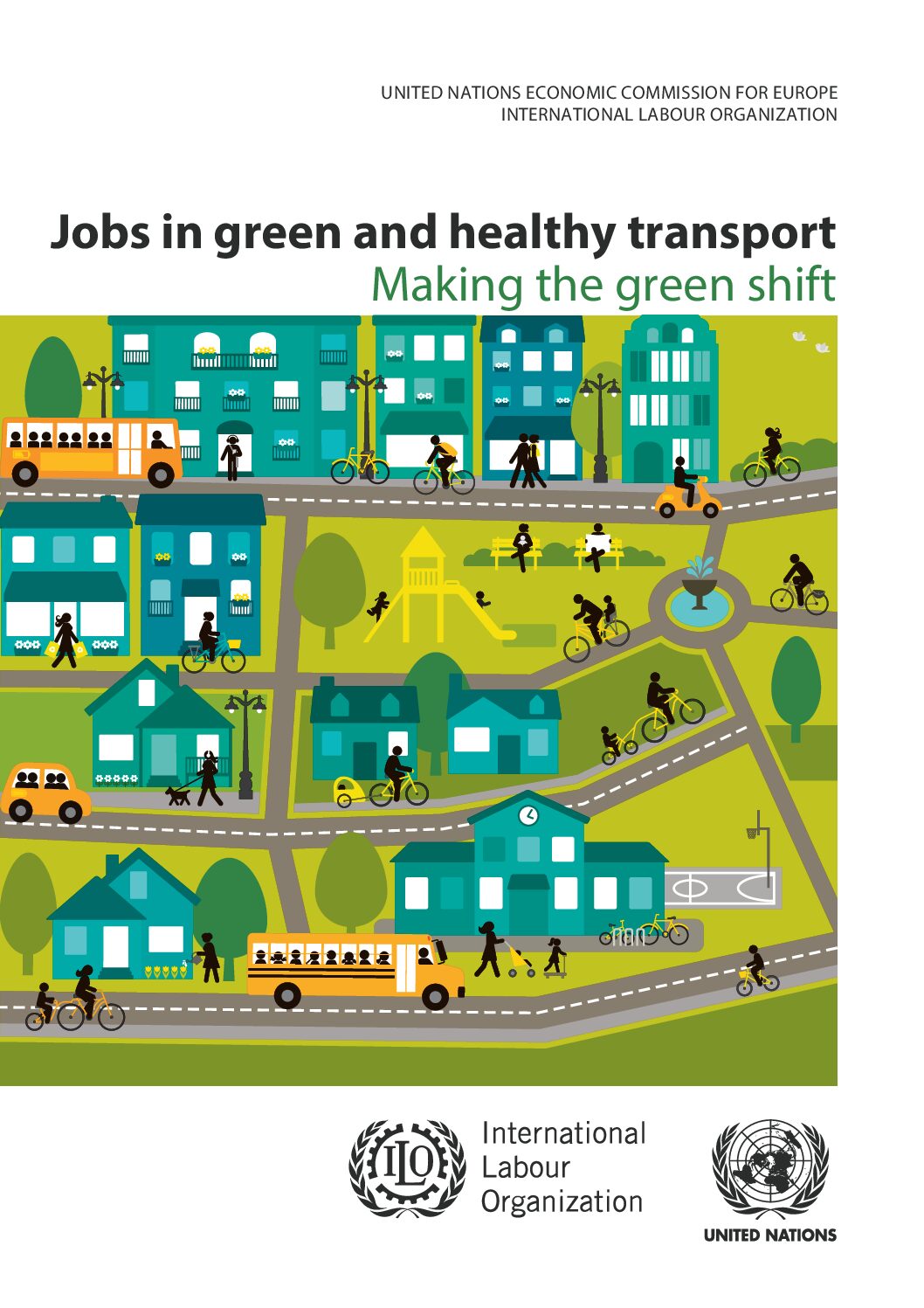
This report by the International Labor Organization investigates the implications for global job creation of four different green transport scenarios, applied to Europe: 1) a doubling in investment in public transport, 2) free public transport, 3) a target that 50% of all vehicles manufactured must be electric, and 4) banning of internal combustion engines for … Continue reading “Jobs in Green and Healthy Transport: Making the shift”
This report investigates labour shortages for the energy transition in Europe and shows just how many more people will be needed in the energy sector by 2030 (See the table on p.4; example: over 600,000 new solar PV technicians and 150,000 wind engineers). On page 7, the report gives a quick overview of key arguments … Continue reading “Europe’s Energy Transition: Women’s Power in Solving the Labour Bottleneck – Employment Opportunities and Requirements for Low-Carbon Job Markets”