
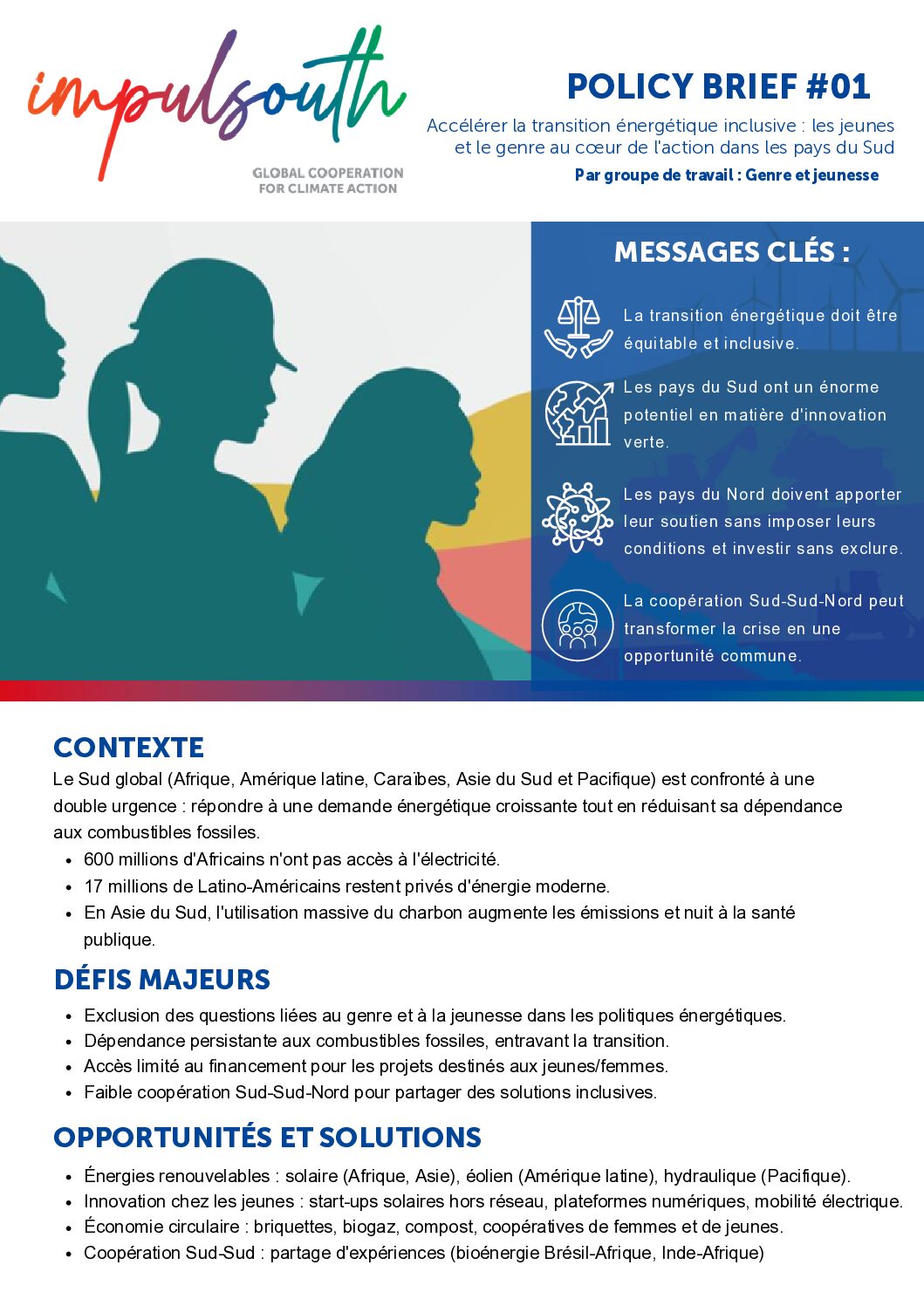
Cette ressource a été élaborée par les membres du groupe de travail « Genre et jeunesse », qui fait partie de la communauté de pratique d’Impulsouth.
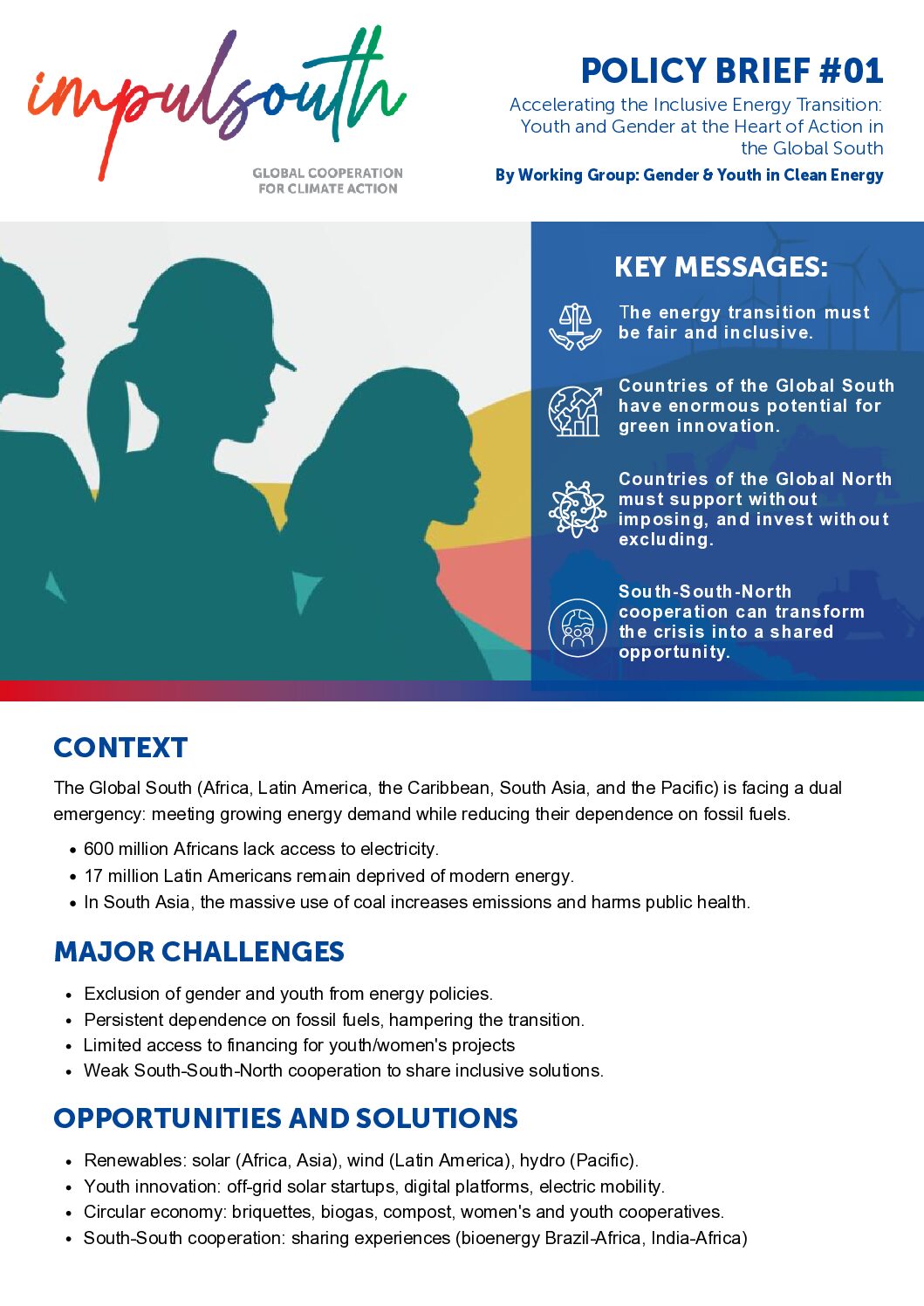
This resource was developed by members of the Working Group on Gender & Youth in Clean Energy, within Impulsouth’s Community of Practice.
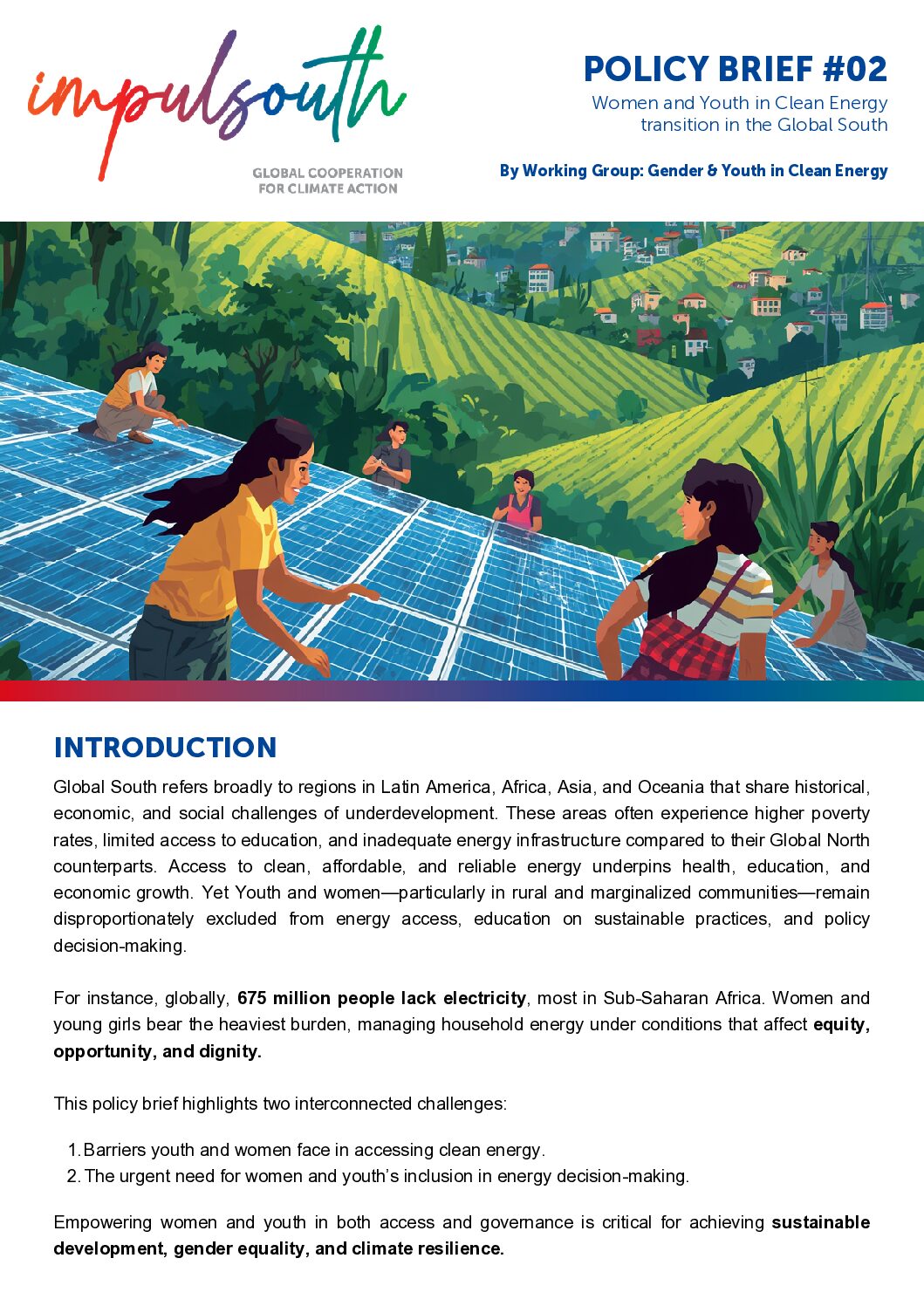
This resource was developed by members of the Working Group on Gender & Youth in Clean Energy, within Impulsouth’s Community of Practice.
The ENSET OLD STUDENTS ASSOCIATION (EOSA) is an organization founded on September 11, 2022, and officially recognized by the Cameroonian State under Receipt No. 380/RDA/C19/SAAJP. Originally sector-based, EOSA brings together technical teachers trained in the various ENSET higher colleges. Today, it relies on a network of over 33,000 engineers, teachers, technicians, and executives serving the … Continue reading “ENSET OLD STUDENTS ASSOCIATION”
Cinth Group is an enterprise support and innovation firm dedicated to strengthening organisational capacity, advancing sustainable development, and enabling inclusive economic transformation. We specialise in providing strategic advisory services, innovation systems design, digital transformation support, and data-driven insights to enterprises, governments, and ecosystem partners. In the context of the Just Energy Transition, Cinth Group leverages … Continue reading “Cinth Group.”
Biogasikara Energy is a clean cooking company that transforms biomass waste into sustainable fuels. Through its advisory branch, Biogasikara Impact, the company supports communities, NGOs, and institutions in adopting practical, locally adapted clean cooking solutions.
This report highlights the problem cost of capital poses for the energy transition in low- and middle-income countries, and highlights promising solutions.
Diocese of Kumi (Church of Uganda) The Diocese of Kumi is an Anglican diocese within the Church of Uganda, located in Kumi District in Eastern Uganda. The Diocese was established on 21 July 2001 to strengthen Christian ministry, pastoral care, and community development in the Teso sub-region. The Diocese serves as the spiritual, administrative, and … Continue reading “Diocese of Kumi”

Centre for Citizens Conserving Environment & Management (CECIC) is a Ugandan civil society organization advancing climate justice, community-owned renewable energy, and accountable environmental governance. Founded to respond to the growing threats of extractive industries, climate change, and energy inequality, CECIC works at the intersection of policy advocacy, grassroots mobilization, research, and sustainable livelihood innovation. Our … Continue reading “Centre for Citizens Conserving Environment & Management (CECIC)”