
This webinar introduces the theme of gender and mobility from a Latin American perspective, exploring examples of policies, projects and initiatives for a gender-sensitive transportation system and women’s empowerment in the sector.
This page presents studies and policies related to electric mobility in Bolivia.
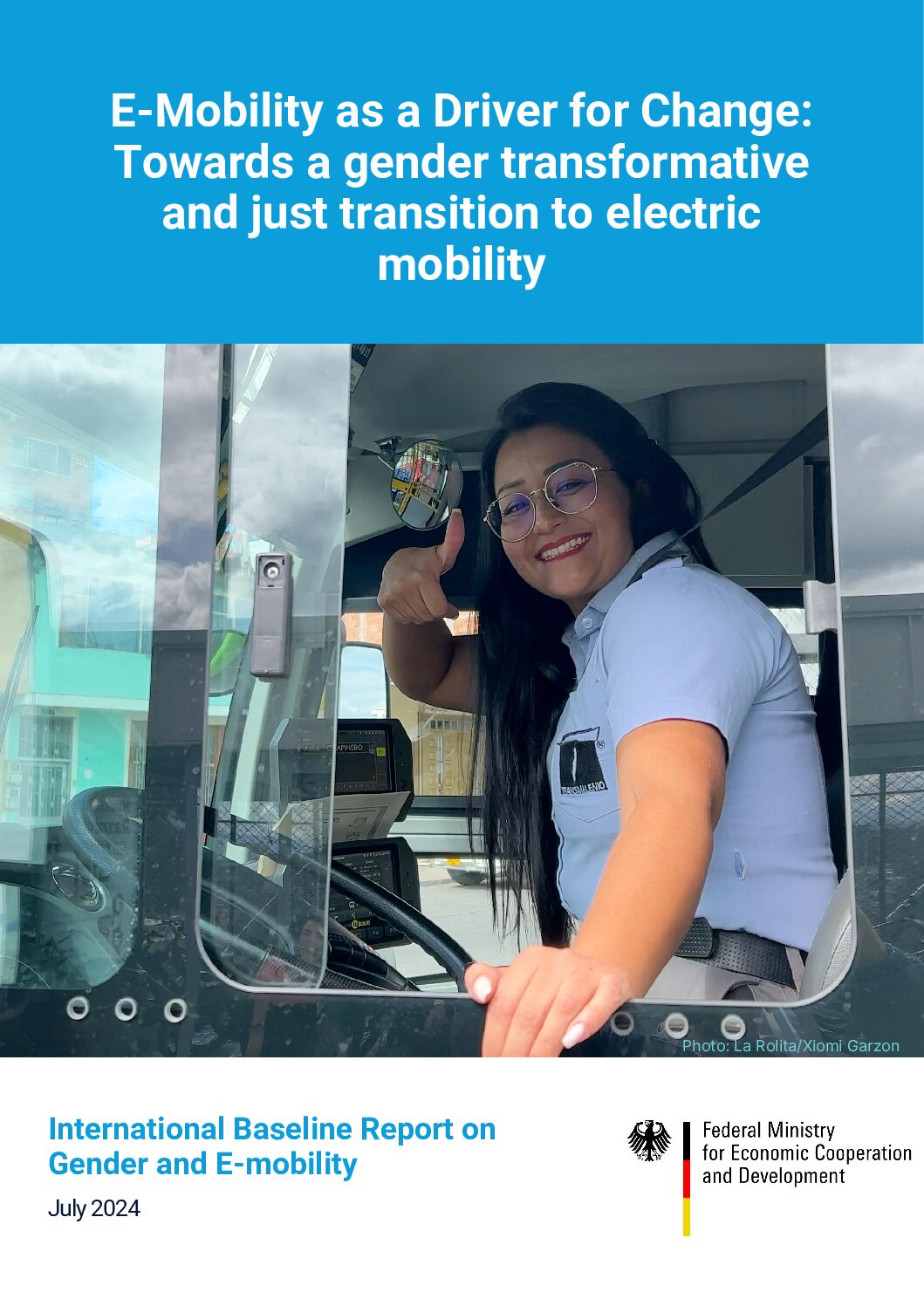
This international baseline study sets out the current state-of-the-art on the introduction of EMobility and identifies potential entry points for women to benefit and become more involved in this transition.
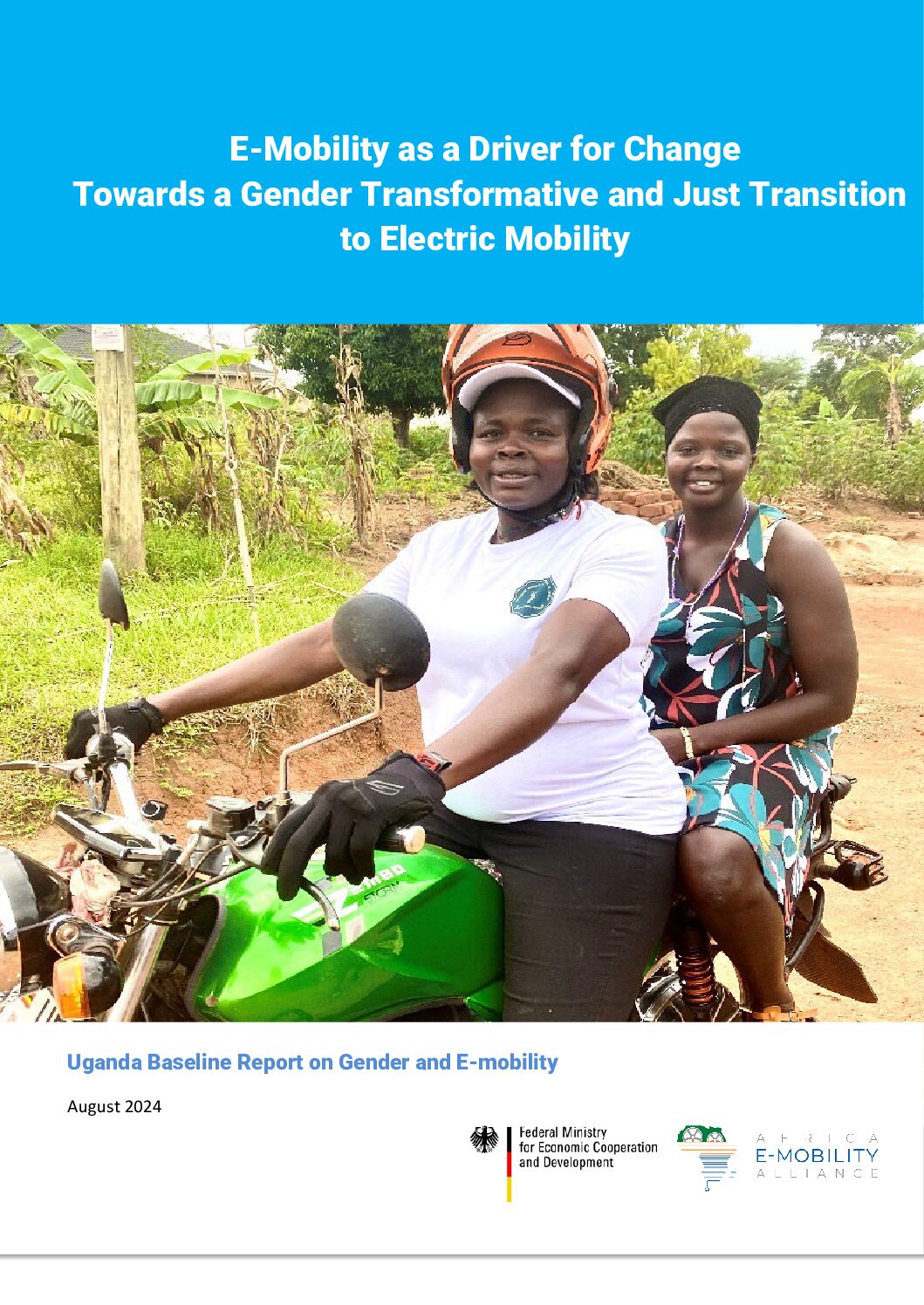
This baseline study outlines the current status of gender equality in the transport sector in Uganda, and identifies potential for the advancement of gender equality in transport while also advancing the e-mobility transition.
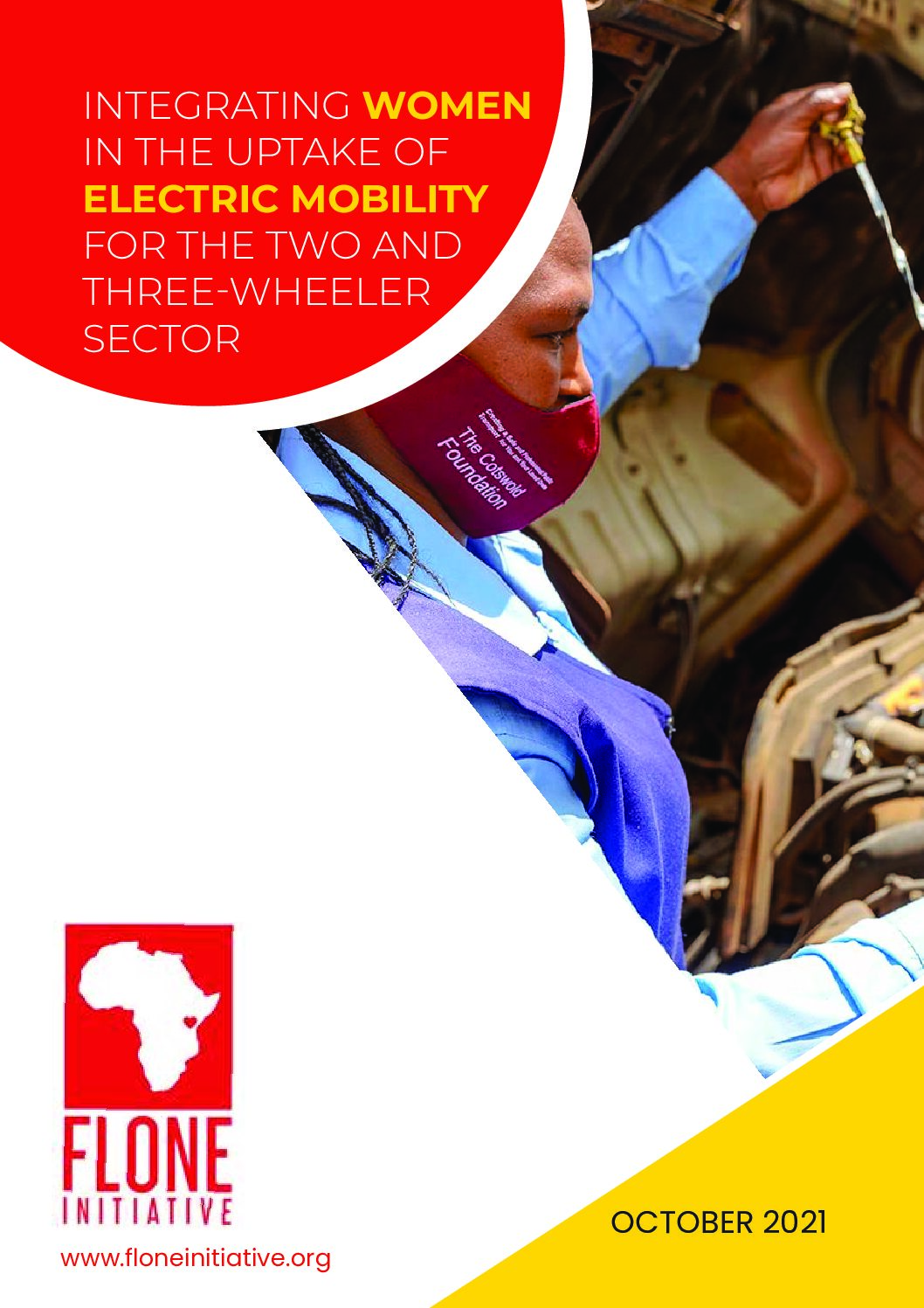
The study examines gender dimensions in the uptake of electric 2/3 wheelers in Kenya, and identifies policy gaps and available opportunities for advancing gender mainstreaming in electric mobility.
This report presents a baseline study on e-mobility in Ecuador, future scenarios and a roadmap to 2030.
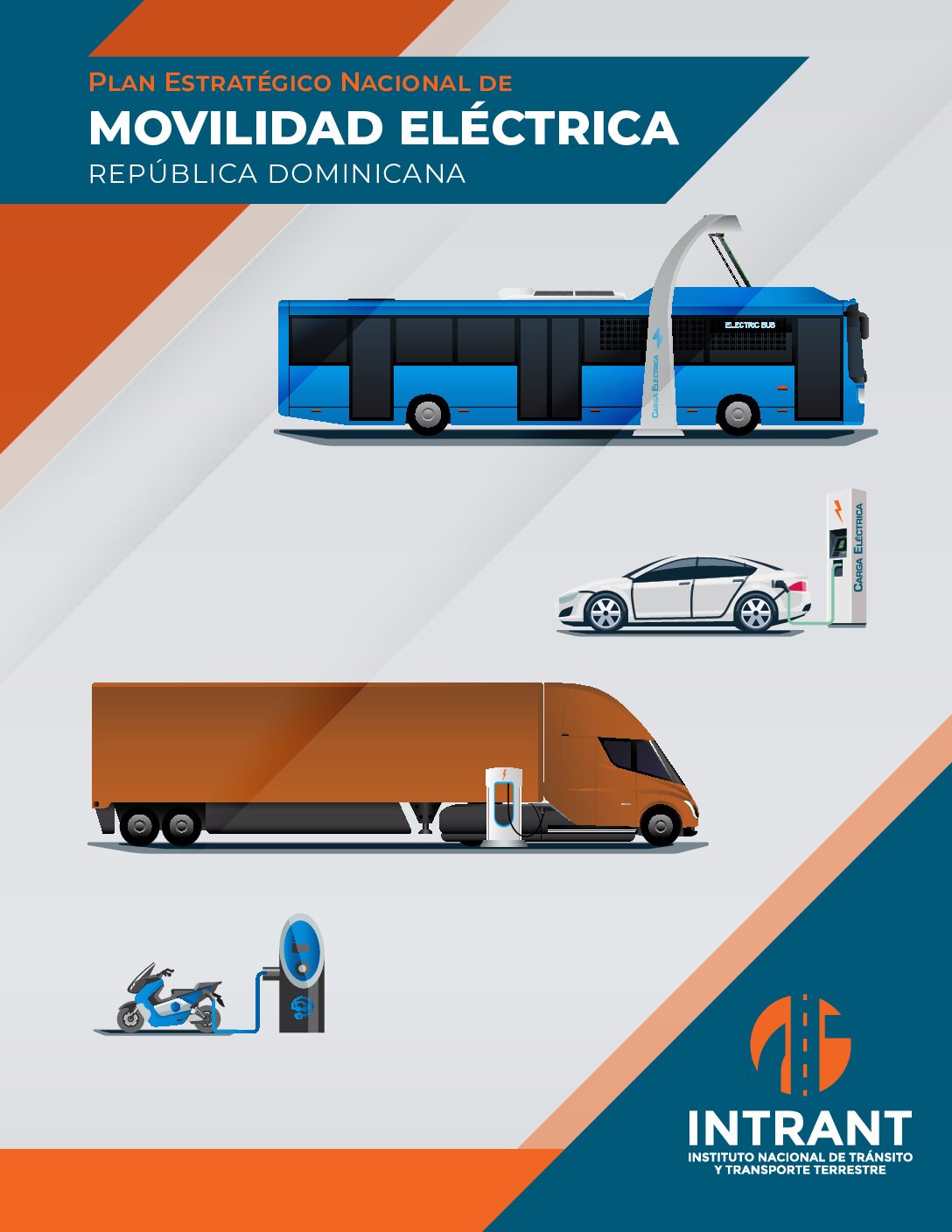
This strategic plan assesses the current status of and regulatory framework for e-mobility in the Dominican Republic, and sets goals for the expansion of electric transport.
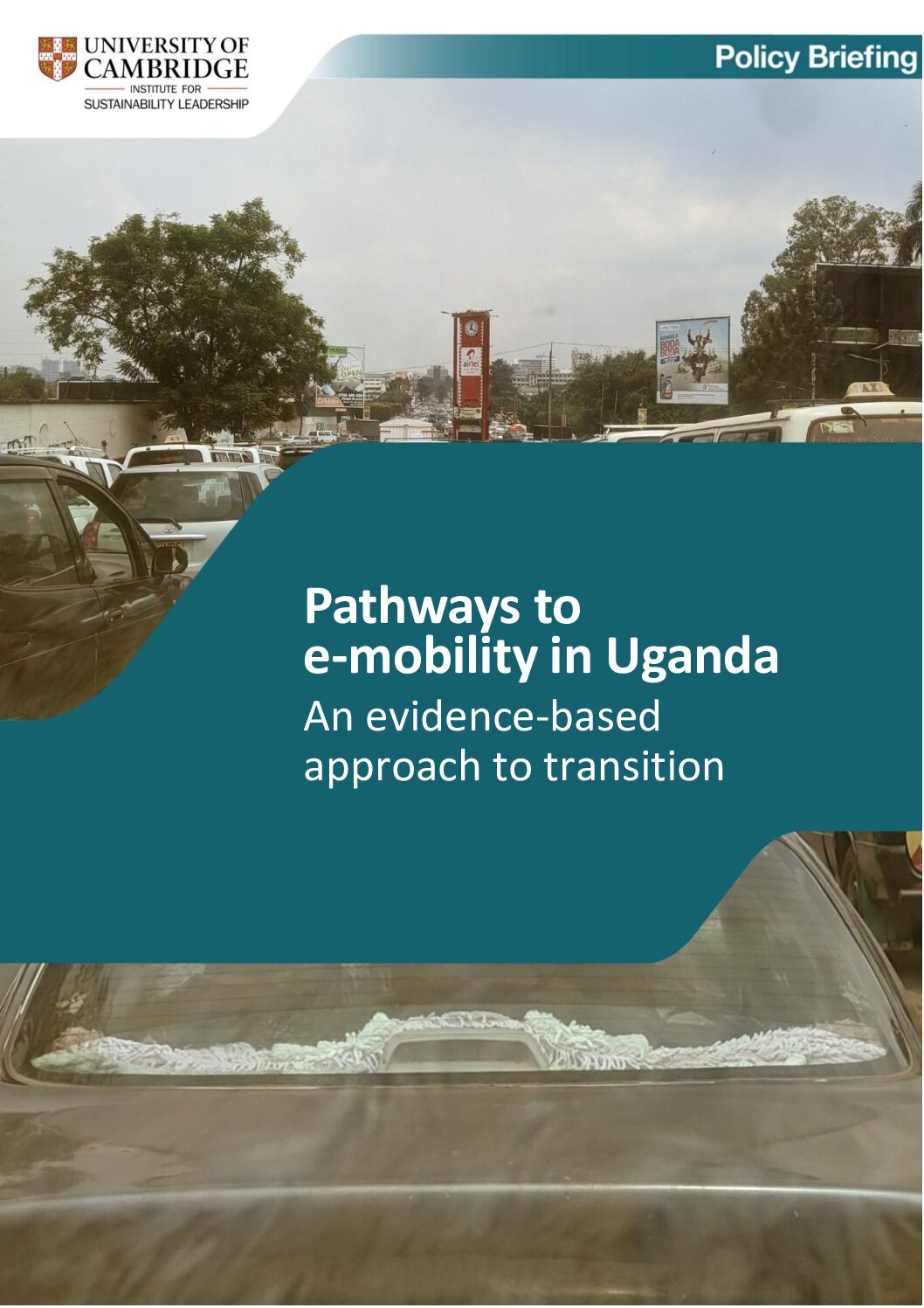
This policy briefing aimsto improve understanding of the state of e-mobility in Uganda and how best to achieve the transition to low-pollution, low carbon and jobs-rich transportation.
This report offers a comprehensive view of the advantages and challenges of electric mobility development jointly with the development of electrical infrastructure for the Latin American context, emphasizing the importance of synchronizing these developments to facilitate the energy transition and leverage underlying new technologies.
This report provides answers to three critical questions: Why should developing countries pursue e-mobility? When does an accelerated transition to electric vehicles (EVs) make sense for developing countries? How can governments make this transition happen?