
This web page describes the concept of a Super ESCO, a facility usually established by governments to play the role of a market catalyzer, kickstarting a market for ESCOs.
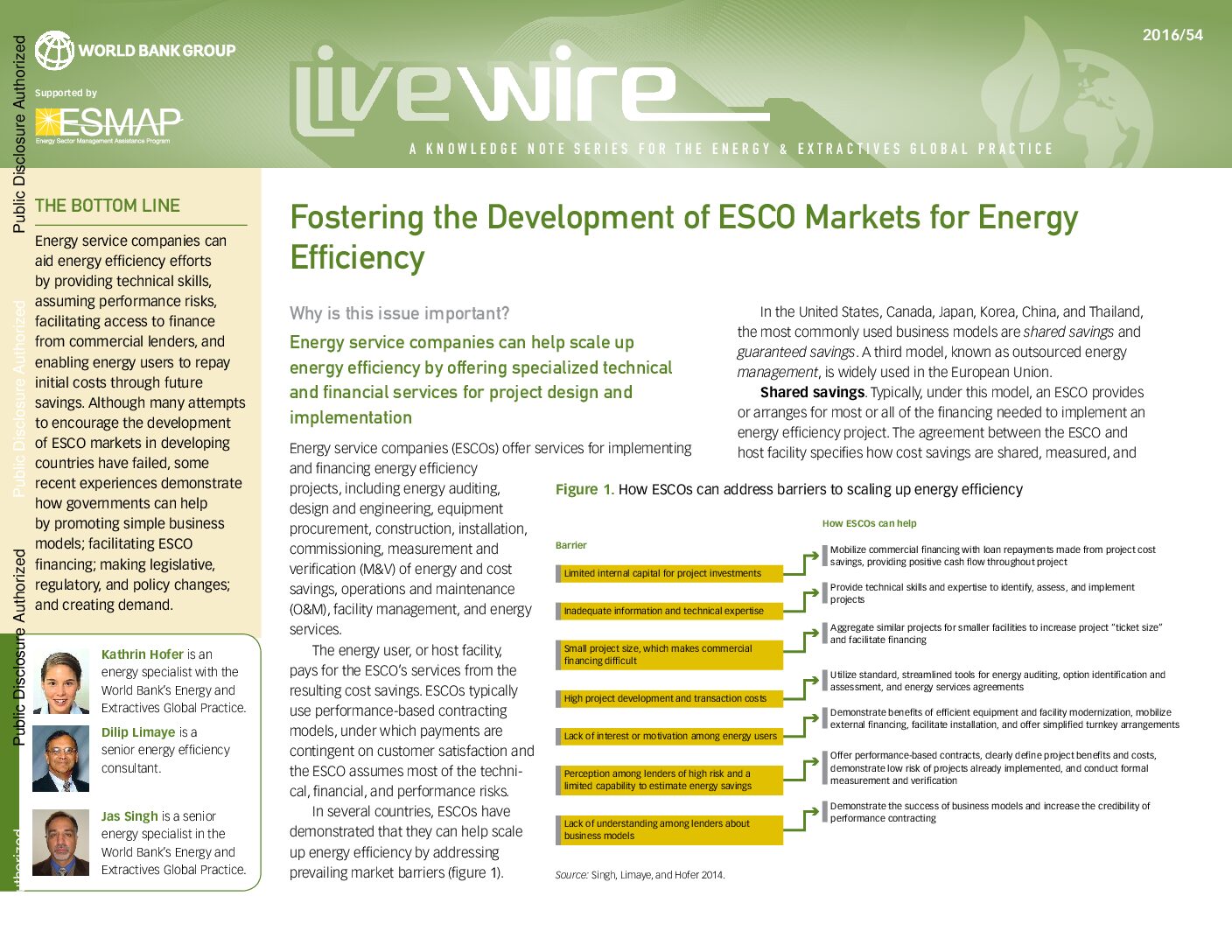
This brief provides advice on kickstarting markets for ESCOs in low- and middle-income countries.
This report explores the critical intersections of AI development, gender equality and energy transitions, emphasizing how AI applications can advance a sustainable, equitable and just energy transition.
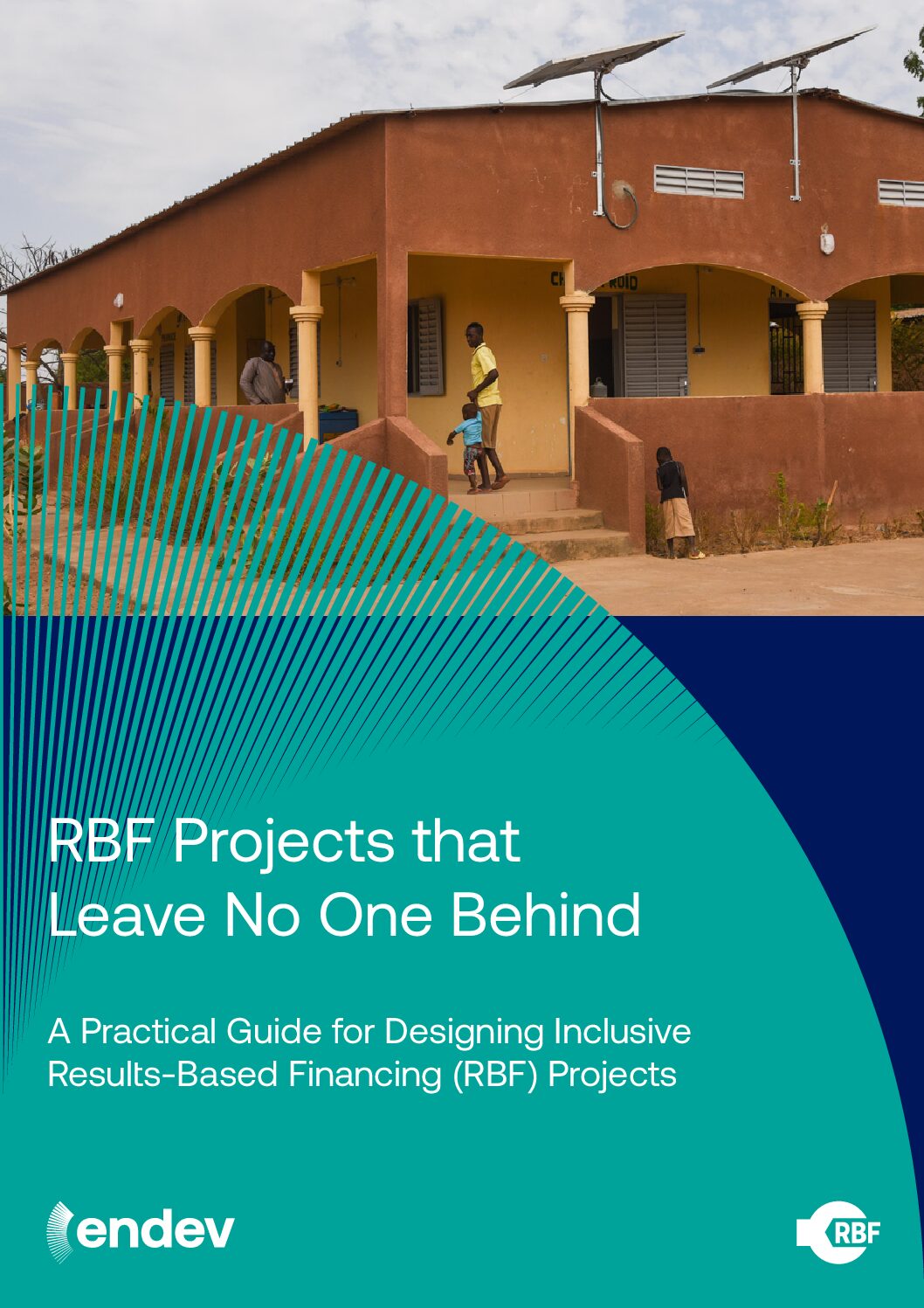
This guide provides insights on planning and implementing RBF projects to advance energy access that consider various LNOB aspects, including gender.
This annually published report provides information on progress towards the achievement of SDG 7: Access to affordable, reliable, sustainable and modern energy for all.
This report provides an outline of Solar Sister’s efforts to empower women energy entrepreneurs through digital technology, key learnings from our pilot efforts, and recommendations for the path forward.
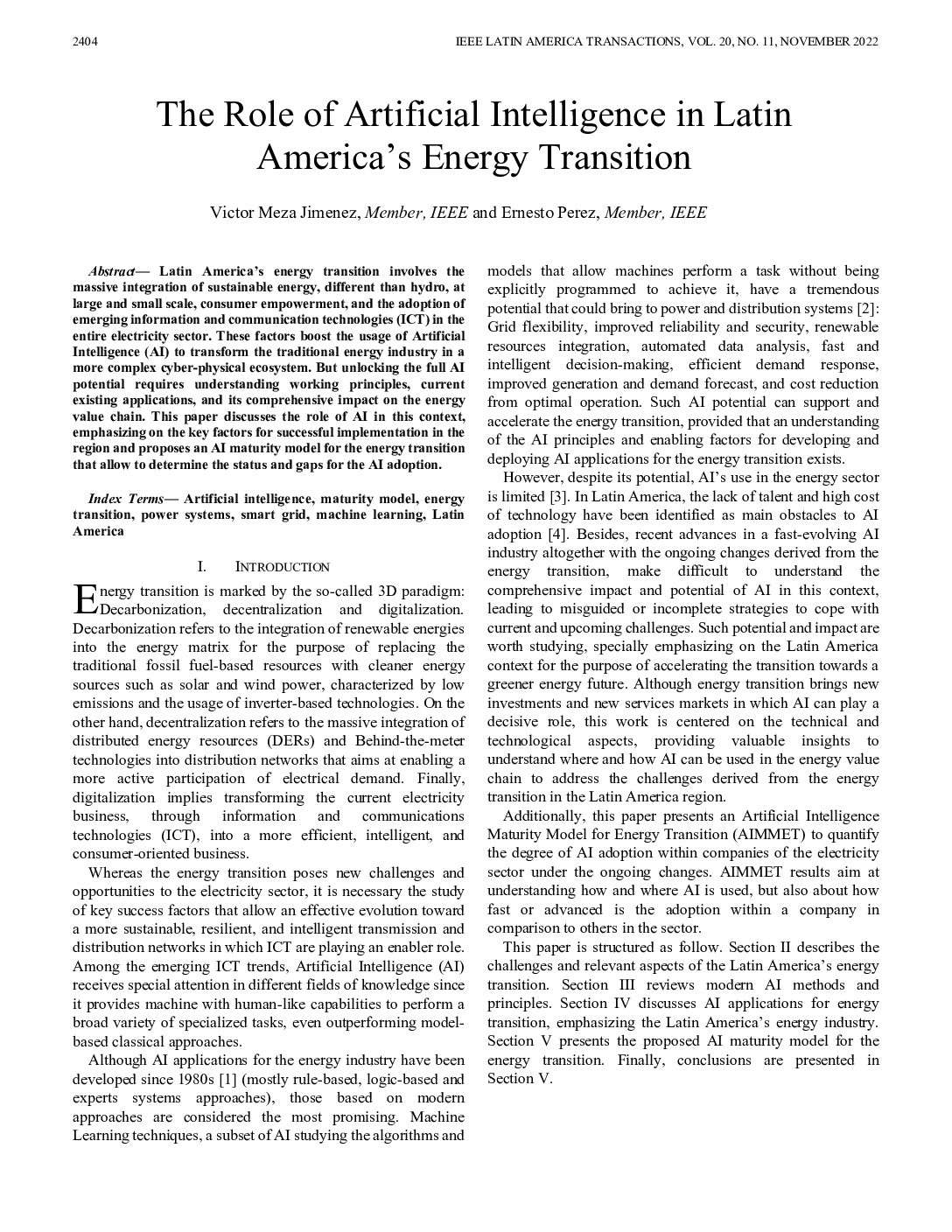
This paper discusses the role of AI in the energy transition in Latin America, identifies key factors for successful implementation in the region and proposes an AI maturity model for the energy transition that allows stakeholders to assess the status and gaps for the AI adoption.
This paper explains how minimum energy performance standards for buildings can be implemented effectively while remaining socially just, using a differentiated approach that carefully follows a series of design principles.
This module aims to help policymakers and regulators understand the potential benefits of and opportunities for improving the efficiency of buildings and give them a background on the key issues to be addressed when developing suitable policies and a framework for implementation.
This study examines the integration of AI into energy management processes in industrial facilities and the advantages it provides.