
This report assesses policies for gender-responsive mobility systems in Latin America.
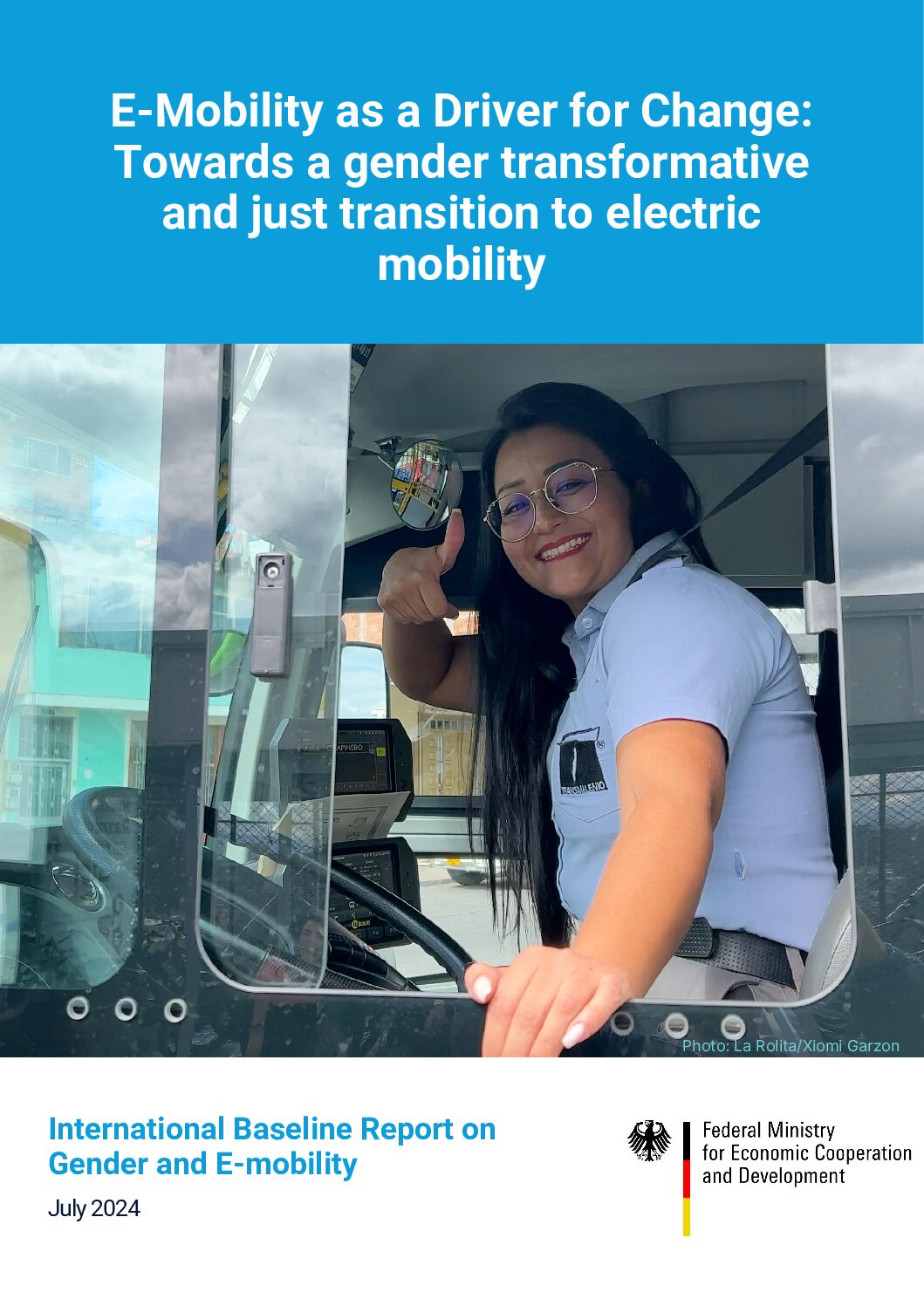
This international baseline study sets out the current state-of-the-art on the introduction of EMobility and identifies potential entry points for women to benefit and become more involved in this transition.
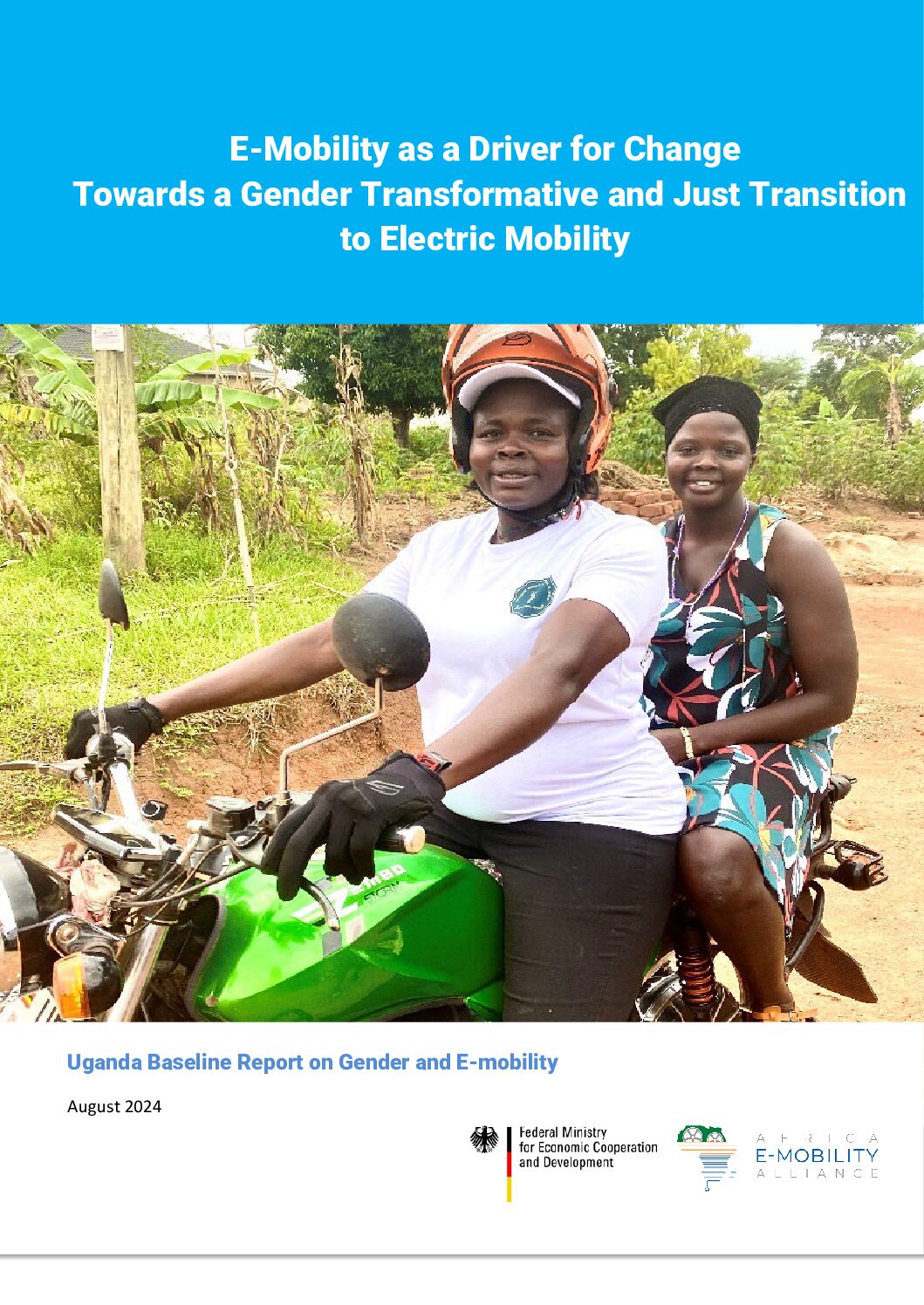
This baseline study outlines the current status of gender equality in the transport sector in Uganda, and identifies potential for the advancement of gender equality in transport while also advancing the e-mobility transition.

This report presents the Latinamerican Gender and Mobility Observatory and shares good practices in gender mainstreaming in transport from different Latin-American countries, including Bolivia and Guatemala.
This report presents a baseline study on e-mobility in Ecuador, future scenarios and a roadmap to 2030.
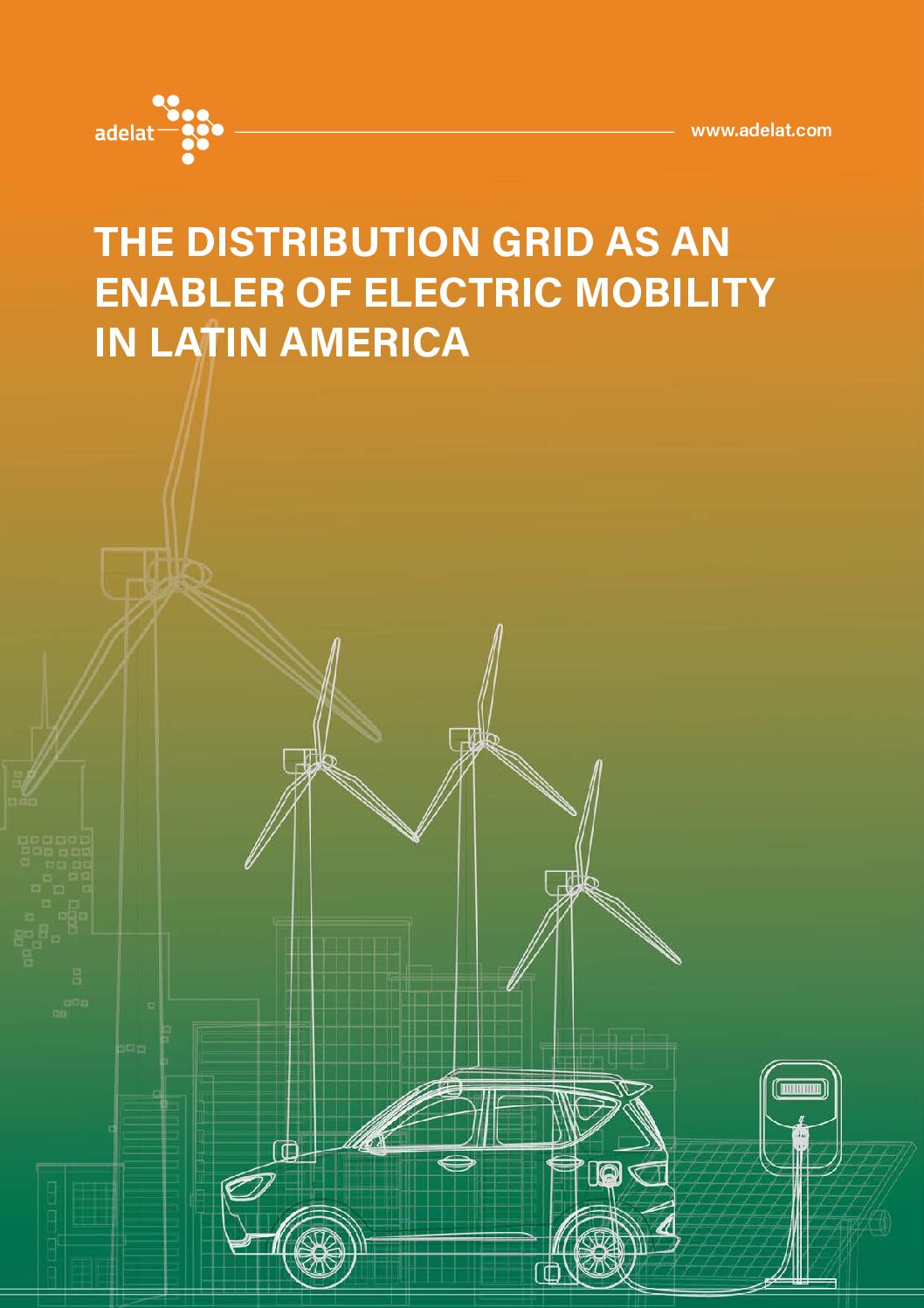
This report offers a comprehensive view of the advantages and challenges of electric mobility development jointly with the development of electrical infrastructure for the Latin American context, emphasizing the importance of synchronizing these developments to facilitate the energy transition and leverage underlying new technologies.
This report provides answers to three critical questions: Why should developing countries pursue e-mobility? When does an accelerated transition to electric vehicles (EVs) make sense for developing countries? How can governments make this transition happen?
This report highlights the importance of sector coupling as a key source of flexibility that cities can explore to stabilise power grid operations when integrating high shares of variable renewable energy sources. It presents a range of sector coupling opportunities available for use in cities, including self-consumption of variable RE sources, the role of thermal … Continue reading “Sector Coupling in Facilitating Integration of Variable Renewable Energy in Cities”
This document discusses how transitioning fossil fuel-powered urban mobility to renewable energy-based e-mobility can mitigate different environmental issues.
This report explores the opportunities and challenges that lie ahead in Latin America’s energy transition. It provides insights on the ways in which the outlook for the region and the biggest global energy trends are deeply intertwined – as well as recommendations on policies that could allow Latin America and the Caribbean to take full … Continue reading “Latin American Energy Outlook”