
This guide aims to help energy statisticians understand the various elements and processes involved in renewable energy data collection and management, and identify capacity gaps. It covers seven requirements for effective data management: 1. Legal and institutional frameworks; 2. Well-defined data requirements; 3. Sufficient skilled personnel; 4. Clear methodologies and processes; 5. Appropriate data collection […]

This web page highlights the role of buildings in the energy transition (heating, cooling, lighting, etc), and presents data and recommendations.
This report shares successful industrial efficiency practices from the Republic of Korea.
The is comprehensive course is intended for energy statisticians working at national statistical offices and ministries in charge of energy.
This article explores how system planning, and in particular assessments of system adequacy, will need to innovate and evolve to allow power systems to keep delivering secure and affordable electricity supply during energy transitions.
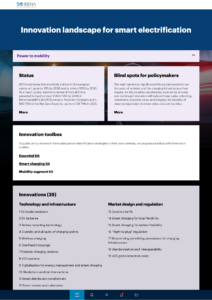
This database presents the current status, policy barriers, and key innovations for electrification of mobility, heating and cooling, and hydrogen production.
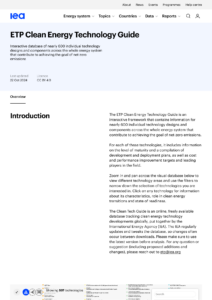
This is an interactive database of nearly 600 individual technology designs and components across the whole energy system that contribute to achieving the goal of net-zero emissions
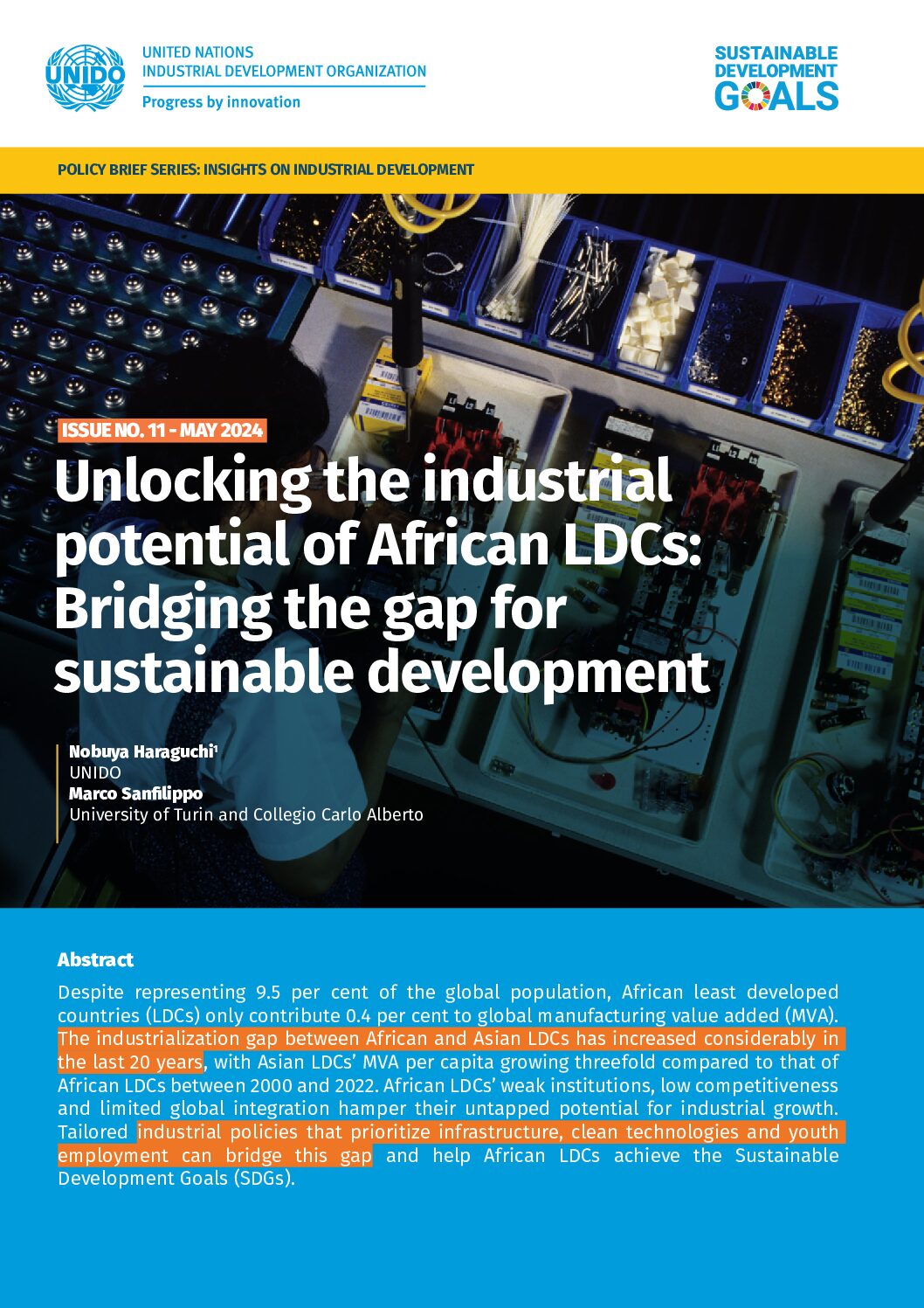
This brief discusses how African LDCs can develop industrial policies that prioritise infrastructure, clean technologies and youth employment.
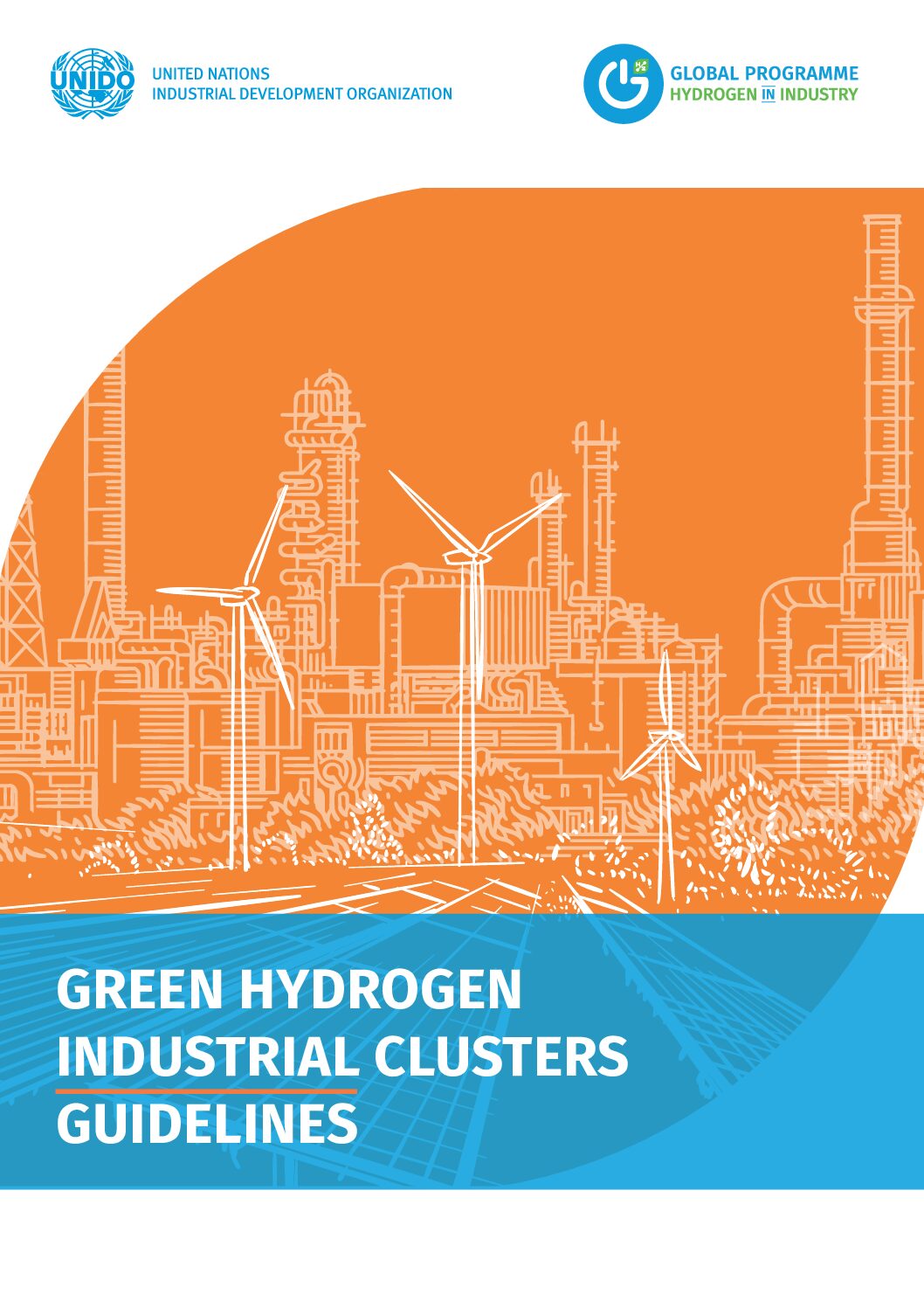
These guidelines provide advice on the development of green hydrogen clusters, which are industrial clusters that share green hydrogen and renewable energy for various purposes and can significantly contribute to industrial decarbonisation.
This strategy describes the current state of industrial energy efficiency in Bolivia and ways to advance progress.