
Este es el boletín de la Comunidad de Práctica (CoP) Impulsouth. La CoP es una plataforma colaborativa que fortalece las capacidades dentro del sector energético, apoyando una transición energética justa e inclusiva con un enfoque en la igualdad de género. Al reunir a diversos actores, la CoP promueve el intercambio de conocimientos, fortalece la capacidad … Continue reading “Boletín trimestral de la CoP – Número 1 – junio de 2026”
Voici le bulletin d’information de la Communauté de Pratique (CoP) d’Impulsouth. La CoP est une plateforme collaborative qui renforce les capacités dans le secteur de l’énergie, en soutenant une transition énergétique juste et inclusive, avec un fort accent sur l’égalité de genre. Réunissant diverses parties prenantes, la CoP favorise le partage de connaissances, renforce les … Continue reading “Bulletin trimestriel de la Communauté de Pratique (CoP) d’Impulsouth – Numéro 1 – Juin 2026”
This is the Impulsouth Community of Practice (CoP) newsletter. The CoP is a collaborative platform that strengthens capacities within the energy sector, supporting a just and inclusive energy transition with a strong focus on gender equality. Bringing together diverse stakeholders, the CoP fosters knowledge exchange, strengthens institutional capacity, and promotes effective South-South cooperation across nine … Continue reading “CoP Quarterly Newsletter – Issue 1 – June 2026”
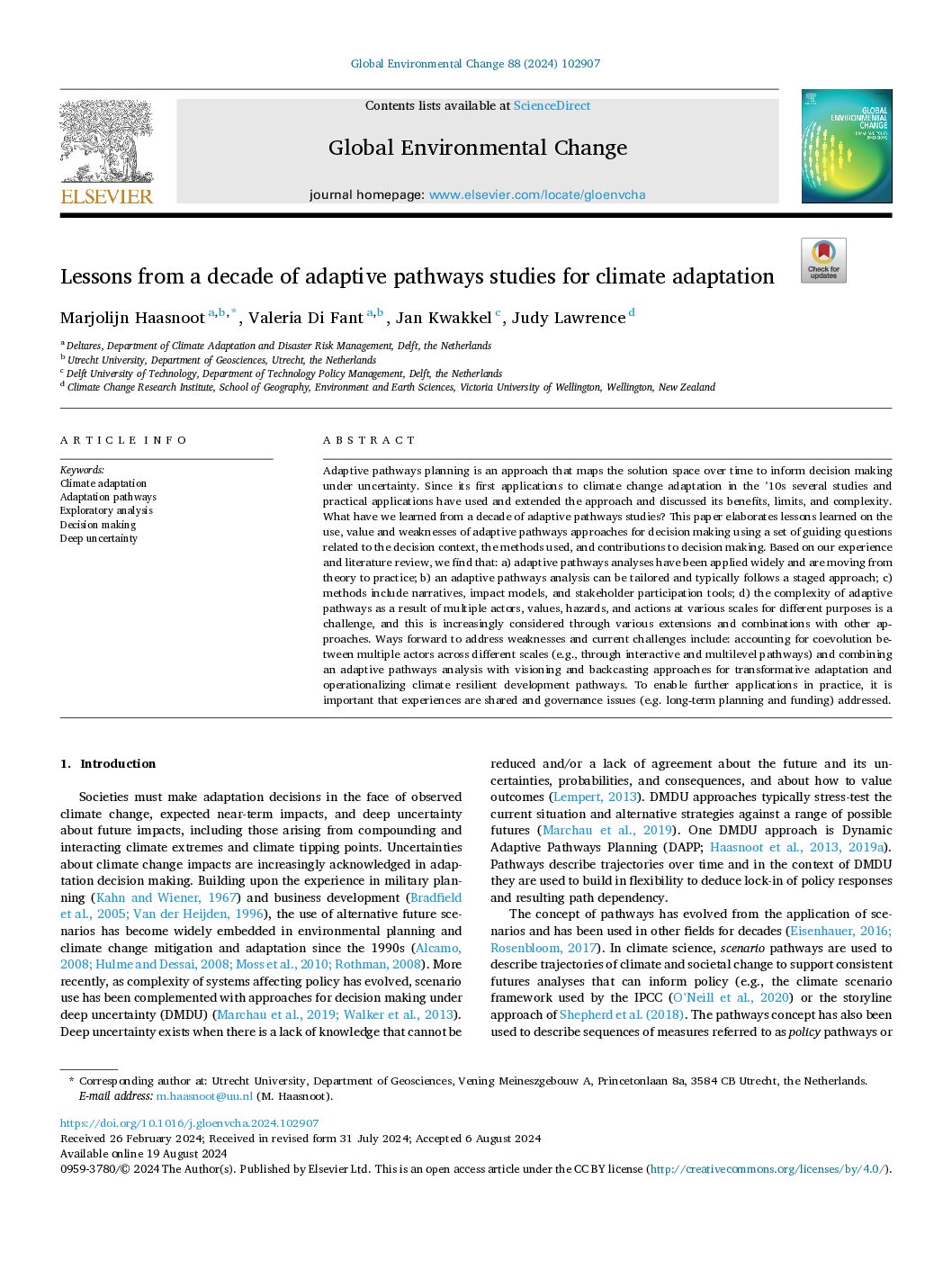
This article provides an overview of different ways adaptive pathways planning has been used across the world, and the lessons learned from a decade’s worth of different applications.
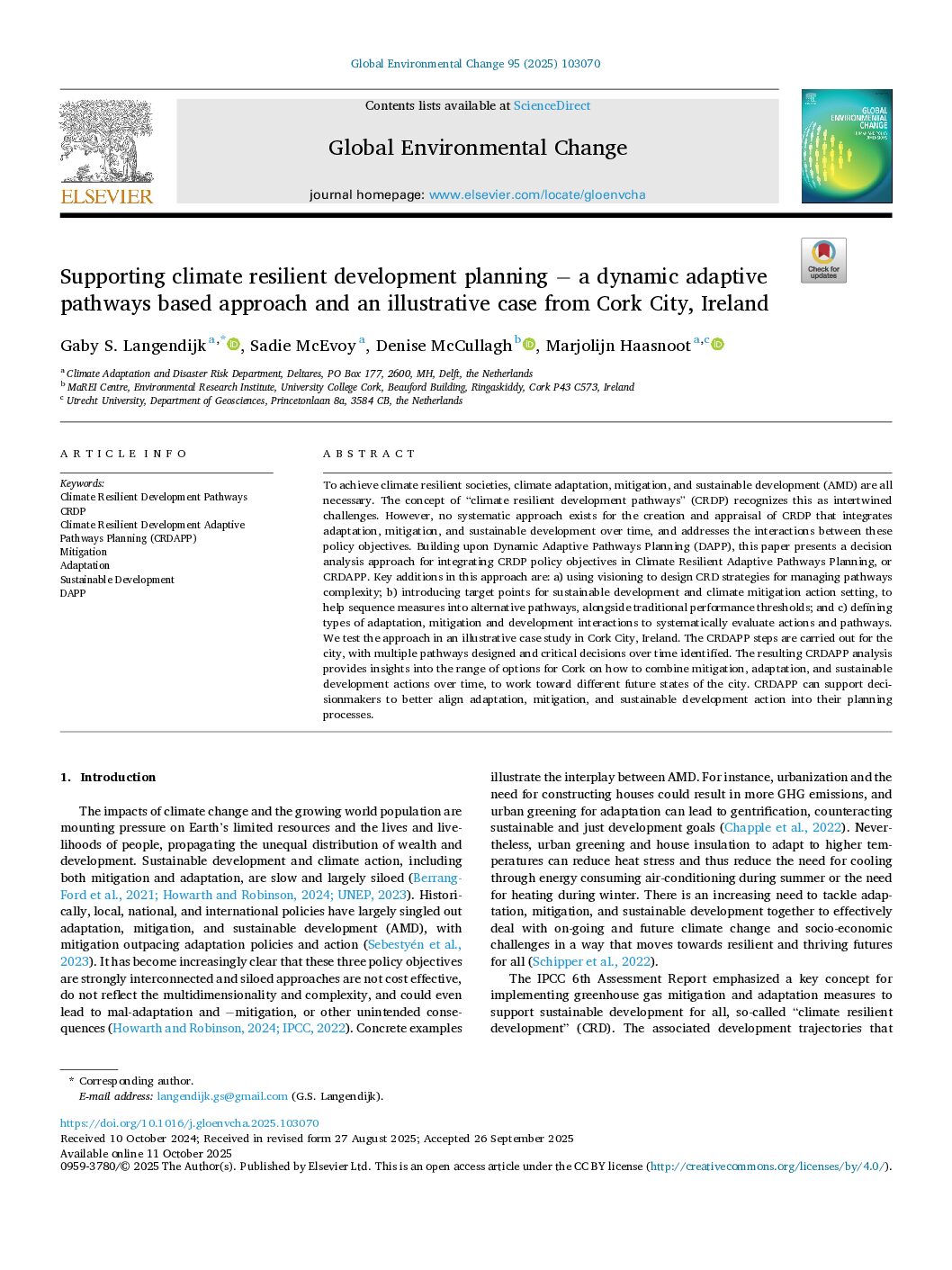
This journal article explains dynamic adaptive pathways planning and provides an example of its application to resilient development planning in an Irish city.
This is a very interesting report that recommends radical ways to change governance for sustainable development, in response to the chaos caused by the (then ongoing) COVID-19 pandemic. It is a great example of the types of completely new ideas that futures approaches can generate.
This is a step-by-step guide for energy planners, providing advice on which stakeholders to engage in energy planning, how to engage them, when in the planning process to engage them, and how to ensure that participatory processes create ownership and generate useful results.
This report highlights the problem cost of capital poses for the energy transition in low- and middle-income countries, and highlights promising solutions.

This is the IEA’s annual report assessing recent trends and developments in e-mobility around the world. It looks at the deployment of electric vehicles, the expansion of charging infrastructure, battery demand, investment and policy trends and GHG emissions.