
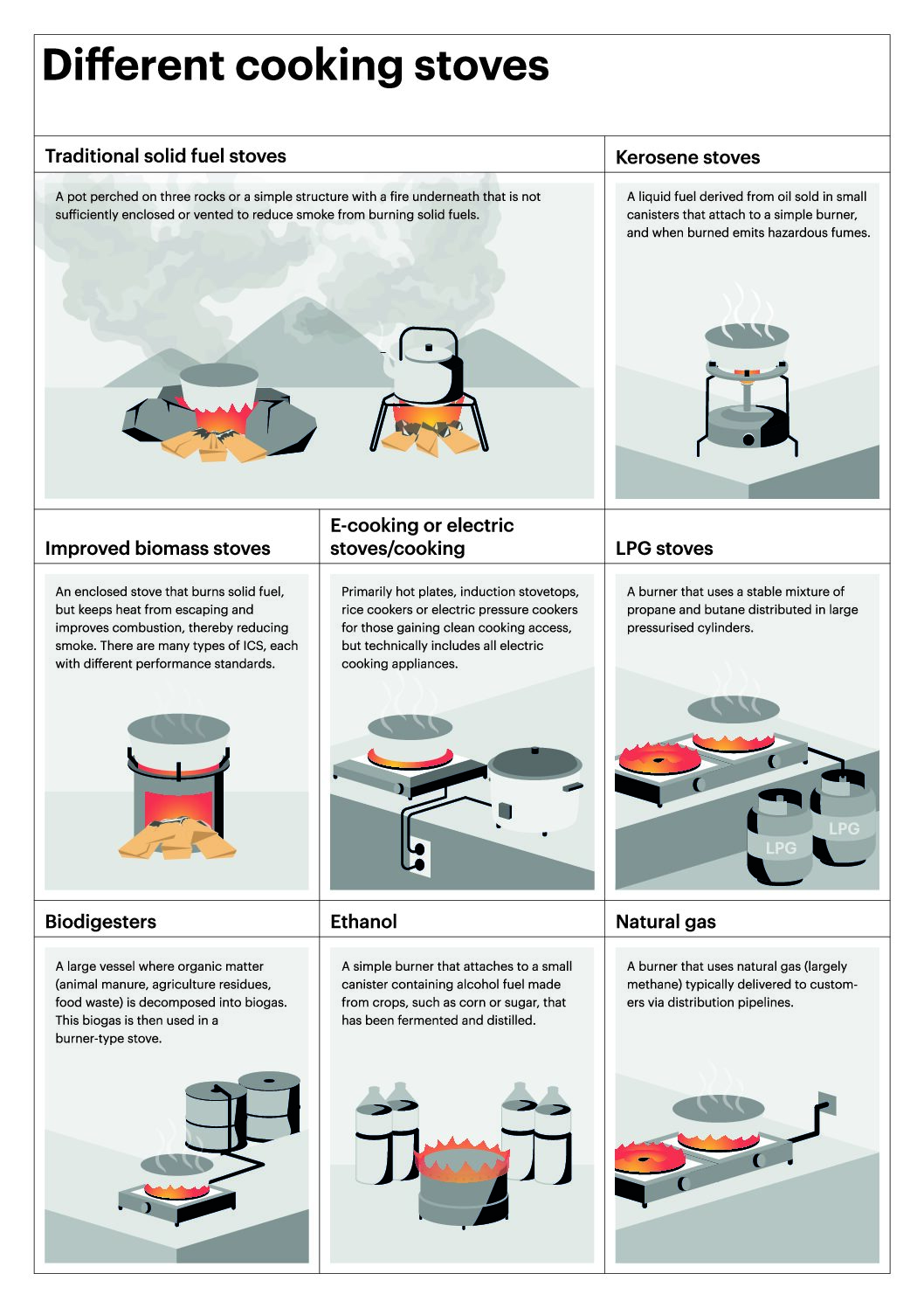
This IEA infographic gives a quick overview of different cooking technologies, and outlines each technology’s advantages and disadvantages in terms of health, gender and environmental impacts, as well as costs, scalability and efficiency.
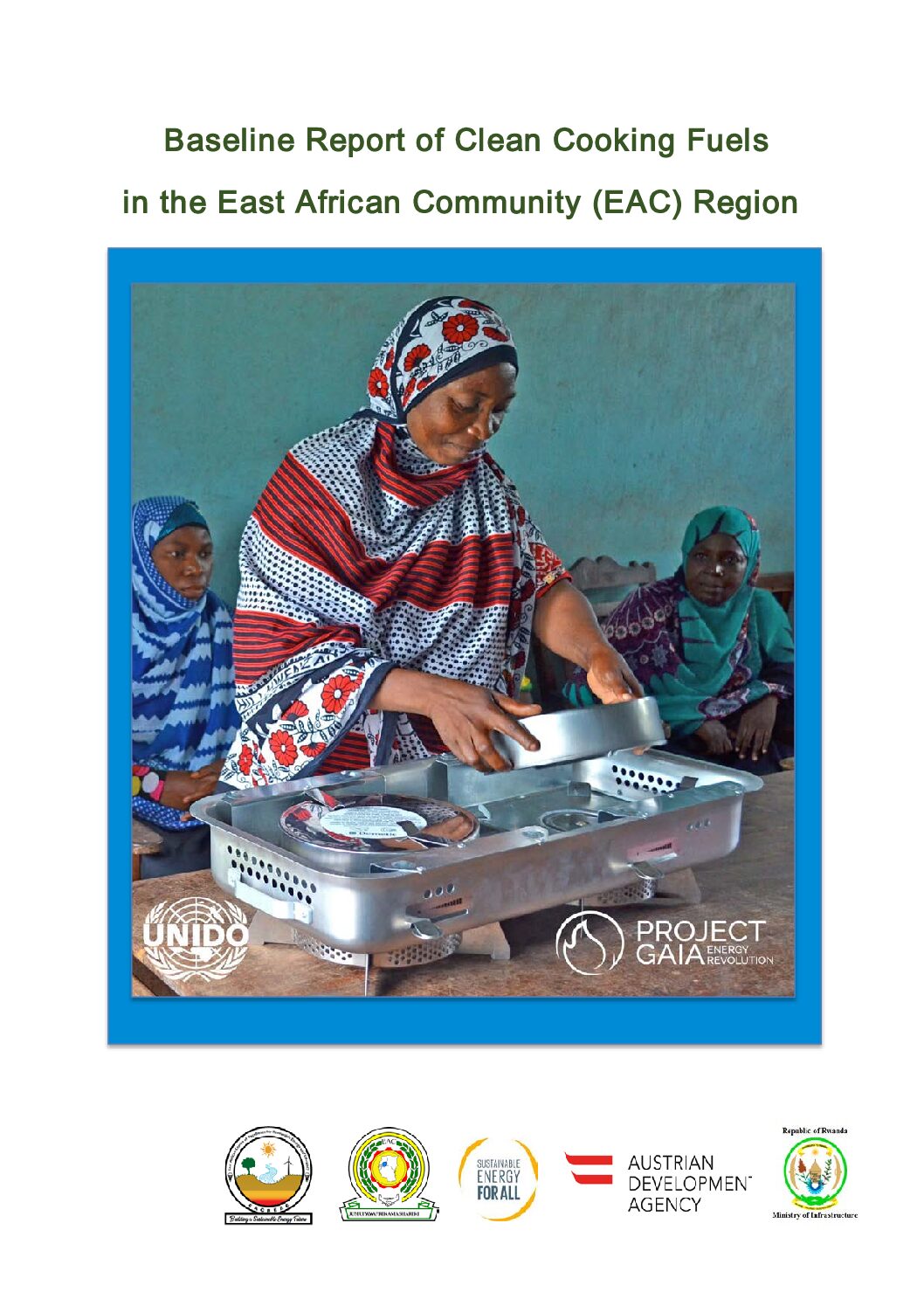
This report provides advice for the production of clean cooking fuels in East Africa
This report sketches a roadmap towards a sustainable energy, heating and transport sector in Bolivia.
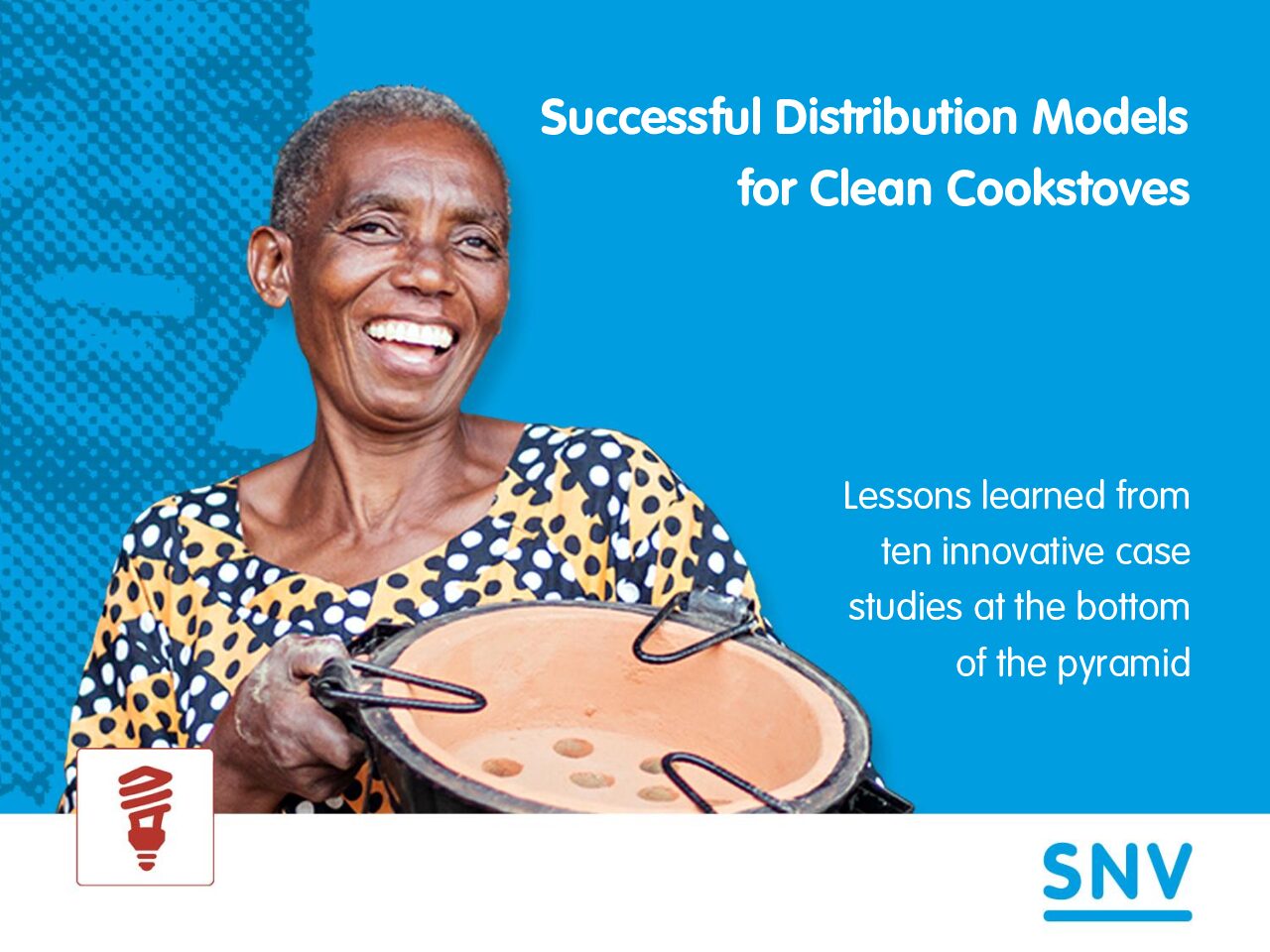
This brief presents lessons learned from ten case studies on successful business models for clean cooking solutions.
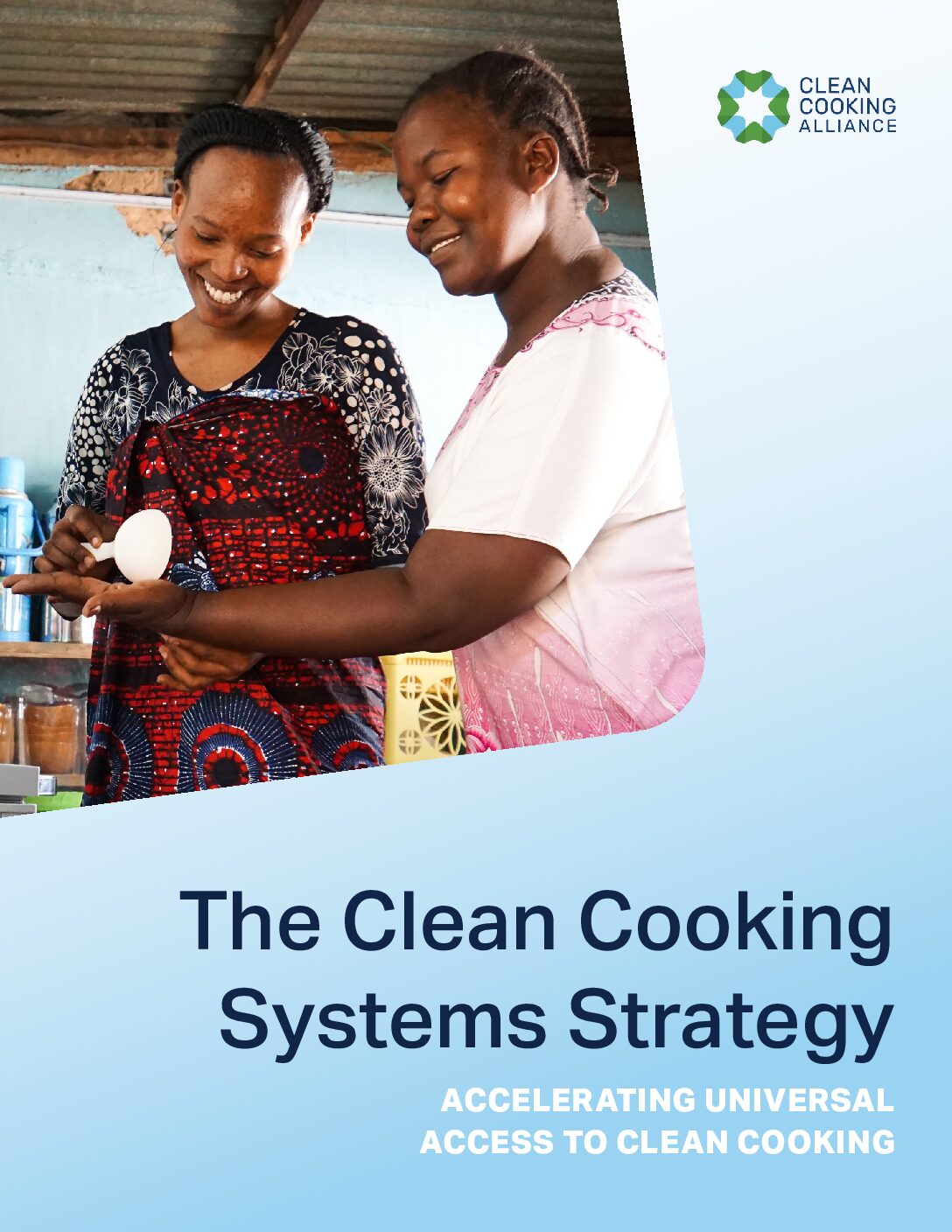
This is an ecosystem-wide, global strategy for the achievement of access to clean cooking for all.
The Sustainable Energy Solutions Catalogue contains a series of briefs to help stakeholders plan, fund and implement projects related to: sustainable e-mobility, productive use of solar energy, second-life lithium-ion batteries, climate proofing sustainable energy solutions, solar mini-grids, the water-energy-food nexus, circularity and sustainable energy, clean cooking, energy efficiency, and e-waste from off-grid solar solutions.
This article assesses the opportunities provided by digital monitoring, reporting and verification (dMRV), which can facilitate real-time tracking of the use and fuel sales from clean cooking products, thereby increasing the integrity of emissions reduction claims.
This brief offers a summary of experiences, challenges and opportunities in the renewables-based clean cooking sector, and describes the actions needed to scale up adoption.
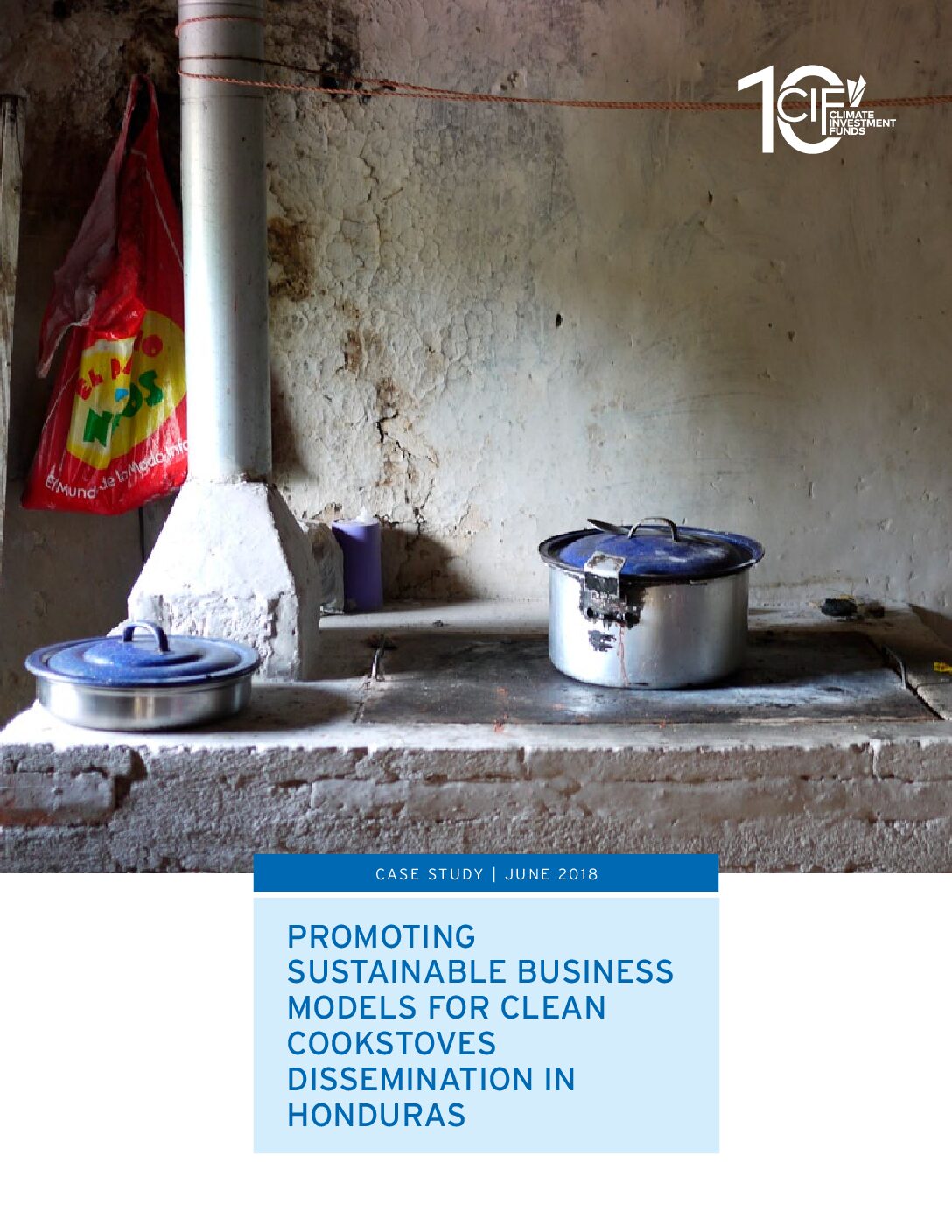
This case study describes how the PROFOGONES project managed to establish the foundations of a sustainable, demand-driven cookstove market in Honduras.
The report aims to inform prospective and current financiers of the clean cooking sector, as well as enterprises both in the sector and adjacent to it, of investment and operational trends and the significant impact that carbon revenue is having on the sector.