
This chapter of the SDG 7 progress report describes progress made towards the goal of access to clean cooking for all.
This database provides different dashboards presenting data on the latest investment and operational trends in clean cooking, including carbon market data and customer perceptions of clean cooking companies’ products and services.
This page presents the Principles for Responsible Carbon Finance in Clean Cooking, developed by the CCA.
This is a UN roadmap presenting different scenarios and pathways towards clean and net-zero cooking by 2050.
This World Energy Outlook Special Report sheds light on the current state of clean cooking, the costs of inaction, and the benefits of boosting access in line with SDG 7.
This paper models the impact on climate and emissions of Tanzania’s clean cooking targets.
The Sustainable Energy Solutions Catalogue contains a series of briefs to help stakeholders plan, fund and implement projects related to: sustainable e-mobility, productive use of solar energy, second-life lithium-ion batteries, climate proofing sustainable energy solutions, solar mini-grids, the water-energy-food nexus, circularity and sustainable energy, clean cooking, energy efficiency, and e-waste from off-grid solar solutions.
This article assesses the opportunities provided by digital monitoring, reporting and verification (dMRV), which can facilitate real-time tracking of the use and fuel sales from clean cooking products, thereby increasing the integrity of emissions reduction claims.
This brief offers a summary of experiences, challenges and opportunities in the renewables-based clean cooking sector, and describes the actions needed to scale up adoption.
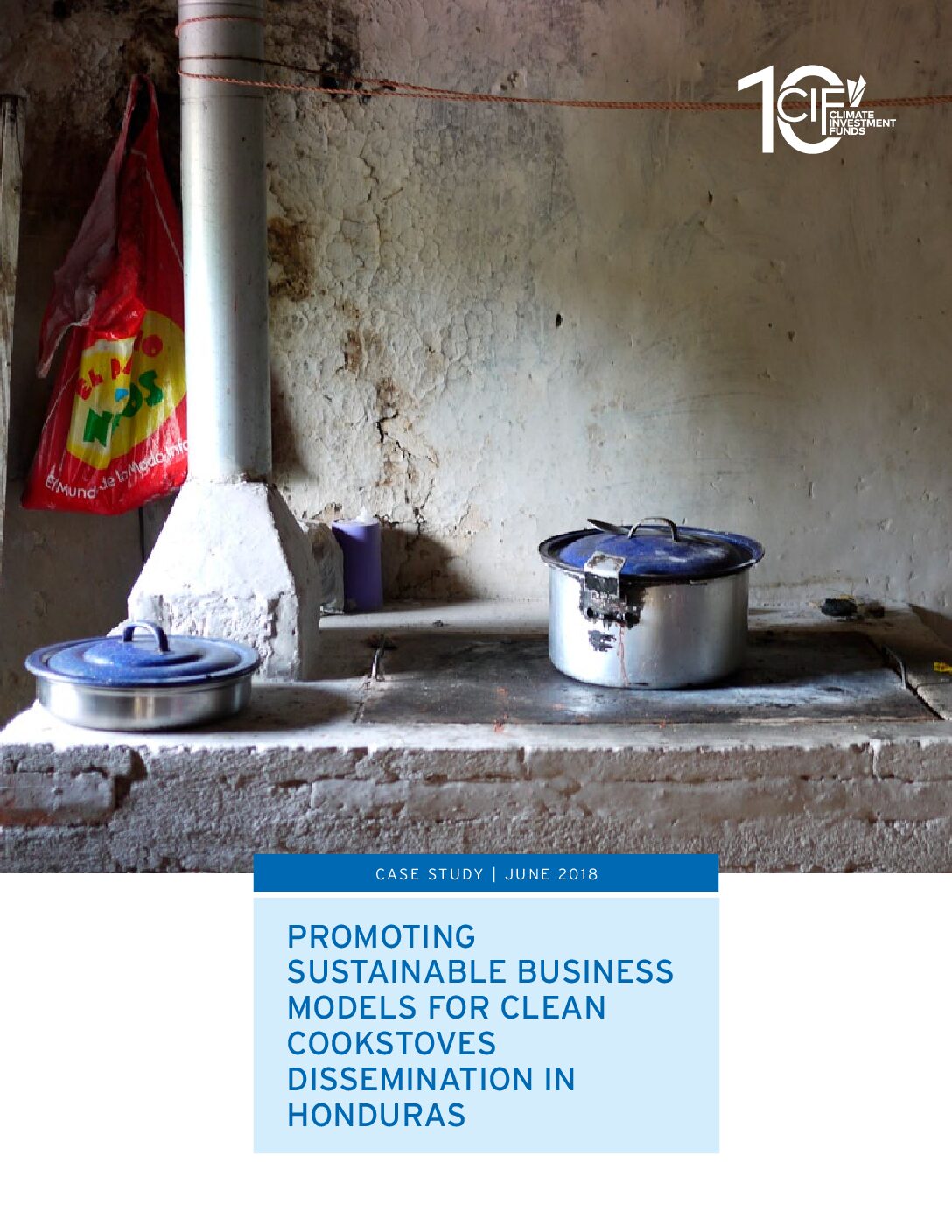
This case study describes how the PROFOGONES project managed to establish the foundations of a sustainable, demand-driven cookstove market in Honduras.