
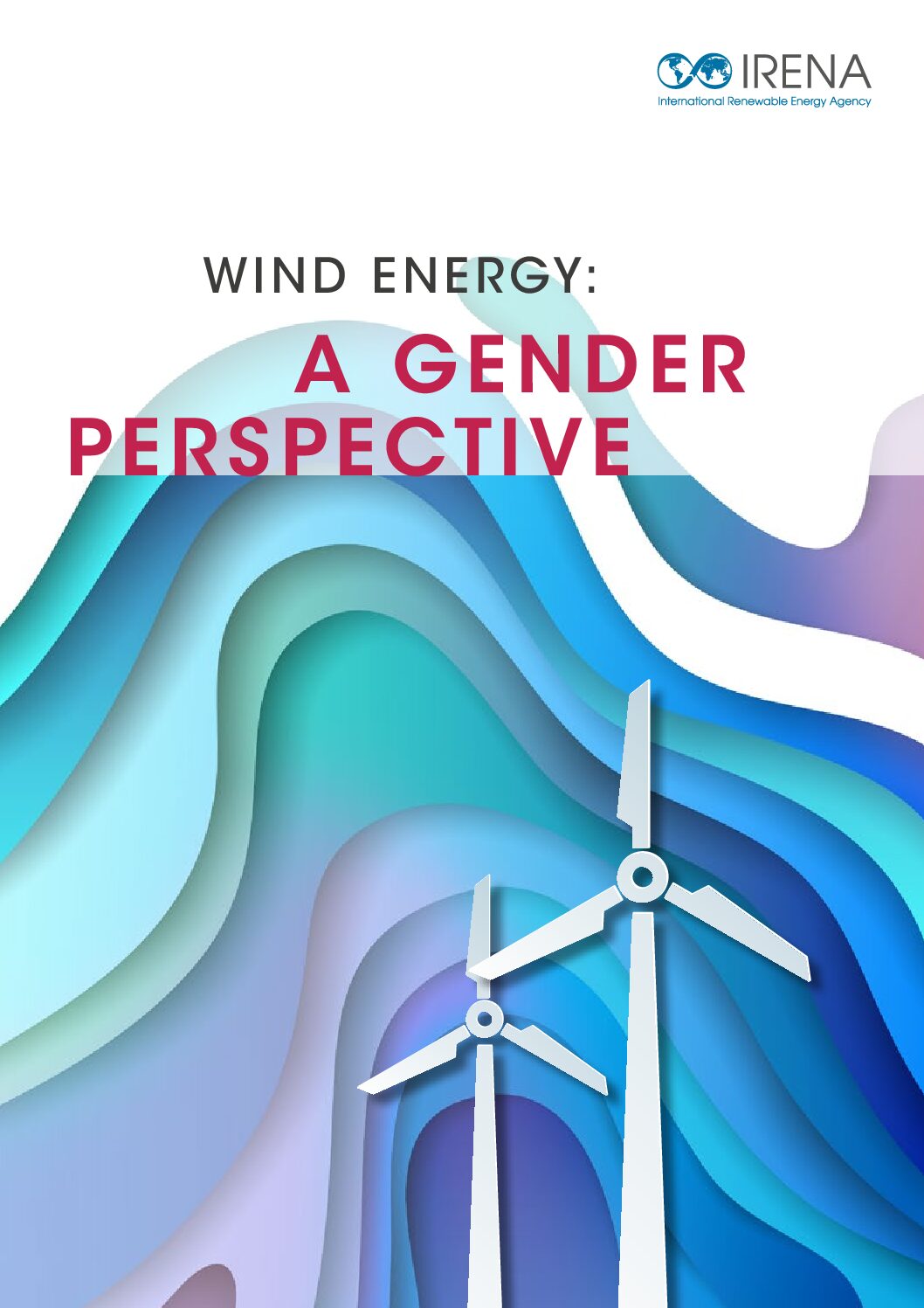
This report provides baseline data on women’s employment in wind energy, as well as information on barriers to gender equality and recommendations to close gender gaps.
The Global Innovation Hub aims to promote transformative innovations for a low-emission and climate-resilient future.
This web page highlights the role of buildings in the energy transition (heating, cooling, lighting, etc), and presents data and recommendations.
This article explores how system planning, and in particular assessments of system adequacy, will need to innovate and evolve to allow power systems to keep delivering secure and affordable electricity supply during energy transitions.
This database presents the current status, policy barriers, and key innovations for electrification of mobility, heating and cooling, and hydrogen production.
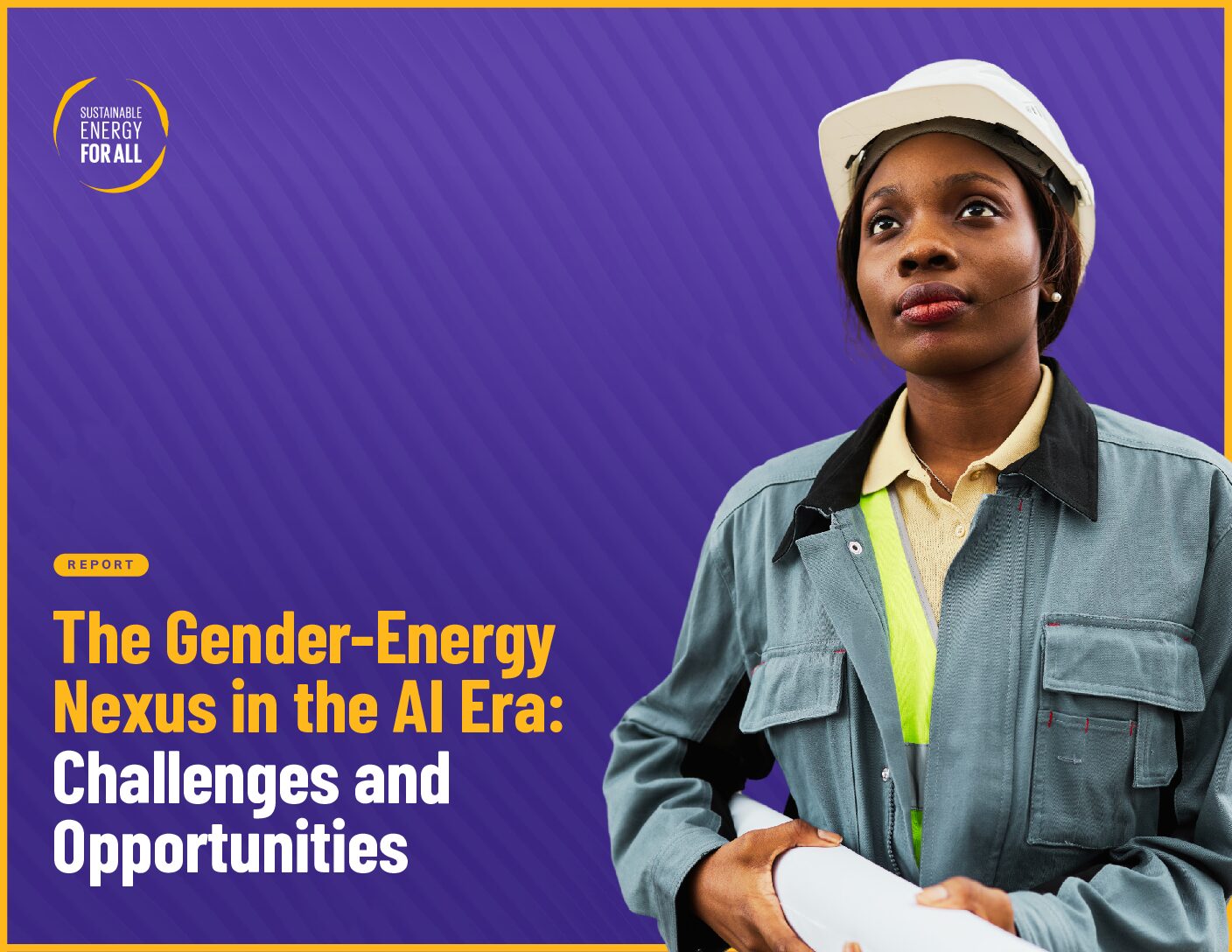
This report explores the critical intersections of AI development, gender equality and energy transitions, emphasizing how AI applications can advance a sustainable, equitable and just energy transition.
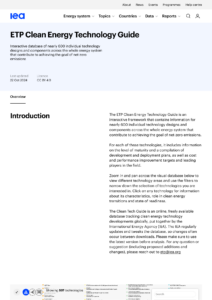
This is an interactive database of nearly 600 individual technology designs and components across the whole energy system that contribute to achieving the goal of net-zero emissions
This paper explains how minimum energy performance standards for buildings can be implemented effectively while remaining socially just, using a differentiated approach that carefully follows a series of design principles.
This study examines the integration of AI into energy management processes in industrial facilities and the advantages it provides.
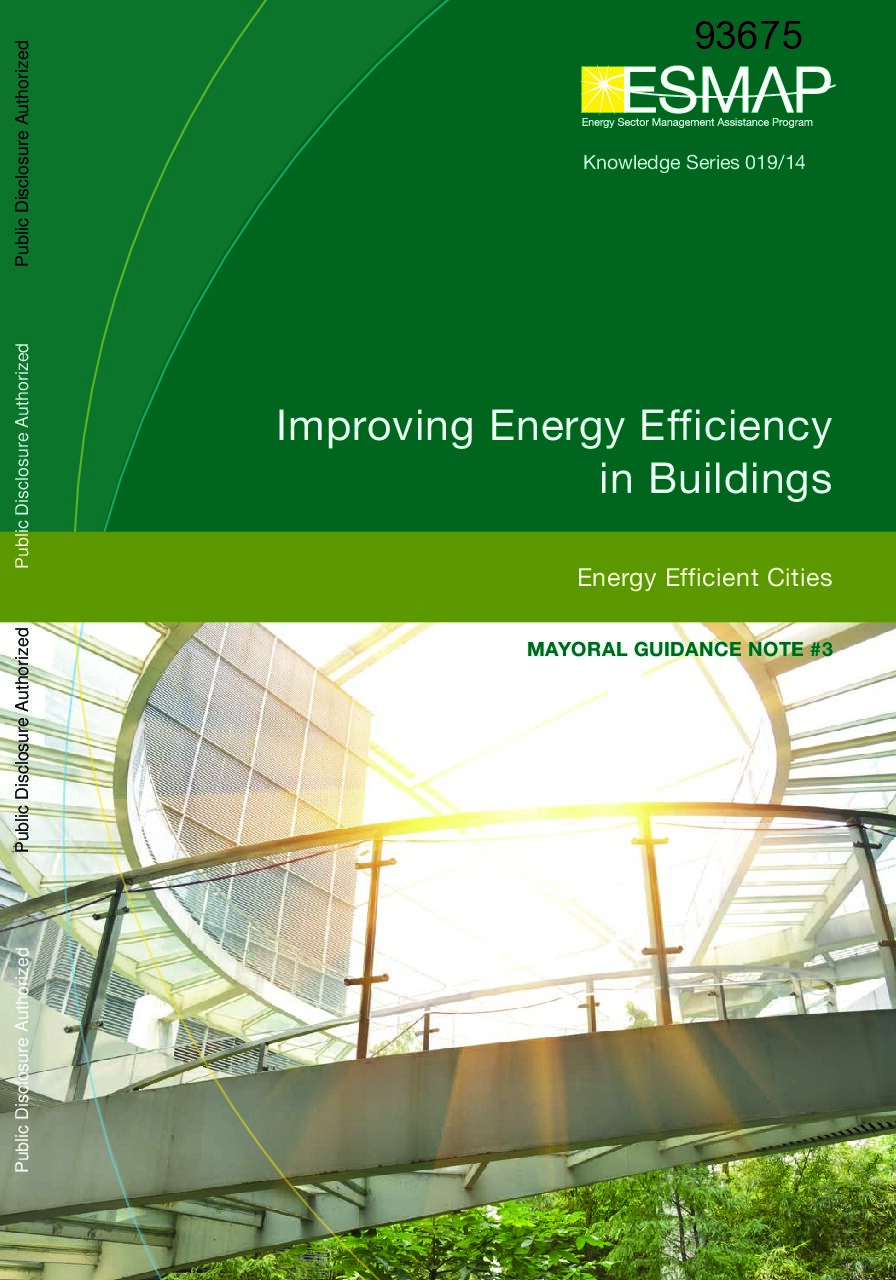
This guidance note outlines how cities can tap into a wide array of proven technologies, policies, and financing mechanisms to improve energy efficiency and capture cost-effective energy savings in buildings.