
This second edition from 2025 provides an update to the landmark report from 2019, based on a new survey of 1192 individuals working in the sector, and 233 companies and organizations. The headline finding was that despite widespread efforts, the share of women in renewable energy has not grown over the past six years: it … Continue reading “Renewable energy: A gender perspective (Second edition)”
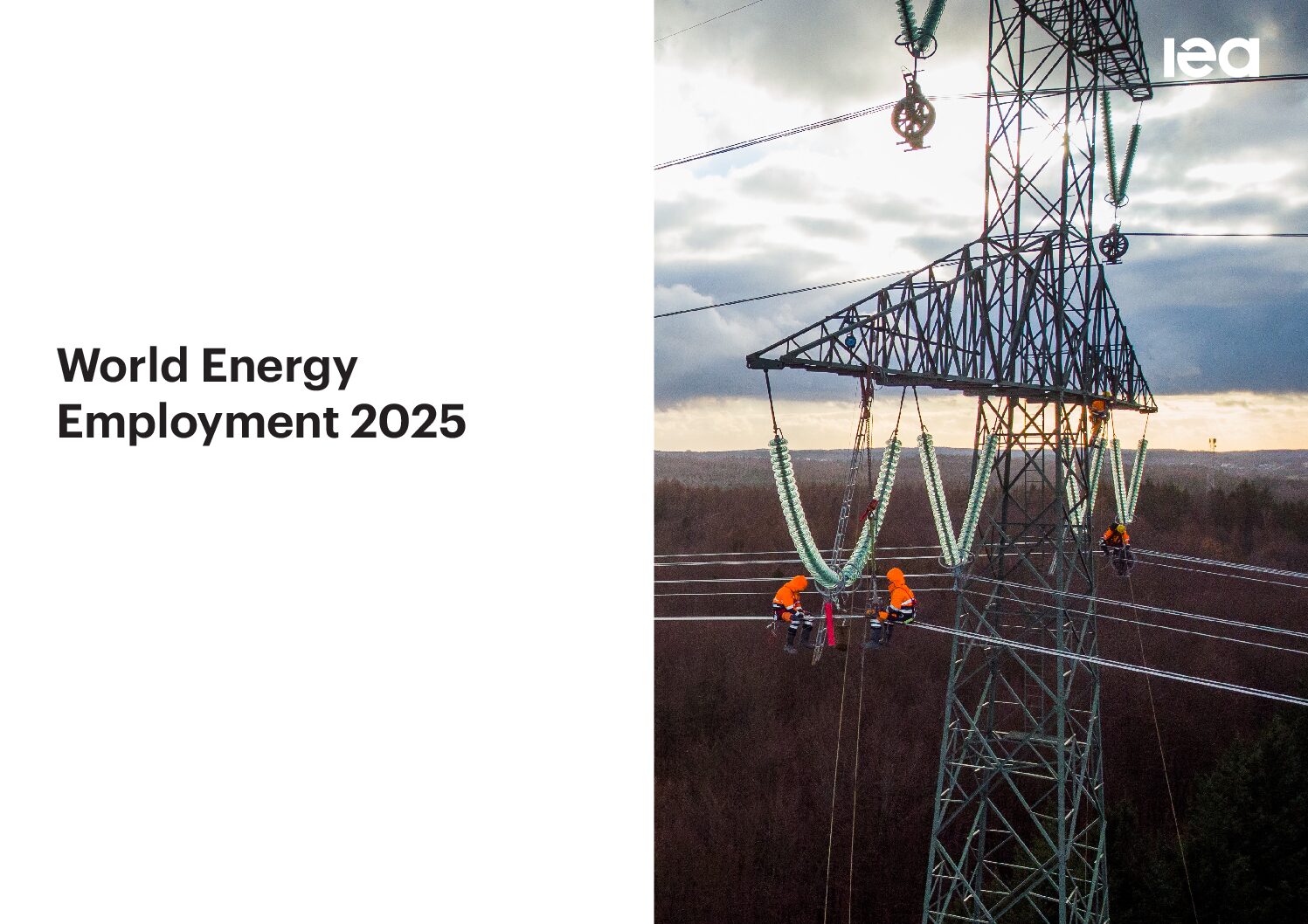
This report provides comprehensive analysis of the global energy workforce, including estimates of its size and distribution across regions, sectors, and technologies. It also assesses how energy labour requirements evolve to 2035 across all IEA scenarios.
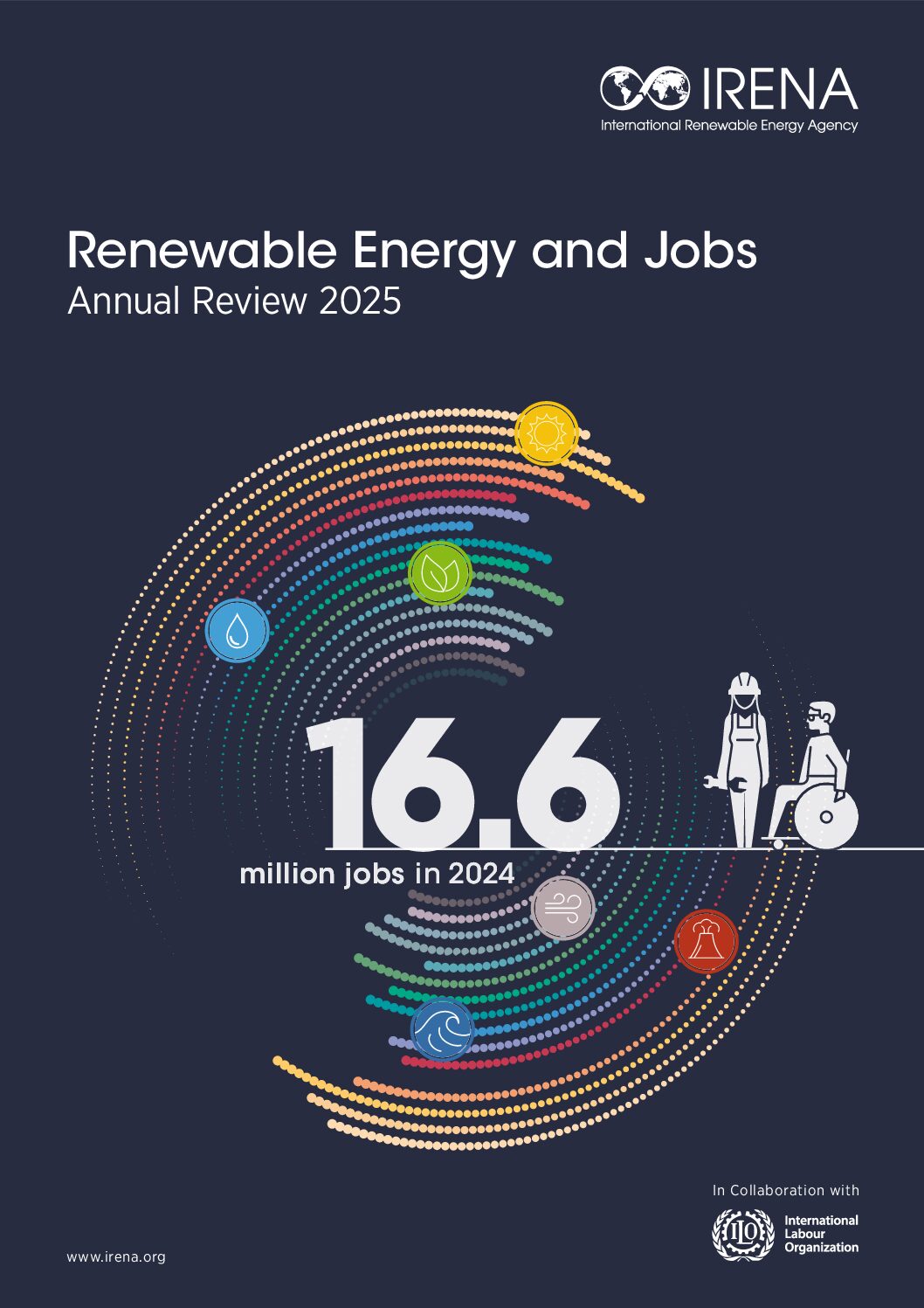
This resource provides the latest data and insights on global renewable energy employment, highlighting trends in renewable energy deployment and supply chains as well as the influence of geopolitical and geoeconomic factors. The resource serves as a valuable tool for stakeholders aiming to understand and address the employment implications of the global shift towards renewable … Continue reading “Renewable energy and jobs: Annual review 2025”
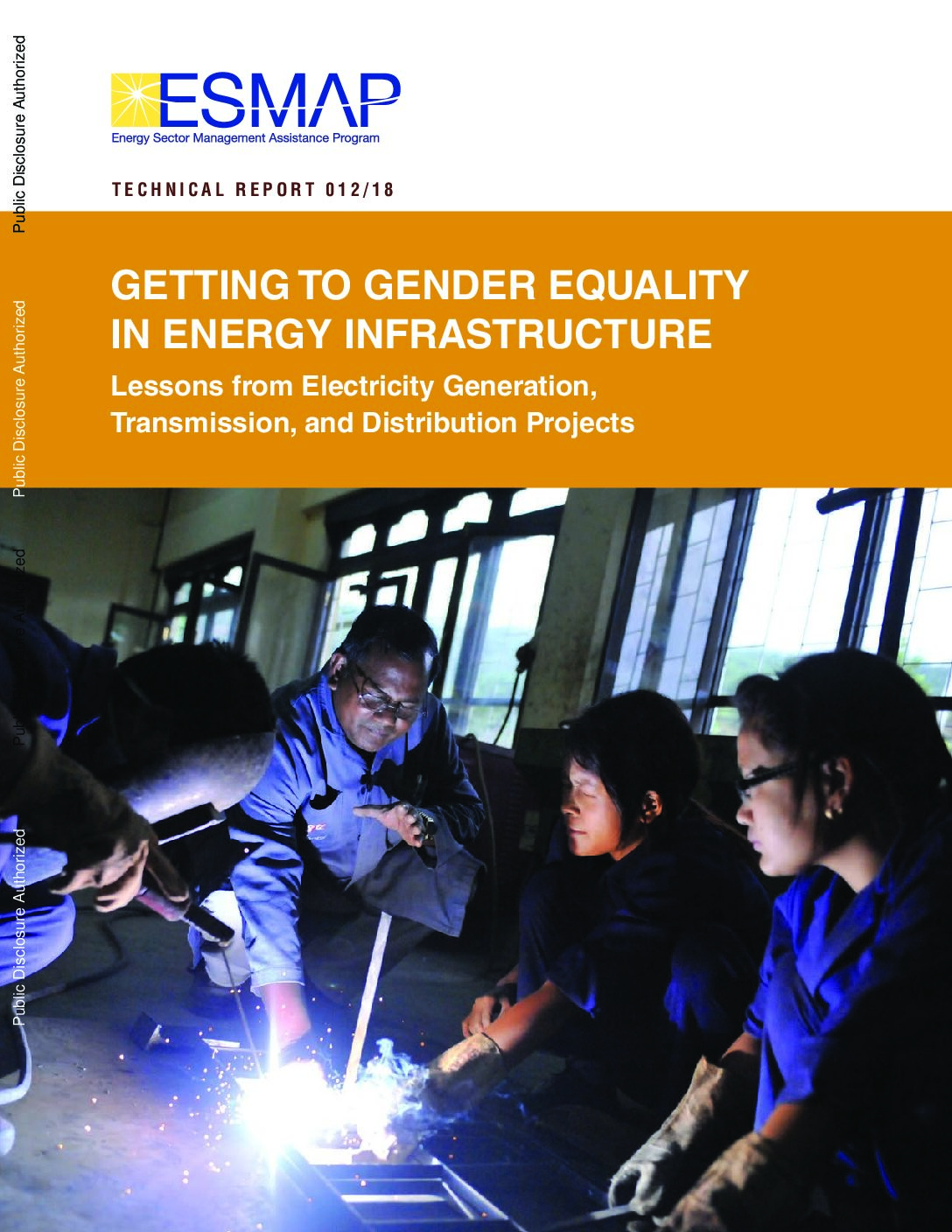
This report by the World Bank’s Energy Sector Management Assistance Program (ESMAP) shares opportunities, challenges and good practices related to advancing gender equality in electricity infrastructure projects.
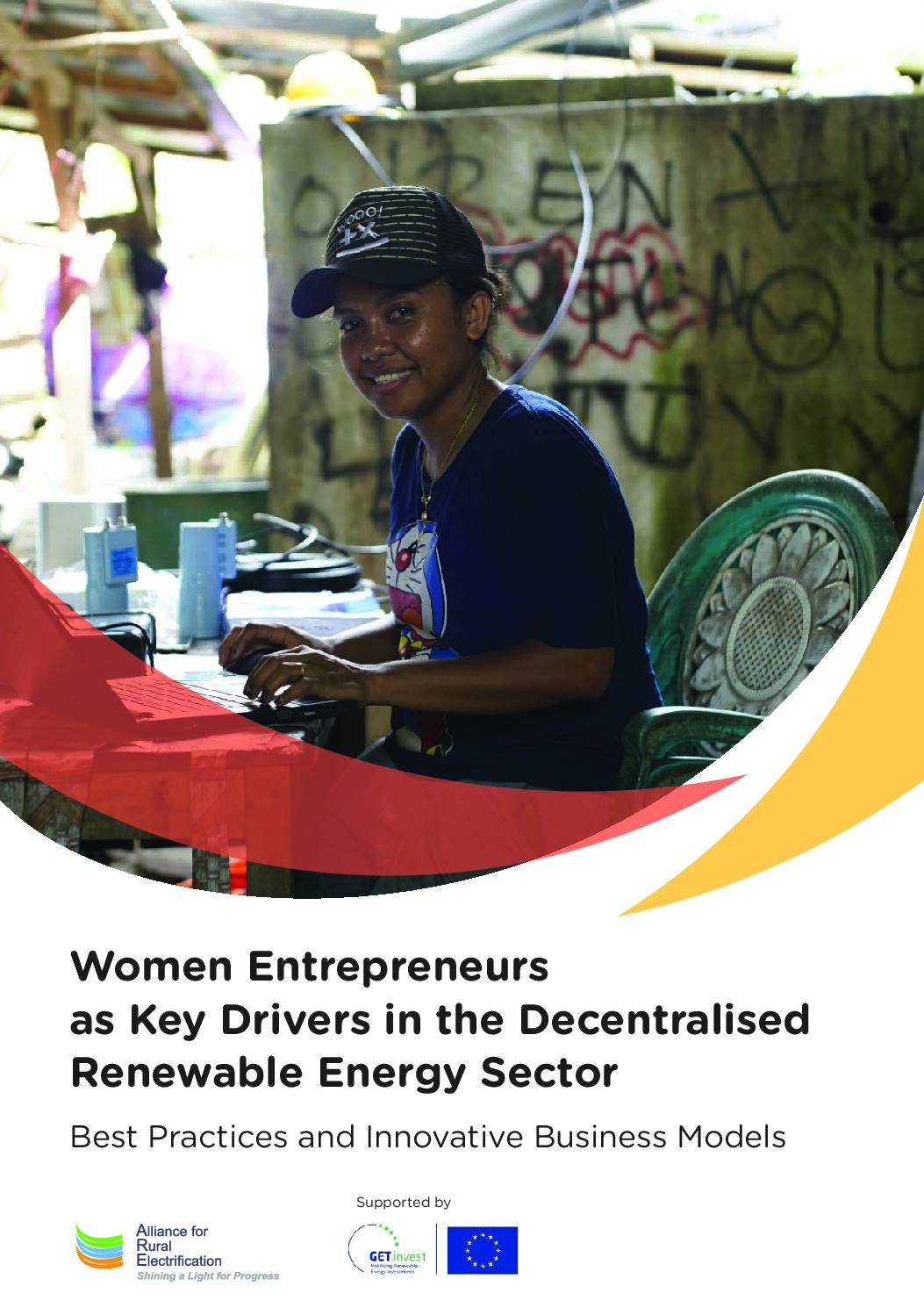
This report by the Alliance for Rural Electrification explores the role of women in advancing electrification and socio-economic development in rural communities and gives examples of ways to integrate gender equality throughout the off-grid energy supply chain.
This report assesses the effectiveness of women in energy networks worldwide and offers best practices and recommendations for networks under development or those aiming to enhance their impact.
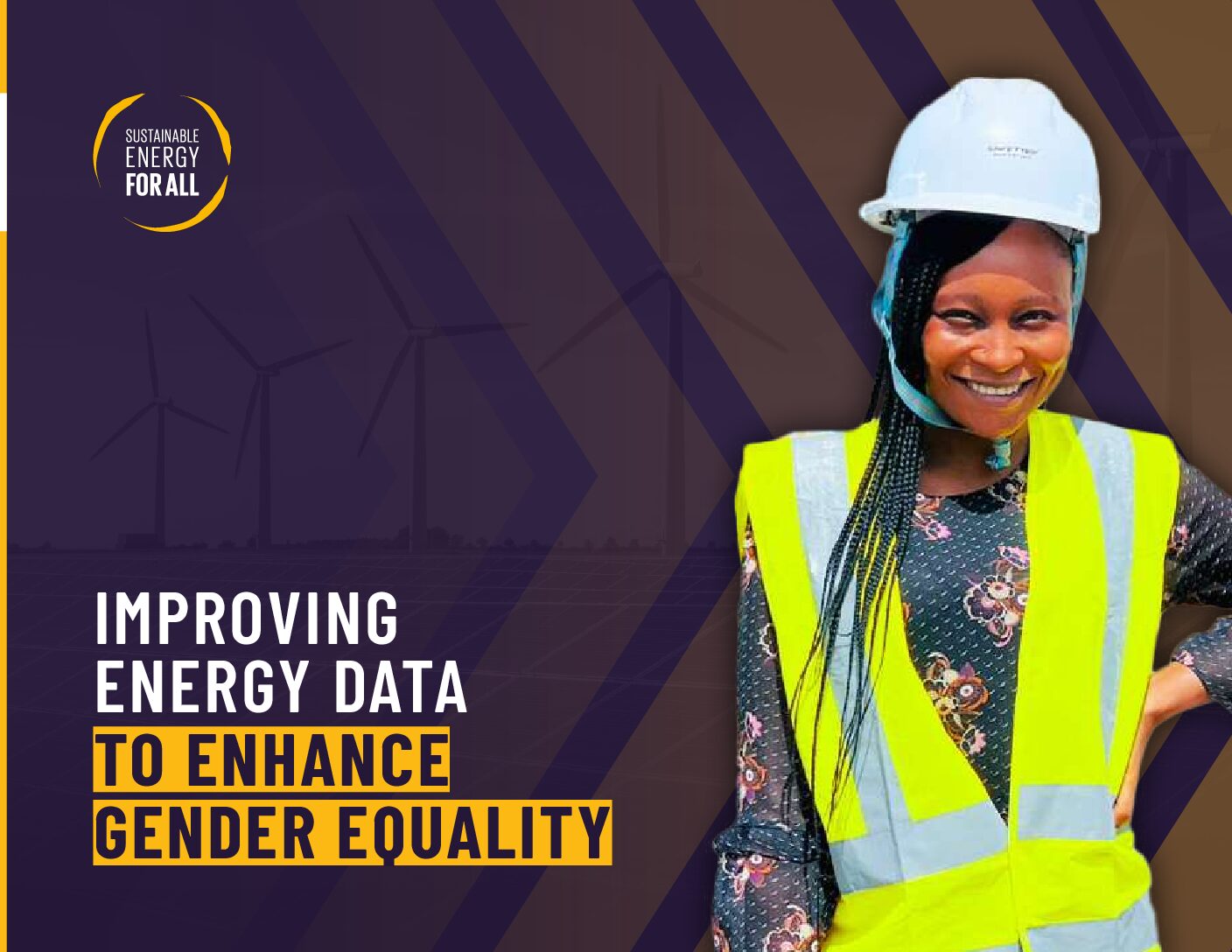
This report provides recommendations for improving the availability of sex-disaggregated and specific gender equality data in the energy sector, to improve decision making and programme design.
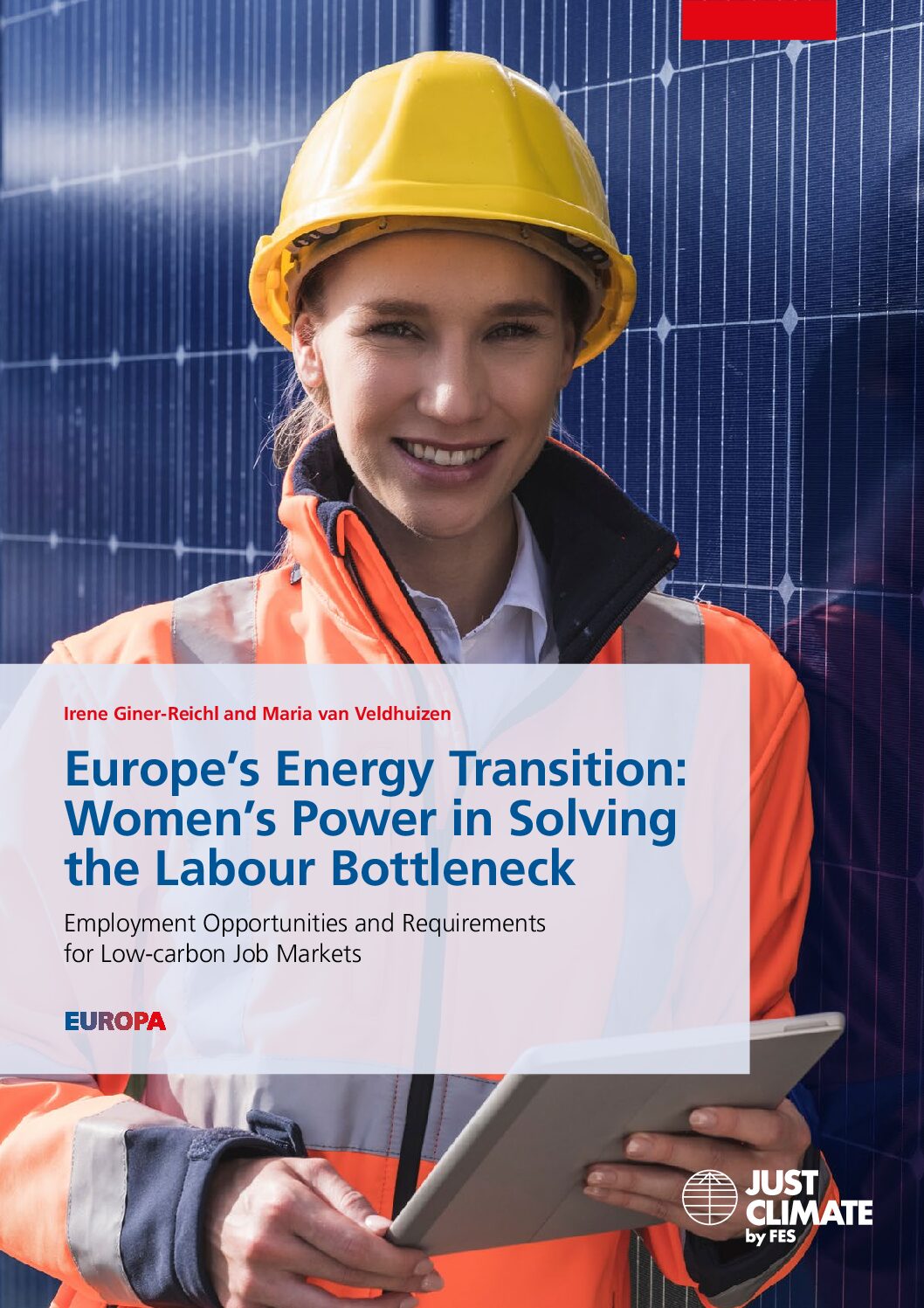
This report investigates labour shortages for the energy transition in Europe and shows just how many more people will be needed in the energy sector by 2030 (See the table on p.4; example: over 600,000 new solar PV technicians and 150,000 wind engineers). On page 7, the report gives a quick overview of key arguments … Continue reading “Europe’s Energy Transition: Women’s Power in Solving the Labour Bottleneck – Employment Opportunities and Requirements for Low-Carbon Job Markets”
This report is the latest in a series of McKinsey reports on the benefits of diversity to corporations. It analysed the performance and workforce/management diversity of 1265 companies in 23 countries, and discovered that the 25% most diverse companies (both in terms of gender and ethnic diversity) were 39% more likely to perform exceptionally well … Continue reading “Diversity matters even more: The case for holistic impact”
This study explores the impact of energy poverty on the health gap between men and women in Ghana, showing that, especially in households suffering from energy poverty, women report significantly worse health than men.