
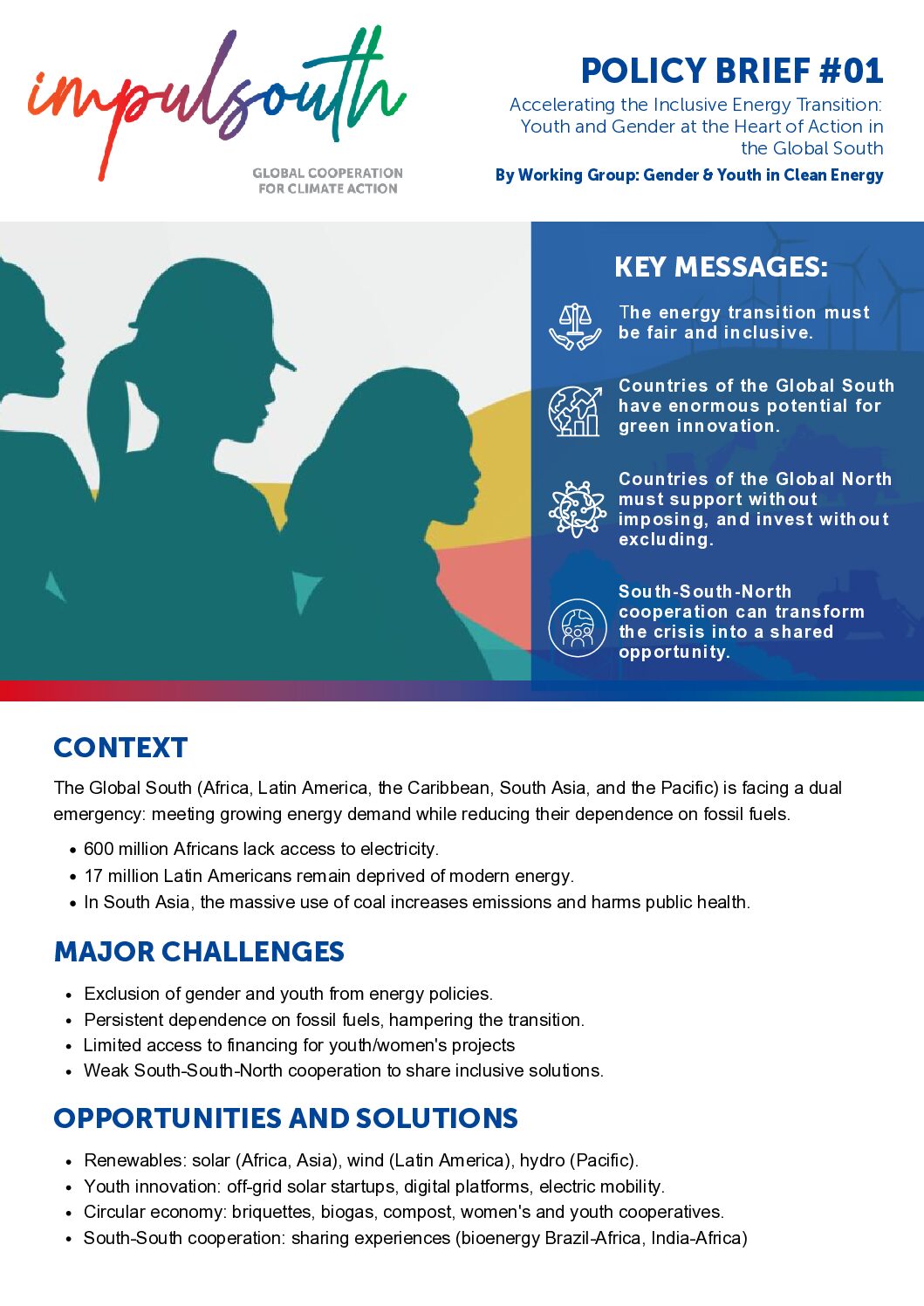
This resource was developed by members of the Working Group on Gender & Youth in Clean Energy, within Impulsouth’s Community of Practice.
This article explores how the Central American Integration System (SICA) has helped lead the way to improve energy efficiency in appliances at the regional level, and the opportunities that further harmonisation could generate.
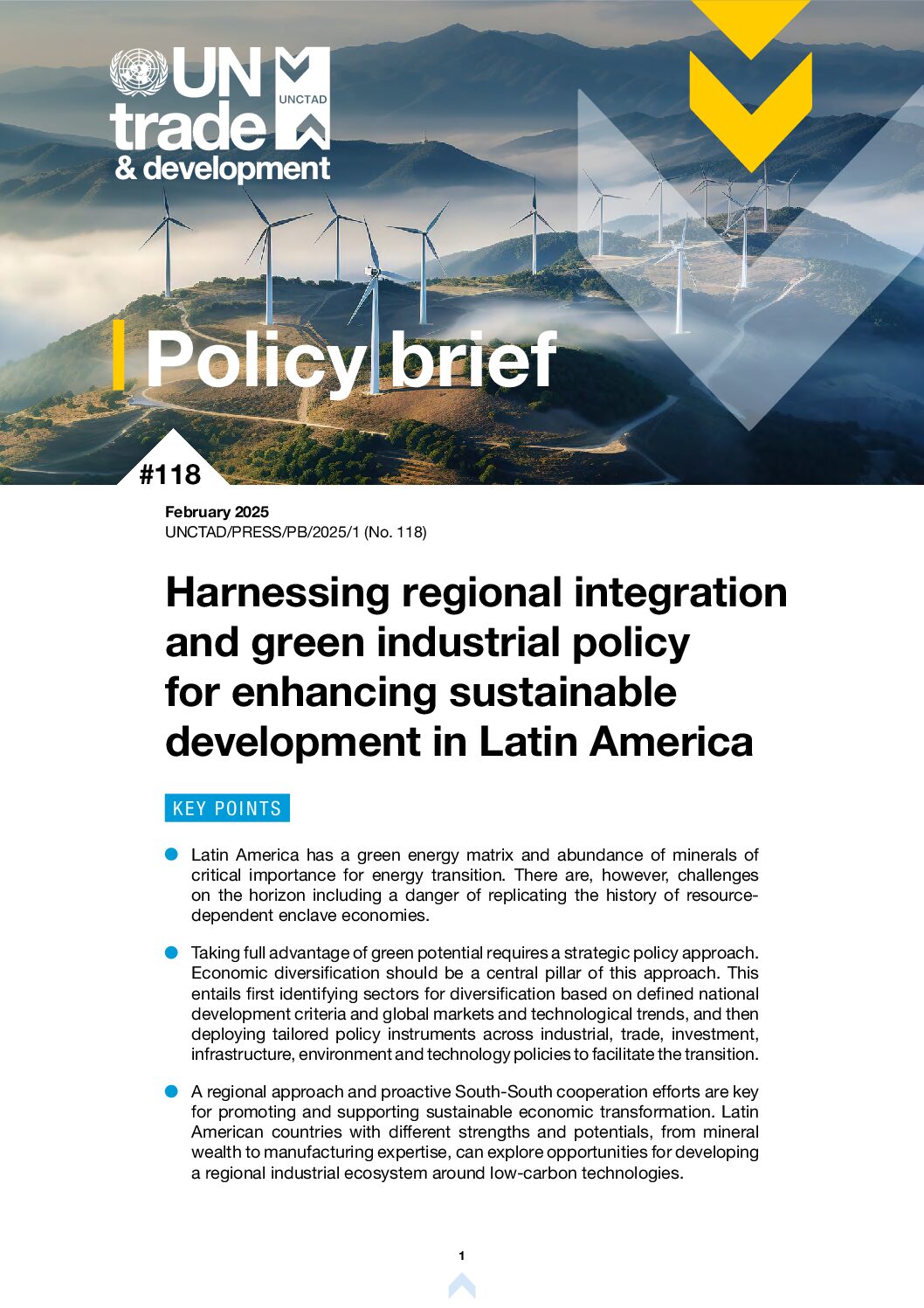
This brief discusses the importance of industrial policy and of regional integration for Latin American countries to remove barriers to the energy transition and maximise their renewable energy potential.
This article tells a story of trial and error in the development of a clean cookstove business model in Zambia, highlighting the many factors that come into play and the occasional unpredictability of the market.
This report identifies opportunities for Latin American and Caribbean countries in global renewable energy value chains. It focuses particularly on countries with significant mineral reserves, including Bolivia and Ecuador.
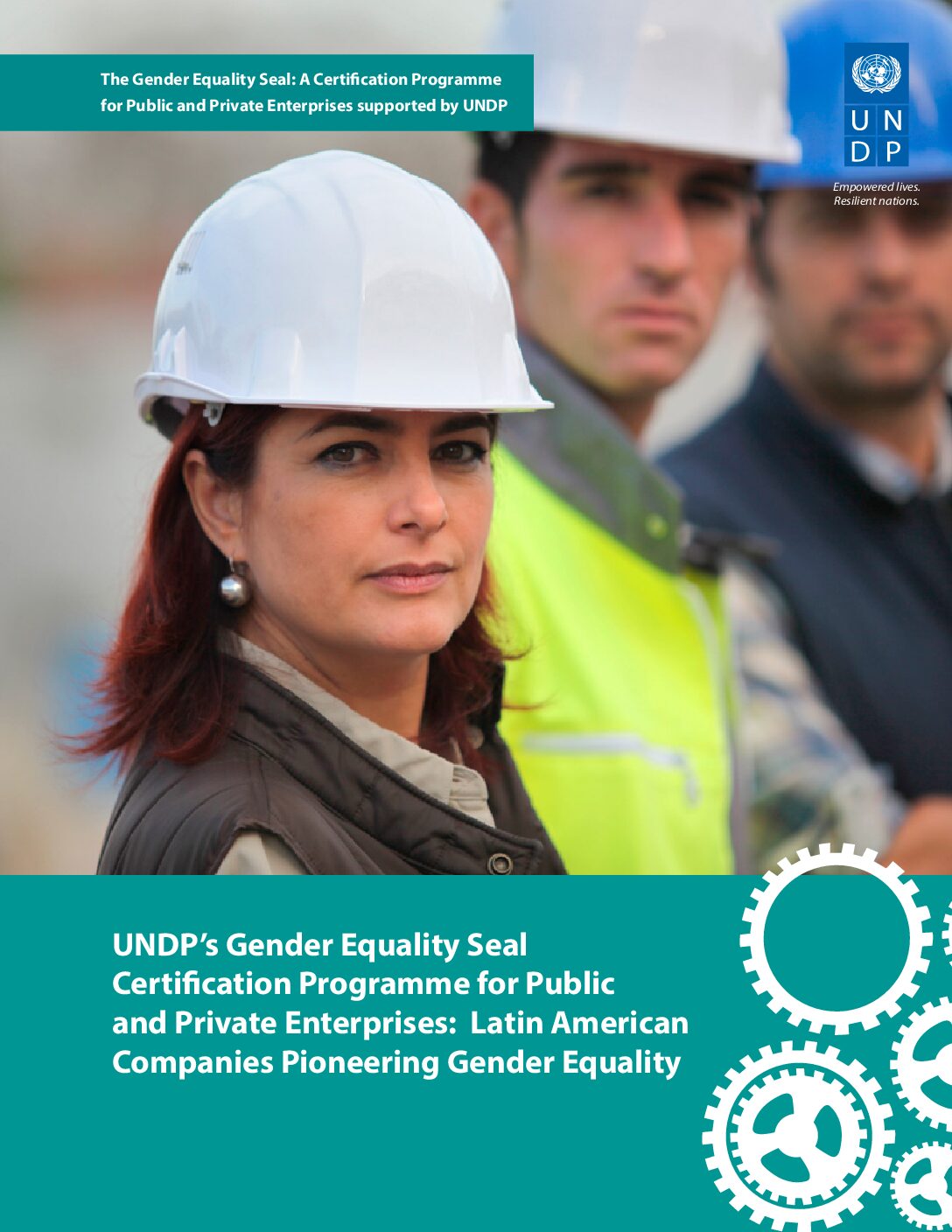
UNDP’s Gender Equality Seal has been implemented under different names in 11 countries and has engaged over 1400 companies. Companies, including many in male-dominated sectors such as the energy sector, can qualify for the seal by following a ten-step plan.
These two blogs (available in English and Spanish) explain why you should undertake stakeholder mapping, how to go about it, and how to engage the stakeholders you have identified.
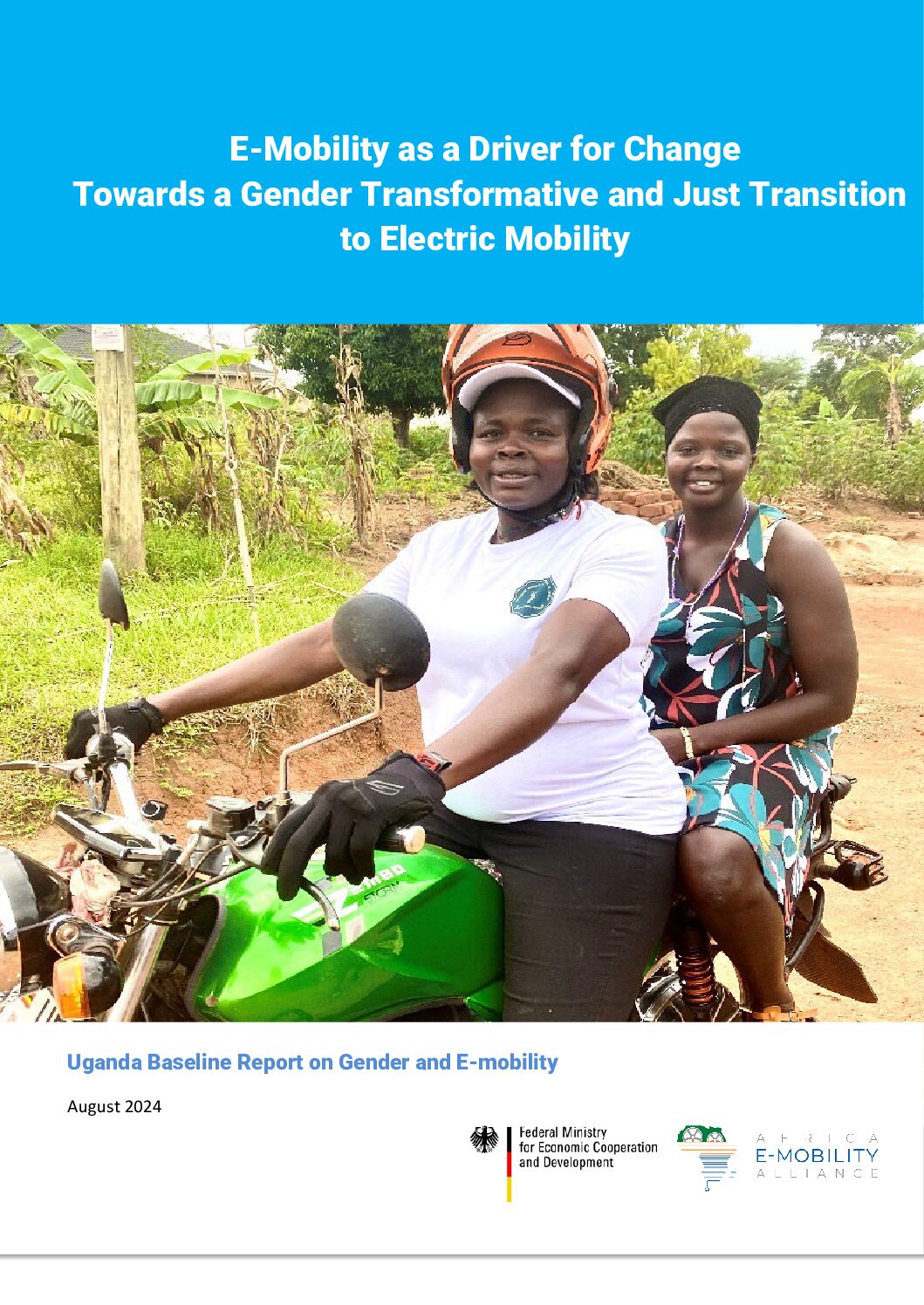
This baseline study outlines the current status of gender equality in the transport sector in Uganda, and identifies potential for the advancement of gender equality in transport while also advancing the e-mobility transition.
This policy briefing aimsto improve understanding of the state of e-mobility in Uganda and how best to achieve the transition to low-pollution, low carbon and jobs-rich transportation.
This report offers a comprehensive view of the advantages and challenges of electric mobility development jointly with the development of electrical infrastructure for the Latin American context, emphasizing the importance of synchronizing these developments to facilitate the energy transition and leverage underlying new technologies.