
The average lifespan of a building is 50 years, so the design of buildings that are constructed now will have an effect on energy consumption in our cities until well into the 2070s. This article presents the most effective options for cities to set mandatory minimum energy performance standards for buildings, to prevent locking in … Continue reading “How to set energy efficiency requirements for new buildings”

This brochure provides step-by-step instructions for walk-through energy audits, focusing on heating, lighting, and bills and meter readings in offices and factories or warehouses.
This report by the Global Energy Transitions Commission presents a complete picture of global building sector emissions and describes pathways to decarbonisation for both existing buildings and new construction.

This web page highlights the role of buildings in the energy transition (heating, cooling, lighting, etc), and presents data and recommendations.
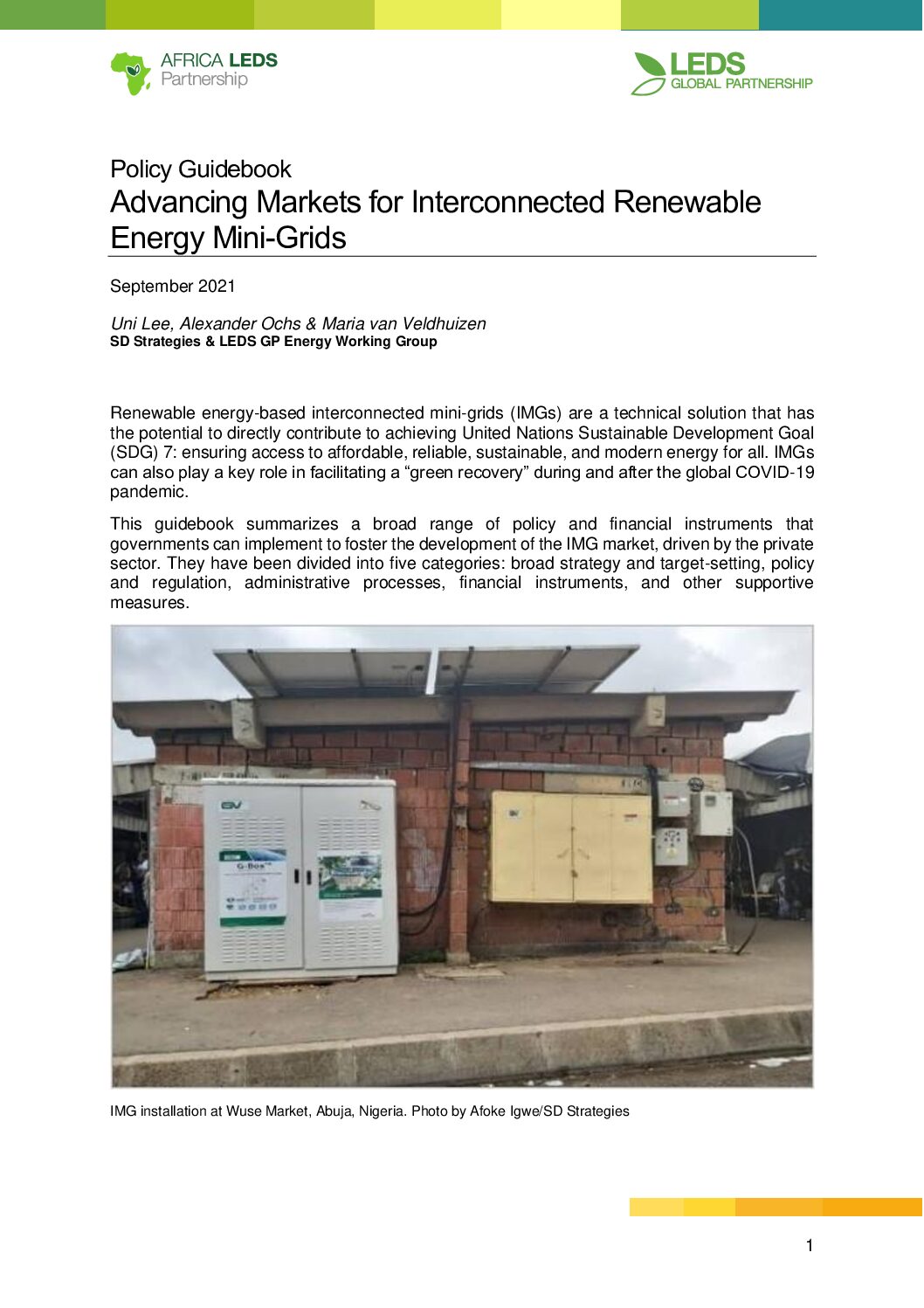
This guidebook summarizes a broad range of policy and financial instruments that governments can implement to foster the development of the interconnected mini-grid market, driven by the private sector.
This report presents the results of a survey undertaken to investigate the current status of gender equality in the biogas sector, and compares these with a baseline survey conducted in 2012.
This report explores the critical intersections of AI development, gender equality and energy transitions, emphasizing how AI applications can advance a sustainable, equitable and just energy transition.
This paper explains how minimum energy performance standards for buildings can be implemented effectively while remaining socially just, using a differentiated approach that carefully follows a series of design principles.
This study examines the integration of AI into energy management processes in industrial facilities and the advantages it provides.
This guidance note outlines how cities can tap into a wide array of proven technologies, policies, and financing mechanisms to improve energy efficiency and capture cost-effective energy savings in buildings.