
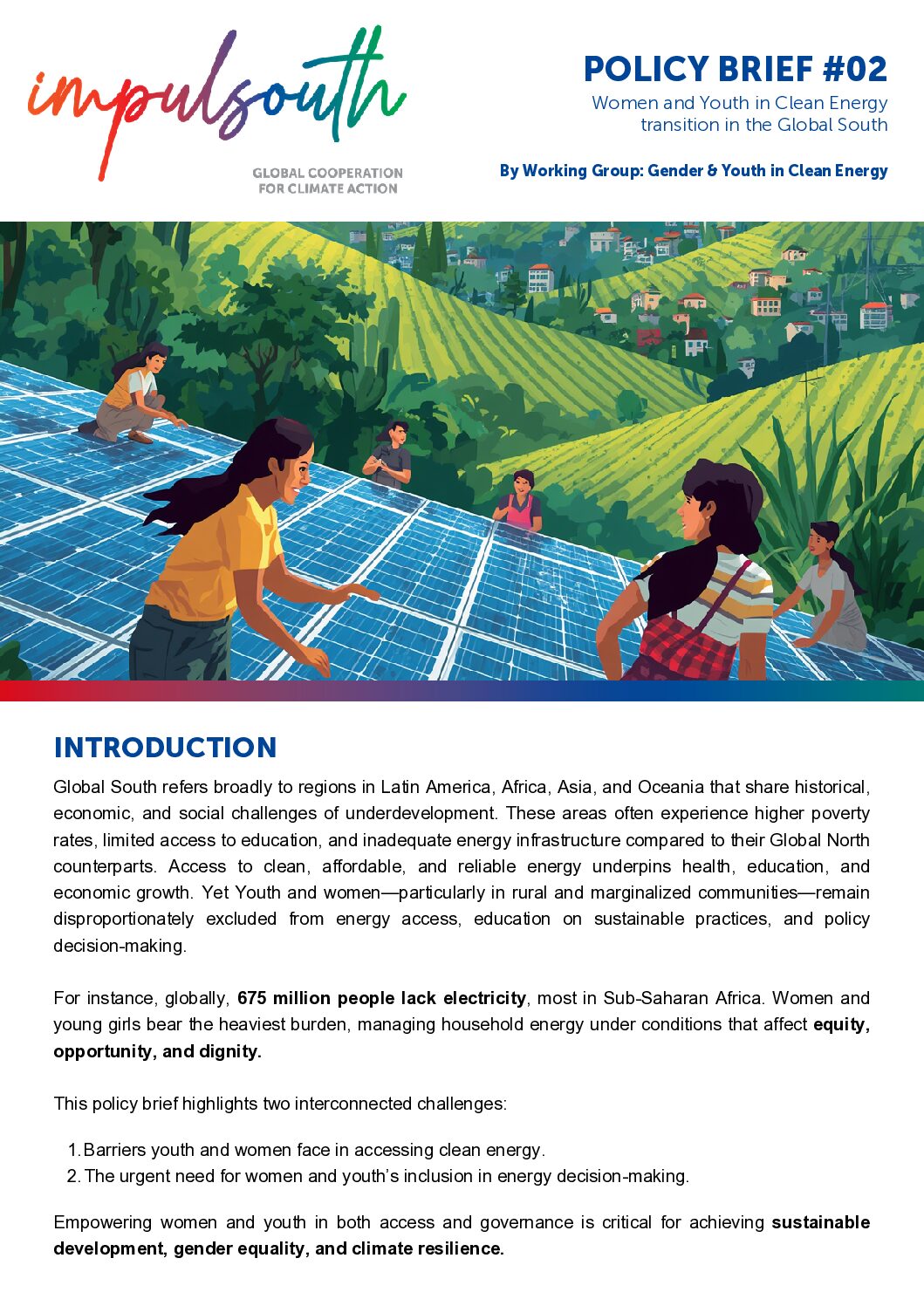
This resource was developed by members of the Working Group on Gender & Youth in Clean Energy, within Impulsouth’s Community of Practice.
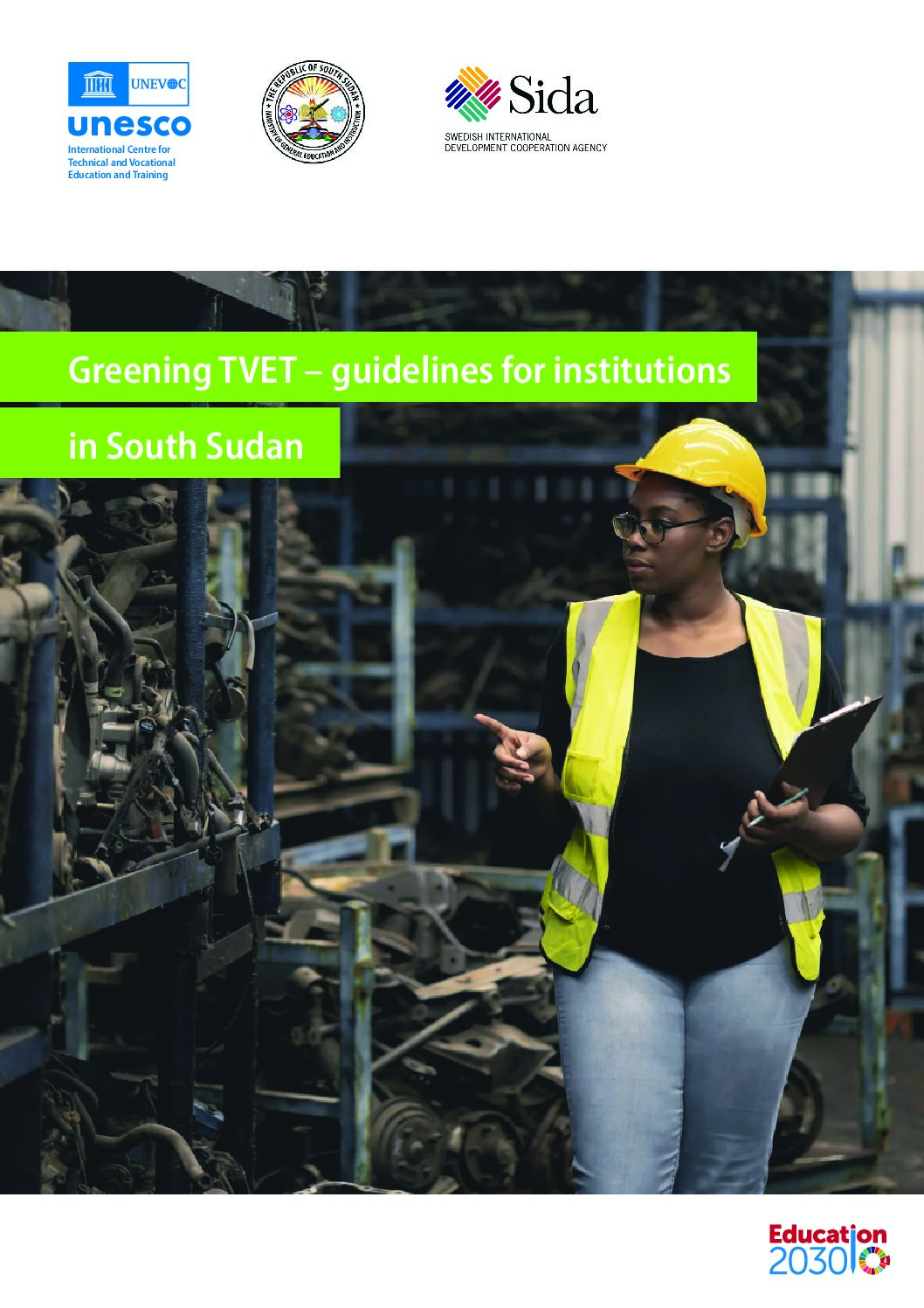
These Greening TVET guidelines provide a comprehensive framework to promote sustainable development within TVET institutions. By showing how to embed environmental sustainability and gender equity into institutional practices, the guidelines aim to equip TVET institutions with the tools needed to foster a green economy.
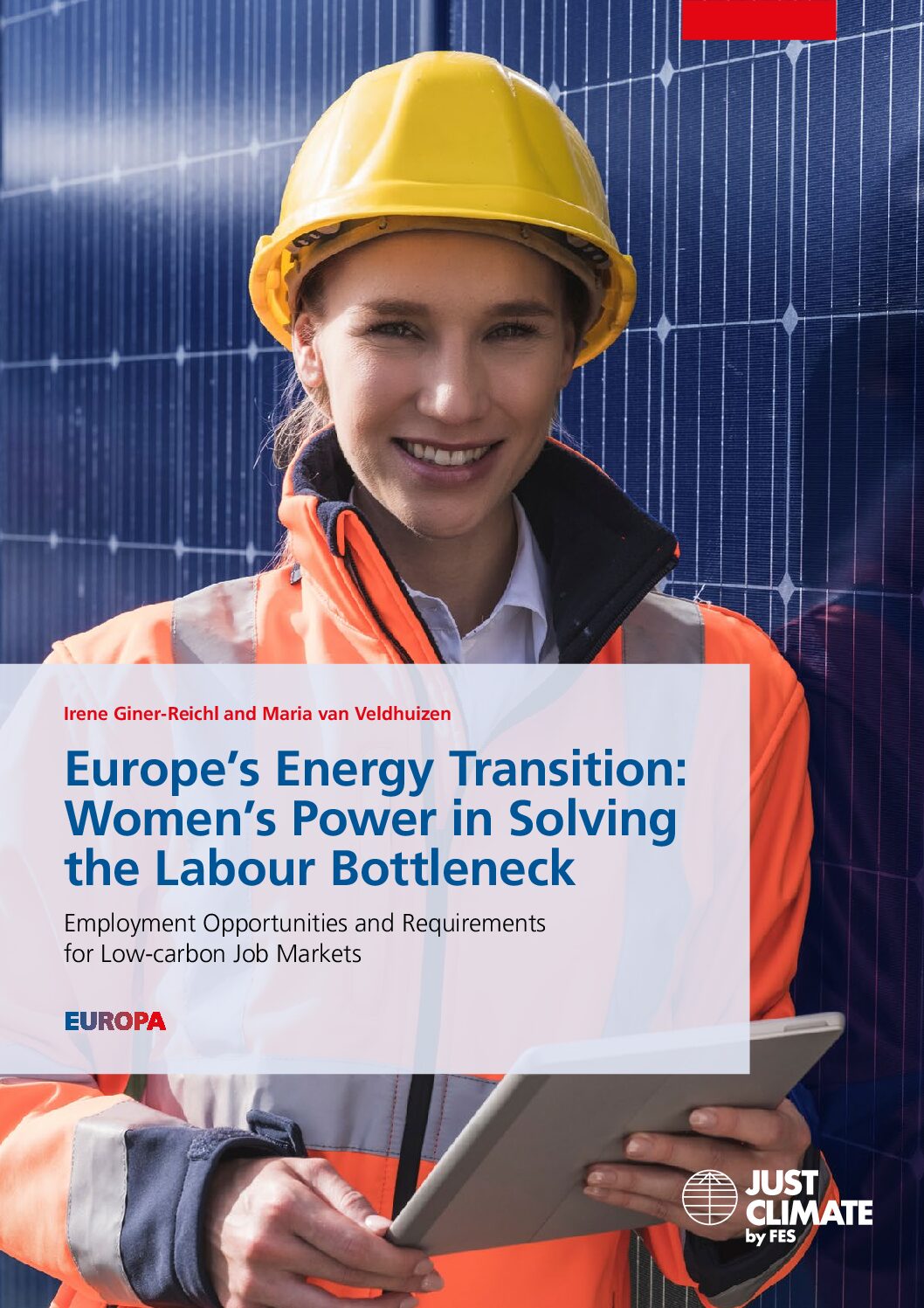
This report investigates labour shortages for the energy transition in Europe and shows just how many more people will be needed in the energy sector by 2030 (See the table on p.4; example: over 600,000 new solar PV technicians and 150,000 wind engineers). On page 7, the report gives a quick overview of key arguments … Continue reading “Europe’s Energy Transition: Women’s Power in Solving the Labour Bottleneck – Employment Opportunities and Requirements for Low-Carbon Job Markets”
This brief discusses how African LDCs can develop industrial policies that prioritise infrastructure, clean technologies and youth employment.
This strategy provides an overview of energy production and consumption in Zambia, and sets objectives for efficiency improvements in the residential, industrial and transport sectors.
The Green Cement Technology Tracker aims to support decision-makers and experts in policy and industry, academia as well as civil society, by tracking public announcements of investments in low-carbon cement technologies and presenting them transparently in one place.