

This slide deck provides a quick introduction to the Ugandan hydropower sector, including relevant actors, current projects and future potential.
This study recommends opportunities, such as a suitable share of technologies, administrative reforms, and required adjustments in NDCs, that the government could exploit to advance the energy transition.
This plan provides a comprehensive, forward-looking least-cost plan for the development of the country’s power sector, including both on-grid and off-grid.
This scoping report can be used for advice and inspiration for the development of MEL frameworks for just transitions.
This web page monitors energy transition progress and opportunities in East Africa, focusing on alternative/complementary energy pathways to the construction of the East African Crude Oil pipeline.
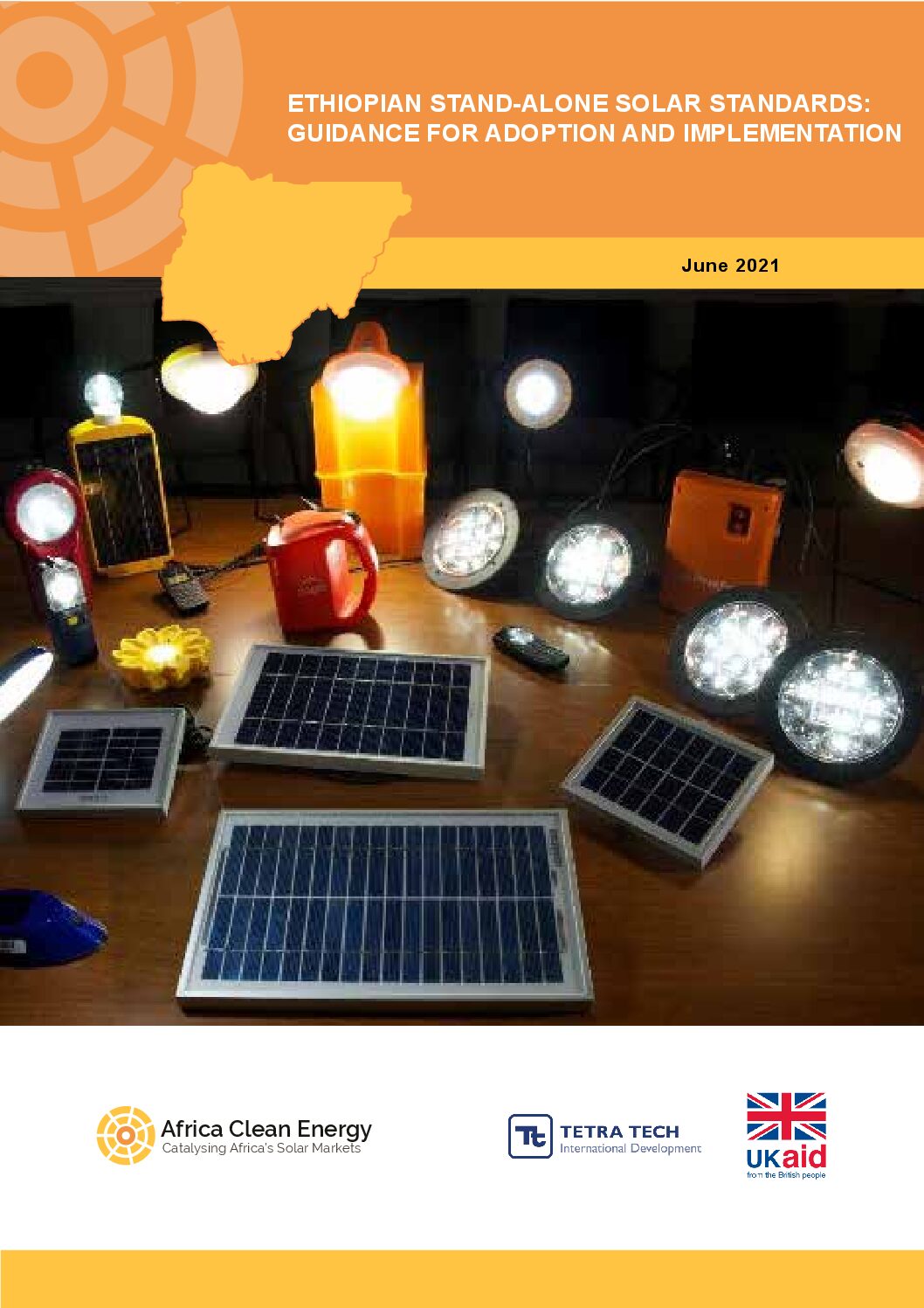
This document provides recommendations to guide relevant stakeholders in the development and implementation of a quality assurance (QA) framework for stand-alone solar (SAS) products in Ethiopia.
This report examines the trends of renewable energy investment and finance in Sub-Saharan Africa (Chapter 2), driven by regional and national plans, targets and strategies for the sector (Chapter 3), and the policy environment for renewables in the region (Chapter 4).
This study critically assesses the policy and regulatory frameworks for the digitalisation of energy systems in support of energy transitions in Nigeria and South Africa.
This brief discusses how African LDCs can develop industrial policies that prioritise infrastructure, clean technologies and youth employment.
This report takes stock of the latest energy trends, assesses Uganda’s energy policies and provides policy recommendations.