
The Green Steel Tracker aims to support decision makers in policy and industry, academia as well as civil society, by tracking public announcements of low-carbon investments in the steel industry and presenting them transparently in one place.
The Roadmap Planner is an interactive tool that supports decision-makers in public and private sectors to design, develop, and implement industry transition roadmaps. From the set-up and design to monitoring and evaluation, the Roadmap Planner guides users step by step through different phases of creating decarbonization roadmaps for transitioning industry sectors.
The Green Cement Technology Tracker aims to support decision-makers and experts in policy and industry, academia as well as civil society, by tracking public announcements of investments in low-carbon cement technologies and presenting them transparently in one place.
This is a database of decarbonization roadmaps for heavy industry sectors from around the world.
This study examines the integration of AI into energy management processes in industrial facilities and the advantages it provides.
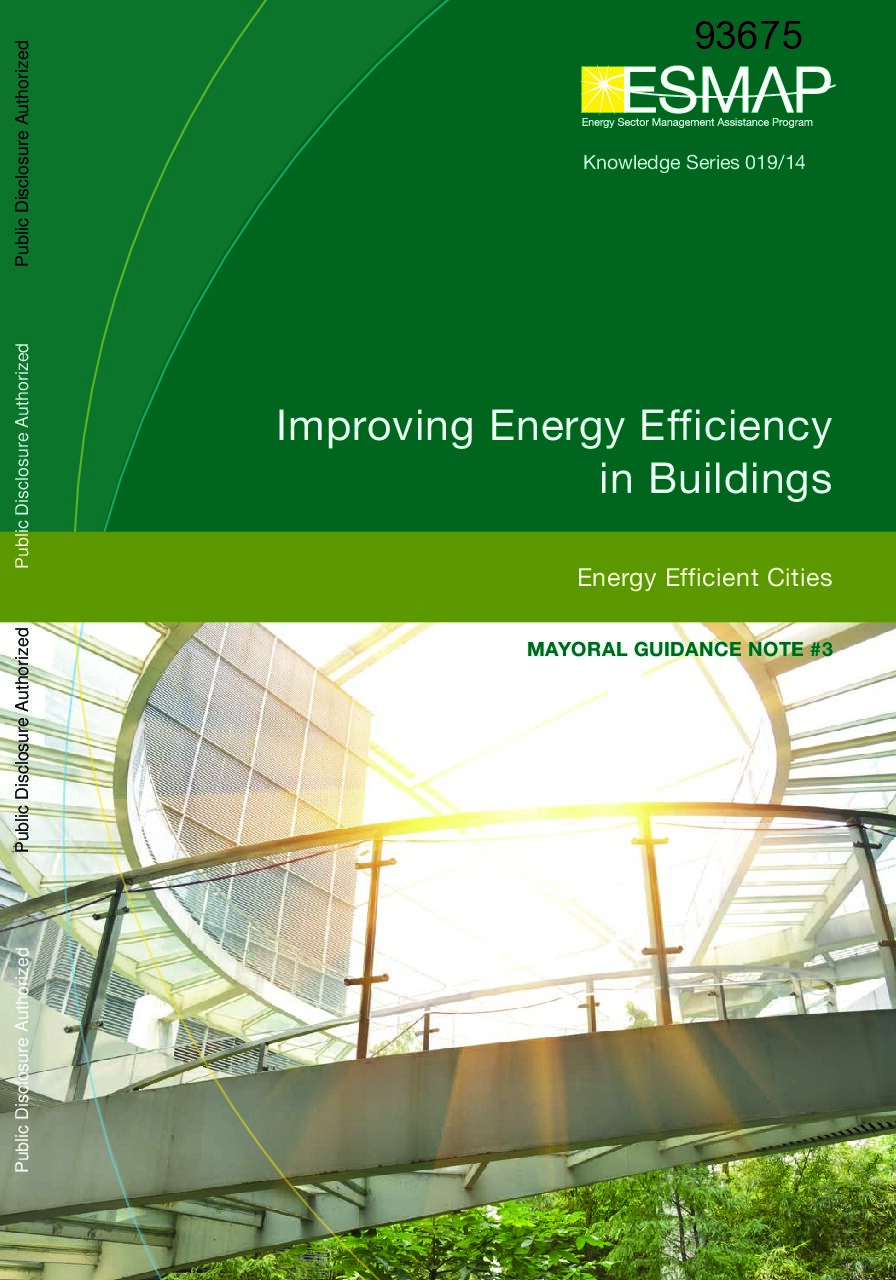
This guidance note outlines how cities can tap into a wide array of proven technologies, policies, and financing mechanisms to improve energy efficiency and capture cost-effective energy savings in buildings.
Water infrastructure is among the biggest users of electricity in many municipalities. This policy brief makes recommendations to government (national, provincial and local) for cleaner energy (renewable energy and energy efficiency) policies related to municipal waterworks and their operations.
This step-by-step guide suggests the key elements that municipal officials need to consider to implement clean energy/energy efficiency projects in waterworks or other municipal operations. It provides information on developing strategies, formulating plans, providing adequate capacity and mobilising resources for successful origination and implementation of a project.
This handbook focuses on the following supply chain challenges in clean cooking: reorienting business model priorities, modeling available supply, prioritizing new markets, and assessing value chain sustainability.
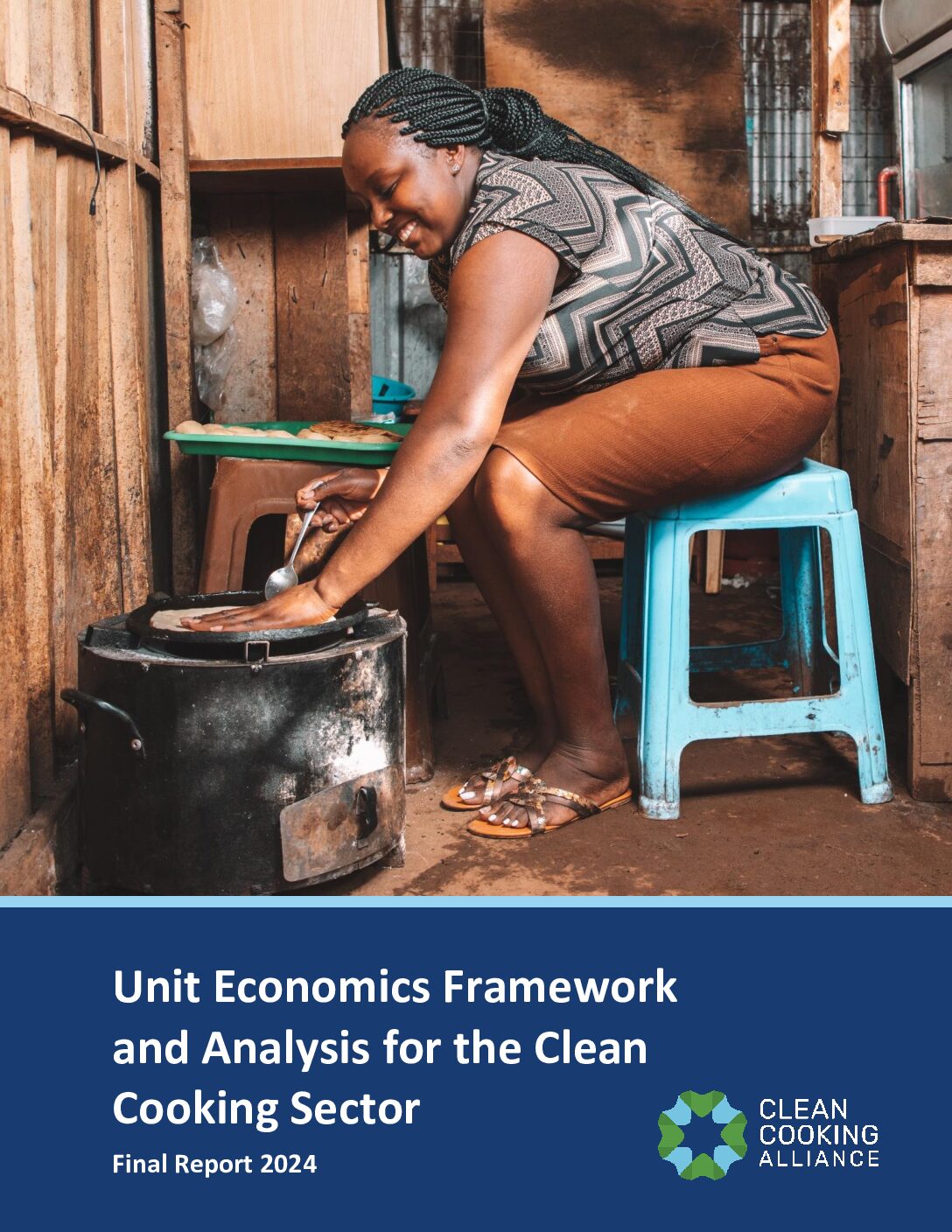
This report highlights evdience on key unit economics drivers for clean cooking, with the aim to better articulate the value of clean cooking, reduce transaction costs, support actors across the ecosystem to capitalize on commercial and impact opportunities, and ultimately unlock more investment capital for the sector.