
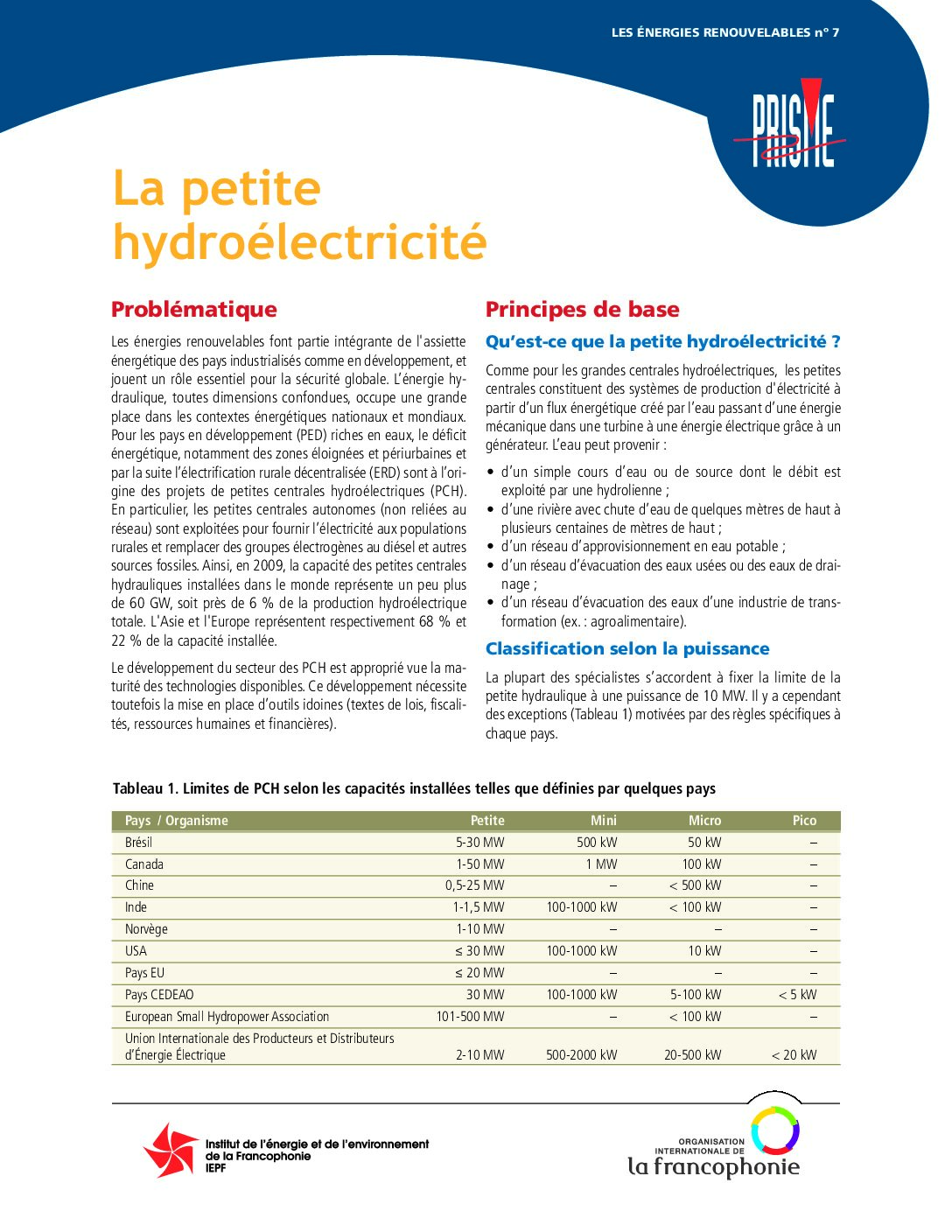
This brief provides an introduction to small hydropower generation, with information on potentials, technologies, system sizing and project design, project steps and investment needs.
This article presents the results of an analysis of Ugandan river and stream hydropower potential.
This slide deck provides a quick introduction to the Ugandan hydropower sector, including relevant actors, current projects and future potential.
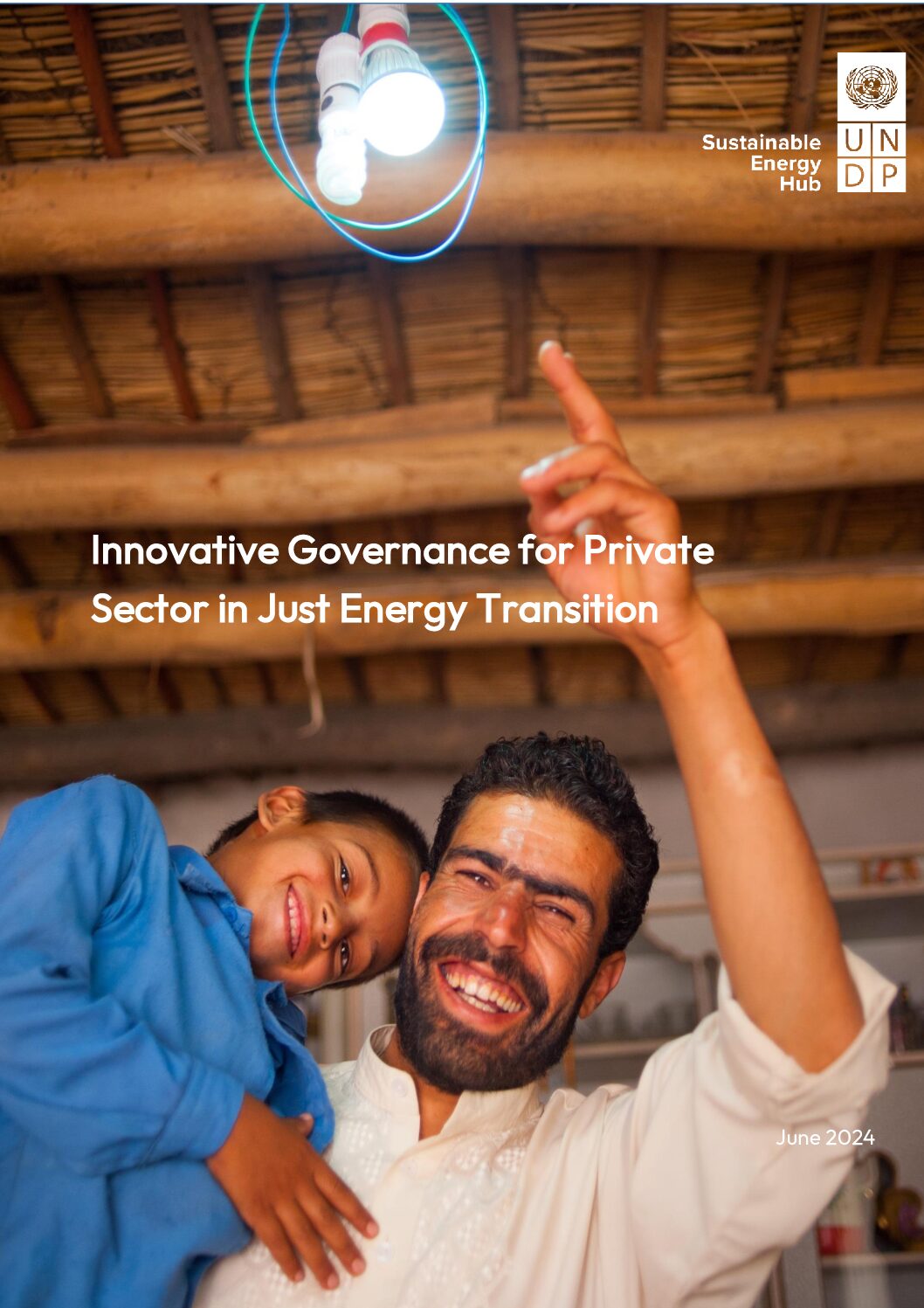
This report explores how governments can catalyze the private sector’s role in ensuring a sustainable and just energy transition.
This report draws on the experience of members of the OECD Development Assistance Committee to identify emerging trends, good practice and lessons learned in their work with the private sector to leverage private capital, expertise, core business and market-based solutions to meeting the challenge of making development sustainable.
This report aims to quantify the investments required to build modern, clean energy systems and identify the policy actions and financial instruments that can deliver a major acceleration in private capital flows for the energy transition.
This brief discusses the fundamentals of private sector engagement in development cooperation and provides good practice case studies.
This paper explains how minimum energy performance standards for buildings can be implemented effectively while remaining socially just, using a differentiated approach that carefully follows a series of design principles.
This module aims to help policymakers and regulators understand the potential benefits of and opportunities for improving the efficiency of buildings and give them a background on the key issues to be addressed when developing suitable policies and a framework for implementation.
This guidance note outlines how cities can tap into a wide array of proven technologies, policies, and financing mechanisms to improve energy efficiency and capture cost-effective energy savings in buildings.