
This web page describes different contract models that can be employed when working with ESCOs.
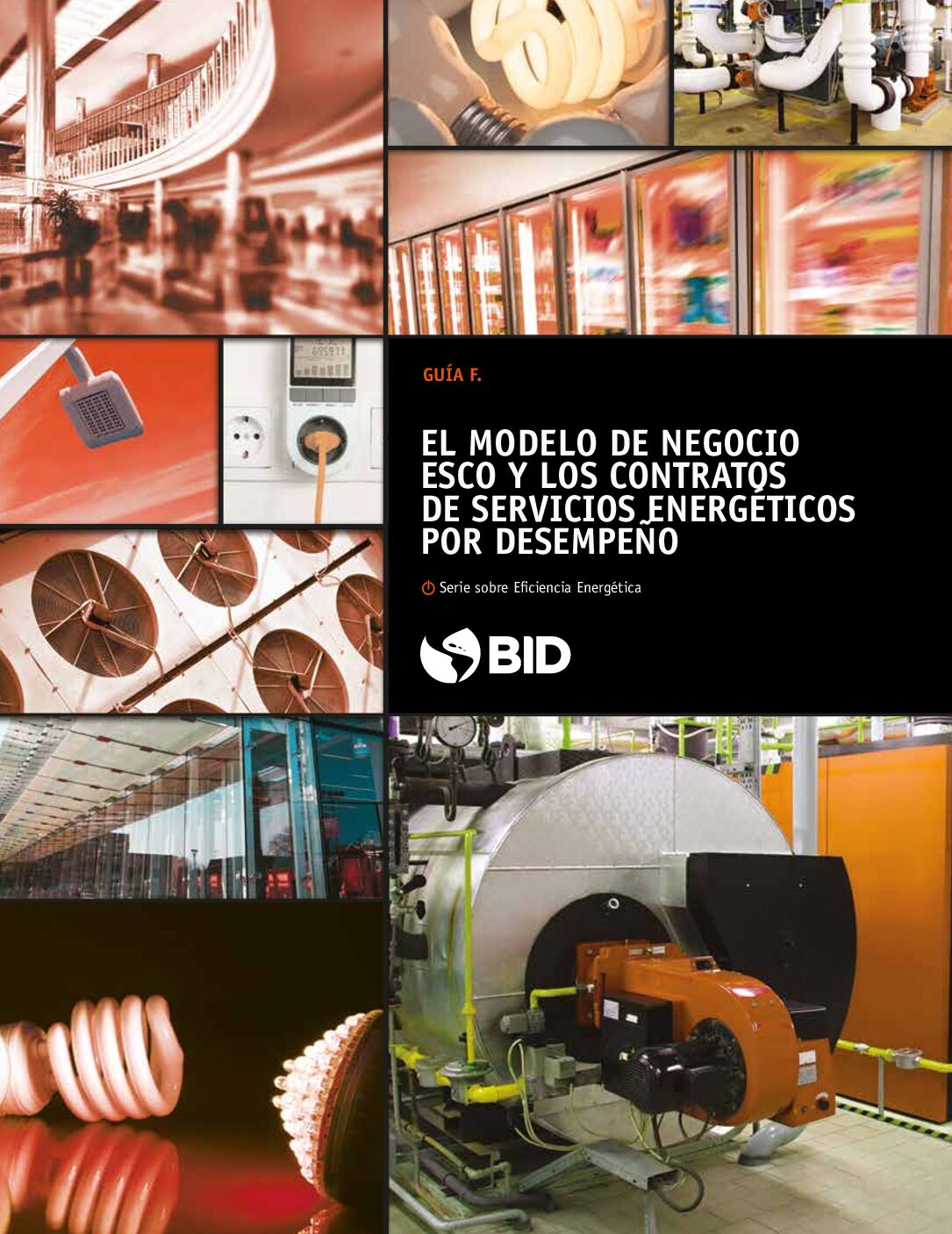
This report explains the ESCO business model and helps readers integrate ESCOs into their business planning. It also provide good practices and case studies.
The goal of this market guide is to serve as a reference document for early exploration of the market for energy service companies in Uganda (ESCOs) with a focus on energy and cost savings for agri-food processing companies.
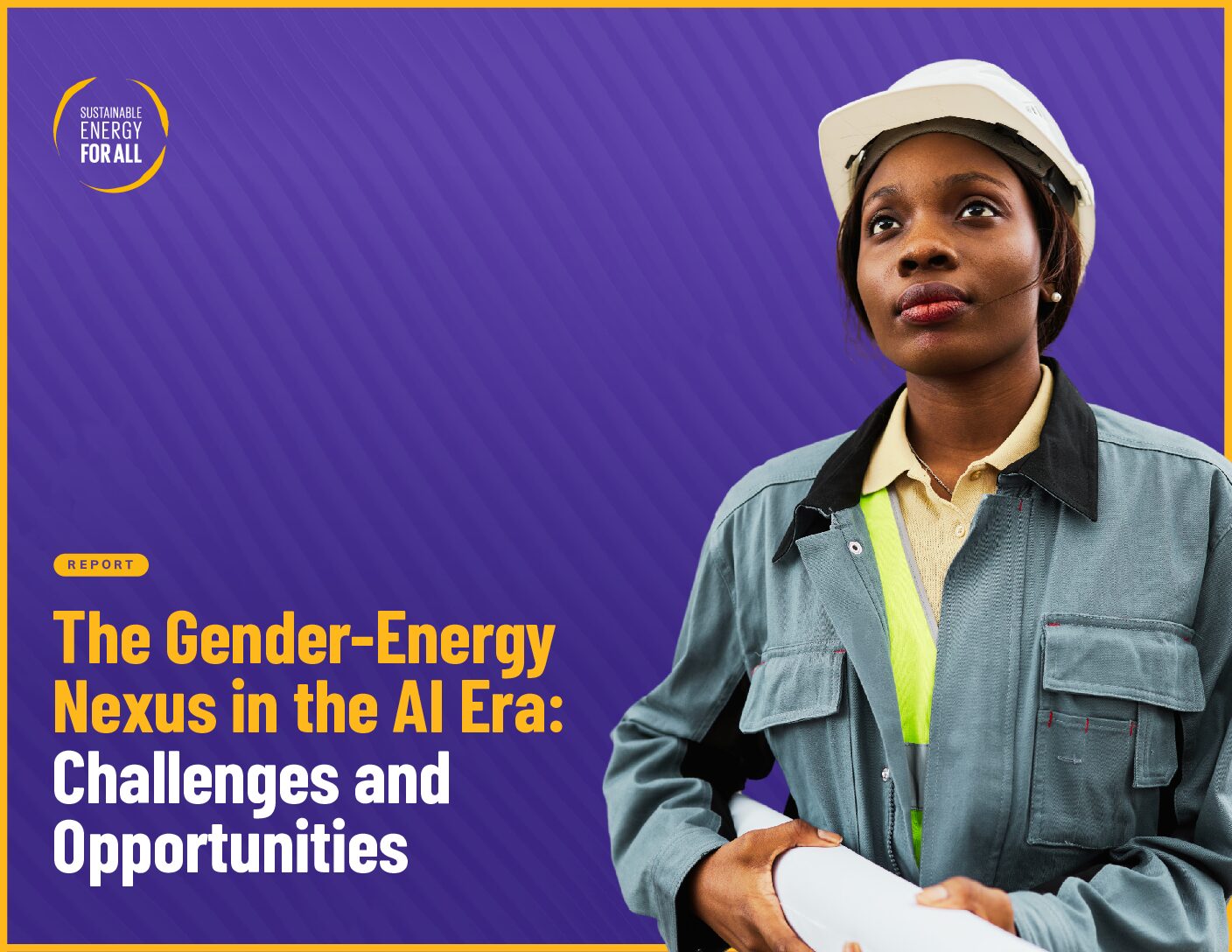
This report explores the critical intersections of AI development, gender equality and energy transitions, emphasizing how AI applications can advance a sustainable, equitable and just energy transition.
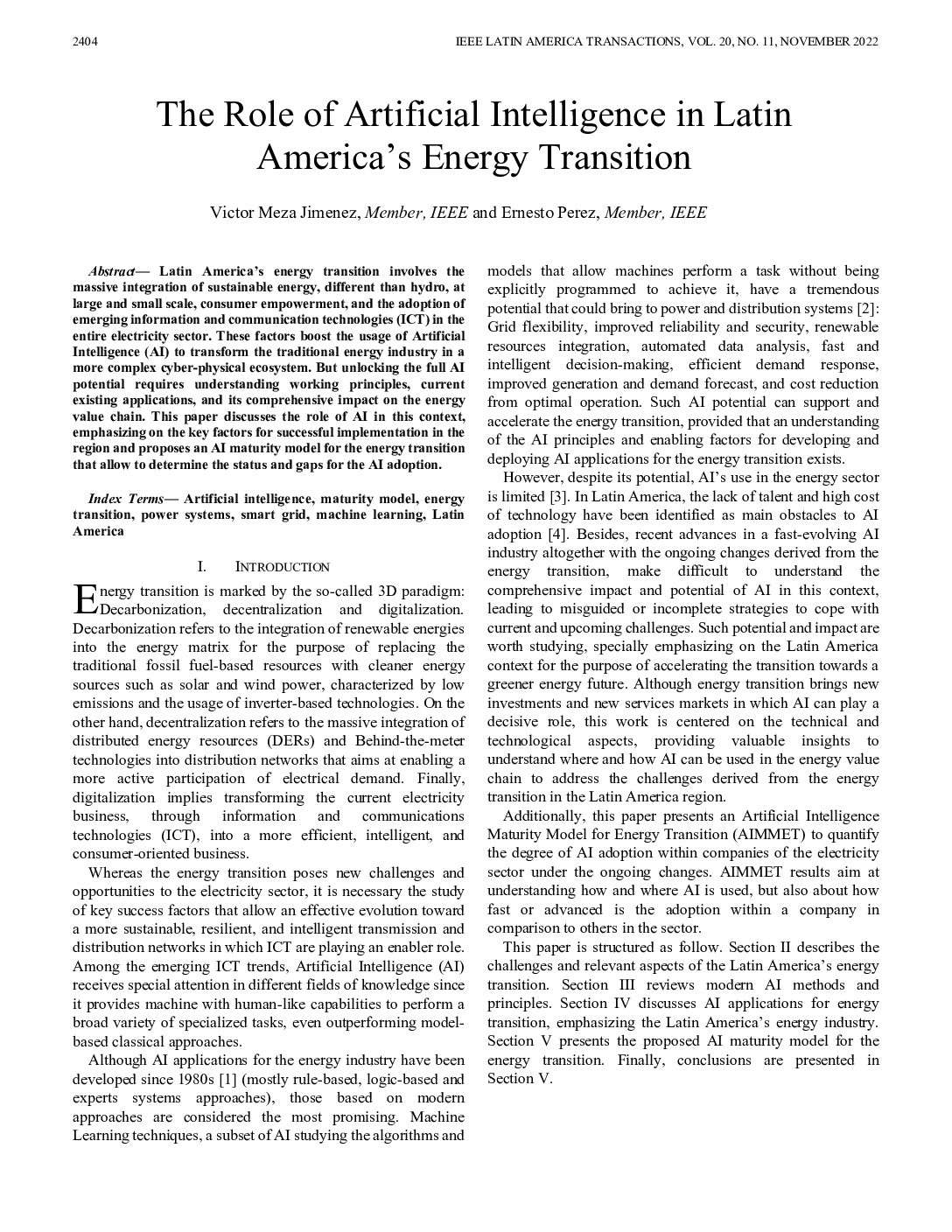
This paper discusses the role of AI in the energy transition in Latin America, identifies key factors for successful implementation in the region and proposes an AI maturity model for the energy transition that allows stakeholders to assess the status and gaps for the AI adoption.
This study examines the integration of AI into energy management processes in industrial facilities and the advantages it provides.
This database provides different dashboards presenting data on the latest investment and operational trends in clean cooking, including carbon market data and customer perceptions of clean cooking companies’ products and services.
This page presents the Principles for Responsible Carbon Finance in Clean Cooking, developed by the CCA.
This blog assesses the opportunities of carbon finance to fill financing gaps for clean cooking, and highlights the integrity, reputational and regulatory risks associated with the sale of carbon credits.

This report takes stock of the status of the voluntary carbon market for clean cooking, and identifies current trends influencing its likely direction in the next five years.