
This report identifies the main risks and barriers limiting investment in the energy transition, supplying a toolkit for policy makers, public and private investors, and public finance institutions to scale up their investments in renewable energy.
This journal article describes risks and mitigation strategies in renewable energy investment.
Derisking Renewable Energy Investment (DREI) introduces an innovative, quantitative framework to assist policymakers in developing countries to cost-effectively promote and scale-up private sector investment in renewable energy.
This guide provides an overview of aspects to consider in the development and financing of a renewable energy project, both for public of private promoters and investors. English: https://www.ecoserveis.net/wp-content/uploads/2021/05/Guide-to-Financing-of-Sustainable-Energy-Projects-2nd-edition.pdf Spanish: https://www.ecoserveis.net/wp-content/uploads/2019/04/guia-para-la-financiacion-de-proyectos-de-energia-sostenible-2a-edicion.pdf
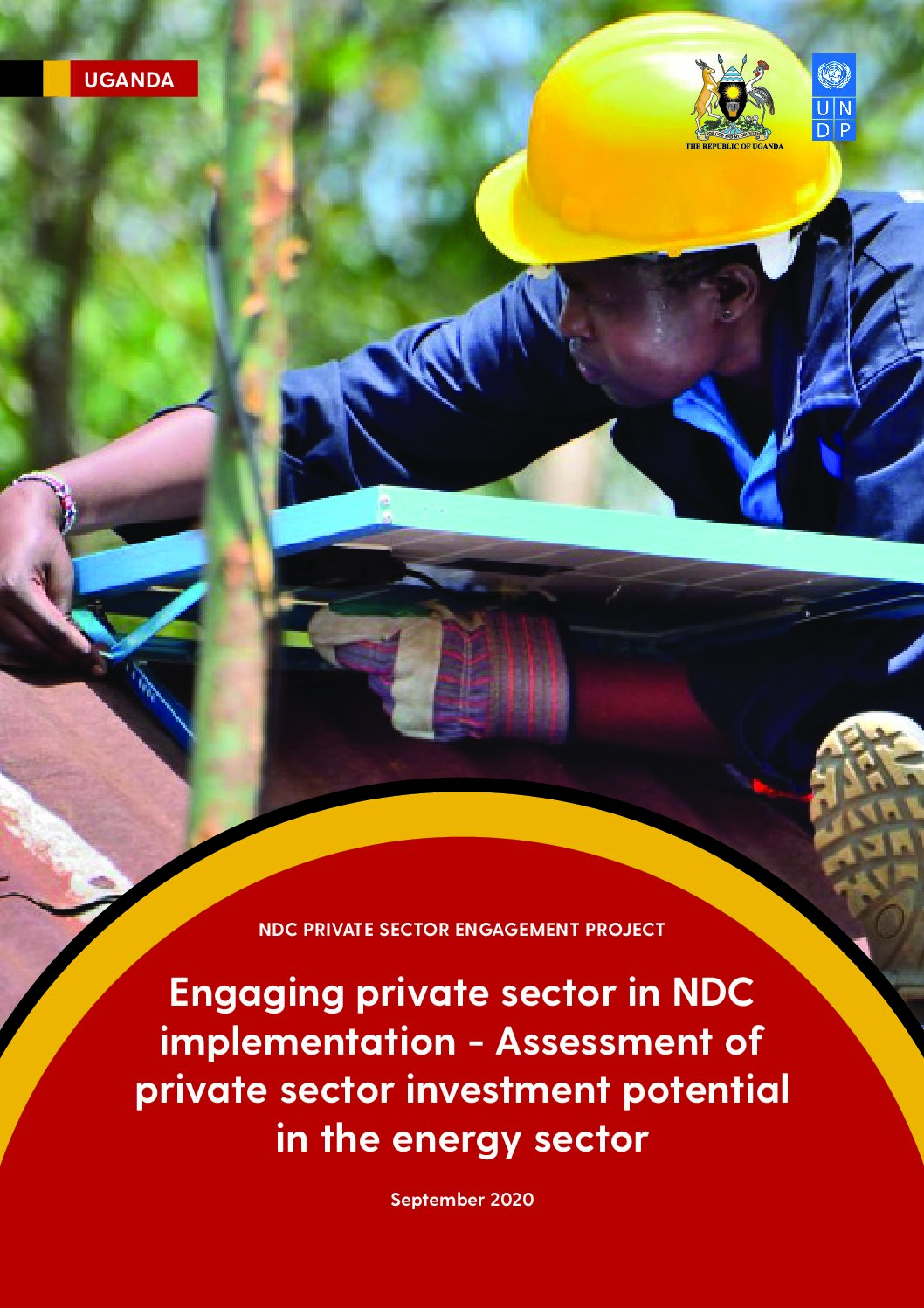
This report estimates the private sector investment potential for delivering NDC sectoral targets in Uganda’s energy sector.
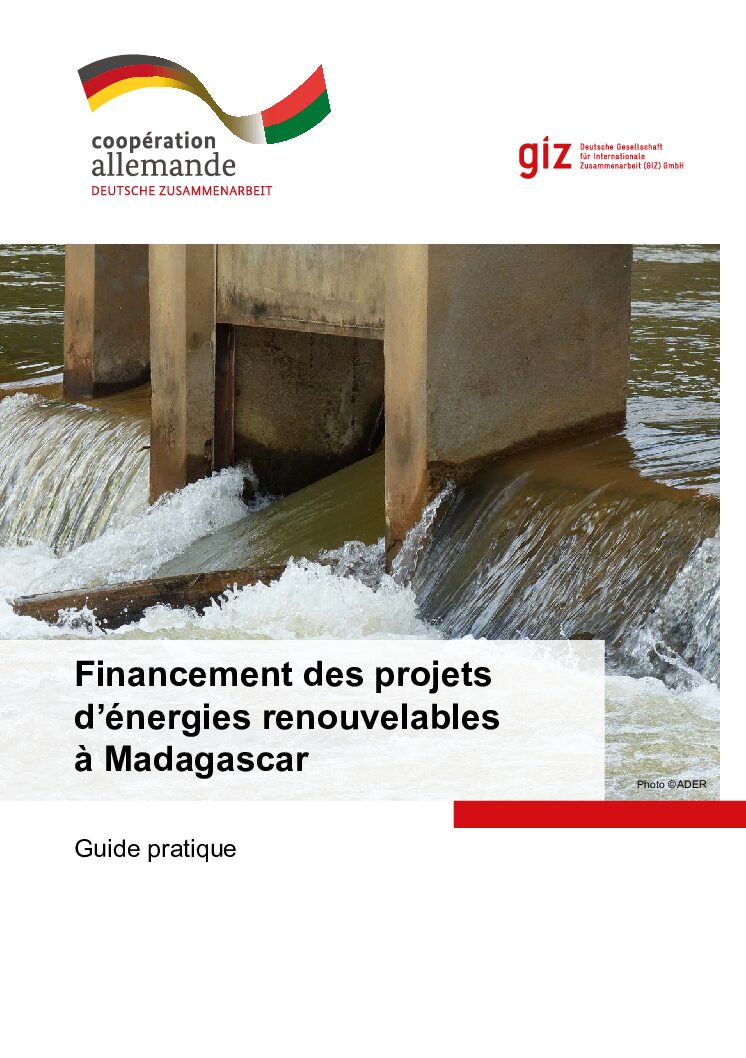
This handbook examines financing mechanisms suitable for the renewable energy access sector in Madagascar, and provides advice on preparing financing applications.
The roadmap identifies challenges hampering private sector investment in renewable energy, and proposes concrete solutions which will help Côte d’Ivoire achieve its renewable energy development target.
This brief presents the regulatory framework and country context for waste-to-energy projects in Côte d’Ivoire.
This feasibility study describes the institutional framework for waste management in Côte d’Ivoire, presents a baseline on compost and biogas value chains, and provides a feasibility assessment based on economic models.
This article describes the context, the potential and the business case for using solid municipal waste to generate energy in the city of Cochabamba in Bolivia.