
This guide provides an overview of aspects to consider in the development and financing of a renewable energy project, both for public of private promoters and investors. English: https://www.ecoserveis.net/wp-content/uploads/2021/05/Guide-to-Financing-of-Sustainable-Energy-Projects-2nd-edition.pdf Spanish: https://www.ecoserveis.net/wp-content/uploads/2019/04/guia-para-la-financiacion-de-proyectos-de-energia-sostenible-2a-edicion.pdf
This report highlights the economic, social and environmental benefits that energy and transport sector-coupling and a transition towards EV- and RE-based, efficient systems can create in small island settings, and provides tools for the planning of such a transition.
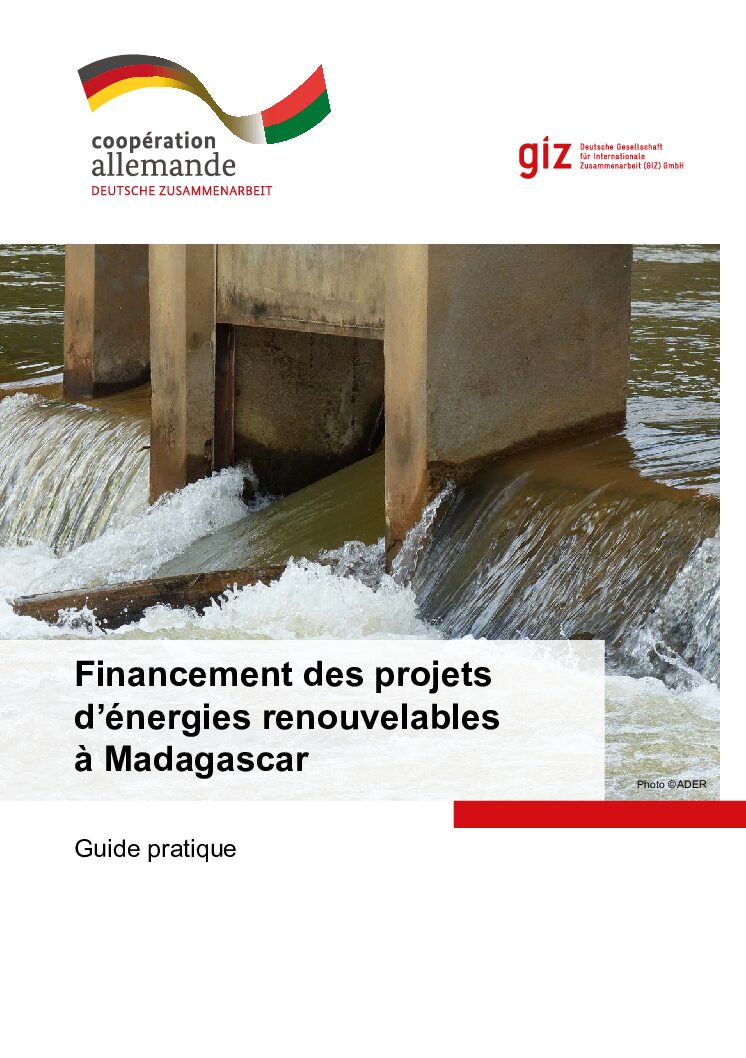
This handbook examines financing mechanisms suitable for the renewable energy access sector in Madagascar, and provides advice on preparing financing applications.
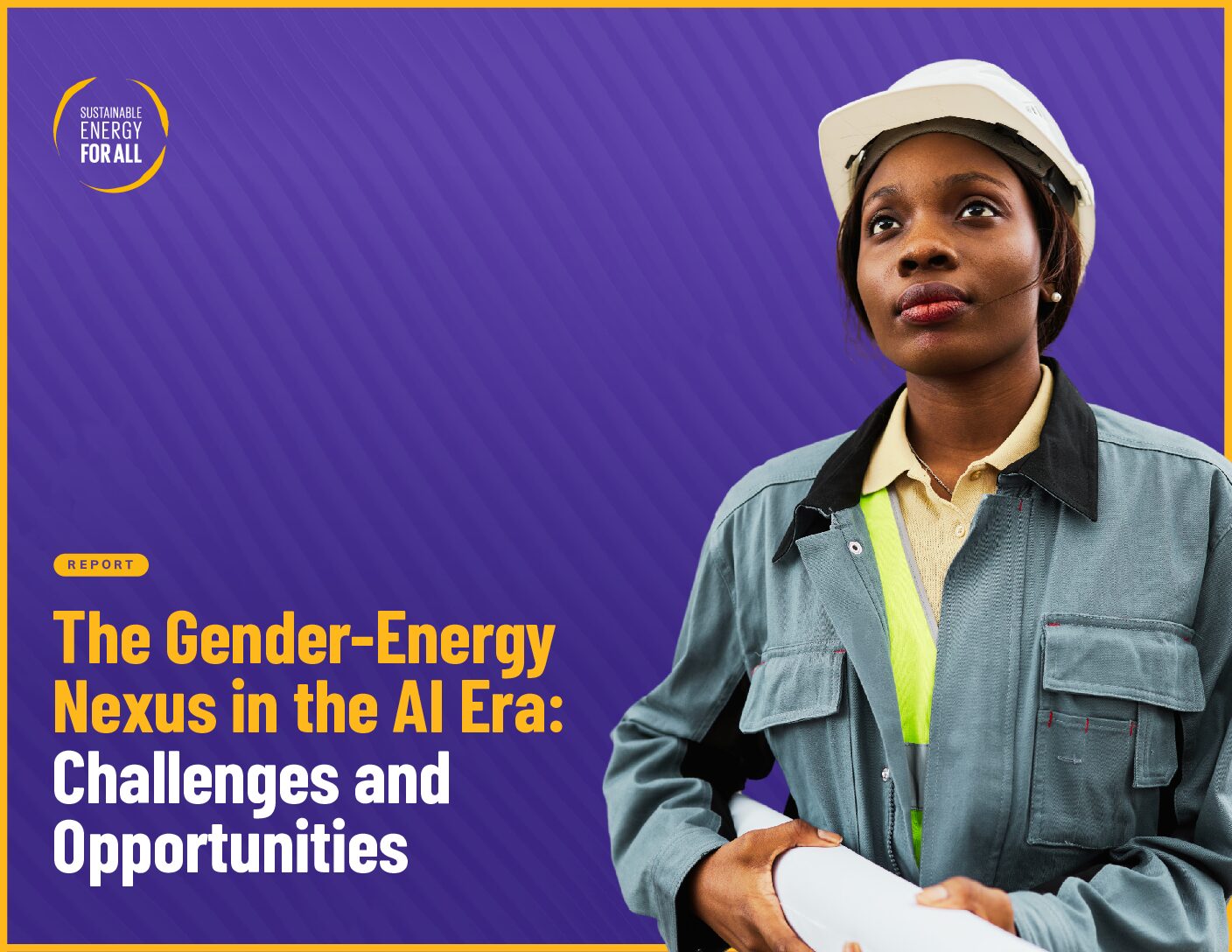
This report explores the critical intersections of AI development, gender equality and energy transitions, emphasizing how AI applications can advance a sustainable, equitable and just energy transition.
This paper discusses the role of AI in the energy transition in Latin America, identifies key factors for successful implementation in the region and proposes an AI maturity model for the energy transition that allows stakeholders to assess the status and gaps for the AI adoption.
The Breakthrough Agenda Report 2023 is an annual collaboration between the International Energy Agency (IEA), the International Renewable Energy Agency (IRENA) and the United Nations Climate Change High-Level Champions. It takes stock of emissions reductions in key energy subsectors and focuses on supporting stronger international collaboration to drive faster reductions in global greenhouse gas emissions.
The Green Cement Technology Tracker aims to support decision-makers and experts in policy and industry, academia as well as civil society, by tracking public announcements of investments in low-carbon cement technologies and presenting them transparently in one place.
This paper explains how minimum energy performance standards for buildings can be implemented effectively while remaining socially just, using a differentiated approach that carefully follows a series of design principles.
This module aims to help policymakers and regulators understand the potential benefits of and opportunities for improving the efficiency of buildings and give them a background on the key issues to be addressed when developing suitable policies and a framework for implementation.
This study examines the integration of AI into energy management processes in industrial facilities and the advantages it provides.