
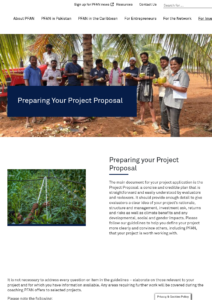
This web page provides a detailed overview of the key elements of a renewable energy business plan/project proposal.
Derisking Renewable Energy Investment (DREI) introduces an innovative, quantitative framework to assist policymakers in developing countries to cost-effectively promote and scale-up private sector investment in renewable energy.
Sustainable Energy Transitions in Uganda: Influential Determinants of the Renewable Energy Landscape
This article provides an overview of the renewable energy landscape of Uganda, discussing the interplay between policy, technology, financing and societal awareness. It provides recommendations to advance the energy transition.
This report examines the role of climate finance in Madagascar’s energy transition, and the impact that different financial instruments have on the delivery of the electrification schemes.
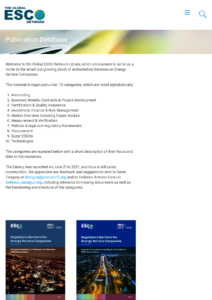
This publication database provides a range of materials about the ESCO business model, on the following topics: Accounting; Business Models, Contracts & Project Development; Certification & Quality Assurance; Investment, Finance & Risk Management; Market Overview, including Cases studies; Measurement & Verification; Policies & legal and regulatory frameworks; Procurement; Super ESCOs; and Technologies
The ESCO Model Contract Library provides a list of ESCO contracts and supporting documents provided by a variety of countries and organisations. In some cases, the resources also provide a wider set of documents related to public procurement of ESCO services.
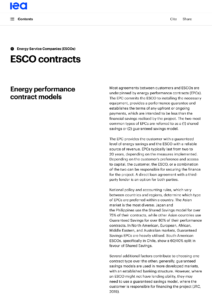
This web page describes different contract models that can be employed when working with ESCOs.
This web page describes the concept of a Super ESCO, a facility usually established by governments to play the role of a market catalyzer, kickstarting a market for ESCOs.
This article describes the context, the potential and the business case for using solid municipal waste to generate energy in the city of Cochabamba in Bolivia.
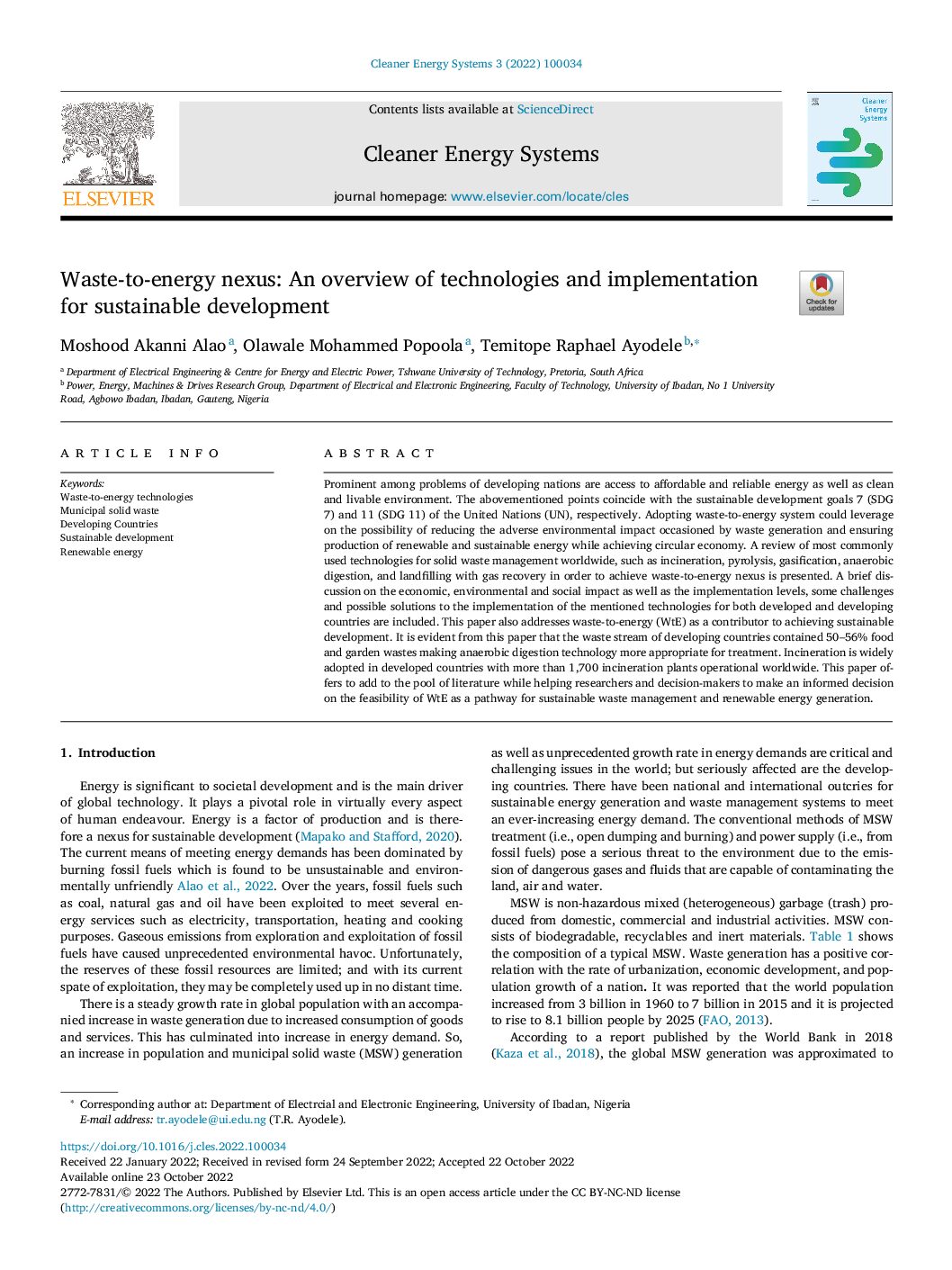
This paper gives an overview of waste to energy technologies, discusses barriers to its wider adoption in developing countries, and helps researchers and decision-makers to make informed decisions on the feasibility of WtE as a pathway for sustainable waste management and renewable energy generation.