
This blog article provides a quick introduction to energy management systems.
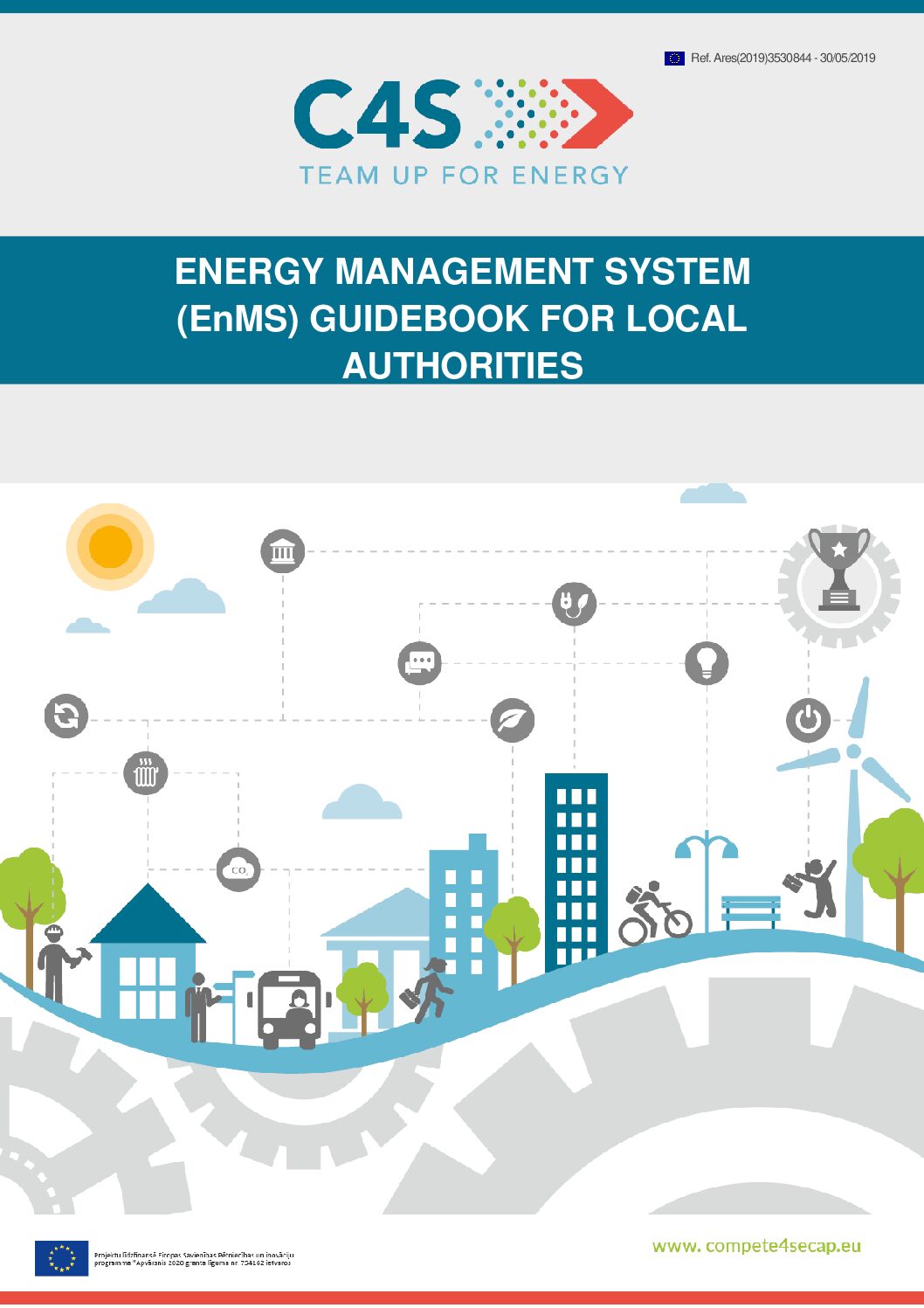
The is a guide for local authorities interested in implementing an EnMS and steers them through a step-by-step approach to: know and understand the ISO 50001 methodology; build a working group within the local authority; define the local authority’s energy policy; correctly share roles and responsibilities among local authority staff; motivate and incentivize politicians and … Continue reading “Energy Management System (EnMS) Guidebook for Local Authorities”
This study examines the integration of AI into energy management processes in industrial facilities and the advantages it provides.
This paper explains how minimum energy performance standards for buildings can be implemented effectively while remaining socially just, using a differentiated approach that carefully follows a series of design principles.
This module aims to help policymakers and regulators understand the potential benefits of and opportunities for improving the efficiency of buildings and give them a background on the key issues to be addressed when developing suitable policies and a framework for implementation.
This report delves into the challenges, opportunities, and innovations shaping the future of the steel industry as the global transition to a low-carbon economy accelerates.
The Breakthrough Agenda Report 2023 is an annual collaboration between the International Energy Agency (IEA), the International Renewable Energy Agency (IRENA) and the United Nations Climate Change High-Level Champions. It takes stock of emissions reductions in key energy subsectors and focuses on supporting stronger international collaboration to drive faster reductions in global greenhouse gas emissions.
This training platform offers two modules which aim to build the capacity of relevant stakeholders to kick-start markets for efficient lighting and appliances in East and Southern Africa. Module 1 introduces markets for efficient lighting and appliances, and Module 2 focuses on lighting.
This guidance note outlines how cities can tap into a wide array of proven technologies, policies, and financing mechanisms to improve energy efficiency and capture cost-effective energy savings in buildings.
Water infrastructure is among the biggest users of electricity in many municipalities. This policy brief makes recommendations to government (national, provincial and local) for cleaner energy (renewable energy and energy efficiency) policies related to municipal waterworks and their operations.