
This web portal provides an extensive introduction into the Bolivian renewable energy sector, policy, financing and more.
This report presents the experiences of competitive processes for the incorporation of non-conventional renewable energies in LAC, especially solar PV and wind energy. It provides an analysis of the strategies and structures that have been used, the legal frameworks that enabled them and a database of outcomes.
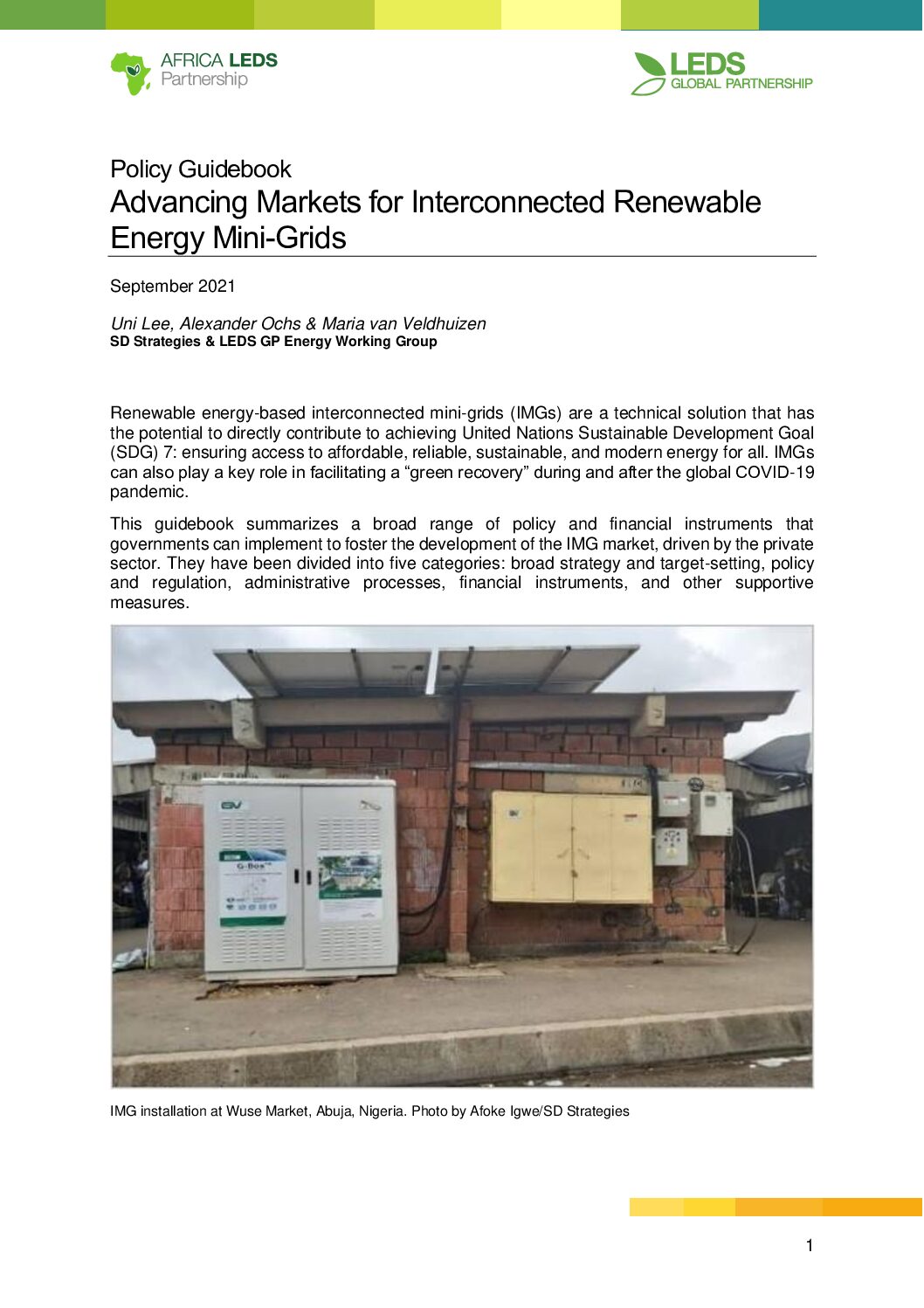
This guidebook summarizes a broad range of policy and financial instruments that governments can implement to foster the development of the interconnected mini-grid market, driven by the private sector.
This report identifies and analyses key risks and barriers to private-sector investment in interconnected mini-grids in Nigeria, and evaluates policy and financial instruments designed to address them.
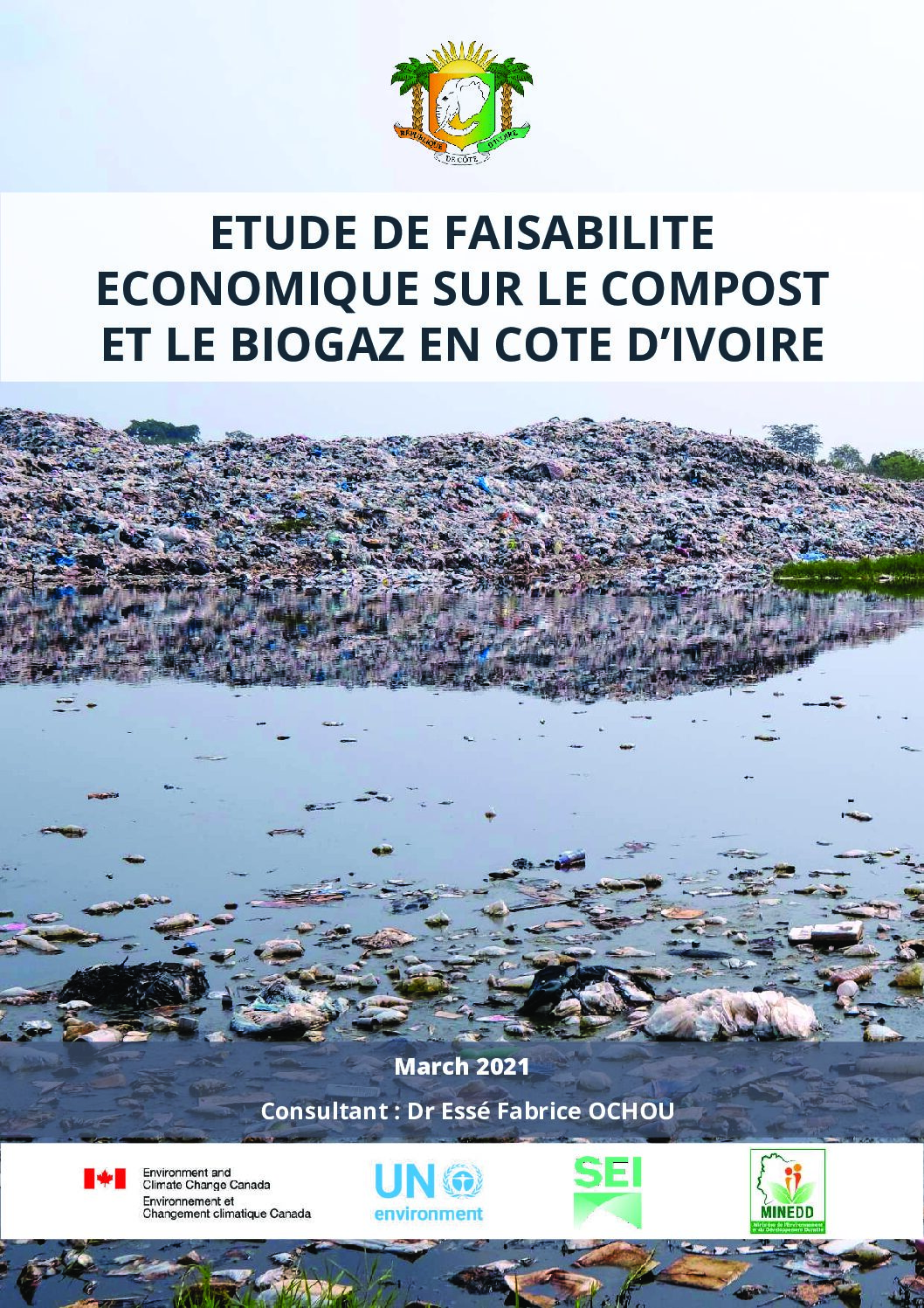
This feasibility study describes the institutional framework for waste management in Côte d’Ivoire, presents a baseline on compost and biogas value chains, and provides a feasibility assessment based on economic models.
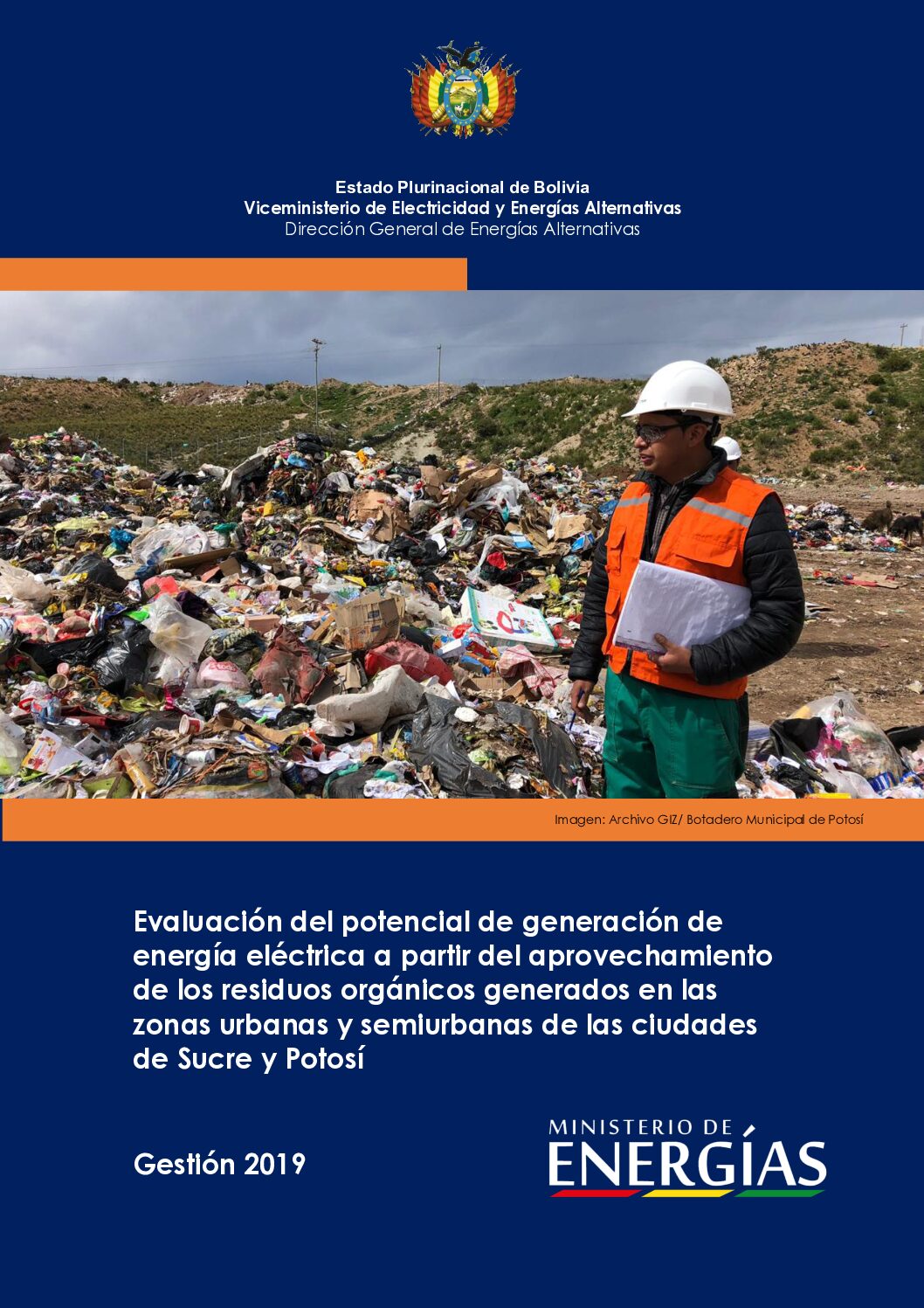
This study quantifies the potential of producing biogas based on organic waste in two municipalities in Bolivia.
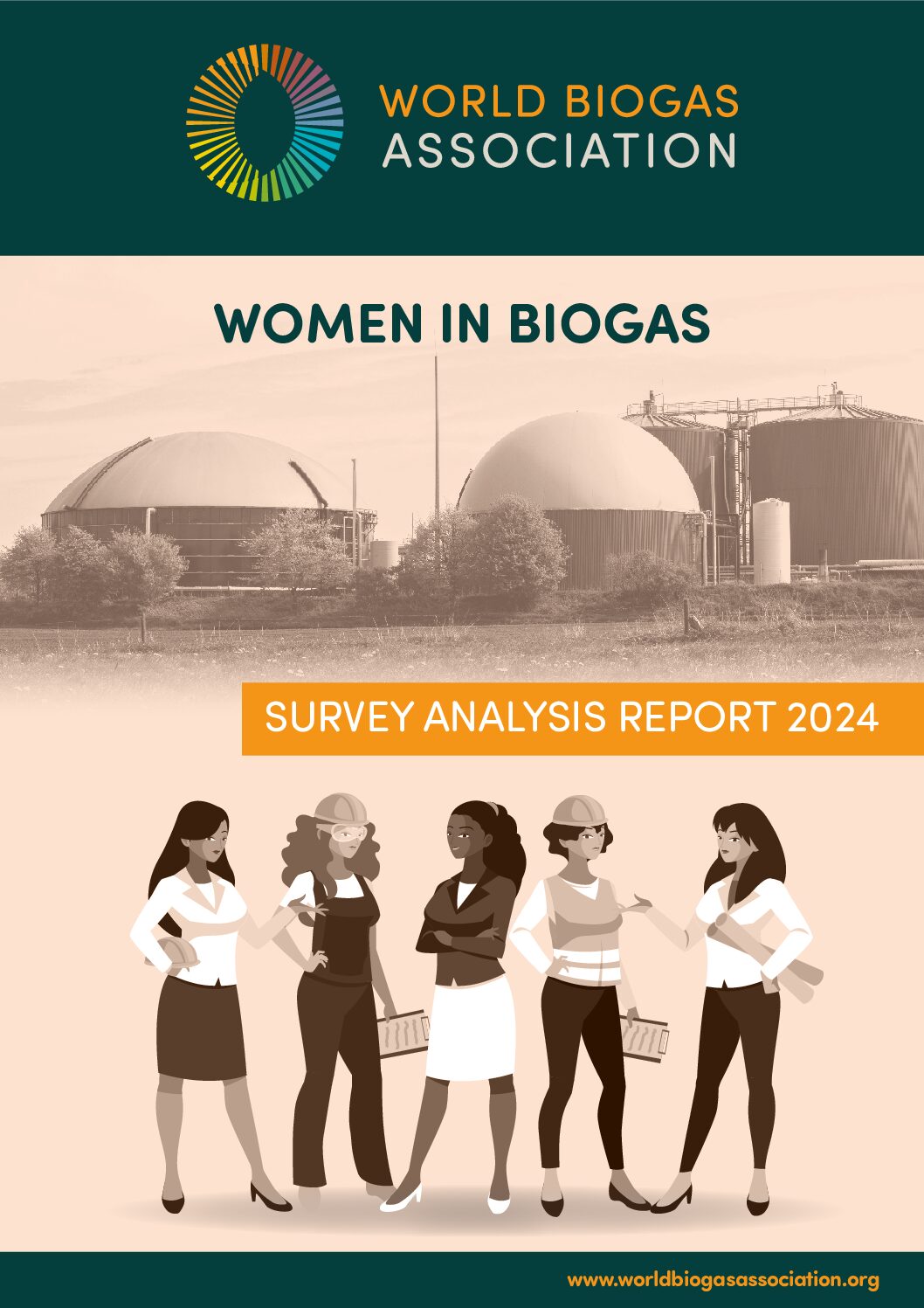
This report presents the results of a survey undertaken to investigate the current status of gender equality in the biogas sector, and compares these with a baseline survey conducted in 2012.
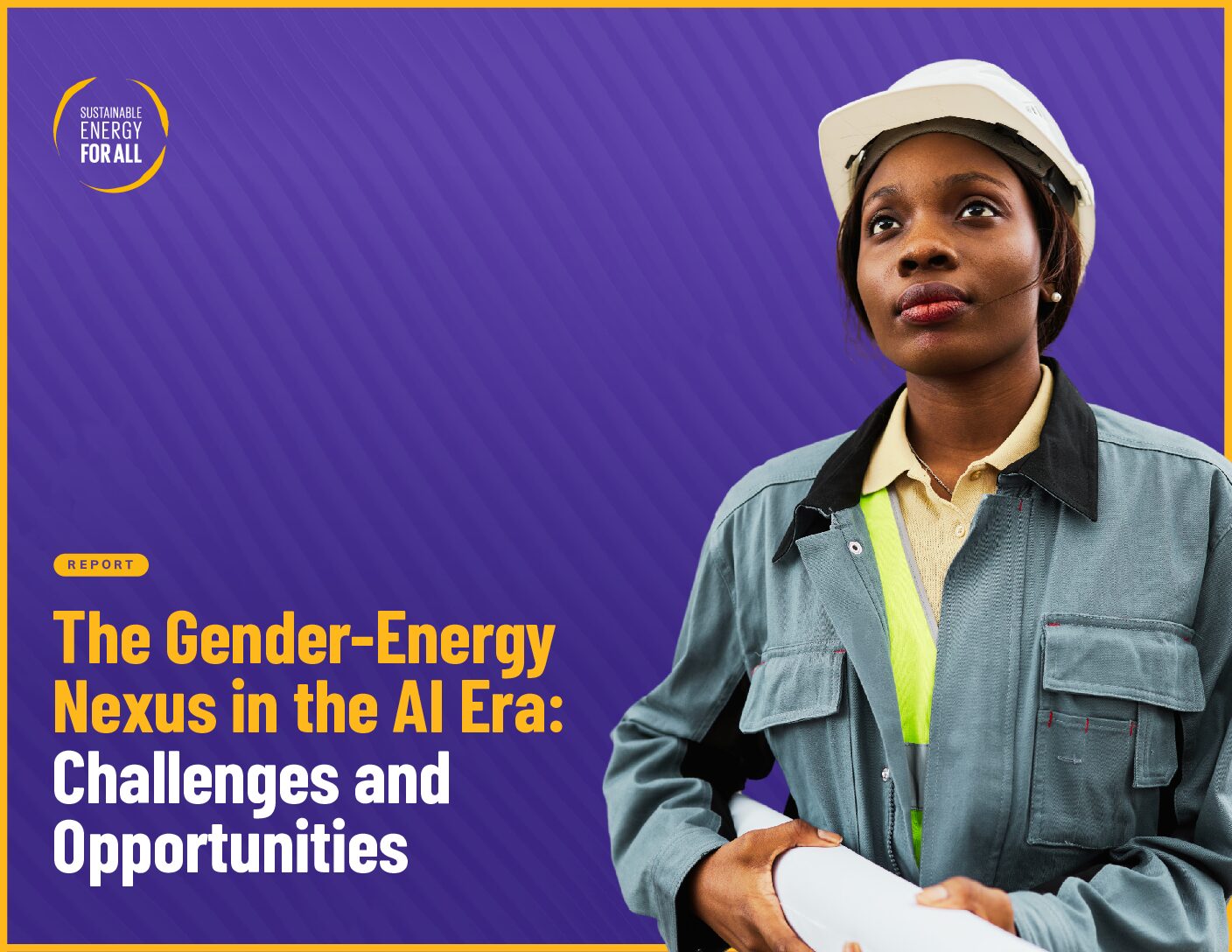
This report explores the critical intersections of AI development, gender equality and energy transitions, emphasizing how AI applications can advance a sustainable, equitable and just energy transition.
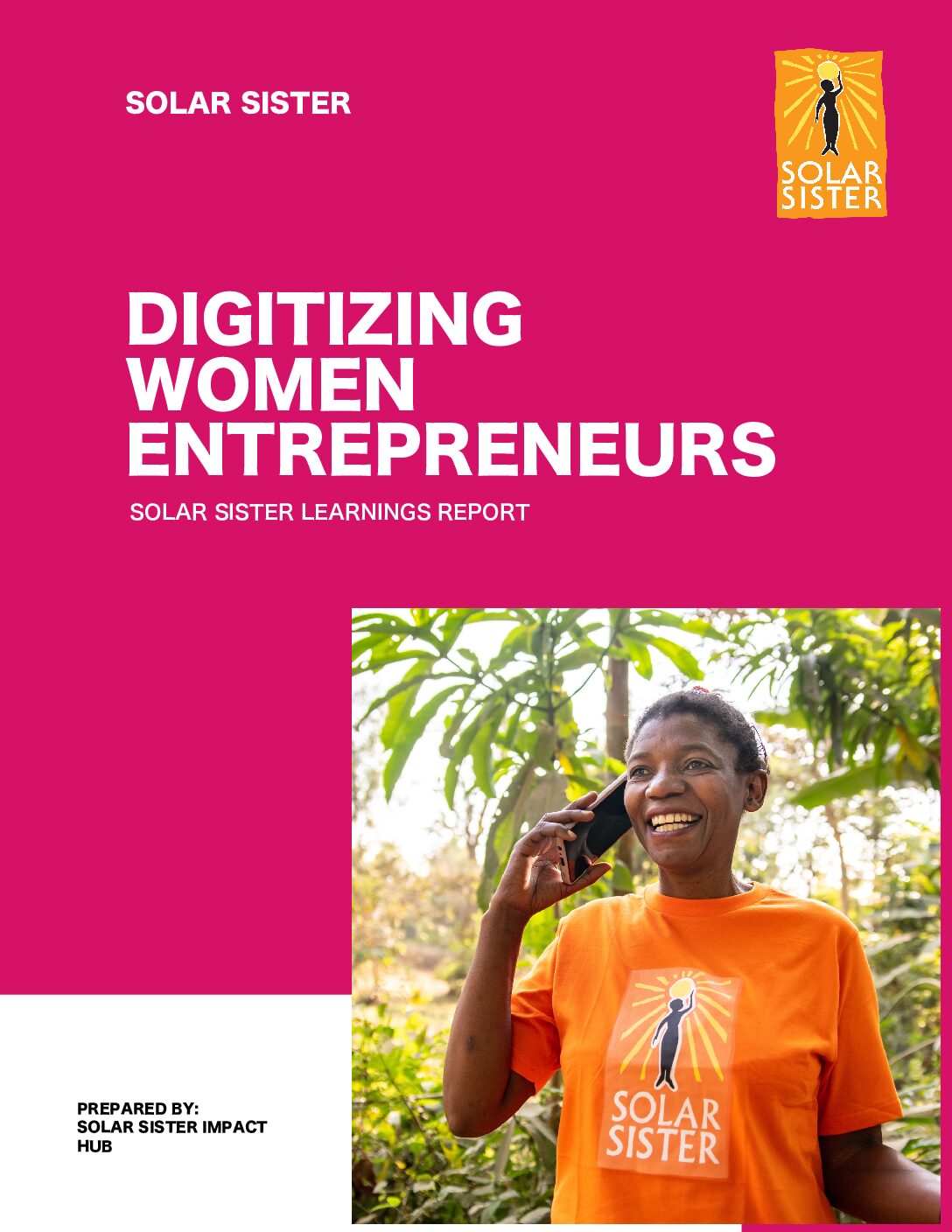
This report provides an outline of Solar Sister’s efforts to empower women energy entrepreneurs through digital technology, key learnings from our pilot efforts, and recommendations for the path forward.
This page explains the role of digitalisation in energy transitions, tracks digitalisation progress, and provides policy recommendations.