
This action plan, developed with support from SEforALL and ECREEE, lays out the energy access strategy of Côte d’Ivoire for 2016-2020/2030. It includes extensive background and context as well as information on strategic priorities and measures to promote these.
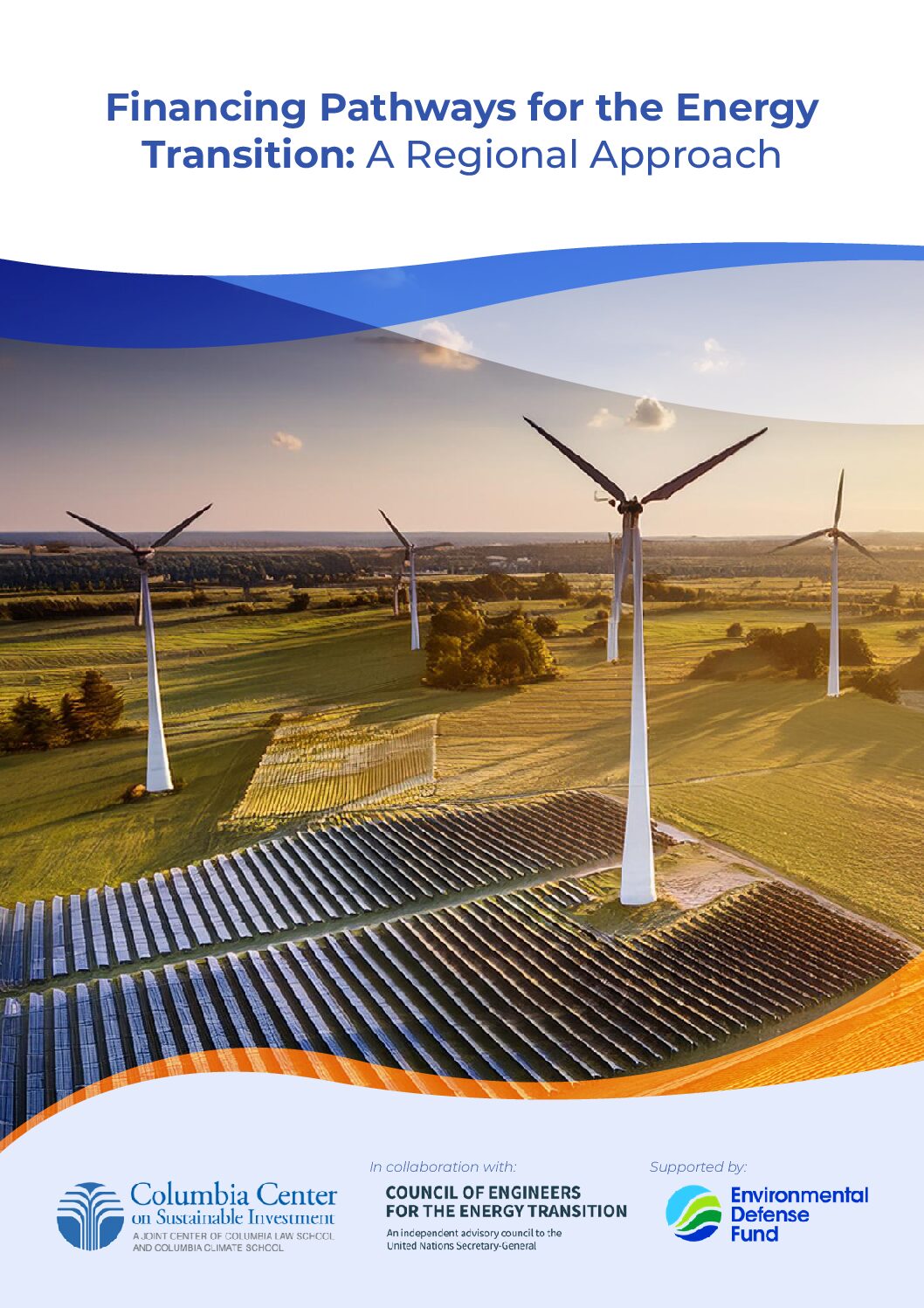
This report highlights the main challenges and opportunities in energy transition financing from a regional perspective, highlighting commonalities and differences across Africa, Asia and the Pacific (APAC), Europe, and Latin America and the Caribbean (LAC).
This report highlights the economic, social and environmental benefits that energy and transport sector-coupling and a transition towards EV- and RE-based, efficient systems can create in small island settings, and provides tools for the planning of such a transition.

This report aims to support state-level leadership and action in pursuit of the just energy transition in Mexico, by providing a rationale for state-level action, an overview of international good practices, an analysis of challenges and opportunities, and a toolkit of energy transition measures that states can consider adopting.
This report examines the role of climate finance in Madagascar’s energy transition, and the impact that different financial instruments have on the delivery of the electrification schemes.
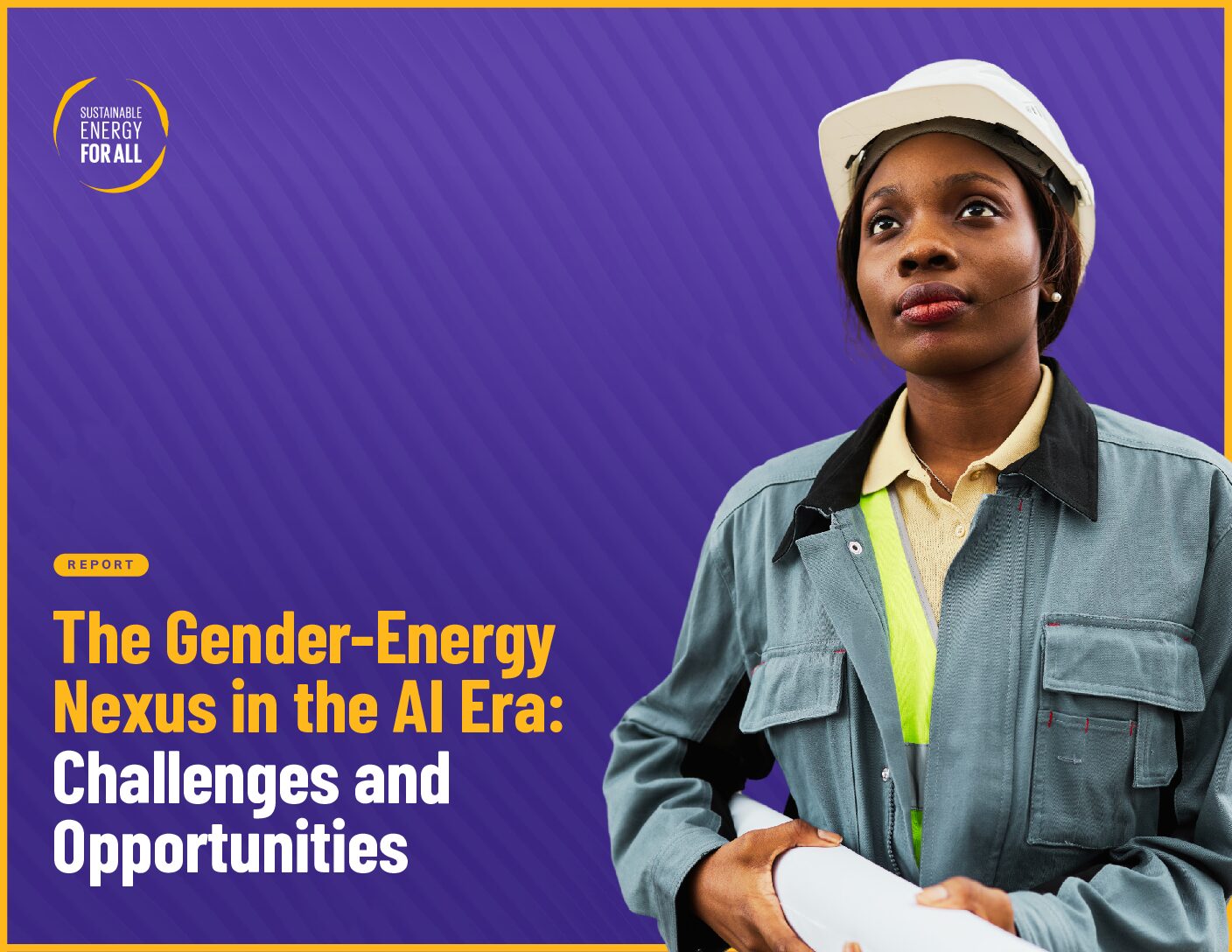
This report explores the critical intersections of AI development, gender equality and energy transitions, emphasizing how AI applications can advance a sustainable, equitable and just energy transition.
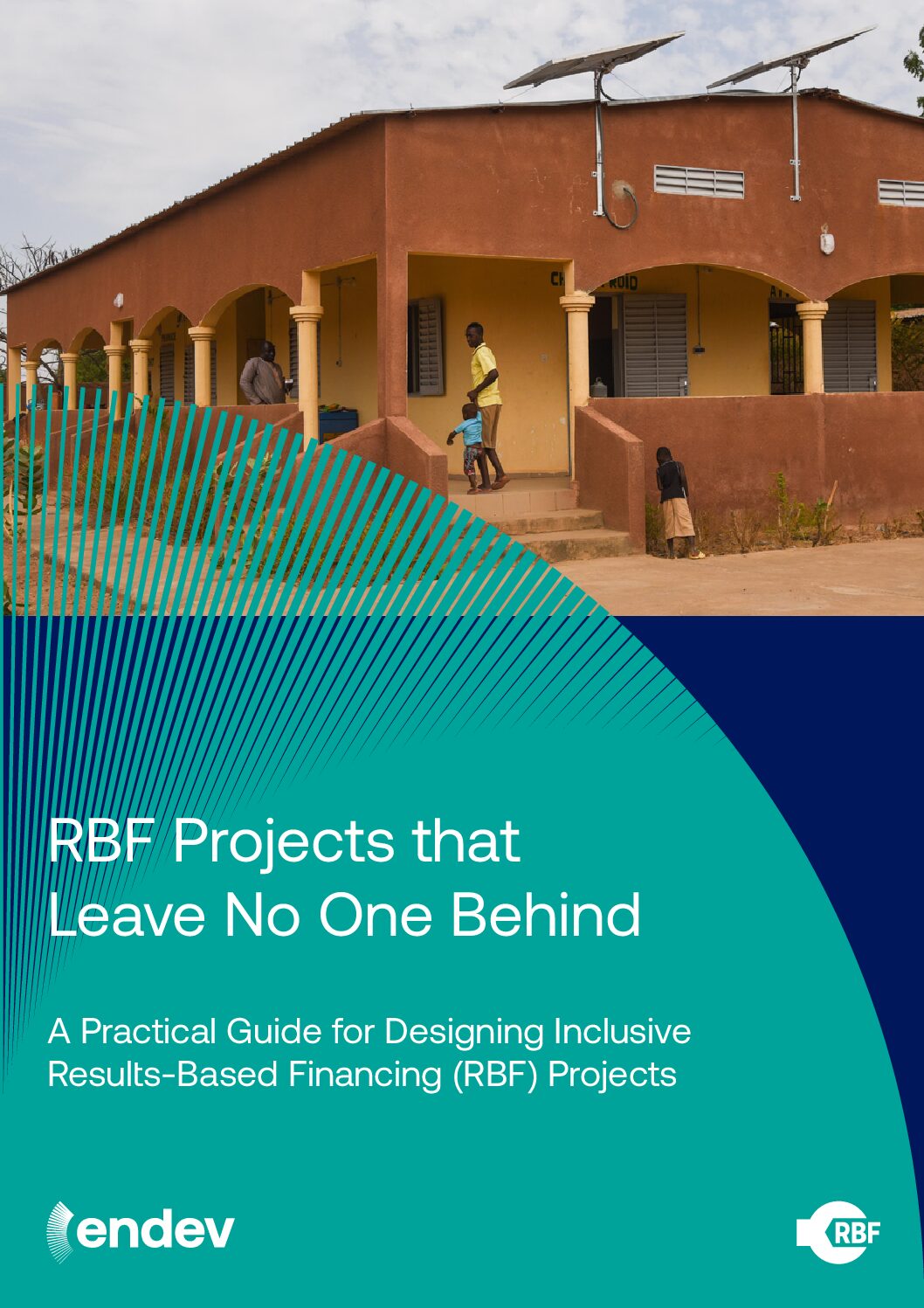
This guide provides insights on planning and implementing RBF projects to advance energy access that consider various LNOB aspects, including gender.
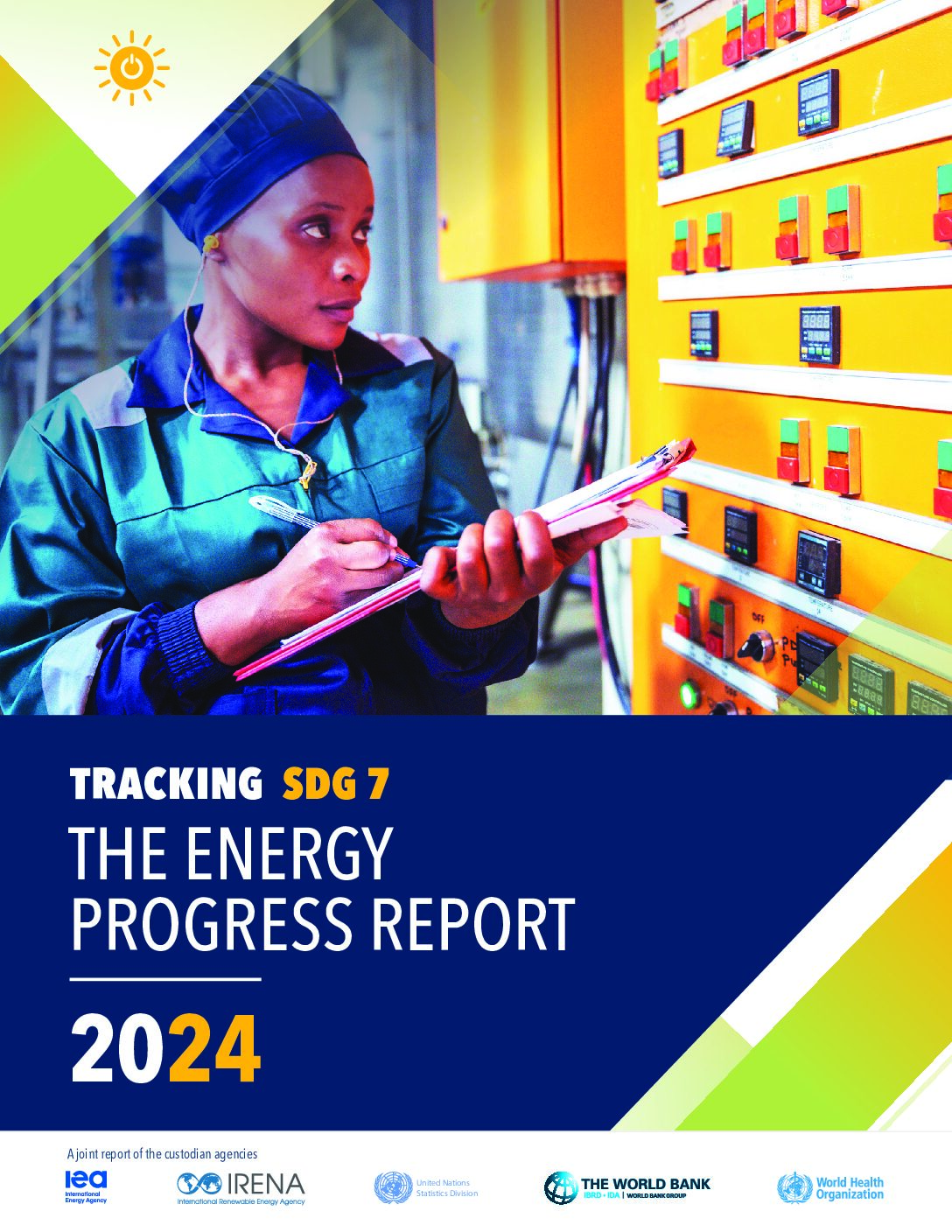
This annually published report provides information on progress towards the achievement of SDG 7: Access to affordable, reliable, sustainable and modern energy for all.
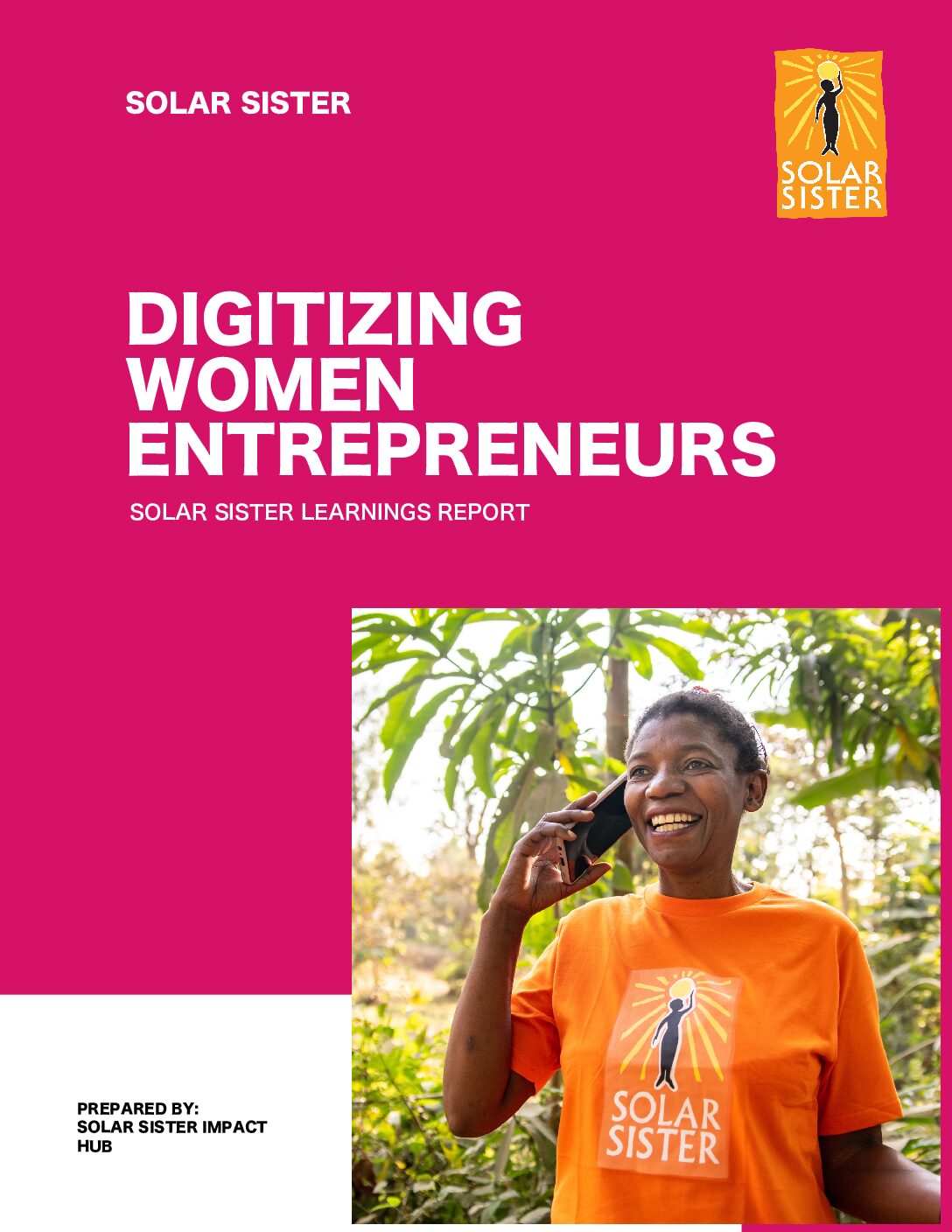
This report provides an outline of Solar Sister’s efforts to empower women energy entrepreneurs through digital technology, key learnings from our pilot efforts, and recommendations for the path forward.
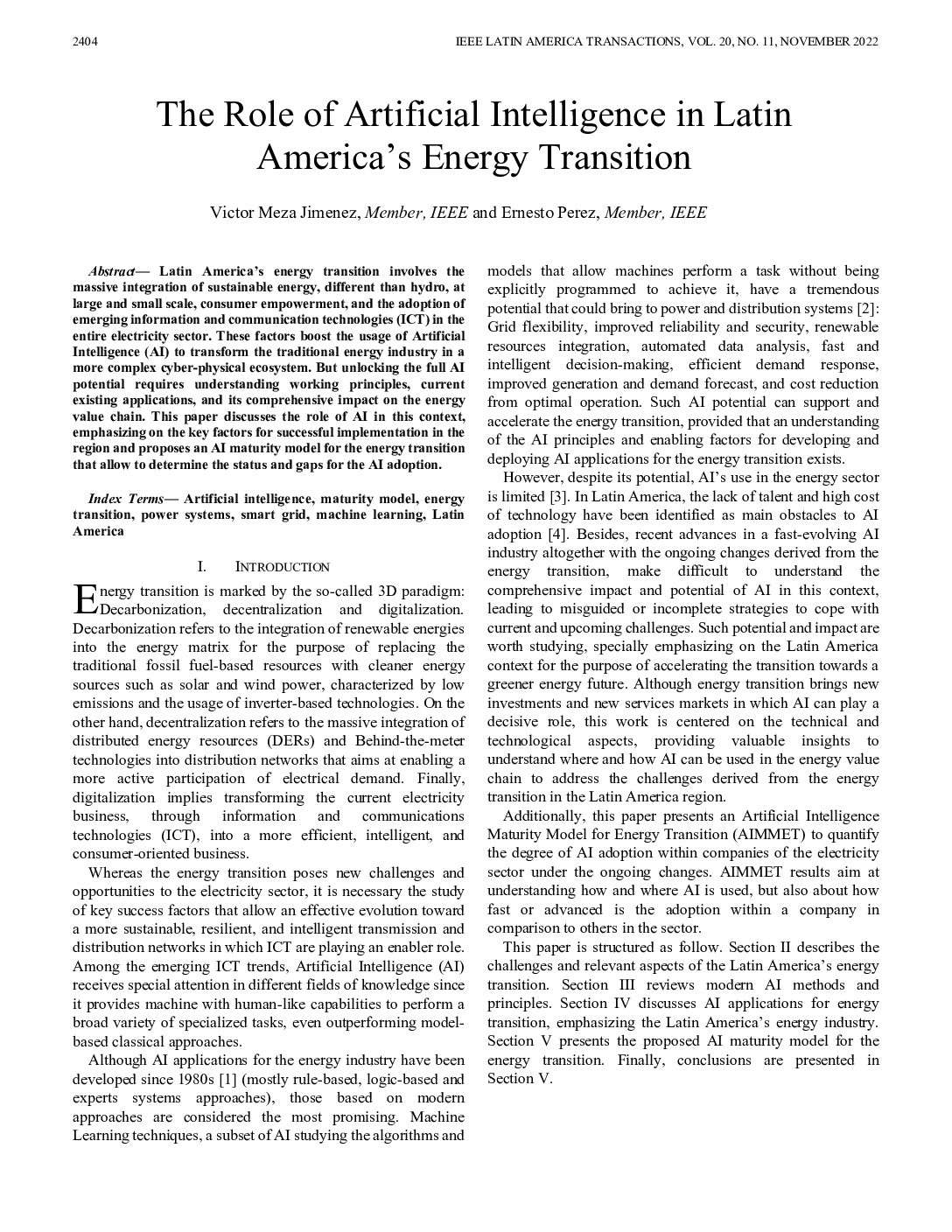
This paper discusses the role of AI in the energy transition in Latin America, identifies key factors for successful implementation in the region and proposes an AI maturity model for the energy transition that allows stakeholders to assess the status and gaps for the AI adoption.