
This report explores ways to identify and mitigate energy transition investment risks in the low- and middle-income countries, pointing out 1) that better energy planning can attract greater investment in renewable energy, 2) that sustainable fuels will play an important role in delivering the energy transition, and 3) that the social dimensions of the transition […]
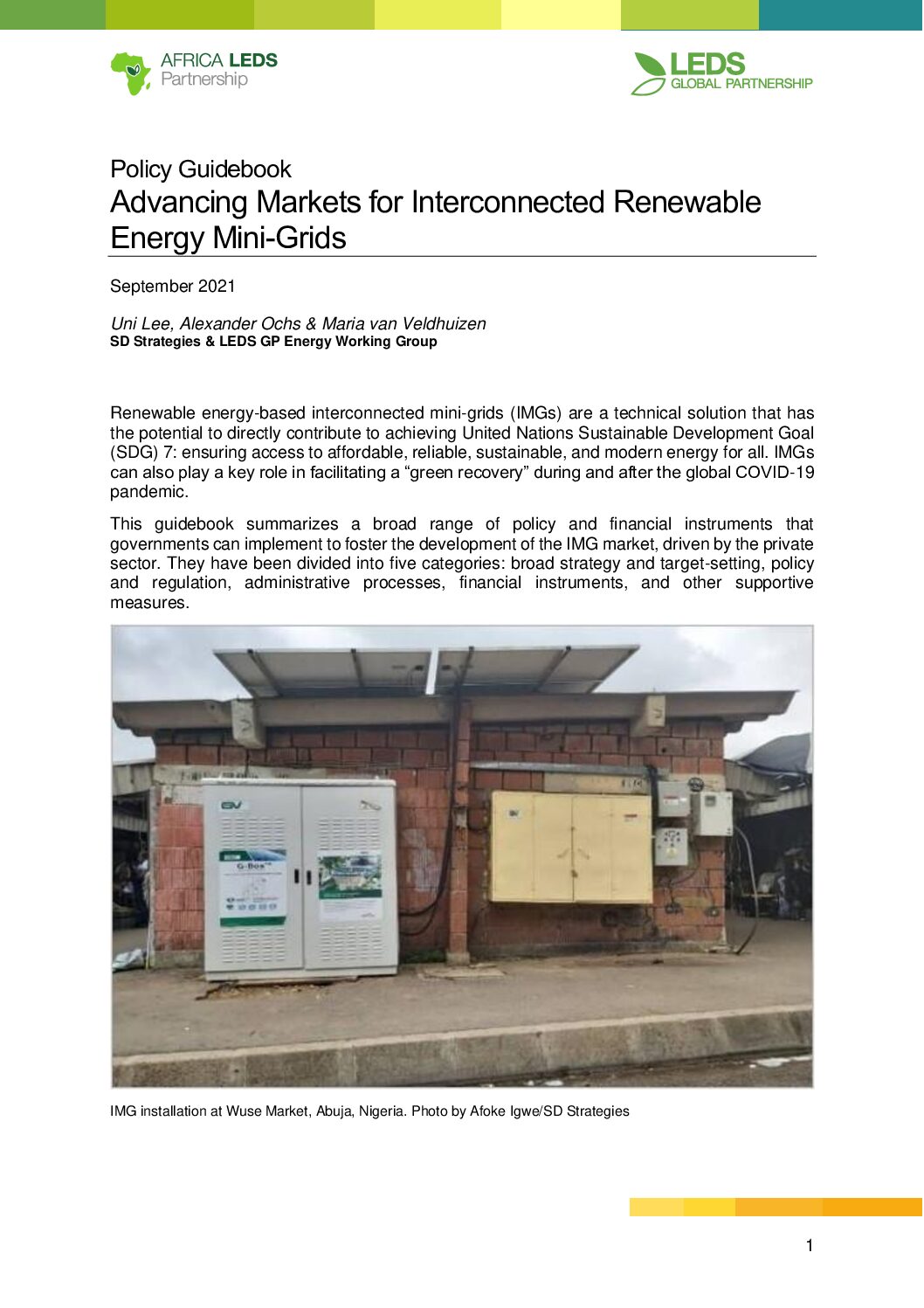
This guidebook summarizes a broad range of policy and financial instruments that governments can implement to foster the development of the interconnected mini-grid market, driven by the private sector.

This report aims to support state-level leadership and action in pursuit of the just energy transition in Mexico, by providing a rationale for state-level action, an overview of international good practices, an analysis of challenges and opportunities, and a toolkit of energy transition measures that states can consider adopting.
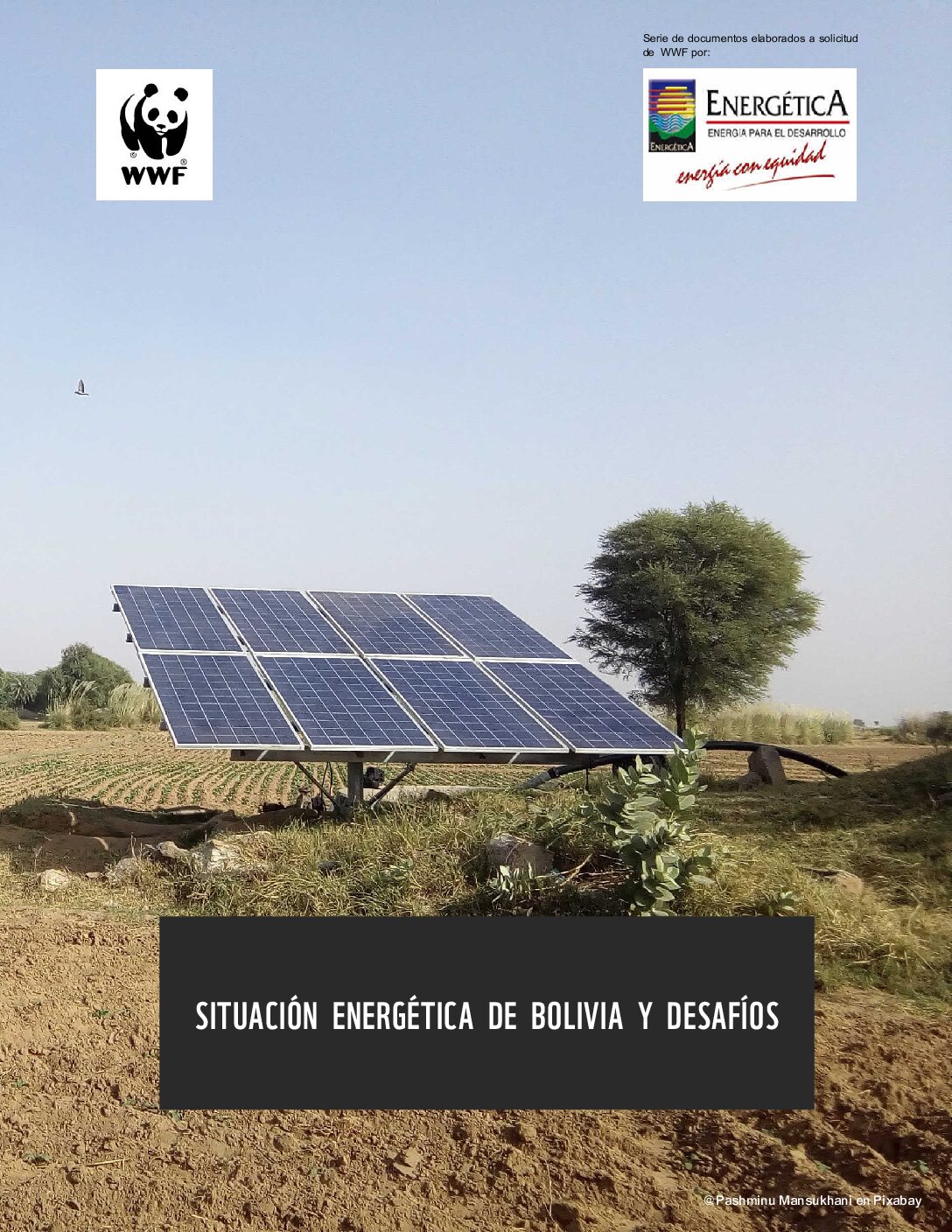
This report assesses the current status of the Bolivian energy sector, including a policy, legal and technical overview, and highlights specific challenges the sector faces.
This report sketches a roadmap towards a sustainable energy, heating and transport sector in Bolivia.
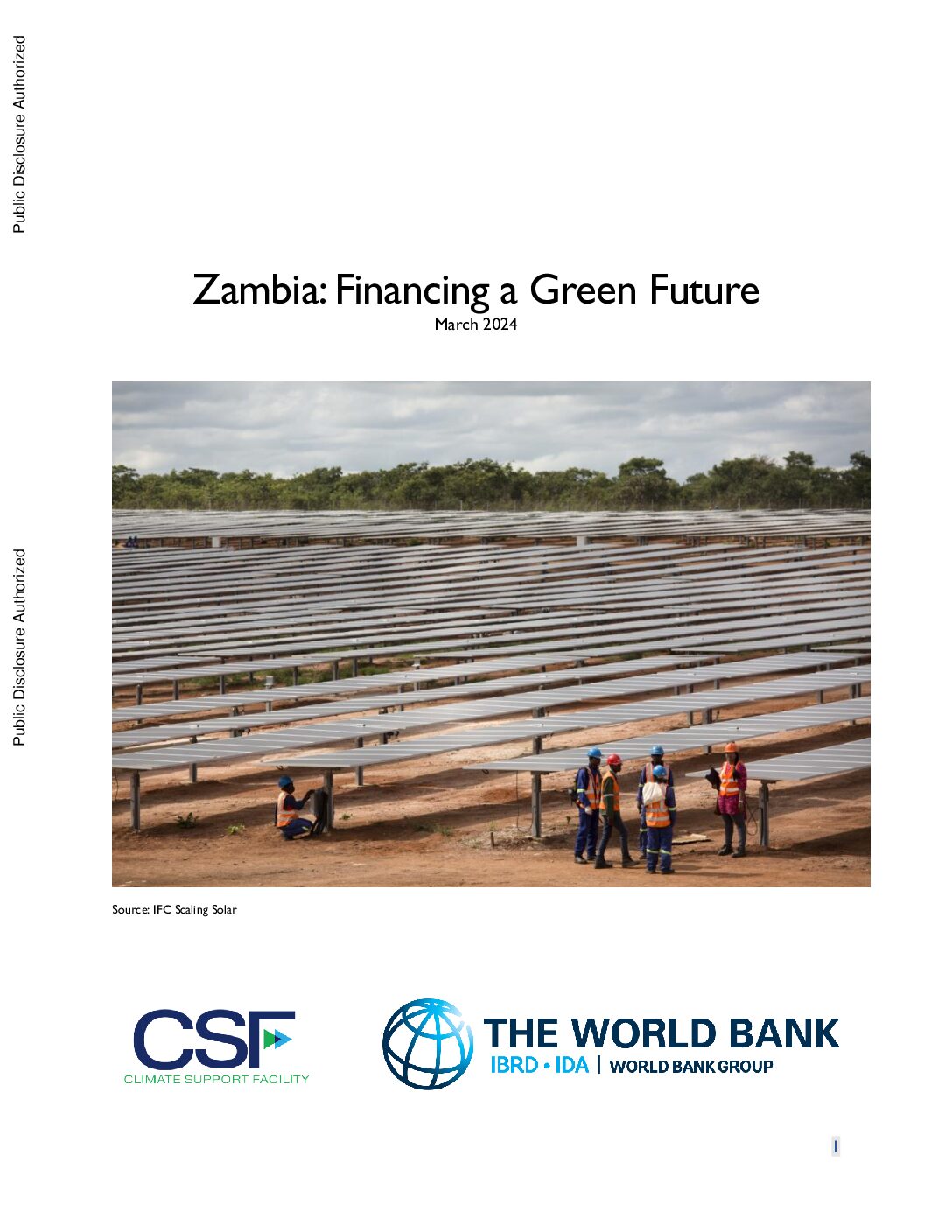
This note aims to provide a high-level analysis of the preconditions for stimulating green investments with a focus on financial sector supervisory framework needed to address climate risks (physical and transition), current landscape of green finance in Zambia, and the demand-side opportunities for green investments in key sectors.
This slide deck gives a quick overview of the current status of and future perspectives for the energy transition in Cameroon.
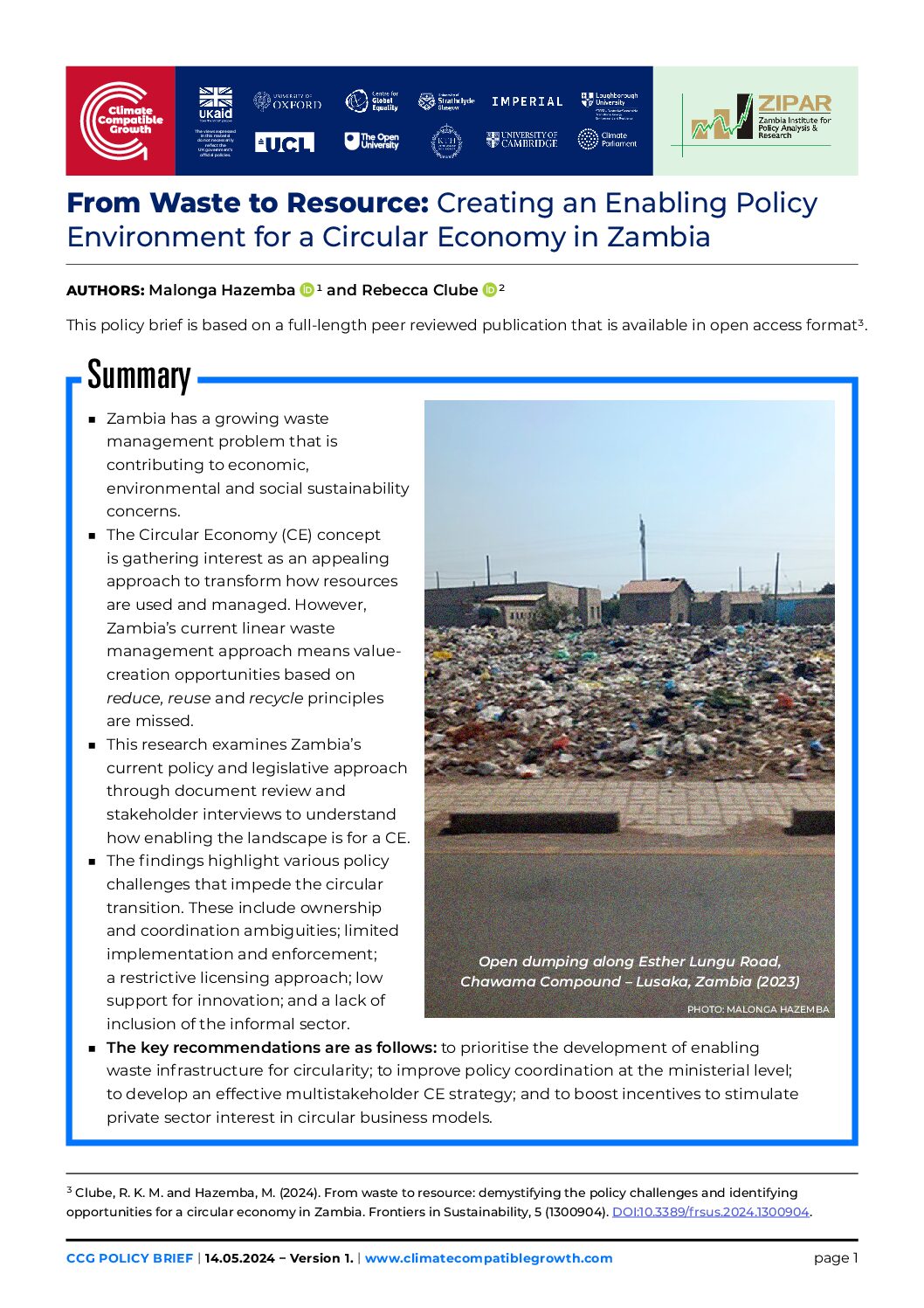
This policy brief investigates Zambia’s policy and legislative framework for energy generation from waste, and provides recommendations for improvements.
This report presents an assessment of the current approach to planning and implementing power sector expansion in Cameroon, and proposing improvements based on best practice from the international experience of jurisdictions with growing demand.
This article explores how system planning, and in particular assessments of system adequacy, will need to innovate and evolve to allow power systems to keep delivering secure and affordable electricity supply during energy transitions.