
This report by the Network of Central Banks and Supervisors for Greening the Financial System investigates the main barriers to the scaling up of blended finance for climate action in the Global South, and provides recommendations for how to address these.
The Climate Policy Initiative undertakes an annual mapping exercise of climate finance, investigating the sources, types and destinations of climate finance.
This report by the Energy Transitions Commission estimates the global financing needs for the energy transition and provides a roadmap for how sufficient financing can be raised. It explains how to develop economic policies to unlock investment, recommends actions by the financial sector, and discusses what additional actions will be needed in the Global South.
Government spending and other forms of actual support to renewable energy is a blind spot at the international level. To help address the knowledge gap, IISD developed an inventory of public financial support for renewable energy generation and integration by G20 governments. It shows that G20 governments provided over $168 billion in public financial support … Continue reading “Public Financial Support for Renewable Power Generation and Integration in the G20 Countries”
Despite strong calls for energy subsidy reforms, governments around the world still spend billions subsidising fossil fuel consumption each year. This report investigates how reforms can be designed that work in practice, drawing on over a decade of World Bank experience supporting these processes.
This is an example of an energy transition roadmap for Uganda. It explores different renewable energy scenarios and identifies the actions, investments and policies that are required to make these reality.
This publication aims to provide policymakers with a comprehensive understanding of the diverse policy options to support the development of renewables across sectors, technologies, country contexts, energy market structures, and policy objectives.
This report explores how the energy policy landscape has evolved in 2023-2024, looking at 50 types of policies across more than 60 countries to identify trends.
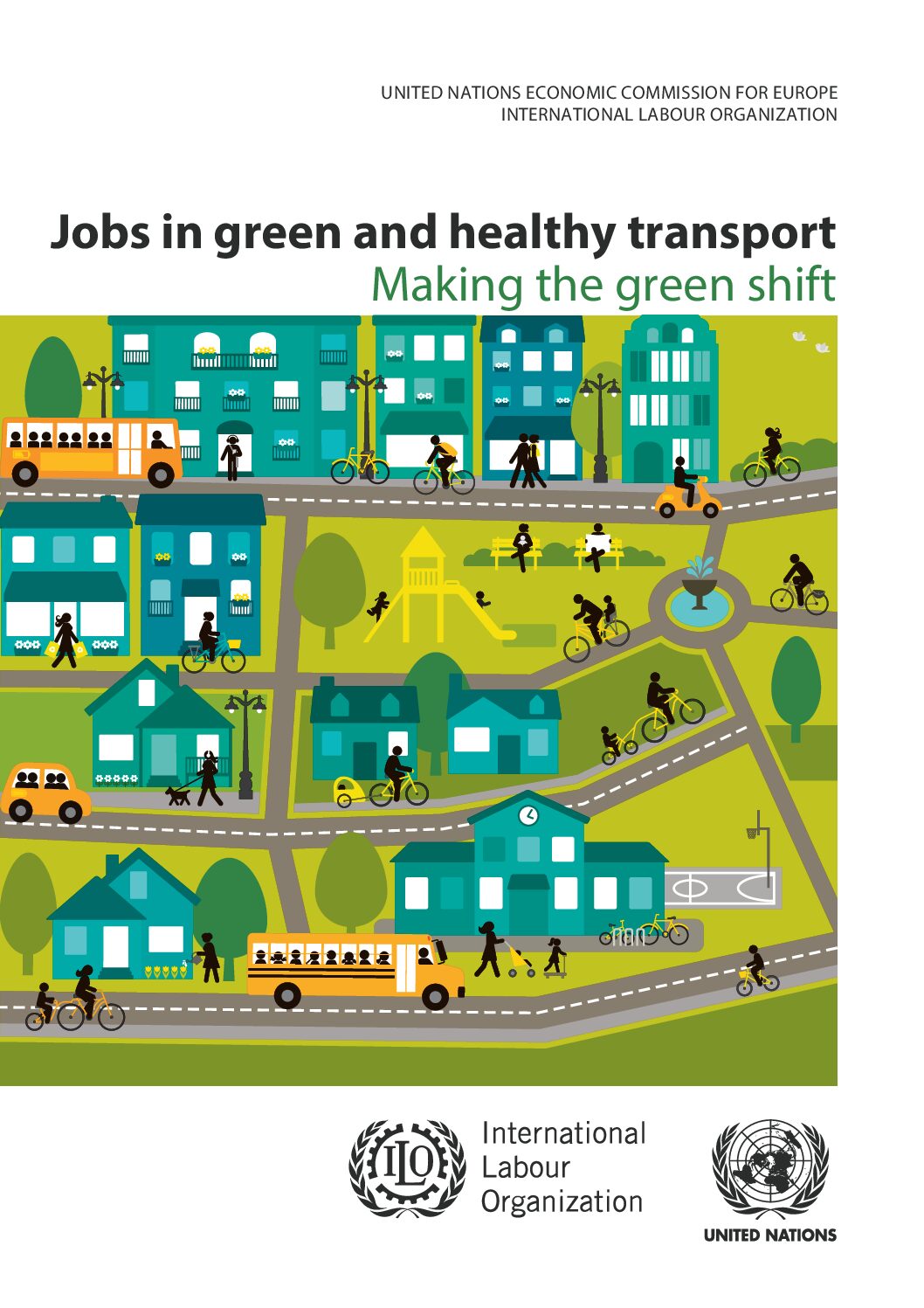
This report by the International Labor Organization investigates the implications for global job creation of four different green transport scenarios, applied to Europe: 1) a doubling in investment in public transport, 2) free public transport, 3) a target that 50% of all vehicles manufactured must be electric, and 4) banning of internal combustion engines for … Continue reading “Jobs in Green and Healthy Transport: Making the shift”
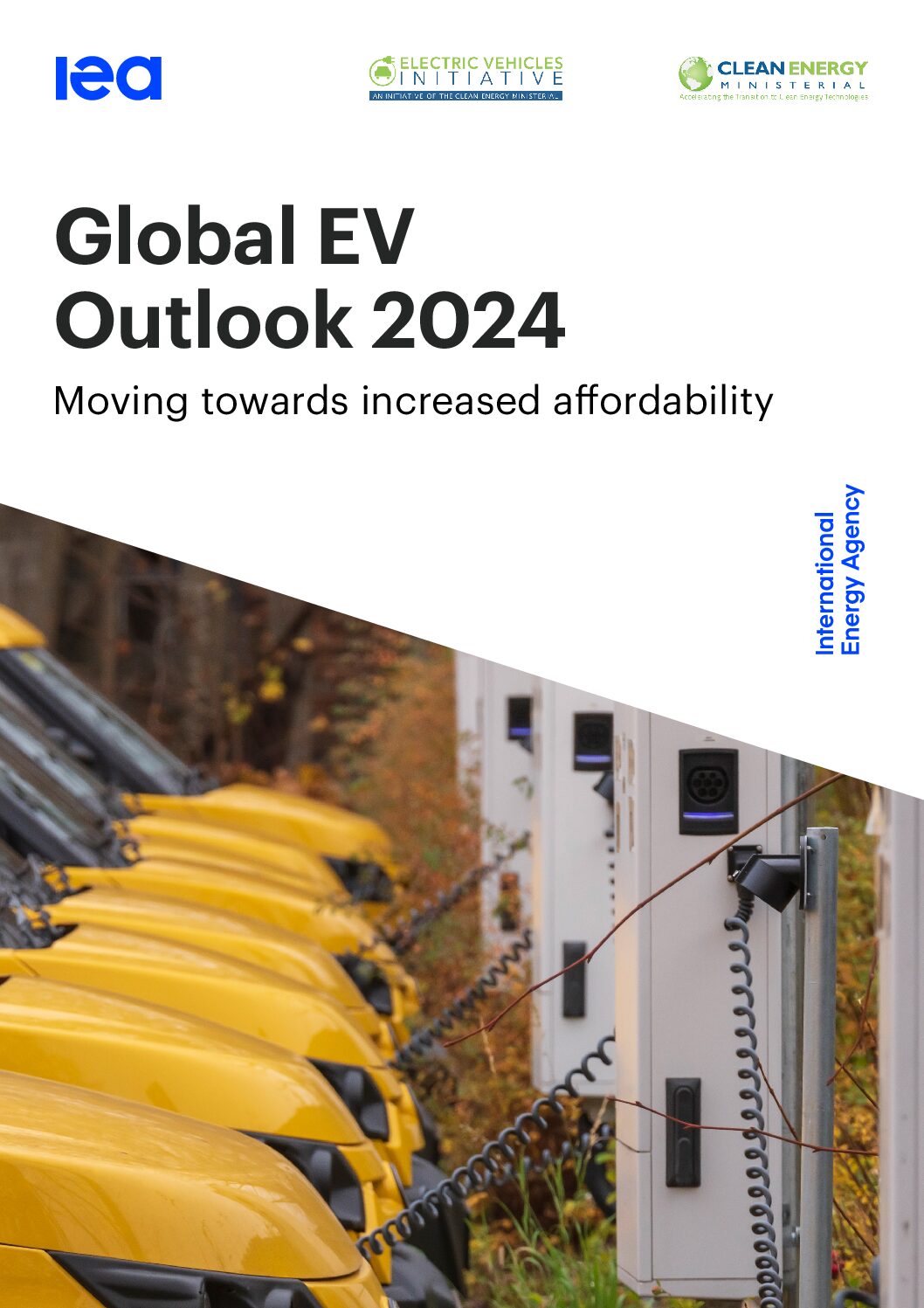
This is the IEA’s annual report assessing recent trends and developments in e-mobility around the world. It looks at the deployment of electric vehicles, the expansion of charging infrastructure, battery demand, investment and policy trends and GHG emissions.