
This Energypedia article explains how to undertake a PUE assessment as part of a mini-grid development project, to evaluate the potential and feasibility of different types of PUE to support community income generation and mini-grid viability.
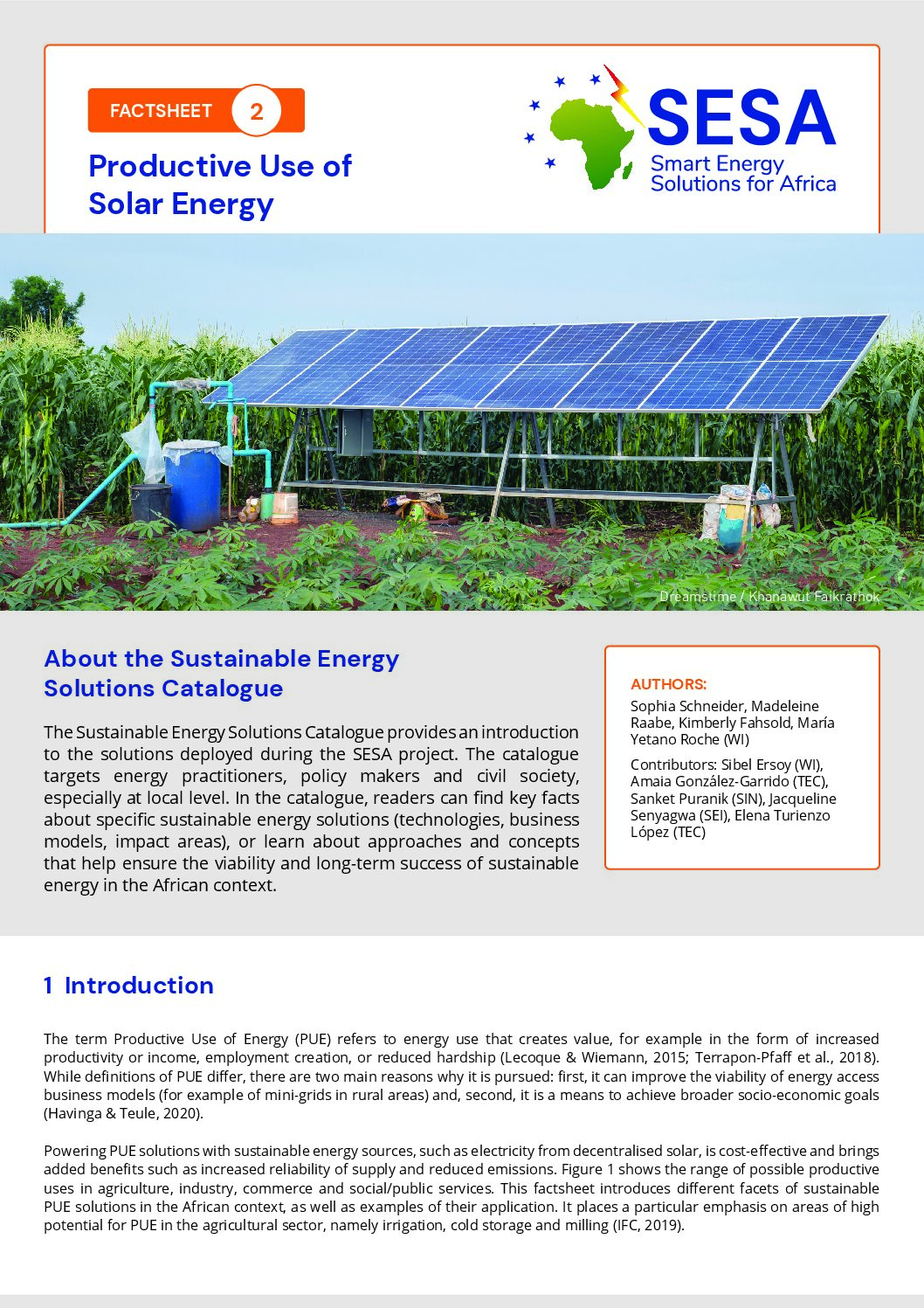
This fact sheet provides a quick overview of different PUE technologies and business and financing models, as well as their socio-economic and sustainability impacts, and their upscaling potential.
This article tells a story of trial and error in the development of a clean cookstove business model in Zambia, highlighting the many factors that come into play and the occasional unpredictability of the market.
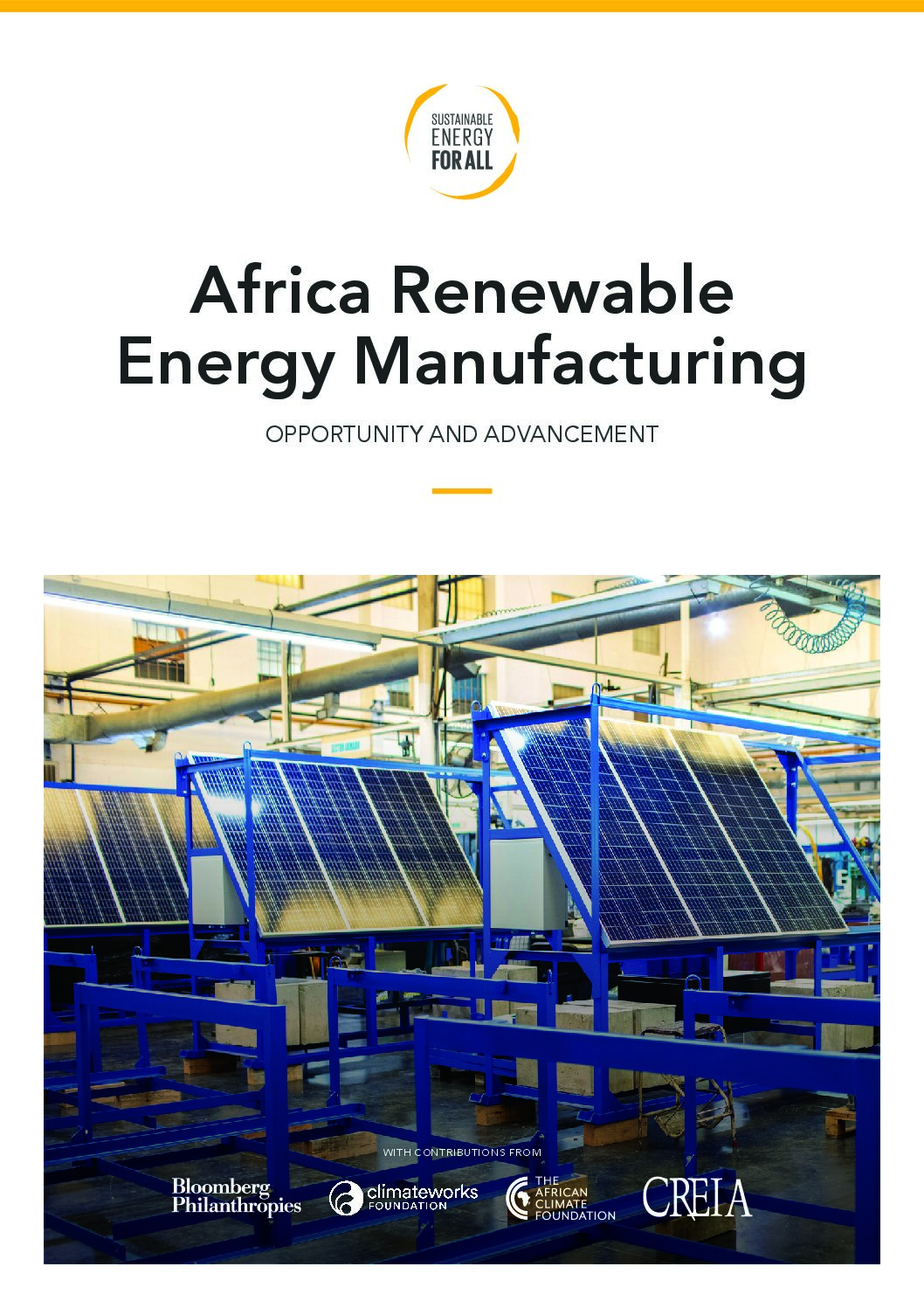
This report identifies opportunities for and barriers to renewable energy component manufacturing in African countries, and proposes interventions to accelerate investment in the space.
Africa has installed wind capacity of just 9 GW – less than 1% of the global total. However, there is increasing recognition of both the benefits of wind energy and Africa’s enormous potential, and the Global Wind Energy Council expects this capacity to grow by 900% in the coming years. This presentation by the International […]
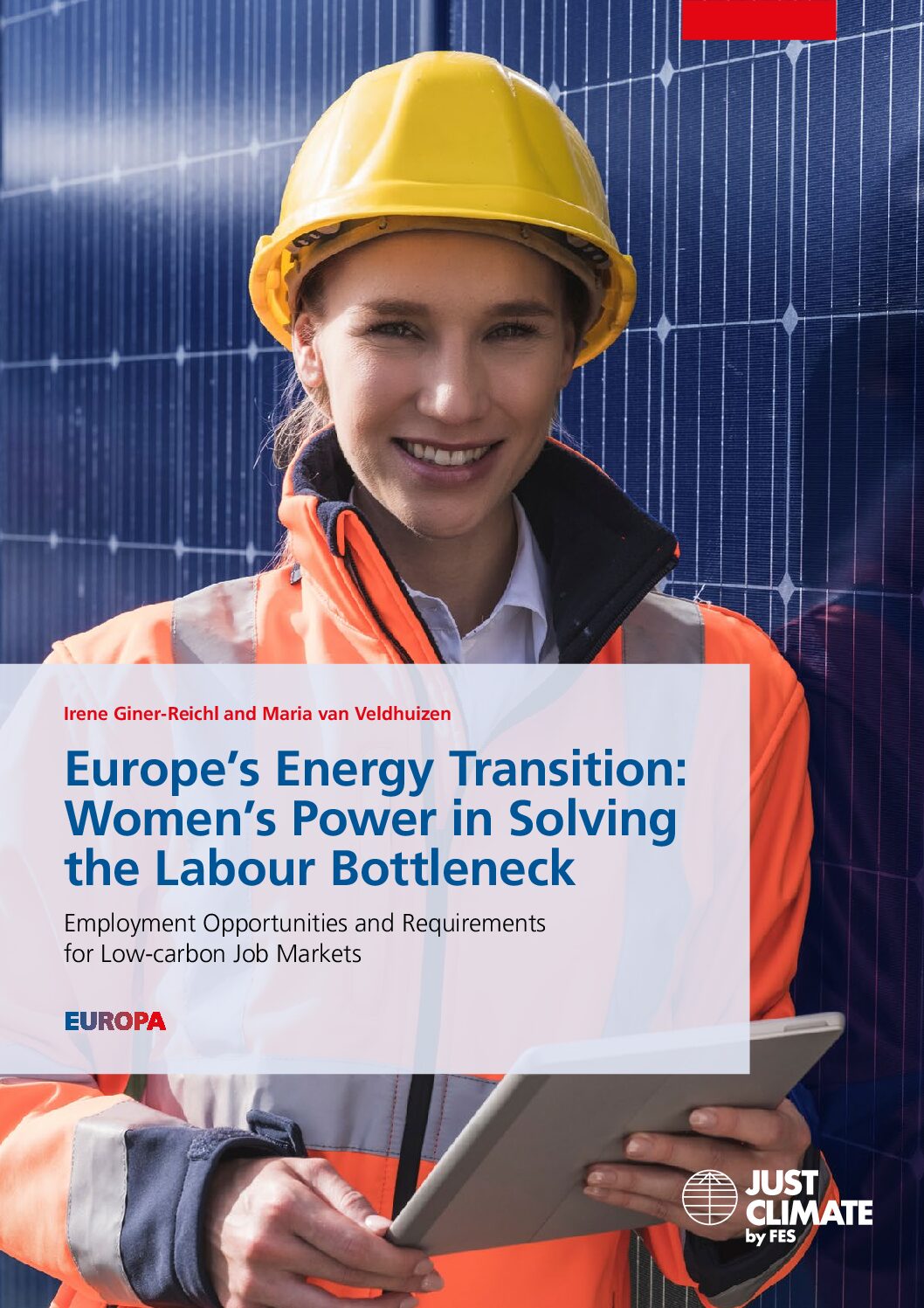
This report investigates labour shortages for the energy transition in Europe and shows just how many more people will be needed in the energy sector by 2030 (See the table on p.4; example: over 600,000 new solar PV technicians and 150,000 wind engineers). On page 7, the report gives a quick overview of key arguments […]
This study explores the impact of energy poverty on the health gap between men and women in Ghana, showing that, especially in households suffering from energy poverty, women report significantly worse health than men.
This factsheet by the EU project ‘Empowering Women to take Action Against Energy Poverty’ (EmpowerMed) gives an overview of the different dimensions that should be considered when tackling gender and energy poverty.
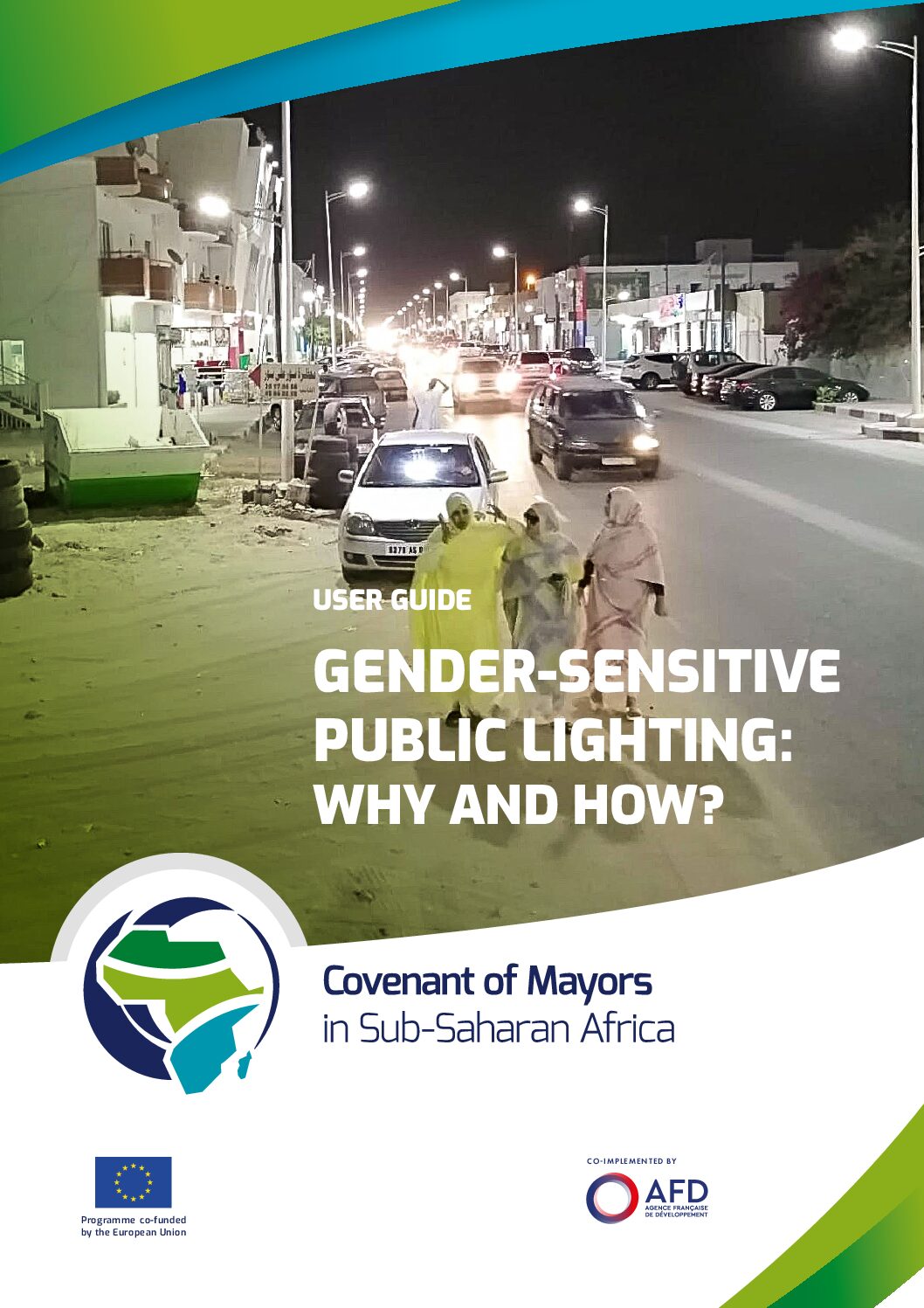
This guide by the Covenant of Mayors of Sub-Saharan Africa shows that urban planning tends to be gender blind, with the design of urban street lighting as a key example. It provides a manual, aimed at African cities, on how to develop gender-responsive public lighting projects. English: https://comssa.org/download/rxeWs6zcOXbTl8qRidGZ9nCB7EFAI4Pa/Gender-sensitive-public-lighting.pdf French: https://comssa.org/download/U3kjdTBHqV6FGKfoI71EgLY2wZrSvtz8/Eclairage-public-sensible-au-genre.pdf
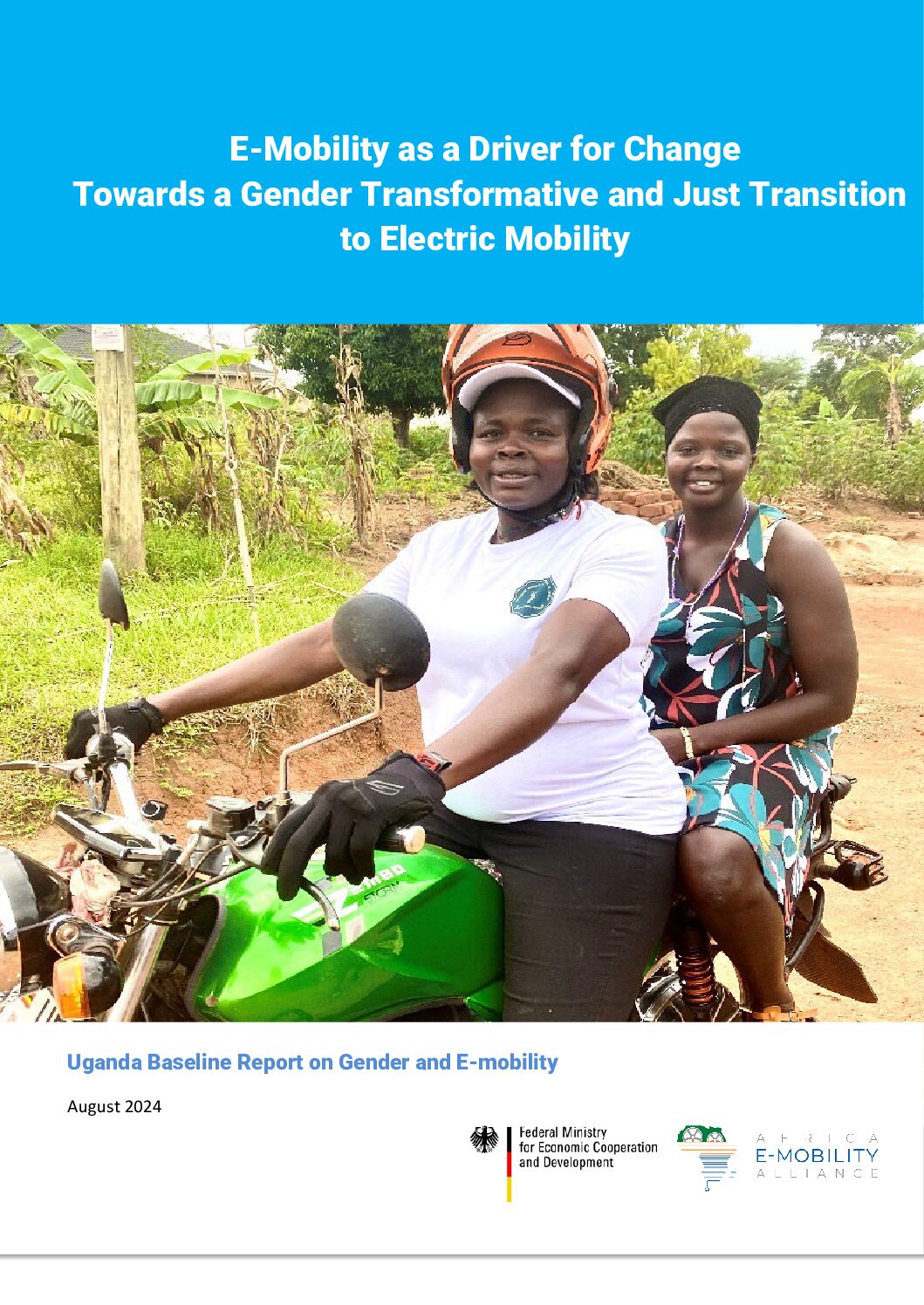
This baseline study outlines the current status of gender equality in the transport sector in Uganda, and identifies potential for the advancement of gender equality in transport while also advancing the e-mobility transition.