
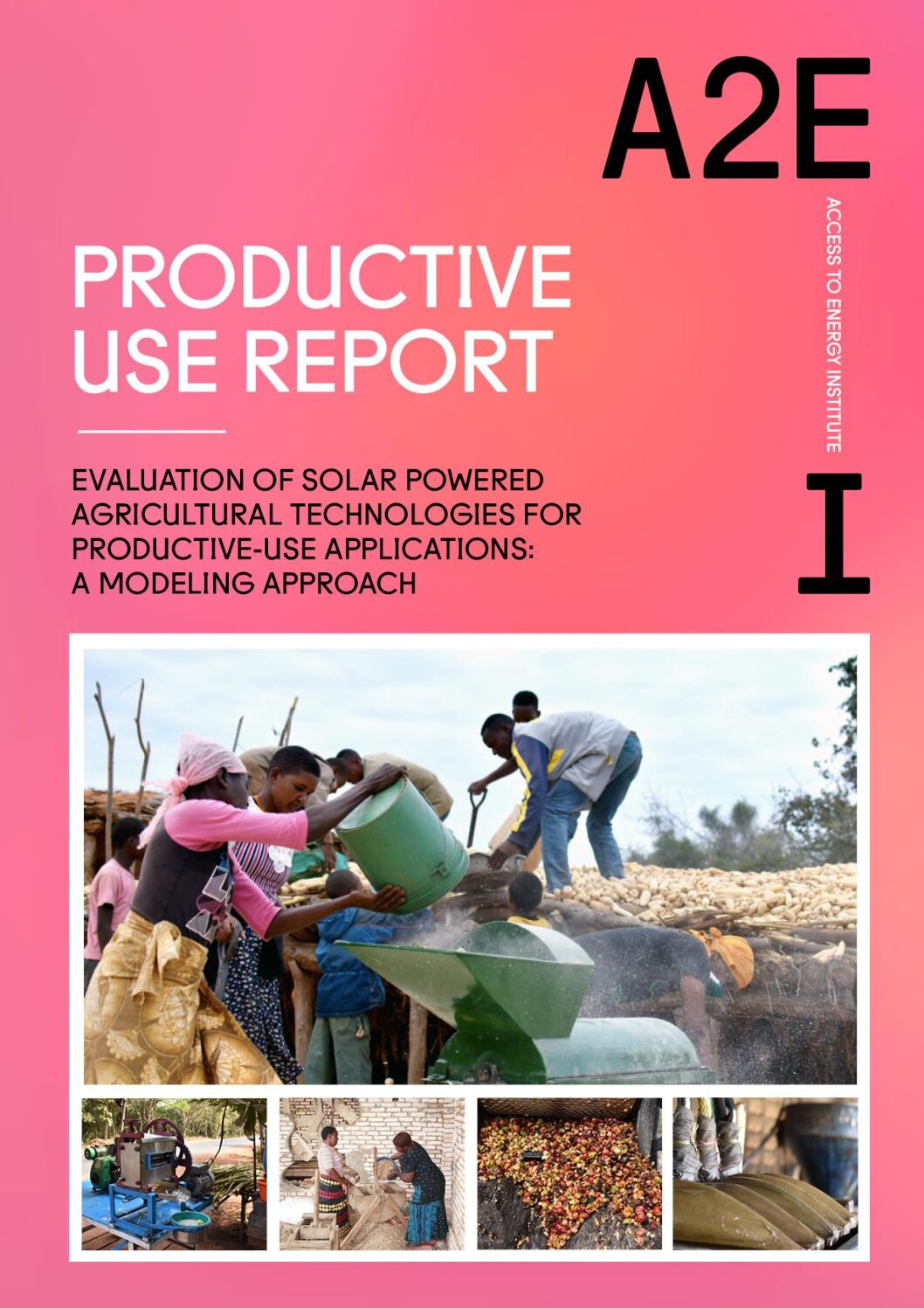
This report uses economic modelling to investigate the viability of ten different productive use applications of solar power in agriculture (oil extraction, maize shelling, rice hulling, fruit juice making, sugar cane juicing, fruit drying, flour milling, peanut shelling and coffee pulping). It investigates each technology in detail and then calculates the profits and other benefits … Continue reading “Productive Use Report – Evaluation of solar-powered agricultural technologies for productive-use applications: A modelling approach”
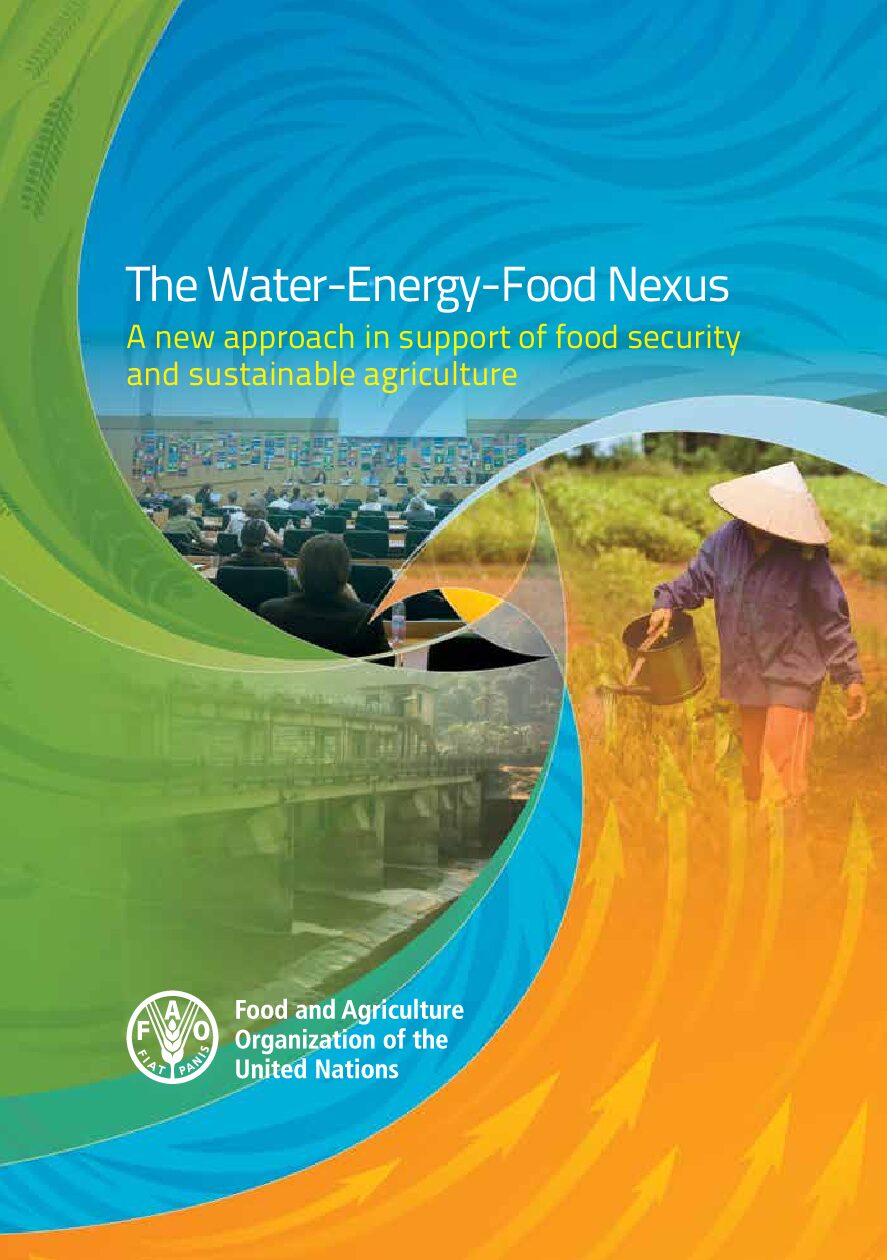
This brief report introduces the concept of the WEF nexus and explains how the FAO has applied the nexus approach in its work, with many case study examples.
This page provides an introduction to energy transition challenges in the industrial sector. It also tracks progress, presents data and lists seven key recommendations to policymakers and businesses.
This webpage provides an introduction to smart grids, an overview of recent progress and recommendations for governments and utilities.
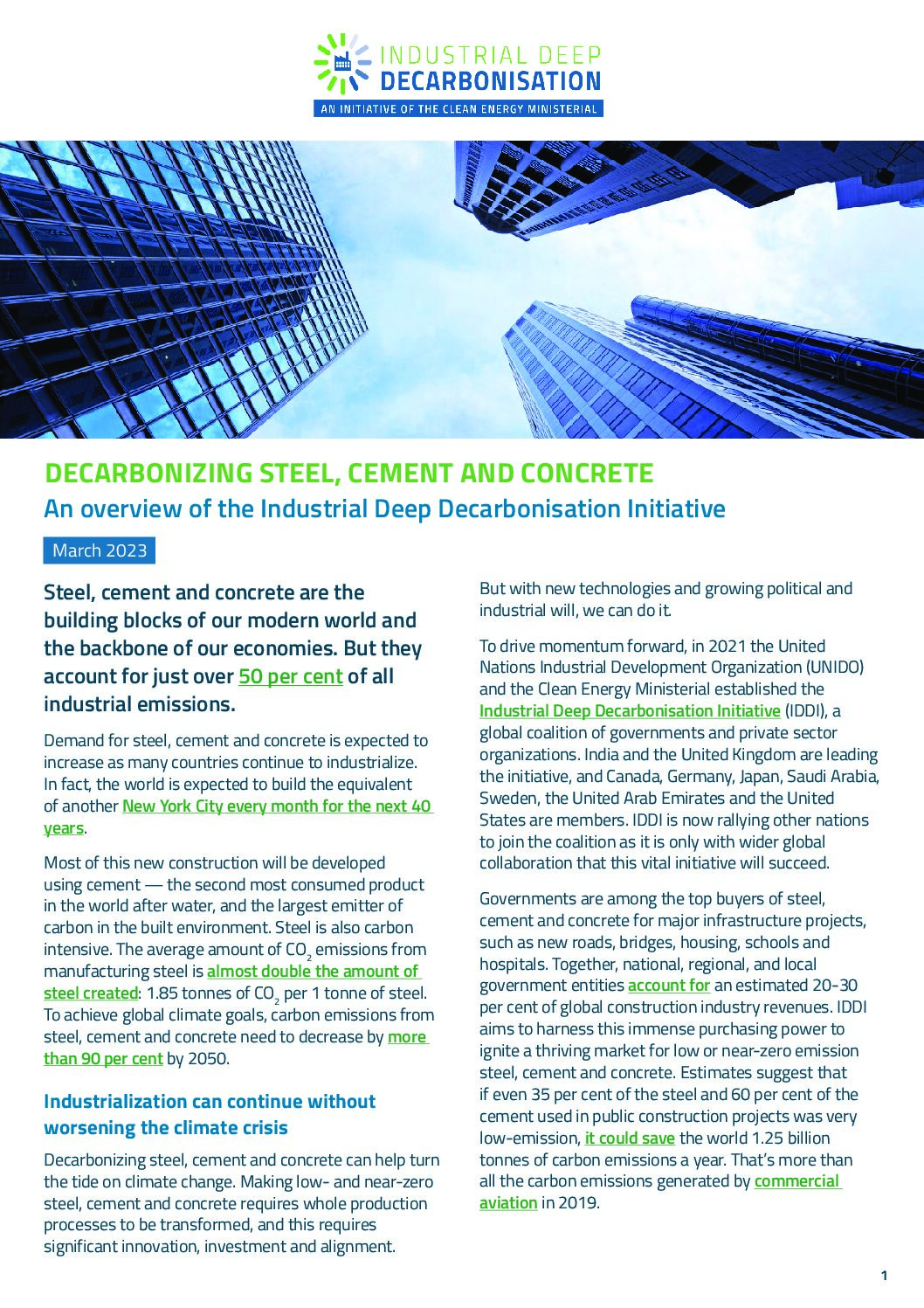
The Industrial Deep Decarbonisation Initiative, established by the UN Industrial Development Organization (UNIDO) and the Clean Energy Ministerial, is a coalition of governments and companies. Among its goals, it seeks to motivate governments, which are major buyers of steel, cement and concrete for infrastructure projects, to apply sustainable procurement principles and prioritise the buying of … Continue reading “Decarbonizing steel, cement and concrete: An overview of the Industrial Deep Decarbonisation Initiative”
Africa has installed wind capacity of just 9 GW – less than 1% of the global total. However, there is increasing recognition of both the benefits of wind energy and Africa’s enormous potential, and the Global Wind Energy Council expects this capacity to grow by 900% in the coming years. This presentation by the International … Continue reading “Exploring Africa’s Untapped Wind Potential”
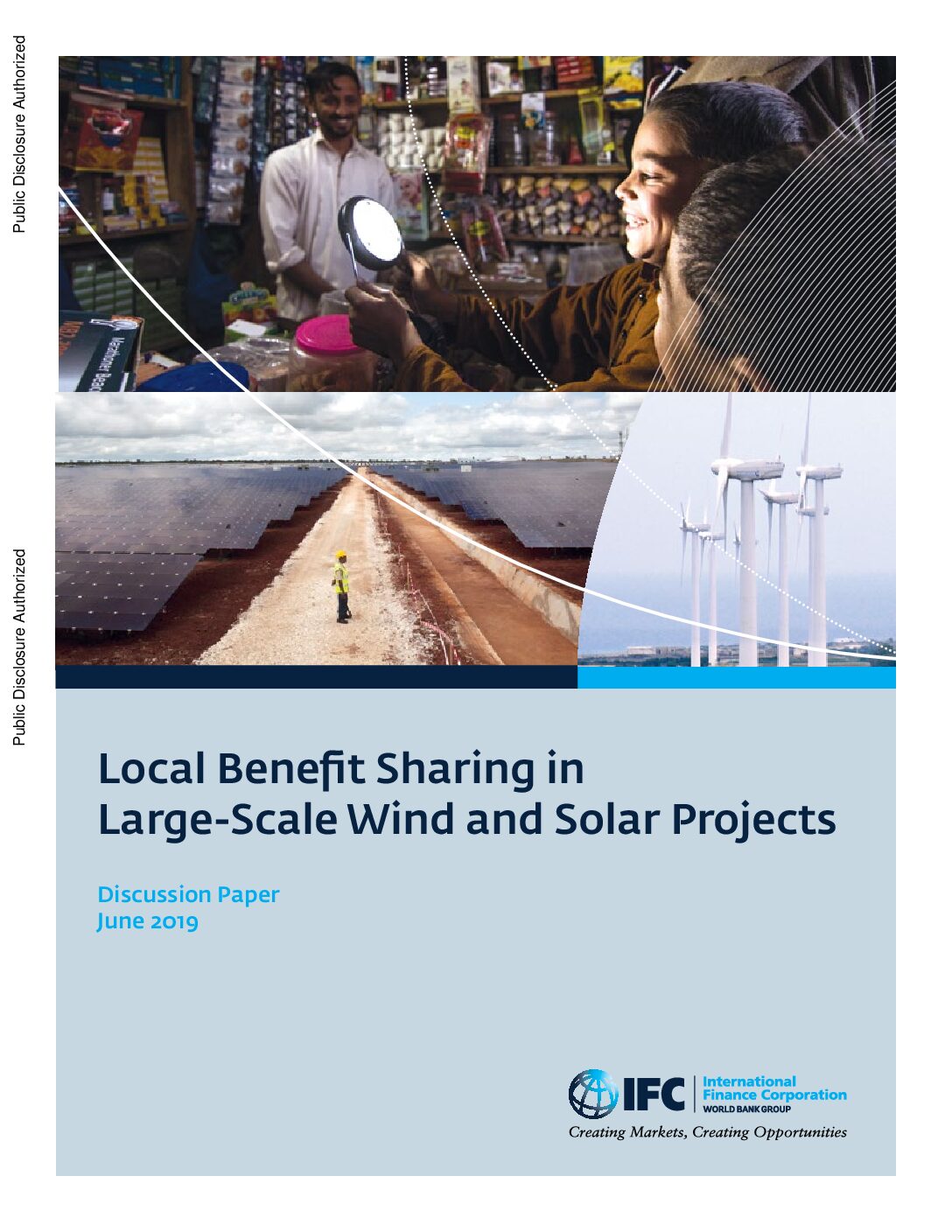
Wind farms tend to be large projects built in relatively remote areas, and in the past, they have often generated more disturbance than benefits for local communities. This World Bank report discusses models that allow host communities of wind energy projects to benefit more from those projects.
This is Energypedia’s Wind Portal. It provides an overview of wind energy technology, preparatory studies needed to plan a wind energy project, wind energy policy frameworks, and wind energy project implementation, operation, MEL and impacts.
People need water, energy, and food to sustain their livelihoods, grow economies, and achieve sustainable development. The interactions between these resource sectors form the crux of water-energy-food (WEF) nexus assessments. This study analyses the WEF nexus of 54 African nations and identifies bottlenecks resulting from water, energy, or food insecurity.
This report calls for greater cross-sectoral collaboration to advance energy, water and food security in Africa, highlighting how synergies between the sectors of water, energy and food create a multiplier effect, ensuring a greater return of investment.