
This second edition from 2025 provides an update to the landmark report from 2019, based on a new survey of 1192 individuals working in the sector, and 233 companies and organizations. The headline finding was that despite widespread efforts, the share of women in renewable energy has not grown over the past six years: it … Continue reading “Renewable energy: A gender perspective (Second edition)”
This briefing to the United Nations Commission on the Status of Women shows that climate finance flows remain largely exclusionary to women and girls. One of the reasons is that most climate finance is provided as loans, which are less accessible to women. It recommends different ways in which financing institutions can guarantee greater access … Continue reading “Gender-responsive climate finance: The key to just climate action and tackling inequalities”
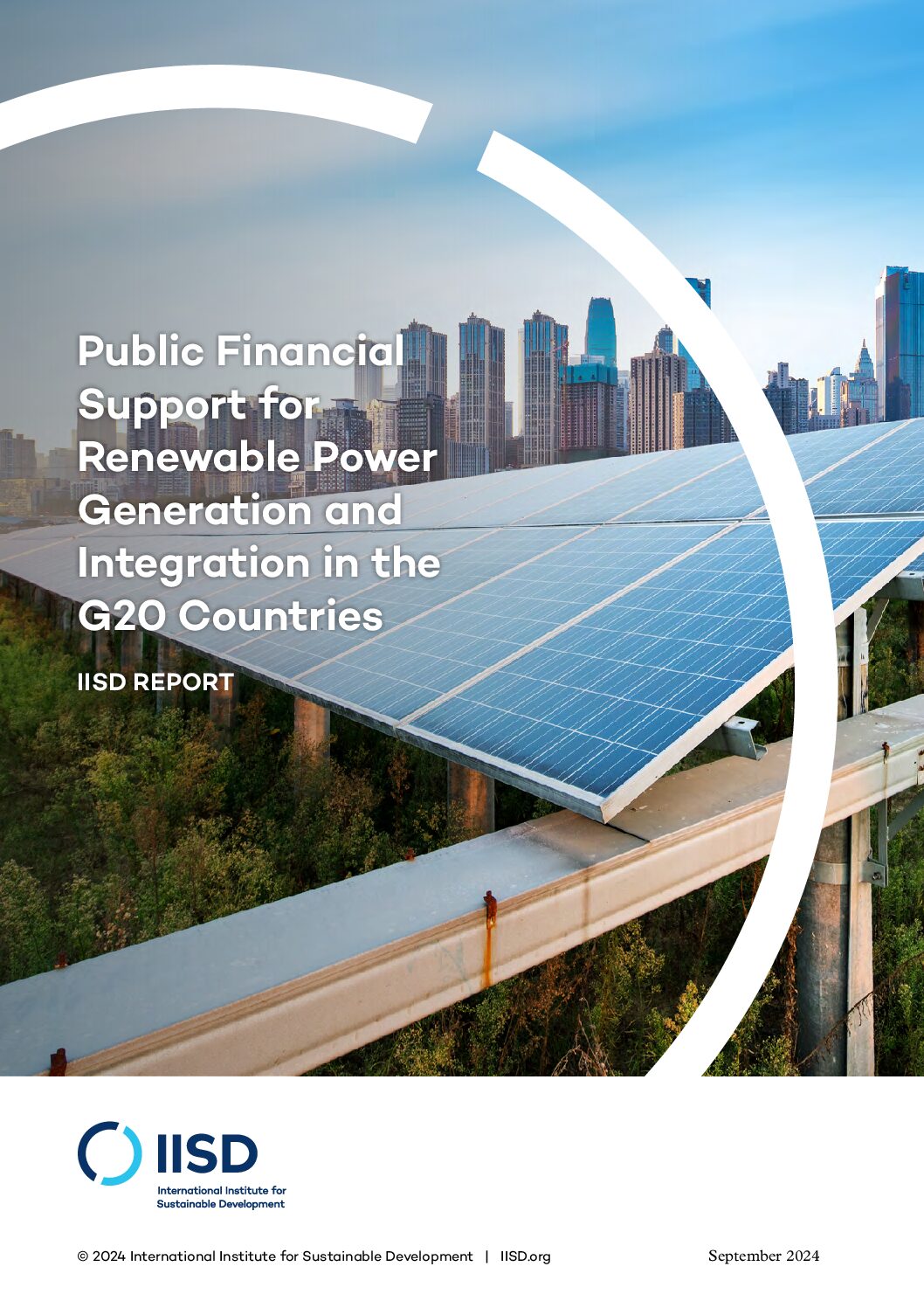
Government spending and other forms of actual support to renewable energy is a blind spot at the international level. To help address the knowledge gap, IISD developed an inventory of public financial support for renewable energy generation and integration by G20 governments. It shows that G20 governments provided over $168 billion in public financial support … Continue reading “Public Financial Support for Renewable Power Generation and Integration in the G20 Countries”
Despite strong calls for energy subsidy reforms, governments around the world still spend billions subsidising fossil fuel consumption each year. This report investigates how reforms can be designed that work in practice, drawing on over a decade of World Bank experience supporting these processes.
This page provides an introduction to energy transition challenges in the industrial sector. It also tracks progress, presents data and lists seven key recommendations to policymakers and businesses.
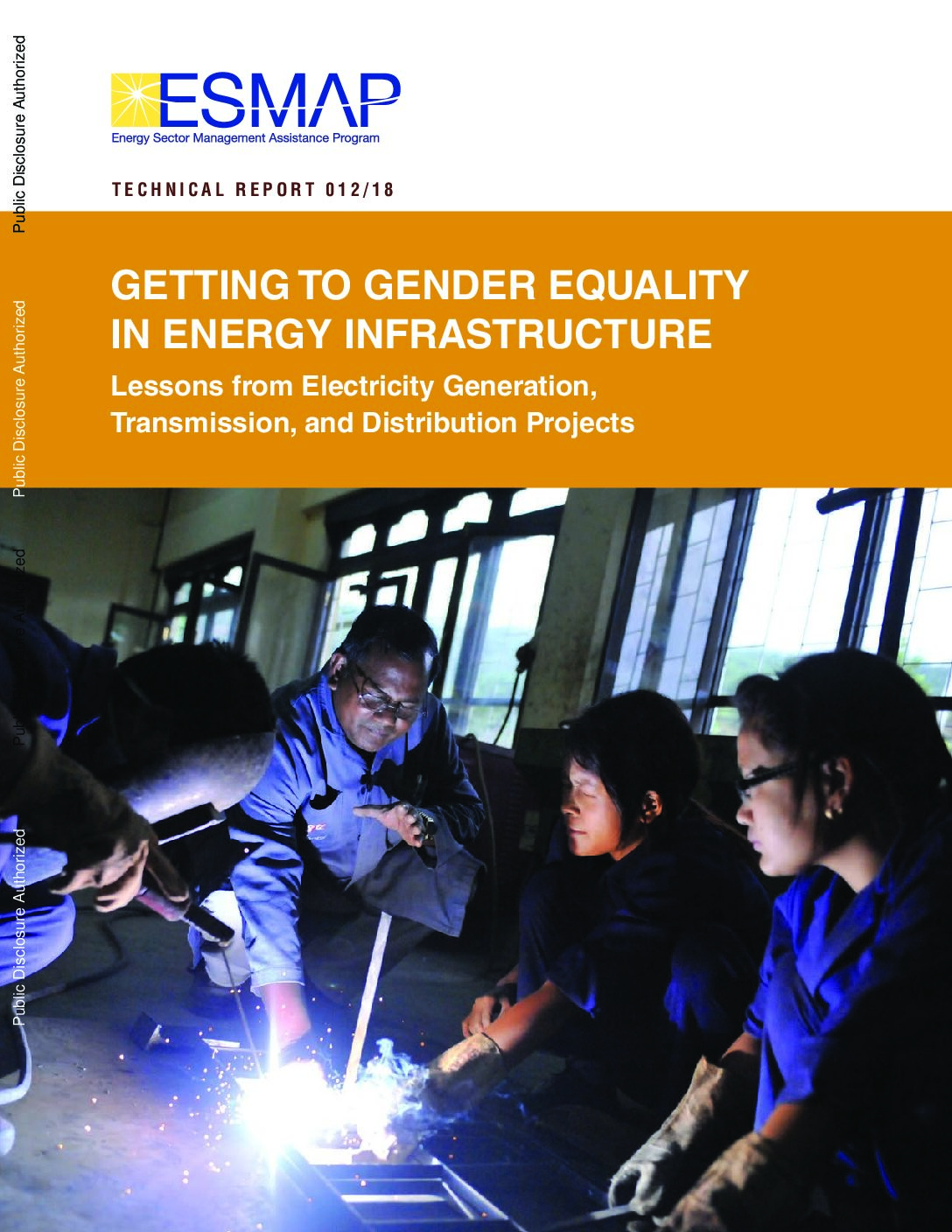
This report by the World Bank’s Energy Sector Management Assistance Program (ESMAP) shares opportunities, challenges and good practices related to advancing gender equality in electricity infrastructure projects.
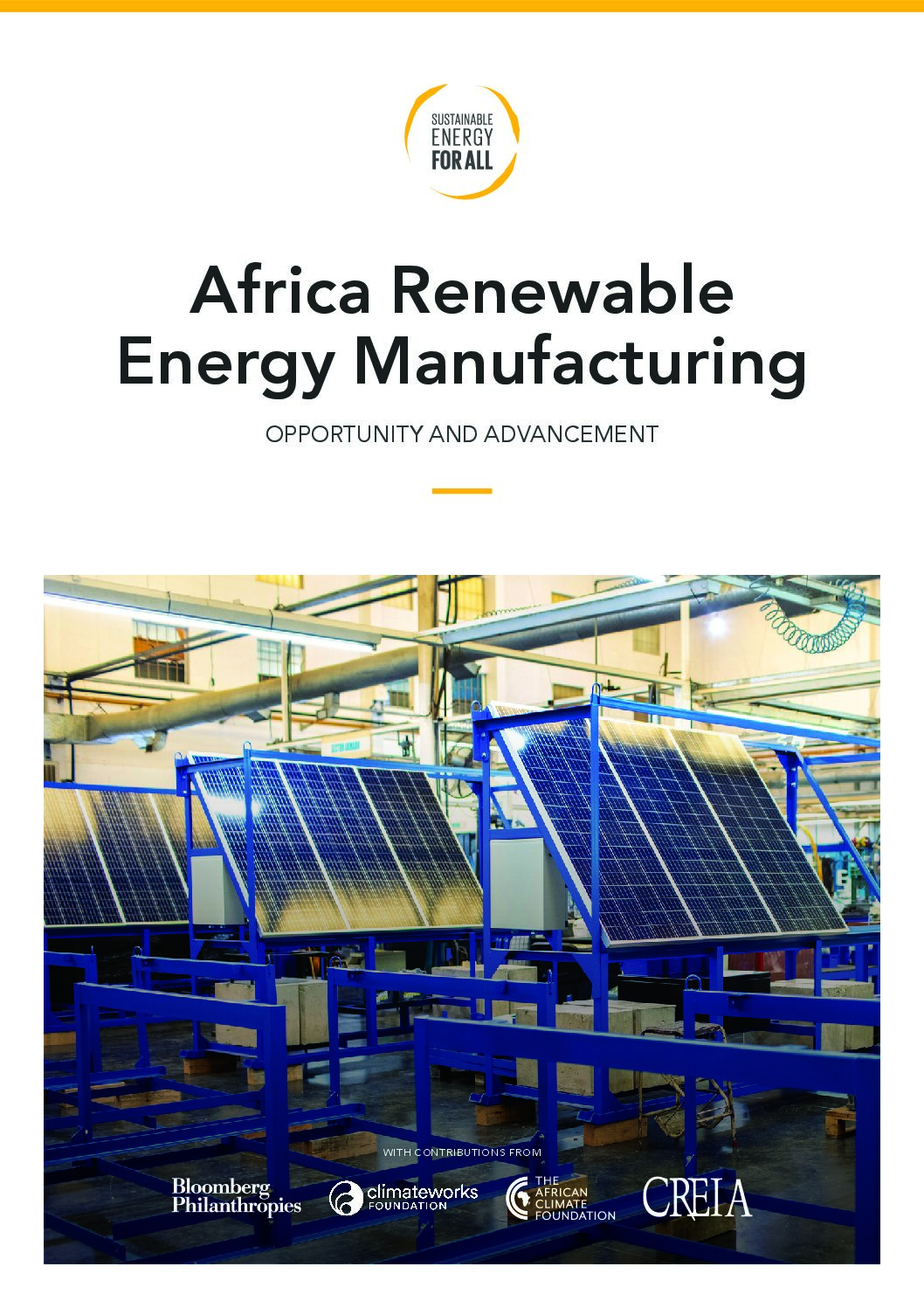
This report identifies opportunities for and barriers to renewable energy component manufacturing in African countries, and proposes interventions to accelerate investment in the space.
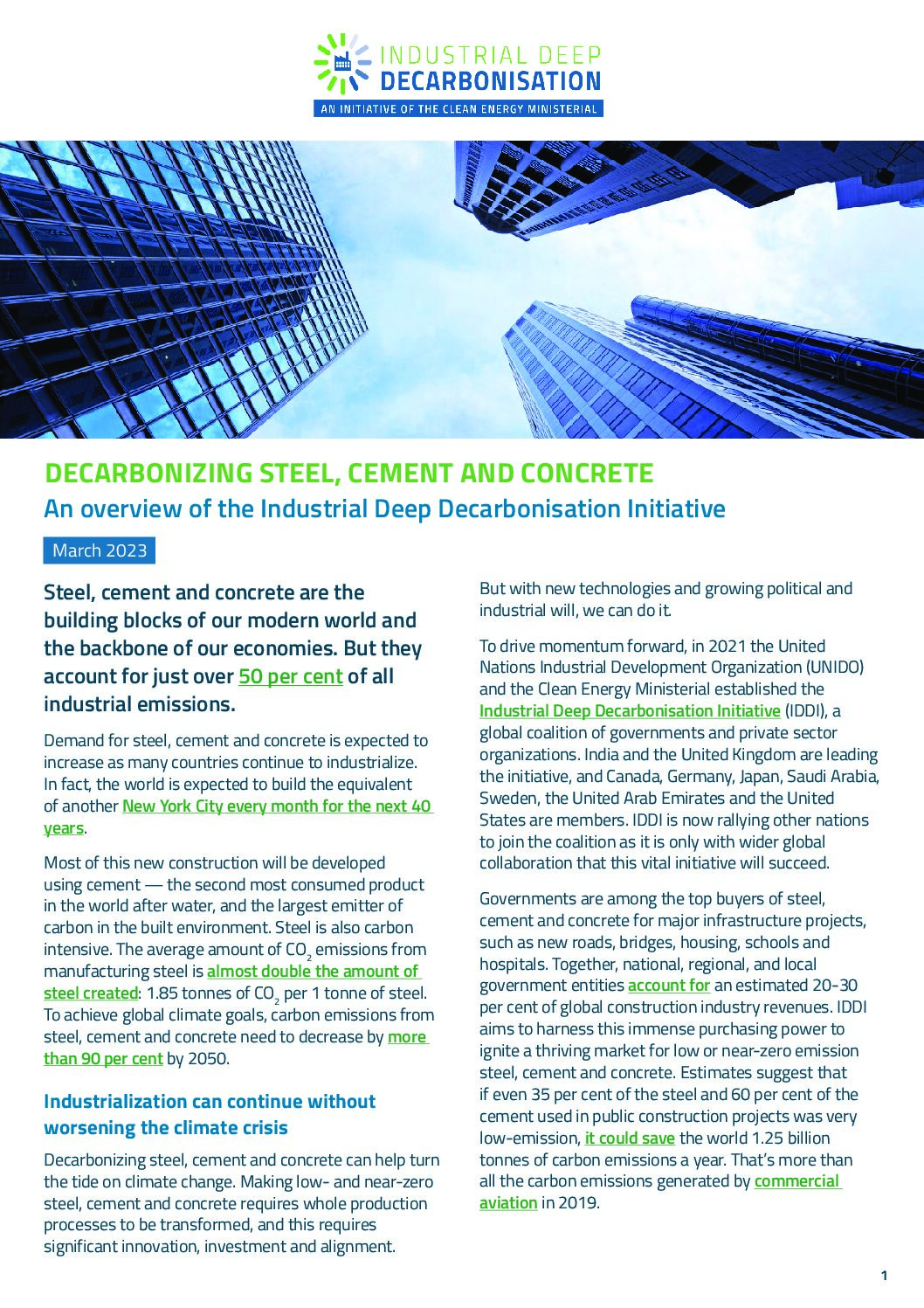
The Industrial Deep Decarbonisation Initiative, established by the UN Industrial Development Organization (UNIDO) and the Clean Energy Ministerial, is a coalition of governments and companies. Among its goals, it seeks to motivate governments, which are major buyers of steel, cement and concrete for infrastructure projects, to apply sustainable procurement principles and prioritise the buying of … Continue reading “Decarbonizing steel, cement and concrete: An overview of the Industrial Deep Decarbonisation Initiative”
This report identifies opportunities for Latin American and Caribbean countries in global renewable energy value chains. It focuses particularly on countries with significant mineral reserves, including Bolivia and Ecuador.