
This is an article by a company that offers solutions to offset the emissions generated by online shopping. It provides a quick and basic guide for companies on how to start generating and selling carbon credits.
This article announces the approval in March 2025 by the Integrity Council for the Voluntary Carbon Market (ICVCM) of a new cookstove methodology by Verra, which administers the Verified Carbon Standard. This sets a new benchmark for high-quality, trusted carbon credits for clean cooking. The article also provides data on the development of the clean […]
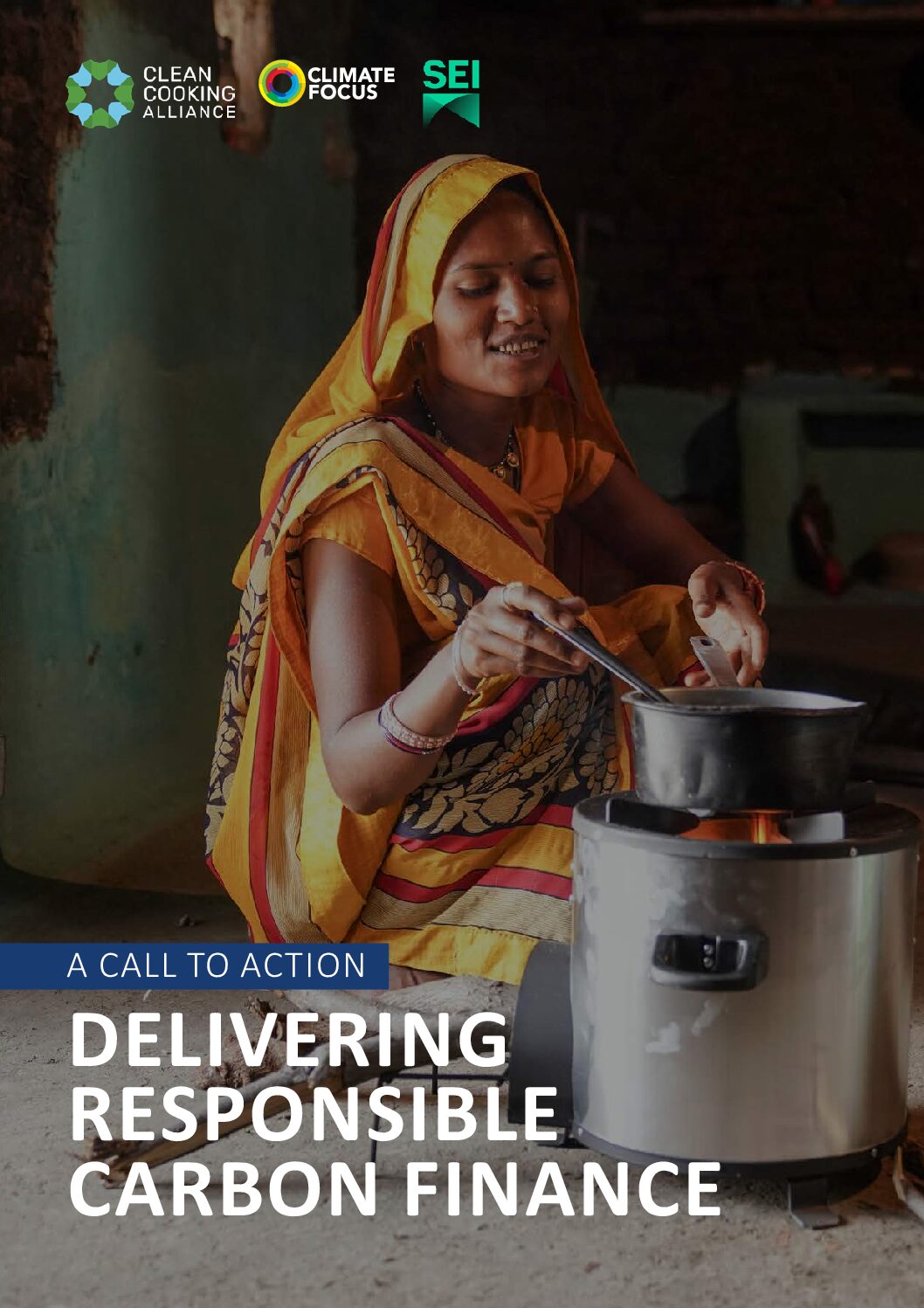
This report presents the CCA’s Principles for Responsible Carbon Finance in Clean Cooking: Integrity, Transparency, Fairness and Sustainability, and connects each with key actions to be taken by market actors.
This article tells a story of trial and error in the development of a clean cookstove business model in Zambia, highlighting the many factors that come into play and the occasional unpredictability of the market.
This page provides an introduction to energy transition challenges in the industrial sector. It also tracks progress, presents data and lists seven key recommendations to policymakers and businesses.
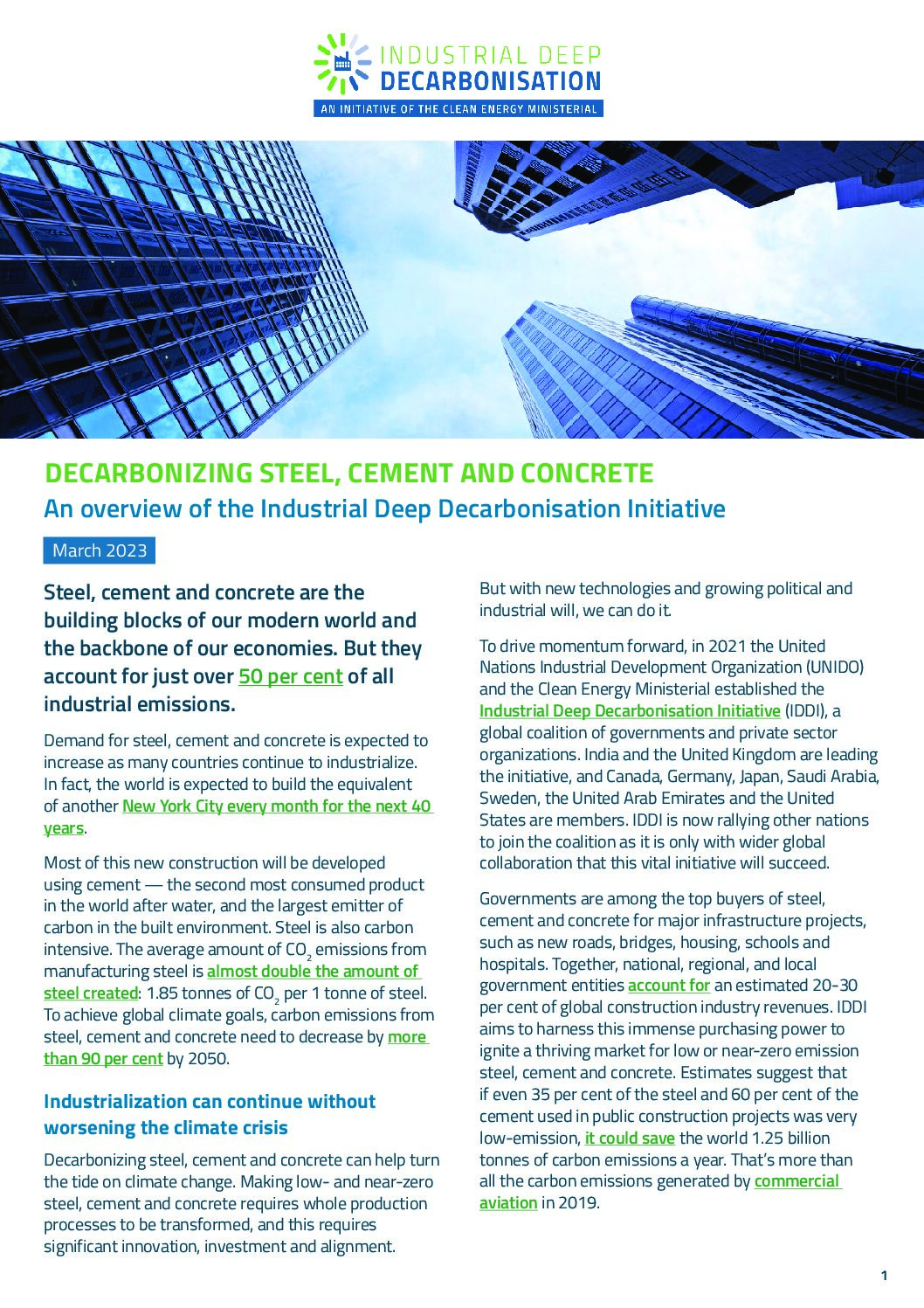
The Industrial Deep Decarbonisation Initiative, established by the UN Industrial Development Organization (UNIDO) and the Clean Energy Ministerial, is a coalition of governments and companies. Among its goals, it seeks to motivate governments, which are major buyers of steel, cement and concrete for infrastructure projects, to apply sustainable procurement principles and prioritise the buying of […]
The Global Innovation Hub aims to promote transformative innovations for a low-emission and climate-resilient future.
This report shares successful industrial efficiency practices from the Republic of Korea.
This report presents the experiences of competitive processes for the incorporation of non-conventional renewable energies in LAC, especially solar PV and wind energy. It provides an analysis of the strategies and structures that have been used, the legal frameworks that enabled them and a database of outcomes.
This handbook is provides an overview of the mechanisms and strategy behind successful Power Project Procurements, and provides advice for both governments and the private sector on ways to cooperate succesfully.