
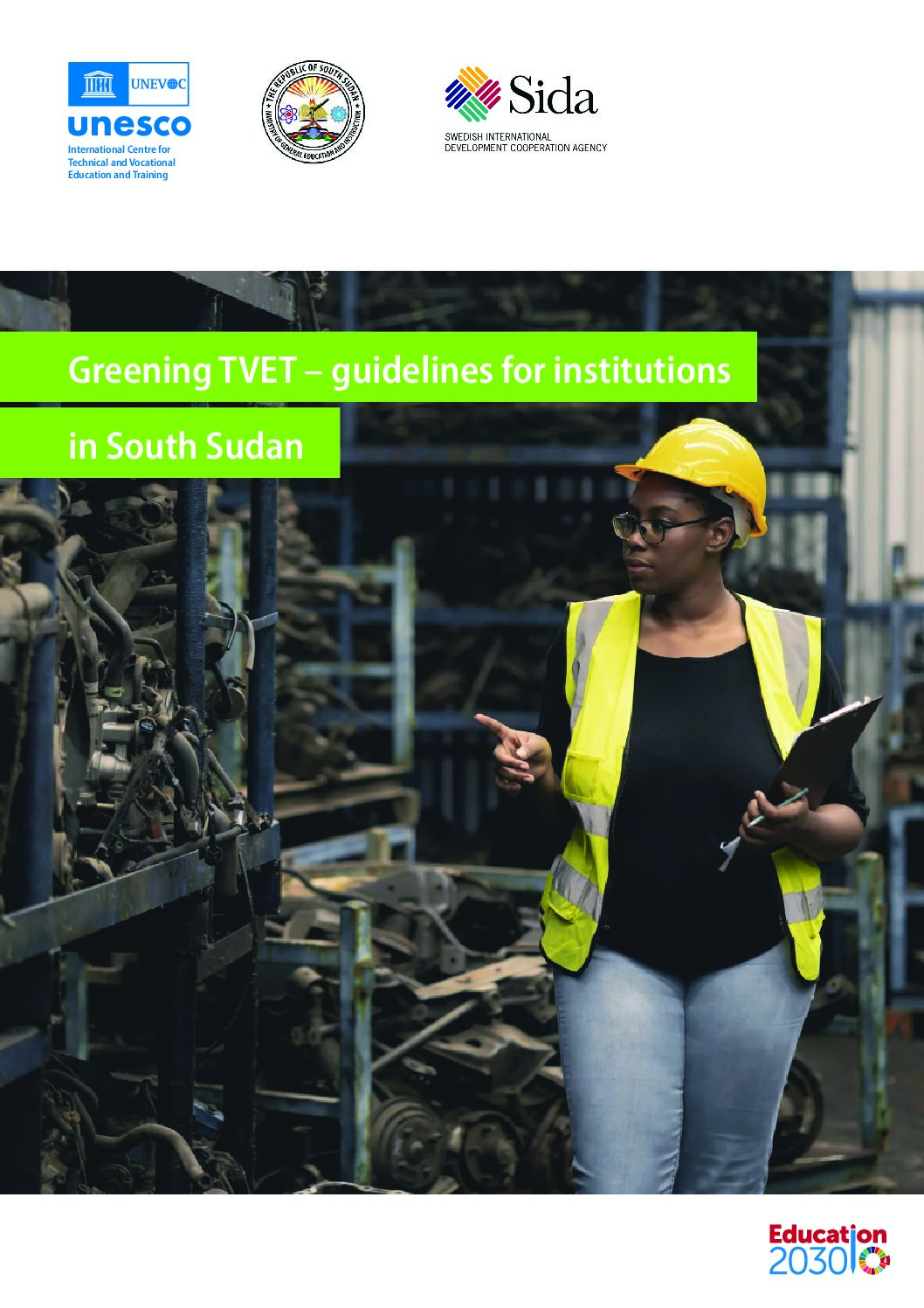
These Greening TVET guidelines provide a comprehensive framework to promote sustainable development within TVET institutions. By showing how to embed environmental sustainability and gender equity into institutional practices, the guidelines aim to equip TVET institutions with the tools needed to foster a green economy.
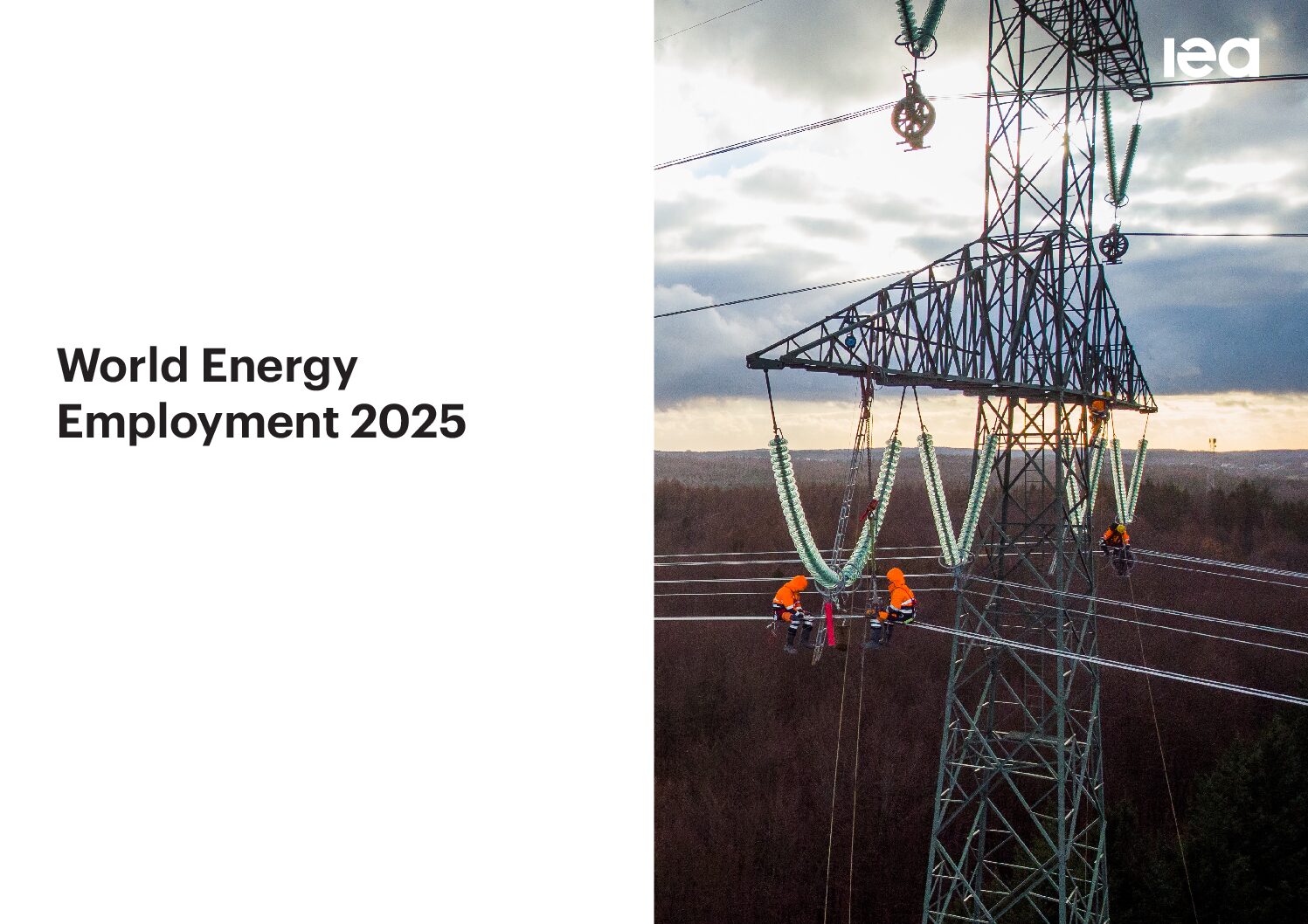
This report provides comprehensive analysis of the global energy workforce, including estimates of its size and distribution across regions, sectors, and technologies. It also assesses how energy labour requirements evolve to 2035 across all IEA scenarios.
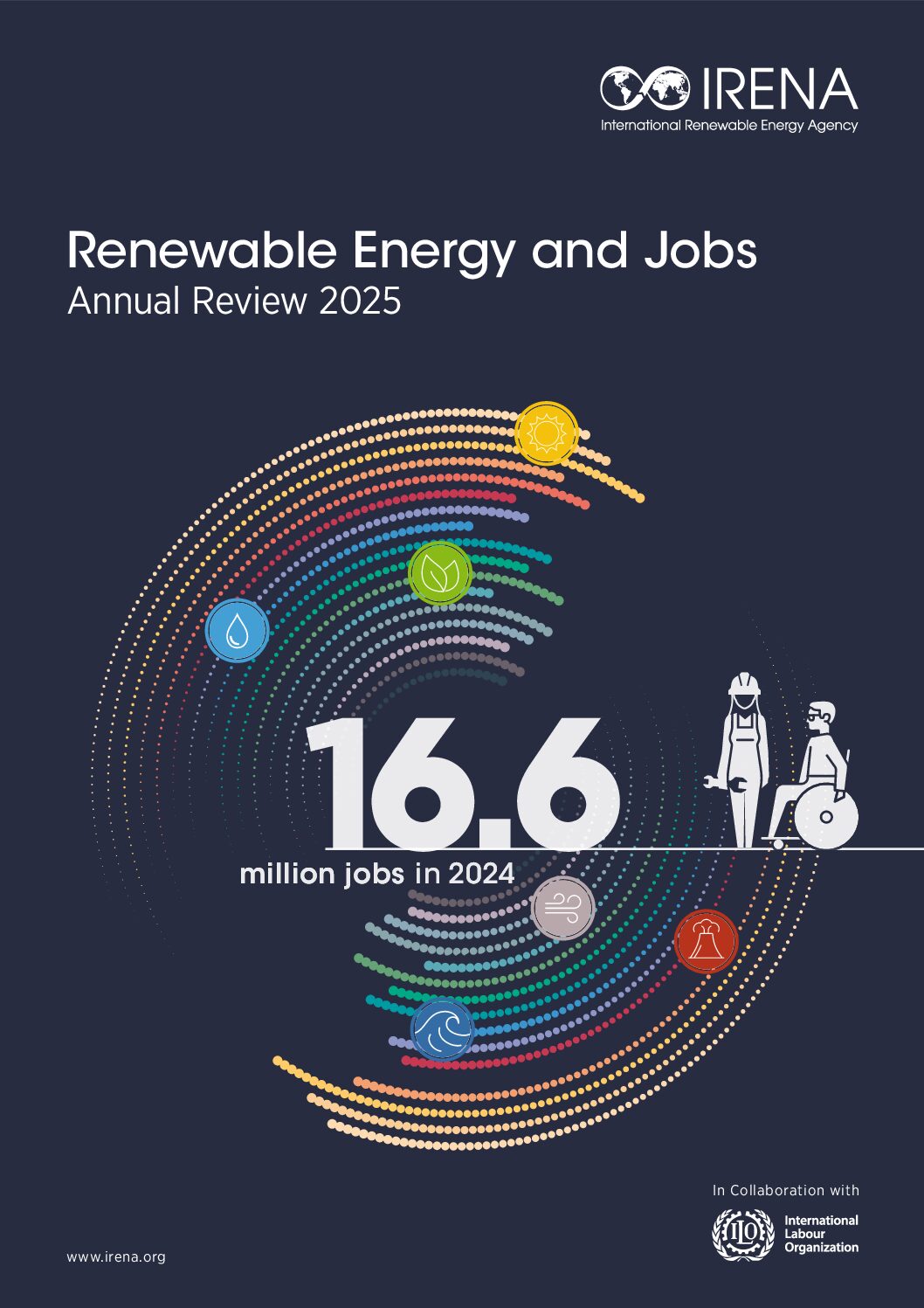
This resource provides the latest data and insights on global renewable energy employment, highlighting trends in renewable energy deployment and supply chains as well as the influence of geopolitical and geoeconomic factors. The resource serves as a valuable tool for stakeholders aiming to understand and address the employment implications of the global shift towards renewable … Continue reading “Renewable energy and jobs: Annual review 2025”

This publication shares the learnings from eight EU-funded research projects on energy behaviour and modelling, and presents their implications for policy design.
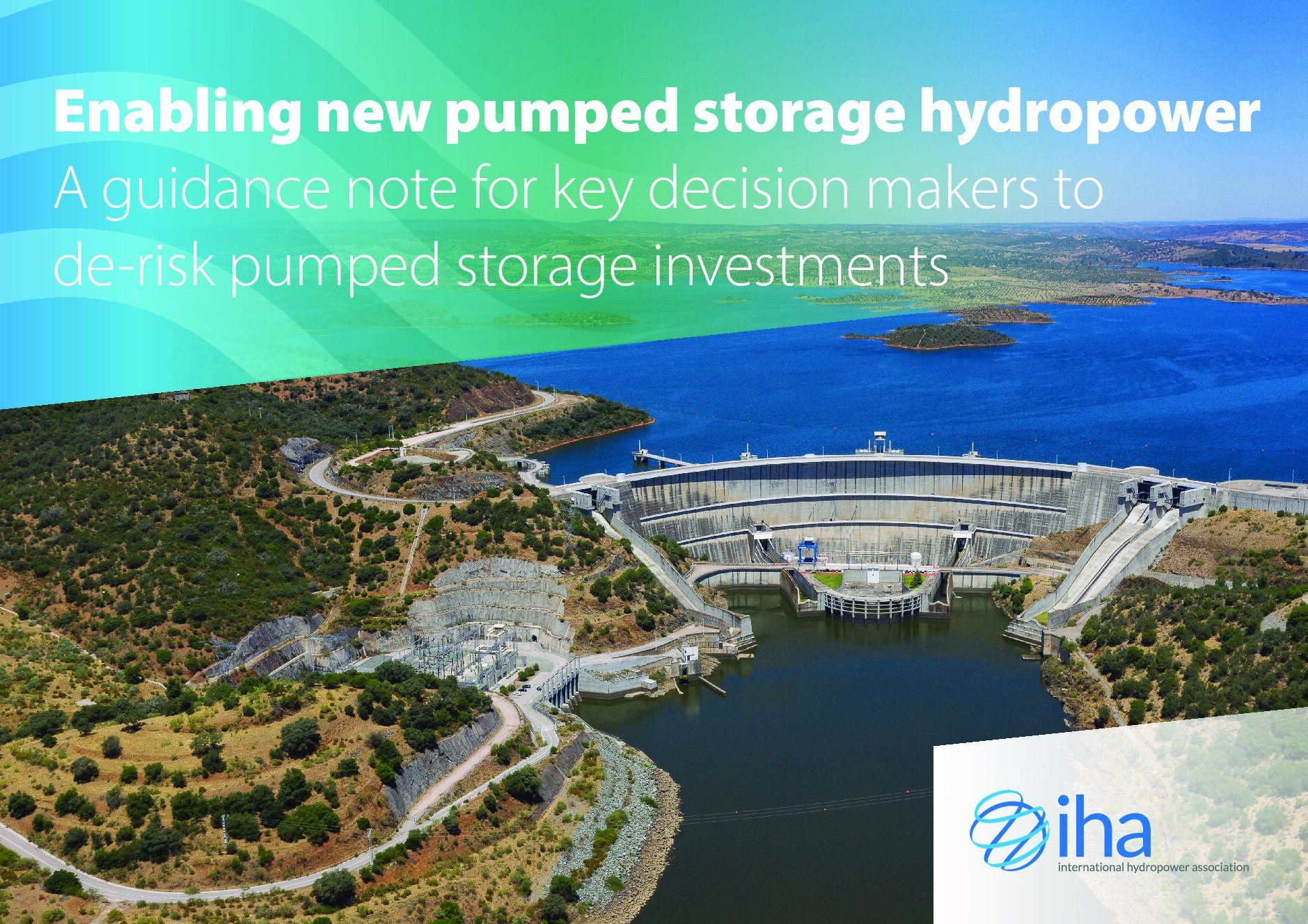
This guidance note outlines the advantages and risks of pumped storage hydropower projects, and provides advice for how projects can be structured and funded.
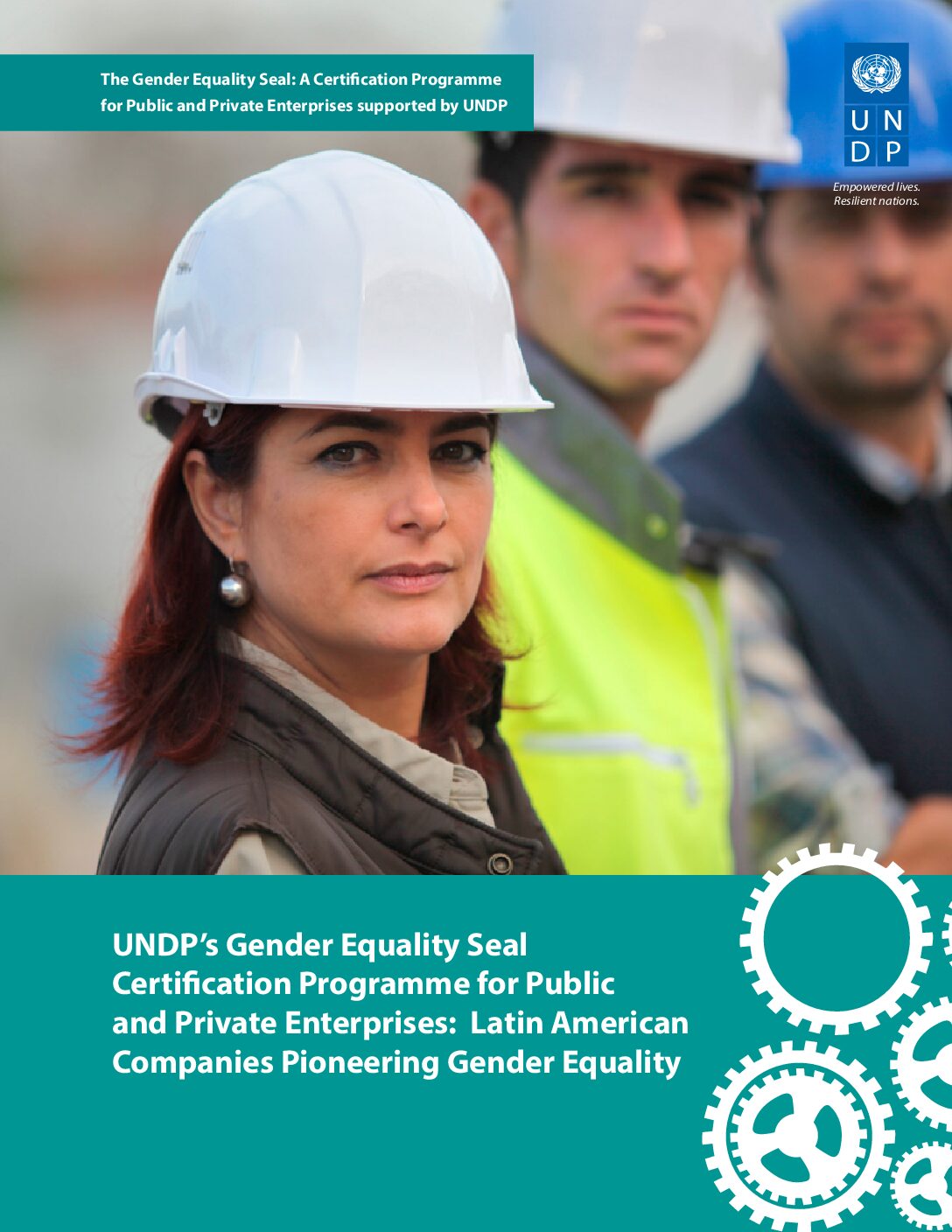
UNDP’s Gender Equality Seal has been implemented under different names in 11 countries and has engaged over 1400 companies. Companies, including many in male-dominated sectors such as the energy sector, can qualify for the seal by following a ten-step plan.
This Chilean government programme, launched in 2019, is a public-private plan that supports energy companies to advance gender equality. It consists of 10 different axes, 14 measures and 40 concrete actions.
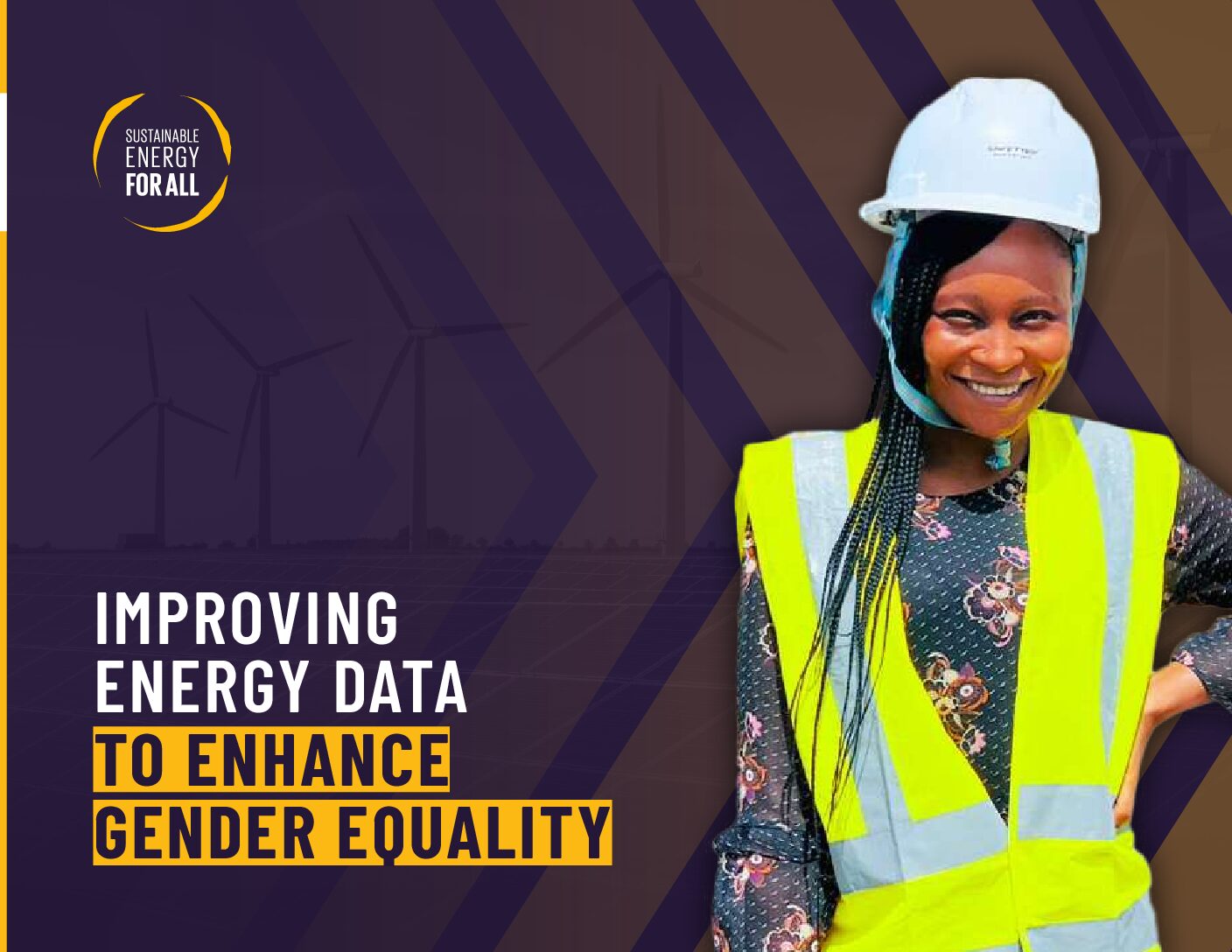
This report provides recommendations for improving the availability of sex-disaggregated and specific gender equality data in the energy sector, to improve decision making and programme design.
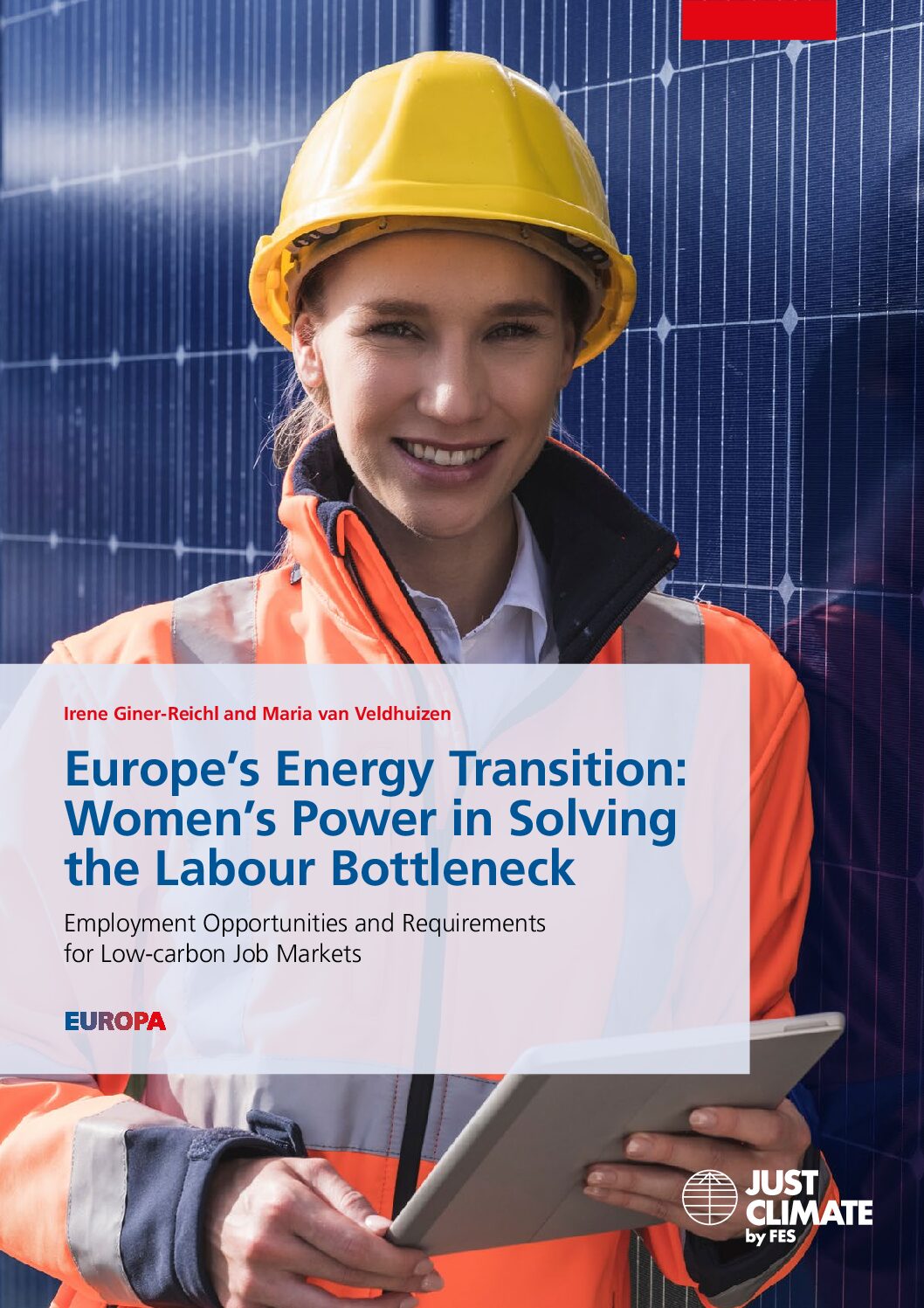
This report investigates labour shortages for the energy transition in Europe and shows just how many more people will be needed in the energy sector by 2030 (See the table on p.4; example: over 600,000 new solar PV technicians and 150,000 wind engineers). On page 7, the report gives a quick overview of key arguments … Continue reading “Europe’s Energy Transition: Women’s Power in Solving the Labour Bottleneck – Employment Opportunities and Requirements for Low-Carbon Job Markets”
This is a how-to-guide by the RRC.AP for practitioners developing GCF projects. It explains the importance of an exit strategy, different exit strategy approaches, and the process for formulating an exit strategy. It also provides good practice examples.