
This report assesses the effectiveness of women in energy networks worldwide and offers best practices and recommendations for networks under development or those aiming to enhance their impact.
UNDP’s Gender Equality Seal has been implemented under different names in 11 countries and has engaged over 1400 companies. Companies, including many in male-dominated sectors such as the energy sector, can qualify for the seal by following a ten-step plan.
This Chilean government programme, launched in 2019, is a public-private plan that supports energy companies to advance gender equality. It consists of 10 different axes, 14 measures and 40 concrete actions.
This report provides recommendations for improving the availability of sex-disaggregated and specific gender equality data in the energy sector, to improve decision making and programme design.
This report investigates labour shortages for the energy transition in Europe and shows just how many more people will be needed in the energy sector by 2030 (See the table on p.4; example: over 600,000 new solar PV technicians and 150,000 wind engineers). On page 7, the report gives a quick overview of key arguments … Continue reading “Europe’s Energy Transition: Women’s Power in Solving the Labour Bottleneck – Employment Opportunities and Requirements for Low-Carbon Job Markets”
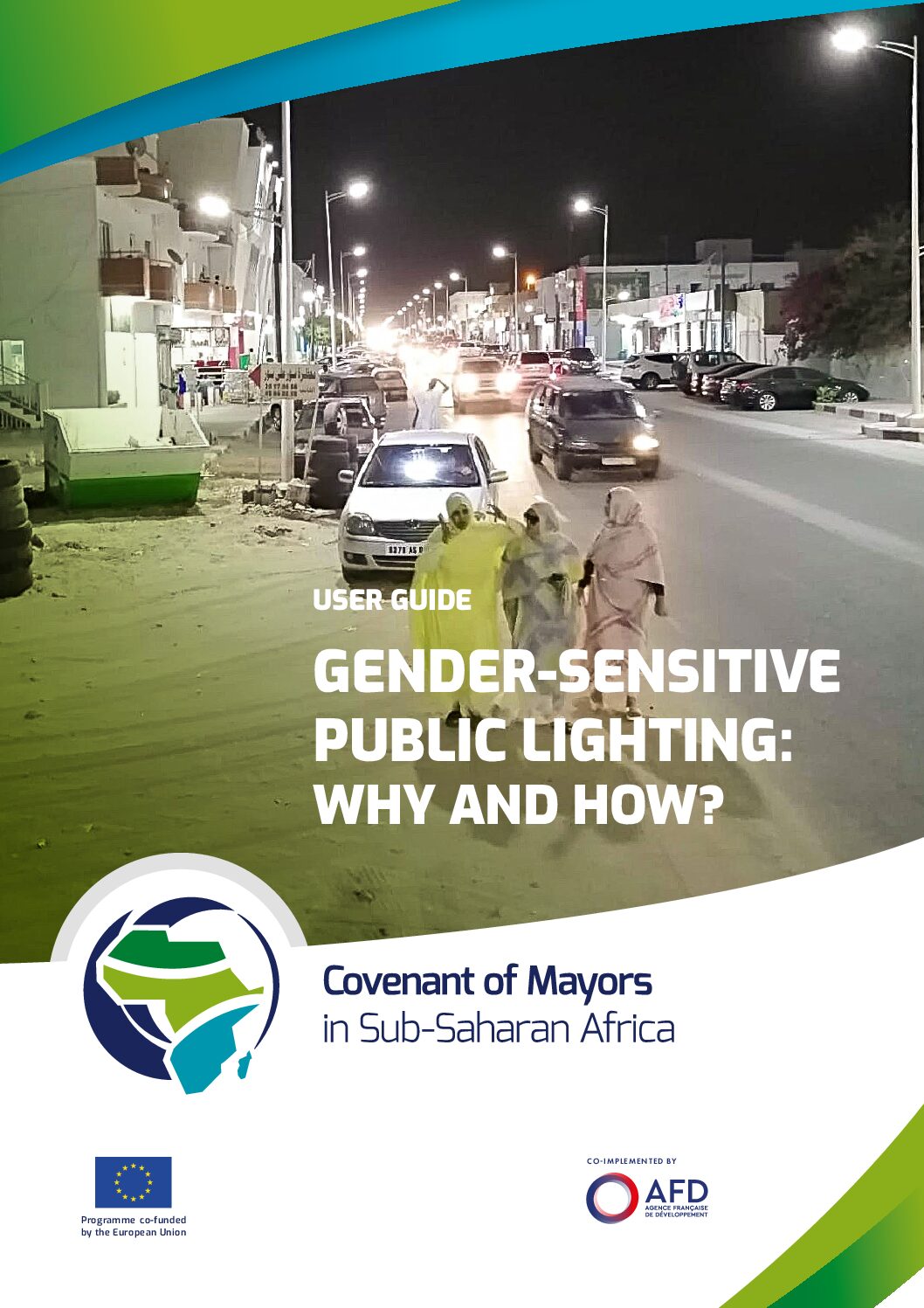
This guide by the Covenant of Mayors of Sub-Saharan Africa shows that urban planning tends to be gender blind, with the design of urban street lighting as a key example. It provides a manual, aimed at African cities, on how to develop gender-responsive public lighting projects. English: https://comssa.org/download/rxeWs6zcOXbTl8qRidGZ9nCB7EFAI4Pa/Gender-sensitive-public-lighting.pdf French: https://comssa.org/download/U3kjdTBHqV6FGKfoI71EgLY2wZrSvtz8/Eclairage-public-sensible-au-genre.pdf
This is a how-to-guide by the RRC.AP for practitioners developing GCF projects. It explains the importance of an exit strategy, different exit strategy approaches, and the process for formulating an exit strategy. It also provides good practice examples.
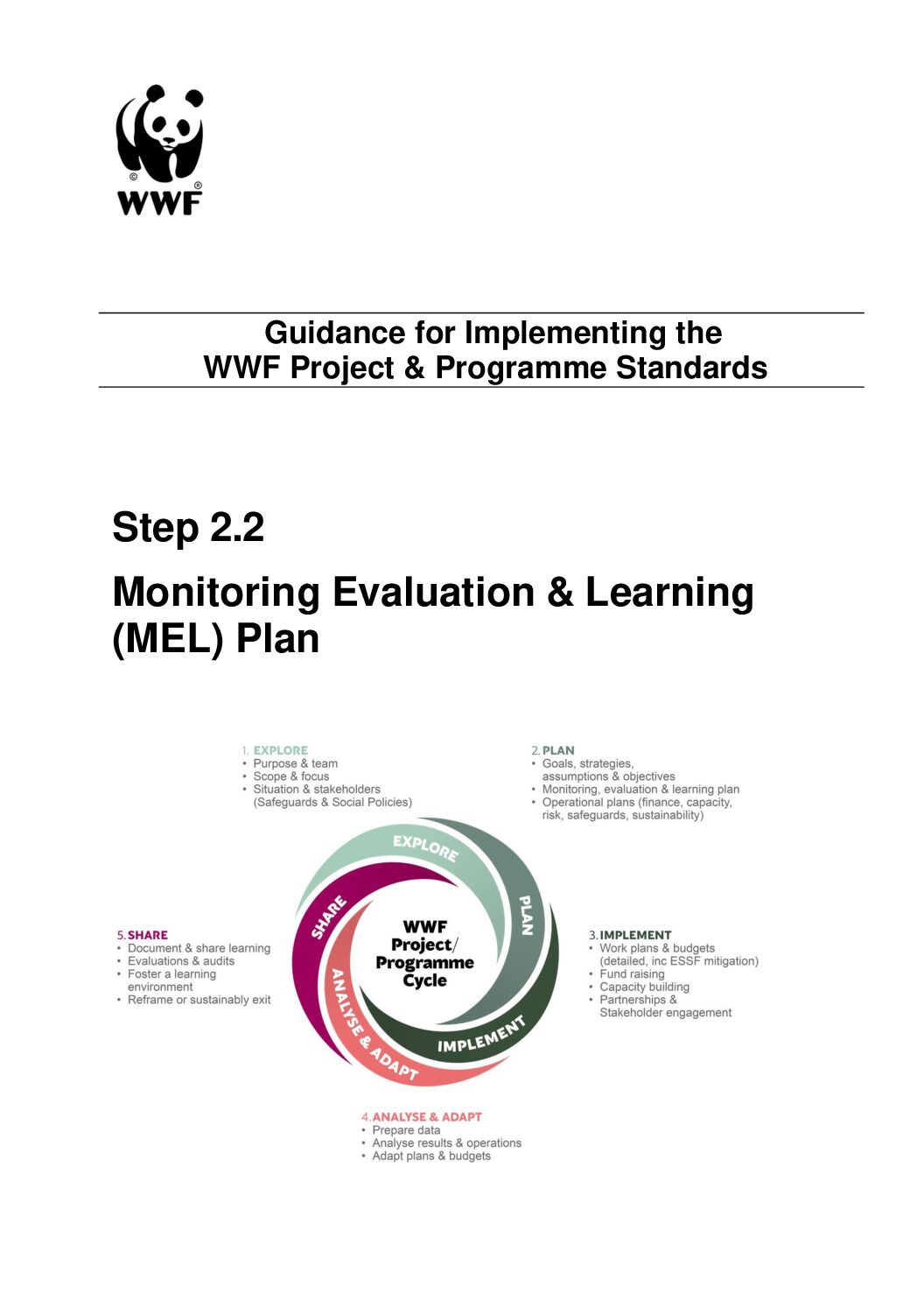
This guide by the WWF explains the process of developing a monitoring, evaluation and learning plan for your project.
This page is part of a UNDP guide to enterprise risk management (ERM). It explains how to identify risks, how to classify them and how to determine a response.
This guide walks you through the different stages of developing a logical framework for a climate project. It was written for practitioners developing concepts for large Green Climate Fund programmes, so you may not need to include all of the aspects in your proposal, but it is nonetheless useful to know what funders like to … Continue reading “Developing a Basic Logical Framework for your Concept Note”