
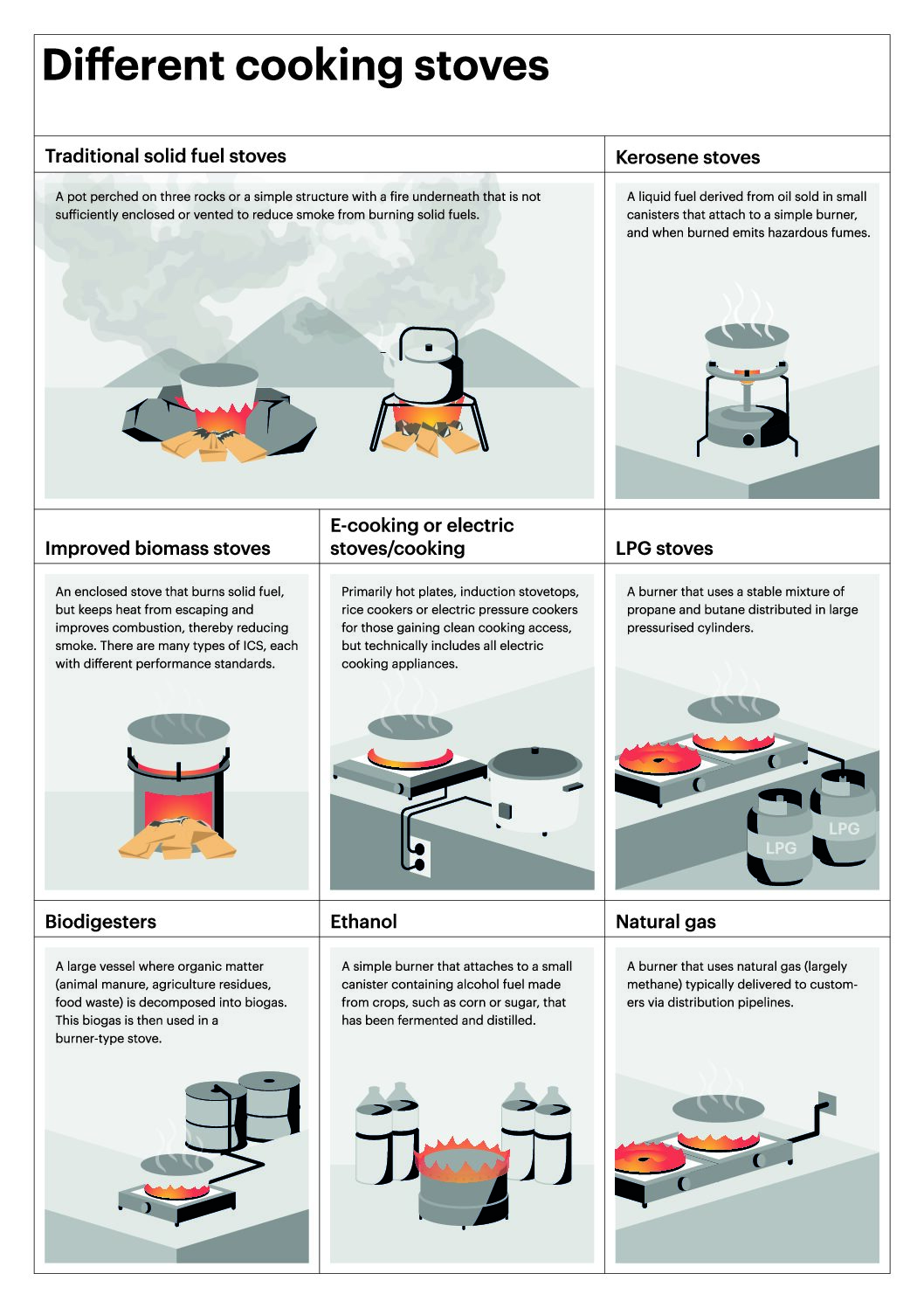
This IEA infographic gives a quick overview of different cooking technologies, and outlines each technology’s advantages and disadvantages in terms of health, gender and environmental impacts, as well as costs, scalability and efficiency.
This page provides an introduction to energy transition challenges in the industrial sector. It also tracks progress, presents data and lists seven key recommendations to policymakers and businesses.
This page provides an overview of energy intensity statistics for 2024. By clicking on the map, you can see per country how the energy intensity of its economy has developed since 1990.
This webpage provides an introduction to smart grids, an overview of recent progress and recommendations for governments and utilities.
This Chilean government programme, launched in 2019, is a public-private plan that supports energy companies to advance gender equality. It consists of 10 different axes, 14 measures and 40 concrete actions.
This article by ILO’s International Training Centre explains the importance of learning objectives, introduces the competencies framework, and provides a practical guide for writing effective learning objectives.
The Global Innovation Hub aims to promote transformative innovations for a low-emission and climate-resilient future.
Institutions all over the world are setting up microcredentials in responses to calls from governments and industry: short courses, usually offered online by accredited institutions, with an emphasis on the needs of the workplace. They are also often used for retraining and upskilling. This book explains how to start offering microcredentials as an academic institution.
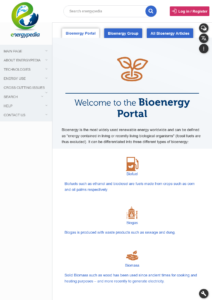
This web portal provides an extensive introduction into bioenergy technology, policy, financing and more.
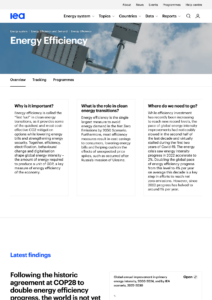
This web page provides an introduction to energy efficiency, as well as key data and recommendations.