
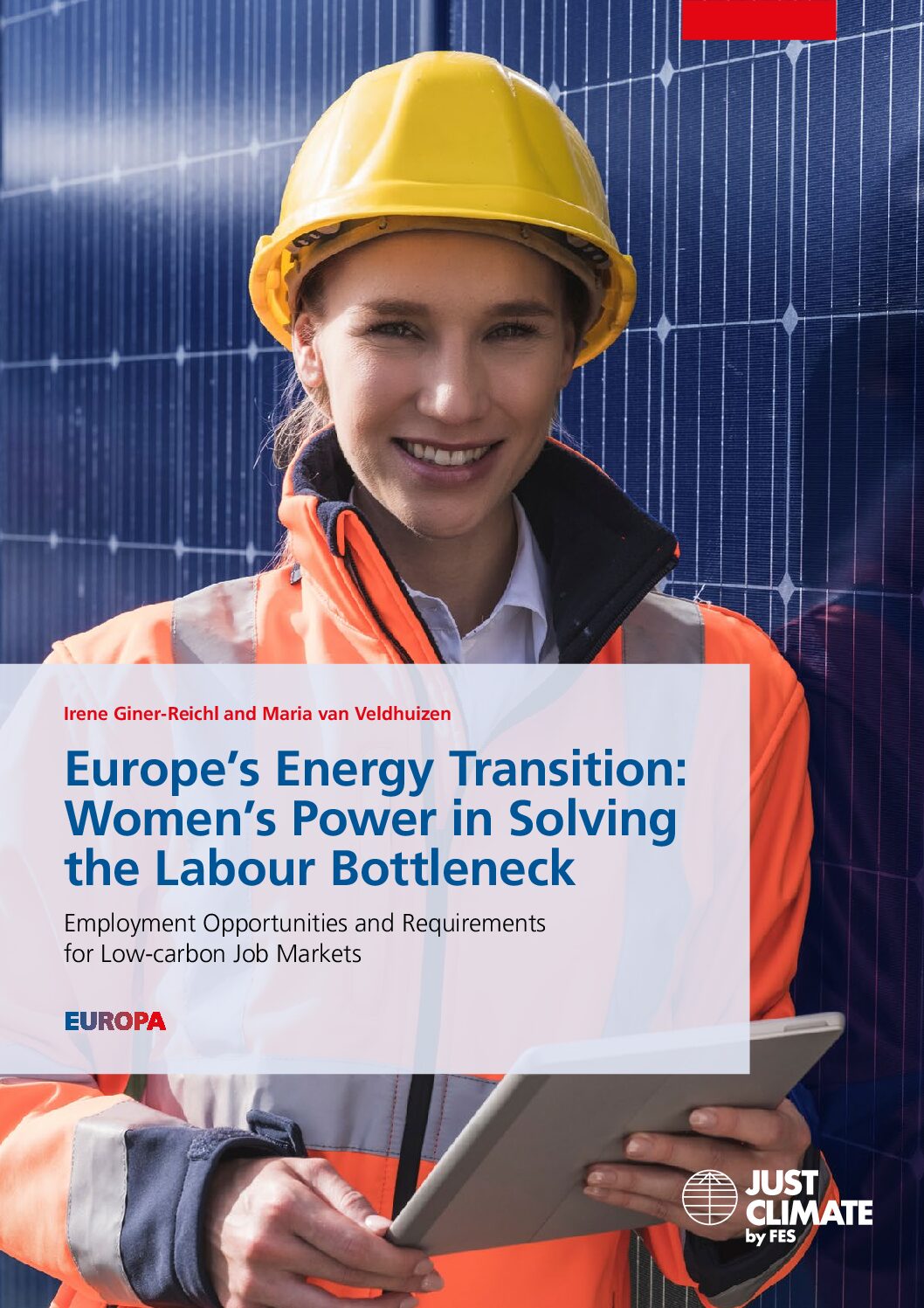
This report investigates labour shortages for the energy transition in Europe and shows just how many more people will be needed in the energy sector by 2030 (See the table on p.4; example: over 600,000 new solar PV technicians and 150,000 wind engineers). On page 7, the report gives a quick overview of key arguments … Continue reading “Europe’s Energy Transition: Women’s Power in Solving the Labour Bottleneck – Employment Opportunities and Requirements for Low-Carbon Job Markets”
This study explores the impact of energy poverty on the health gap between men and women in Ghana, showing that, especially in households suffering from energy poverty, women report significantly worse health than men.
This factsheet by the EU project ‘Empowering Women to take Action Against Energy Poverty’ (EmpowerMed) gives an overview of the different dimensions that should be considered when tackling gender and energy poverty.
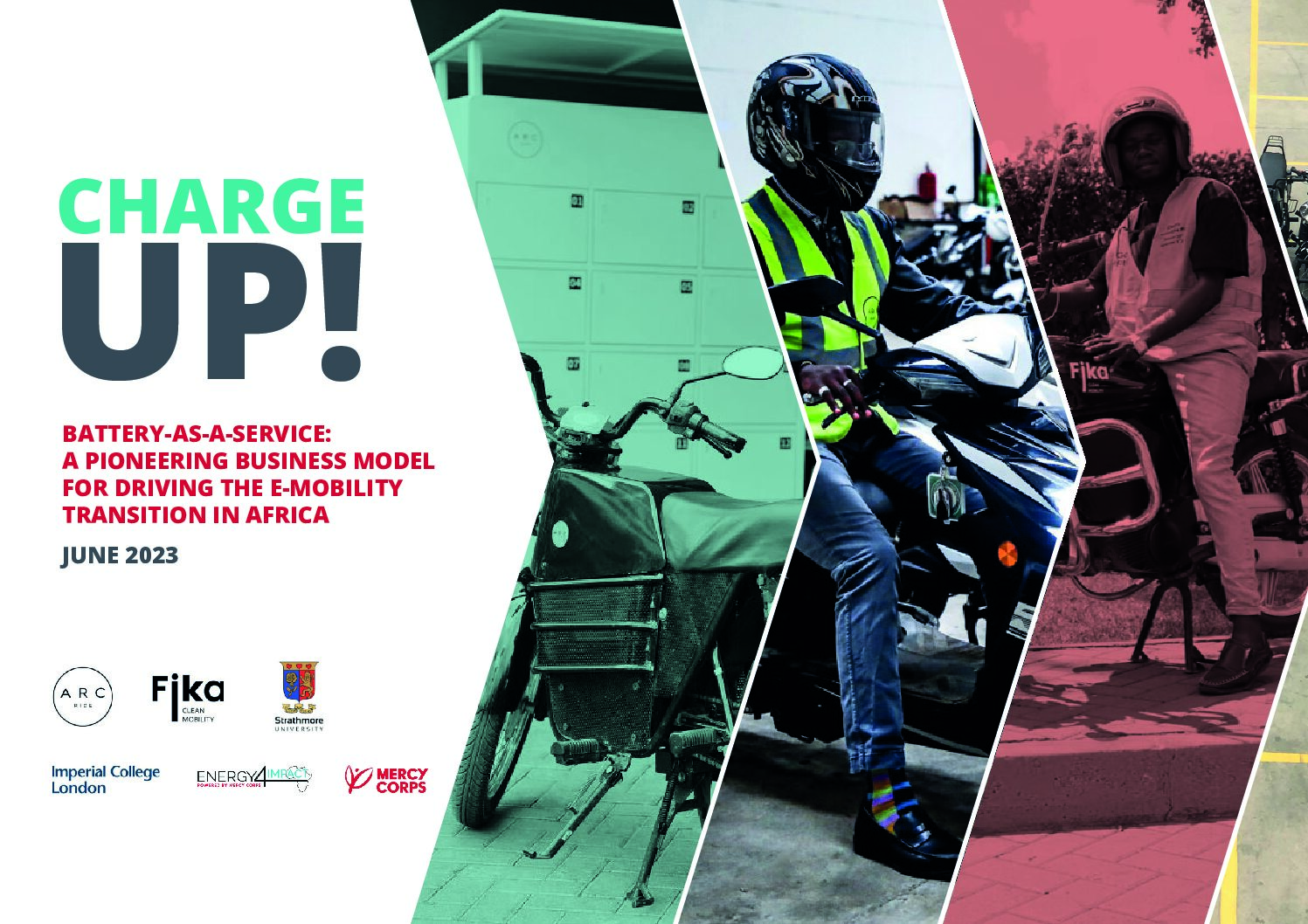
This report investigates different models for the deployment of e-bike fleets and charging/swapping infrastructures in sub-Saharan Africa. It highlights the potential advantages of battery swapping for riders, highlights emerging best practice for Batteries as a Service, and provides recommendations on policy, regulation and financing to support uptake of e-motorcycles and the growth of BaaS in … Continue reading “Charge Up! Battery-as-a-service: A pioneering business model for driving the e-mobility transition in Africa”
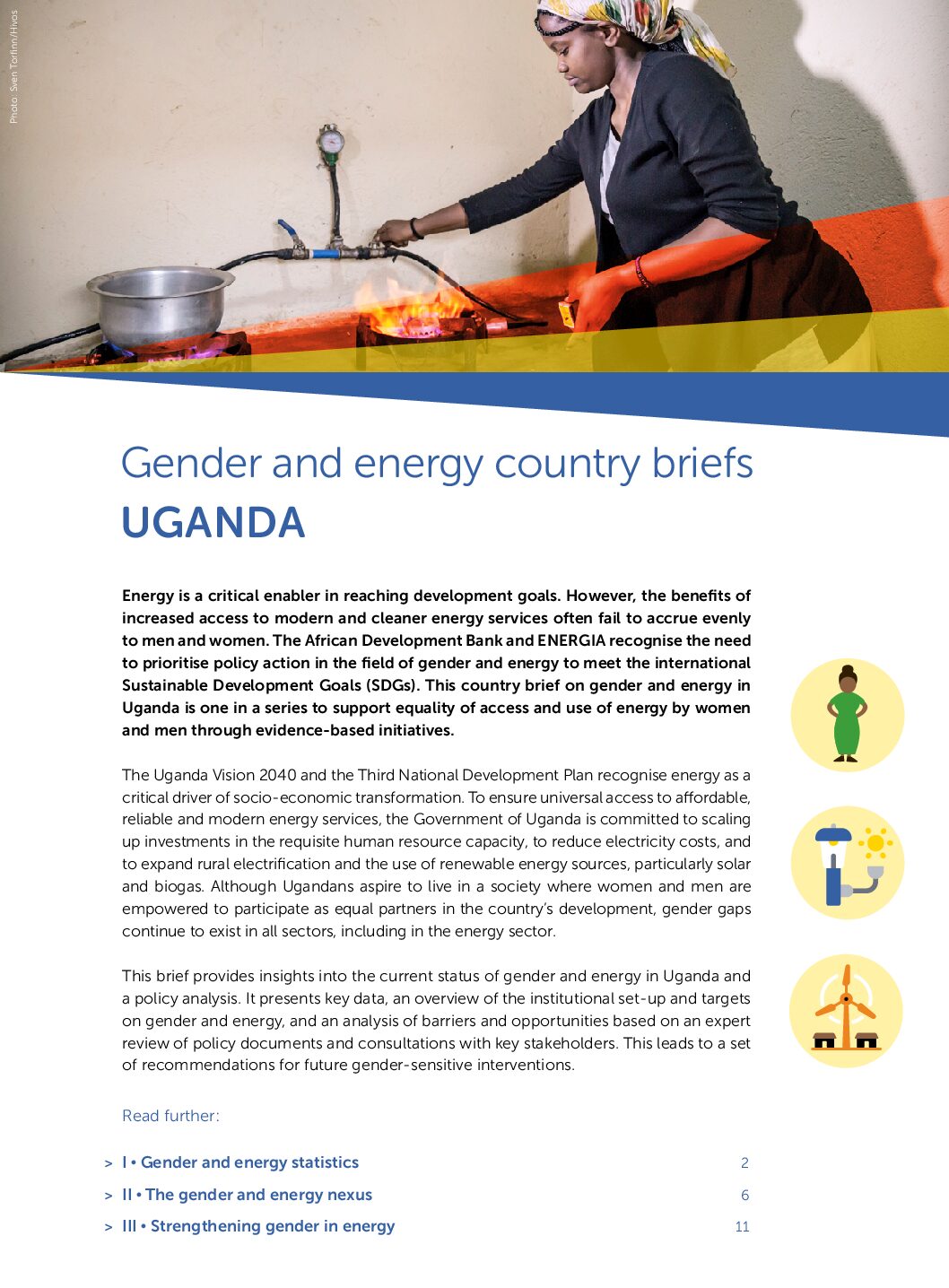
This brief provides statistics about gender and energy in Uganda, as well as an analysis of relevant policies and recommendations to further close gender gaps.
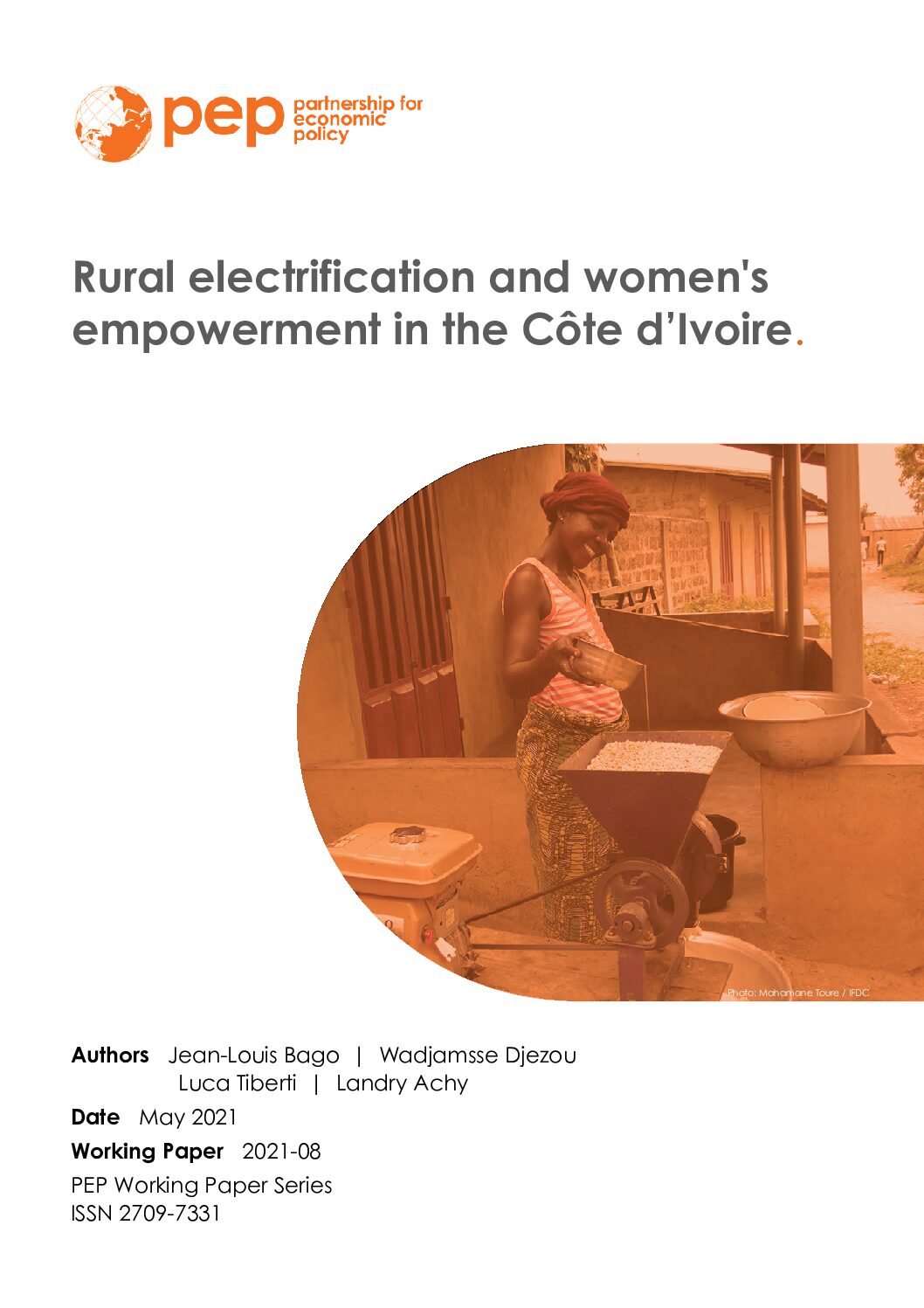
This report assesses the impact of the Ivorian National Rural Electrification Programme on the lives and empowerment of rural women.
This report provides an extensive analysis of the Ivorian energy sector and the links with gender equality.
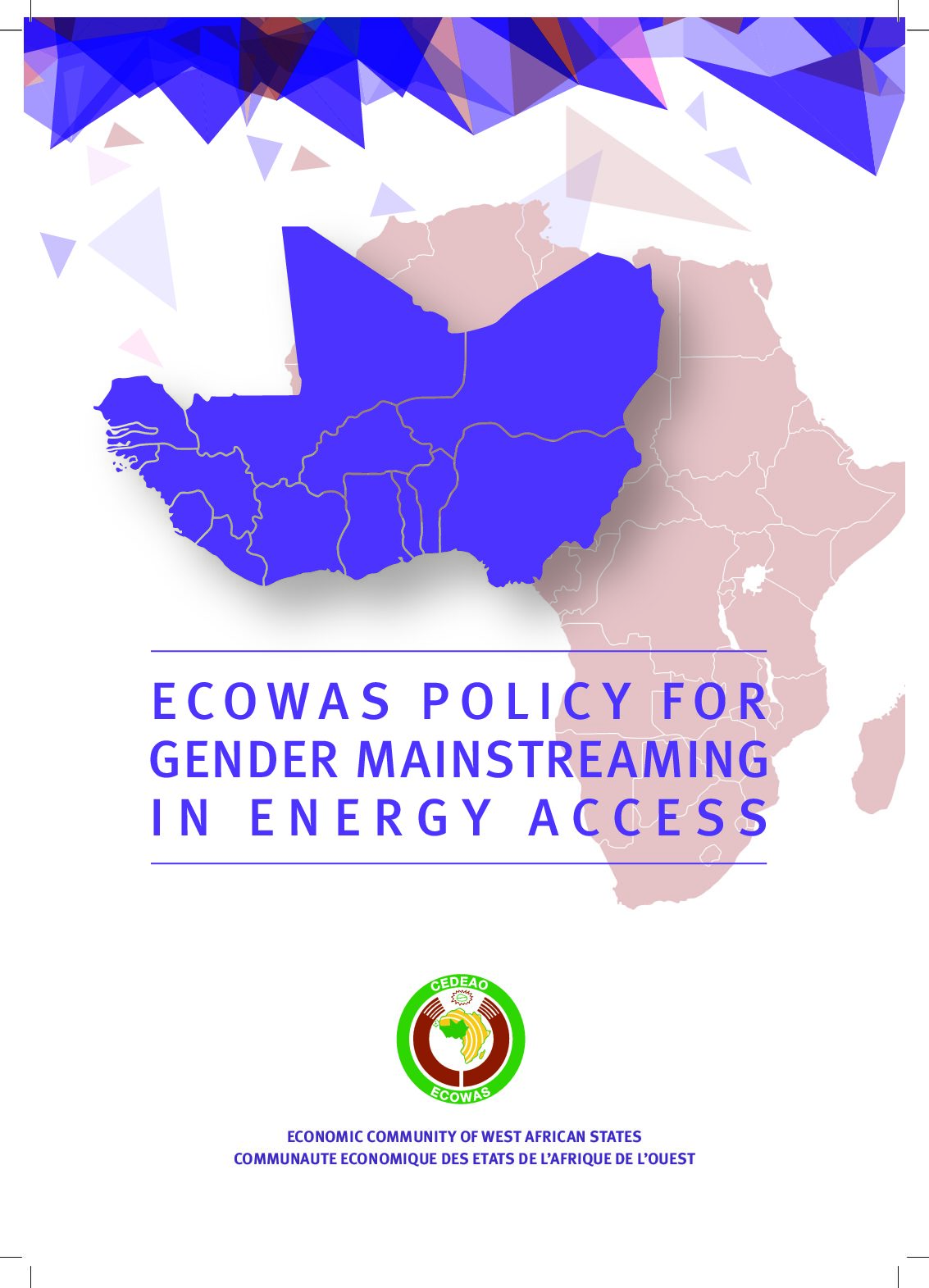
This is a good practice example of a regional policy that mainstreams gender equality concerns in energy access policies and programmes.
This is a good practice example of a ministerial agreement to promote the design and implementation of gender-inclusive strategies in the Ecuadorian energy sector.
This article investigates the benefits to women of electricity access, beyond just economic benefits.