
This page provides an introduction to energy transition challenges in the industrial sector. It also tracks progress, presents data and lists seven key recommendations to policymakers and businesses.

The Industrial Deep Decarbonisation Initiative, established by the UN Industrial Development Organization (UNIDO) and the Clean Energy Ministerial, is a coalition of governments and companies. Among its goals, it seeks to motivate governments, which are major buyers of steel, cement and concrete for infrastructure projects, to apply sustainable procurement principles and prioritise the buying of […]
This report highlights the importance of sector coupling as a key source of flexibility that cities can explore to stabilise power grid operations when integrating high shares of variable renewable energy sources. It presents a range of sector coupling opportunities available for use in cities, including self-consumption of variable RE sources, the role of thermal […]
This is a good practice example of a regional policy that mainstreams gender equality concerns in energy access policies and programmes.
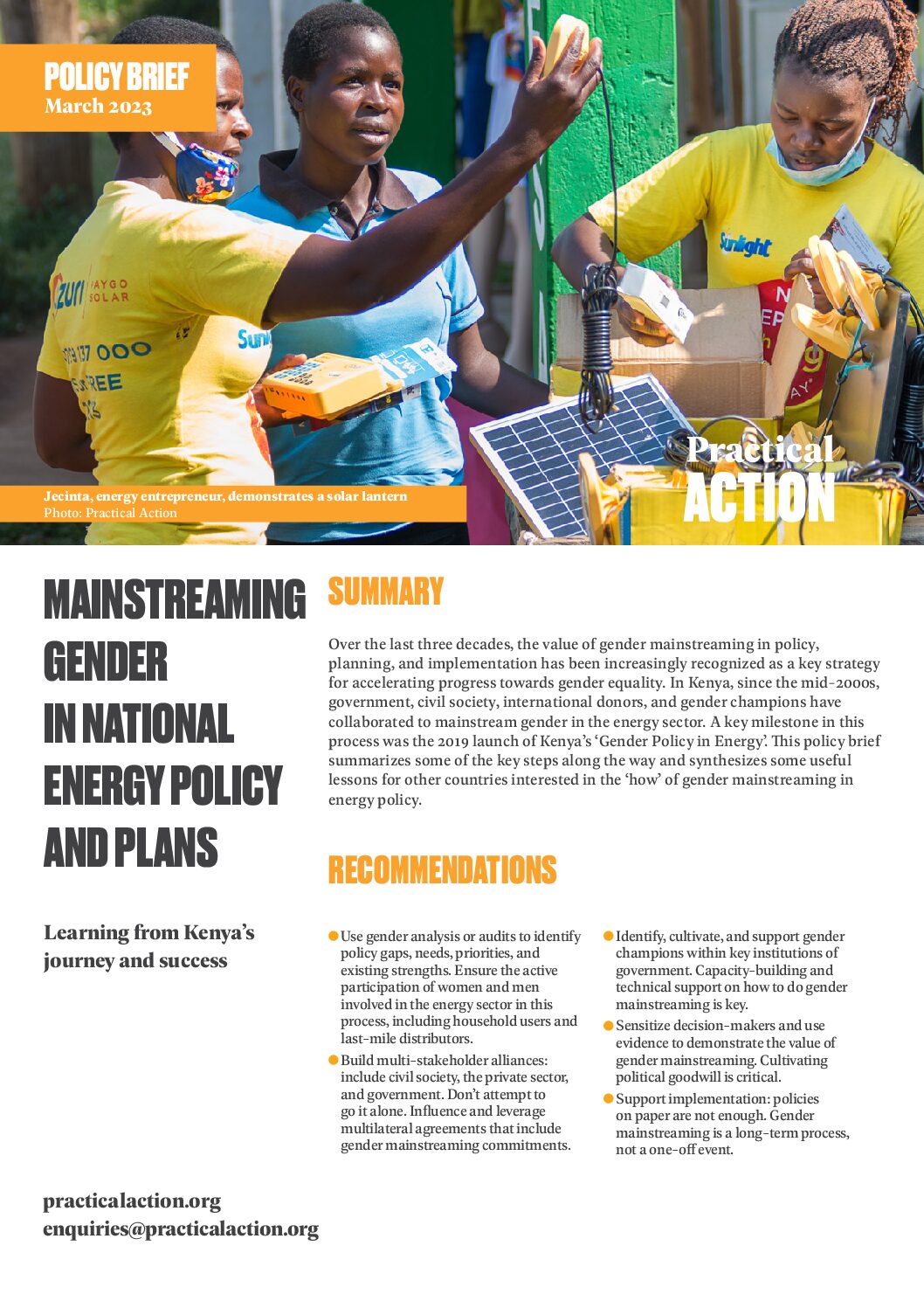
This brief shares learnings about mainstreaming gender in energy policies, based on the process through which the Government of Kenya developed its Gender Policy in Energy.
This is a good practice example of a gender policy for a national energy ministry.
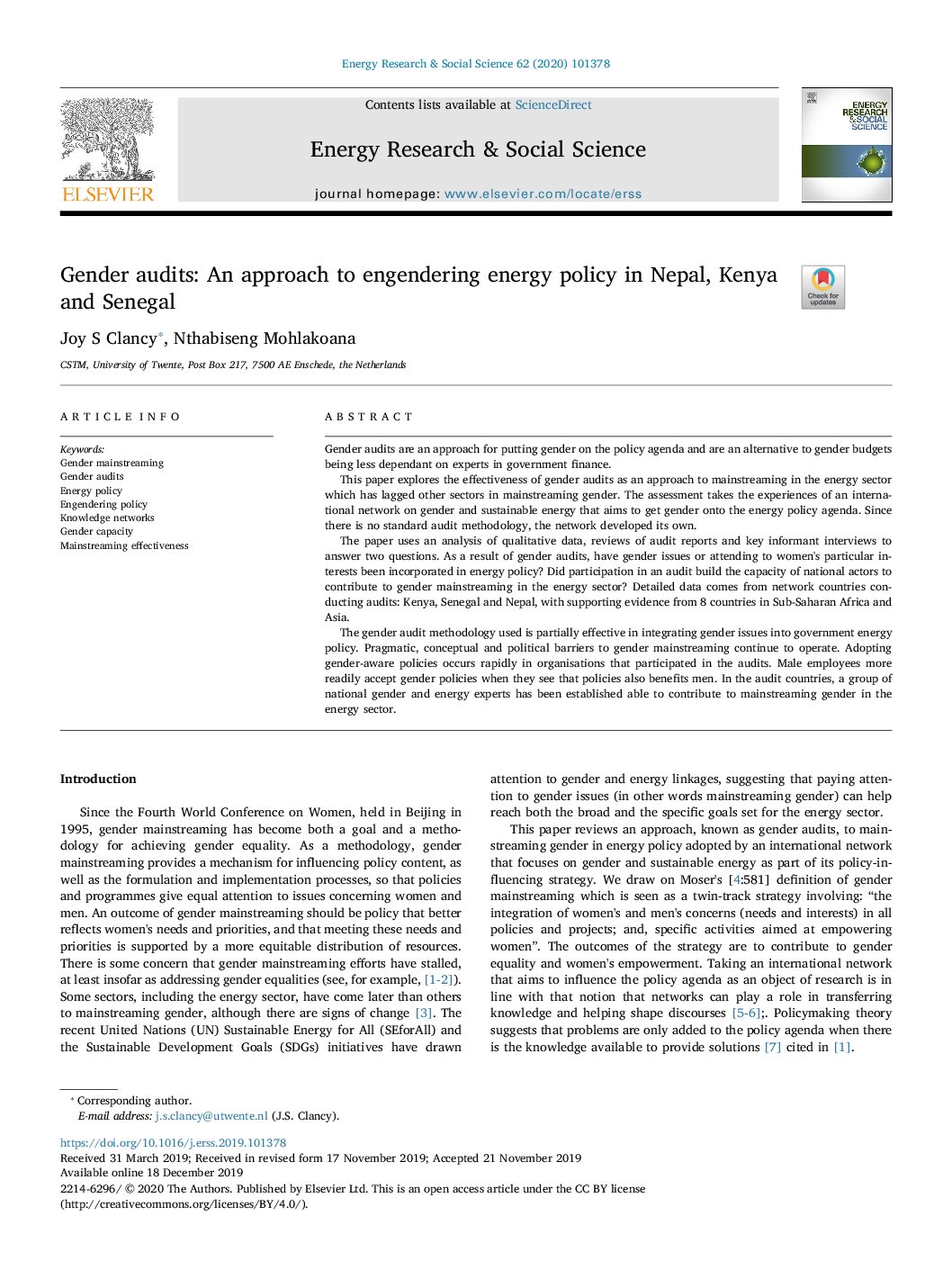
This article assesses the effectiveness of gender audits to mainstream gender in energy policy.
This report considers the challenges faced by developers implementing renewable energy projects in the SADC region, analyzes existing prefeasibility or early-stage project preparation funds in the region and globally to assess if they effectively support project developers, and provides recommendations on how to improve and scale up these facilities.
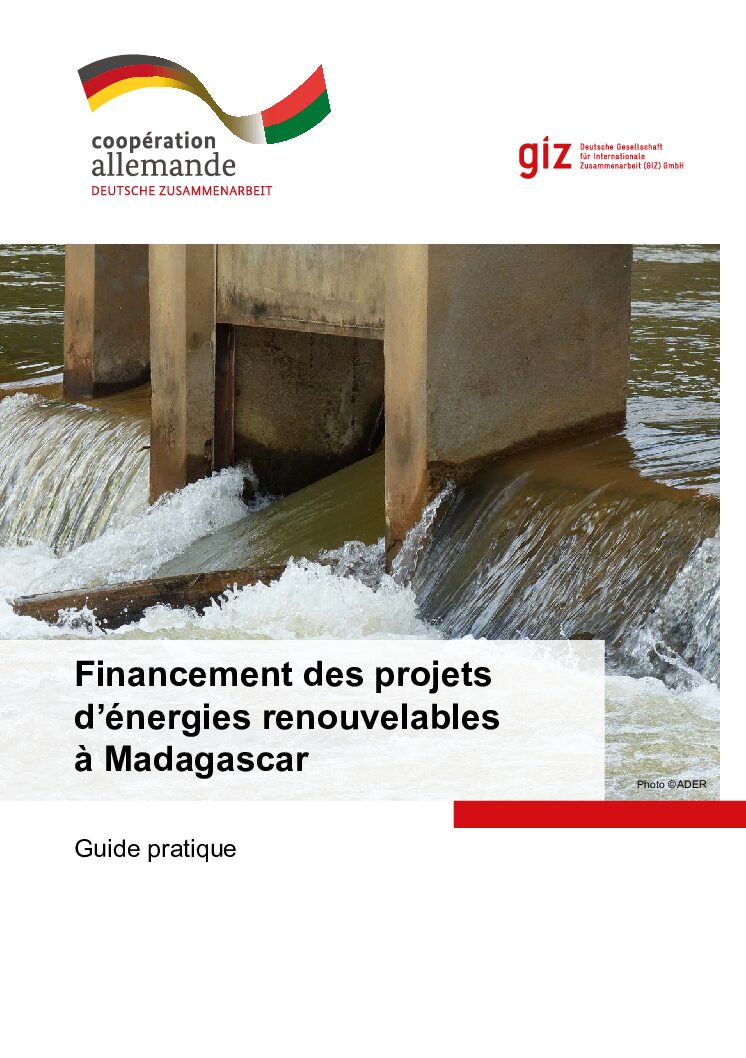
This handbook examines financing mechanisms suitable for the renewable energy access sector in Madagascar, and provides advice on preparing financing applications.
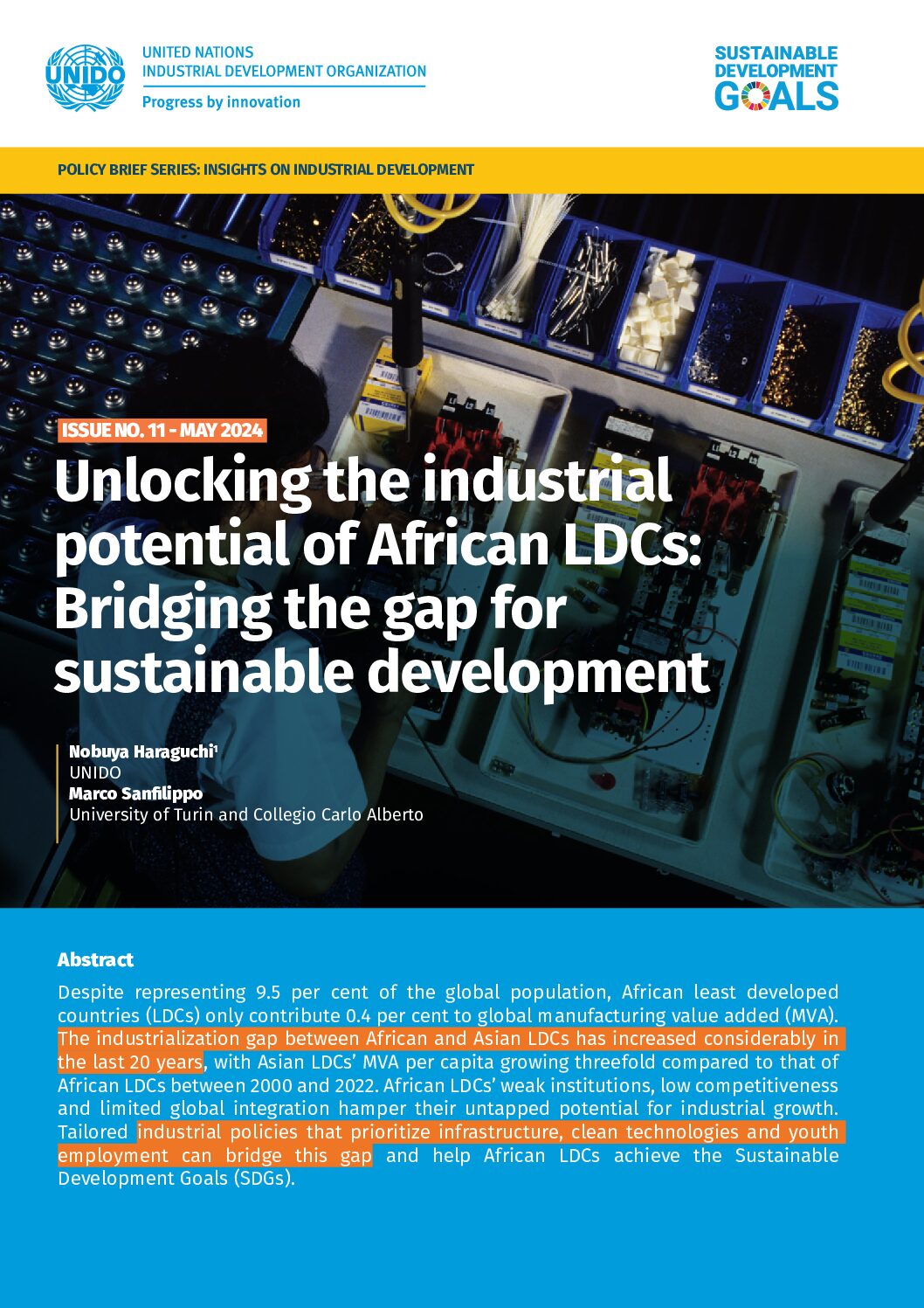
This brief discusses how African LDCs can develop industrial policies that prioritise infrastructure, clean technologies and youth employment.