
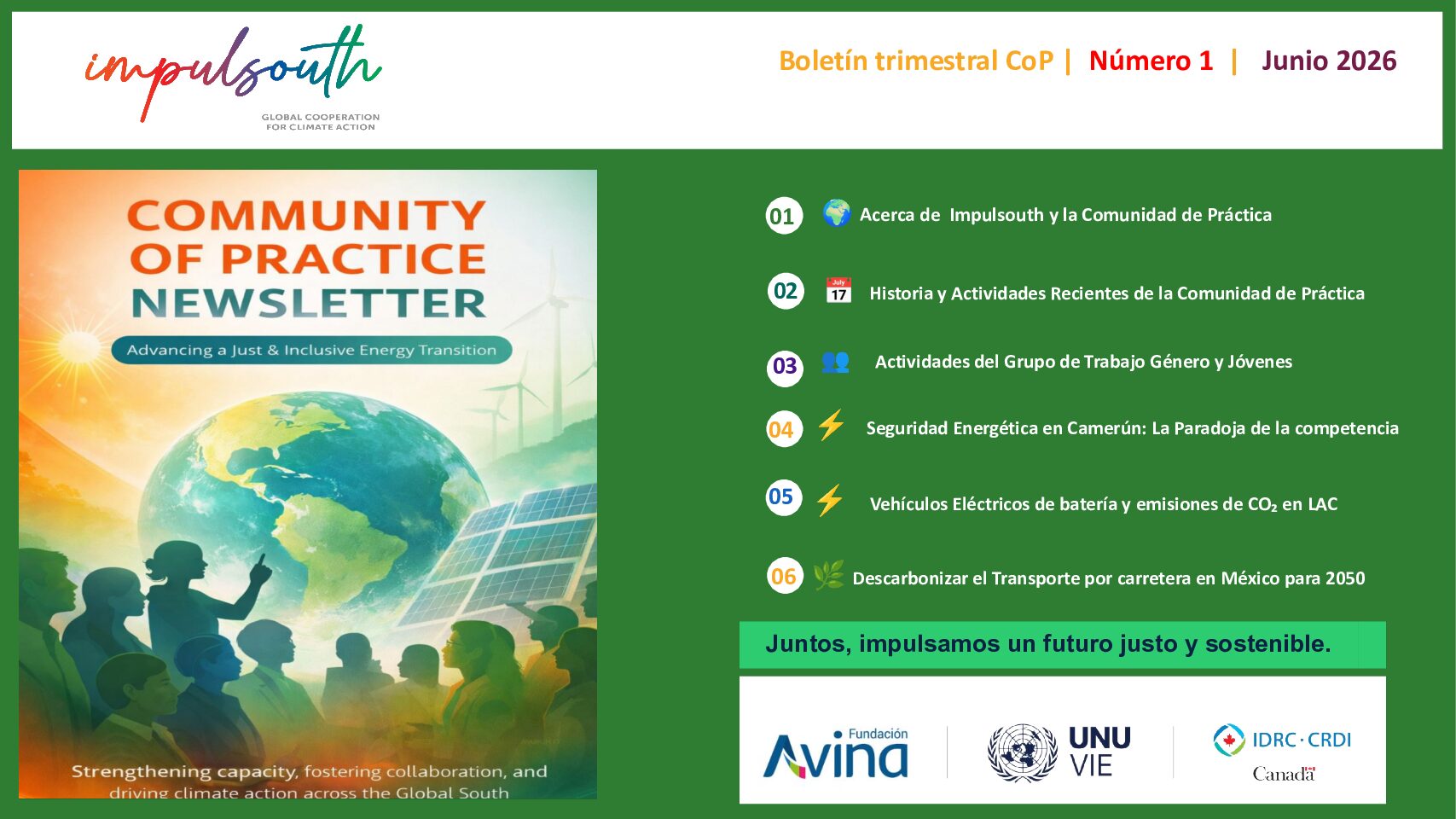
Este es el boletín de la Comunidad de Práctica (CoP) Impulsouth. La CoP es una plataforma colaborativa que fortalece las capacidades dentro del sector energético, apoyando una transición energética justa e inclusiva con un enfoque en la igualdad de género. Al reunir a diversos actores, la CoP promueve el intercambio de conocimientos, fortalece la capacidad … Continue reading “Boletín trimestral de la CoP – Número 1 – junio de 2026”
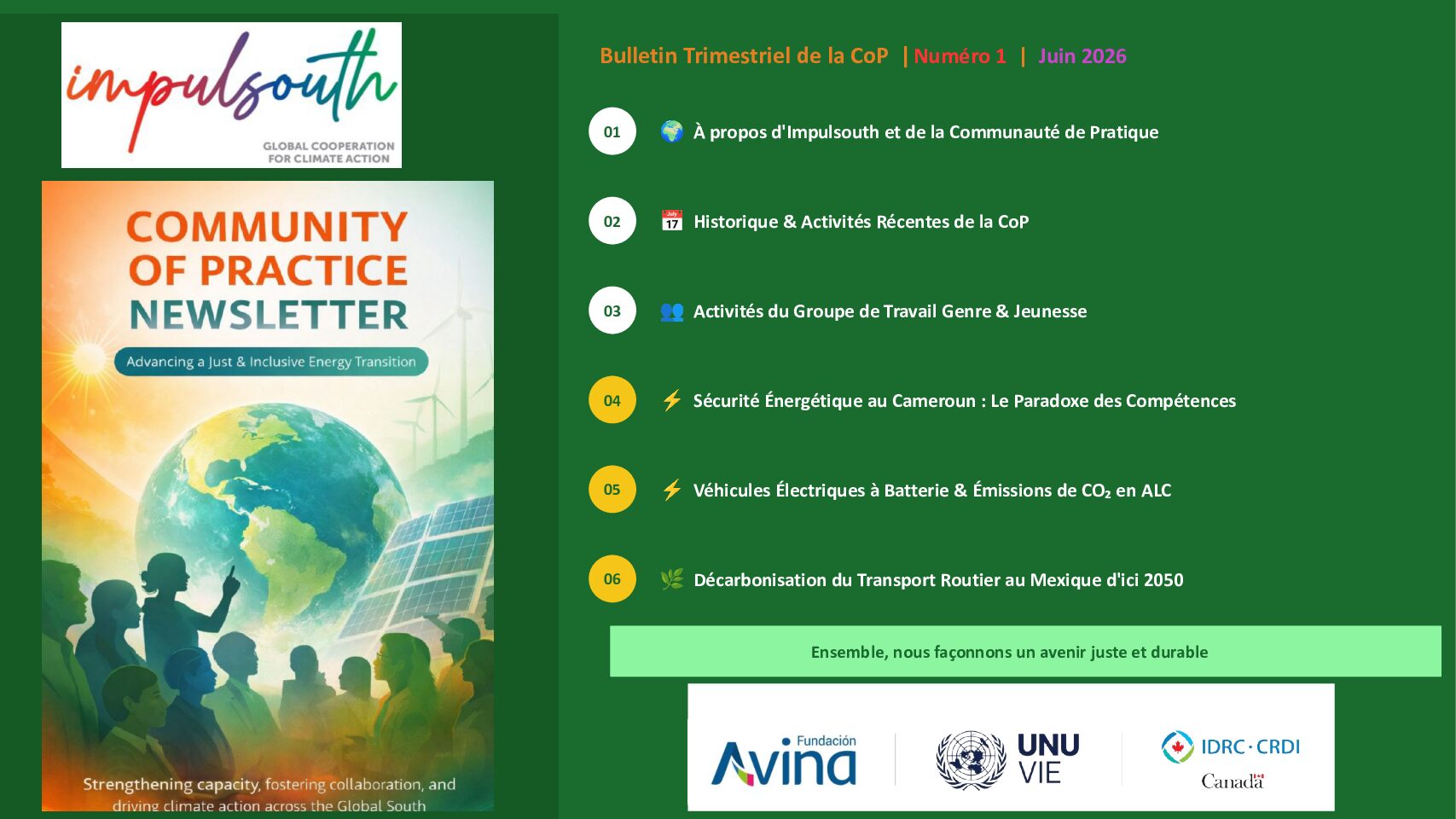
Voici le bulletin d’information de la Communauté de Pratique (CoP) d’Impulsouth. La CoP est une plateforme collaborative qui renforce les capacités dans le secteur de l’énergie, en soutenant une transition énergétique juste et inclusive, avec un fort accent sur l’égalité de genre. Réunissant diverses parties prenantes, la CoP favorise le partage de connaissances, renforce les … Continue reading “Bulletin trimestriel de la Communauté de Pratique (CoP) d’Impulsouth – Numéro 1 – Juin 2026”
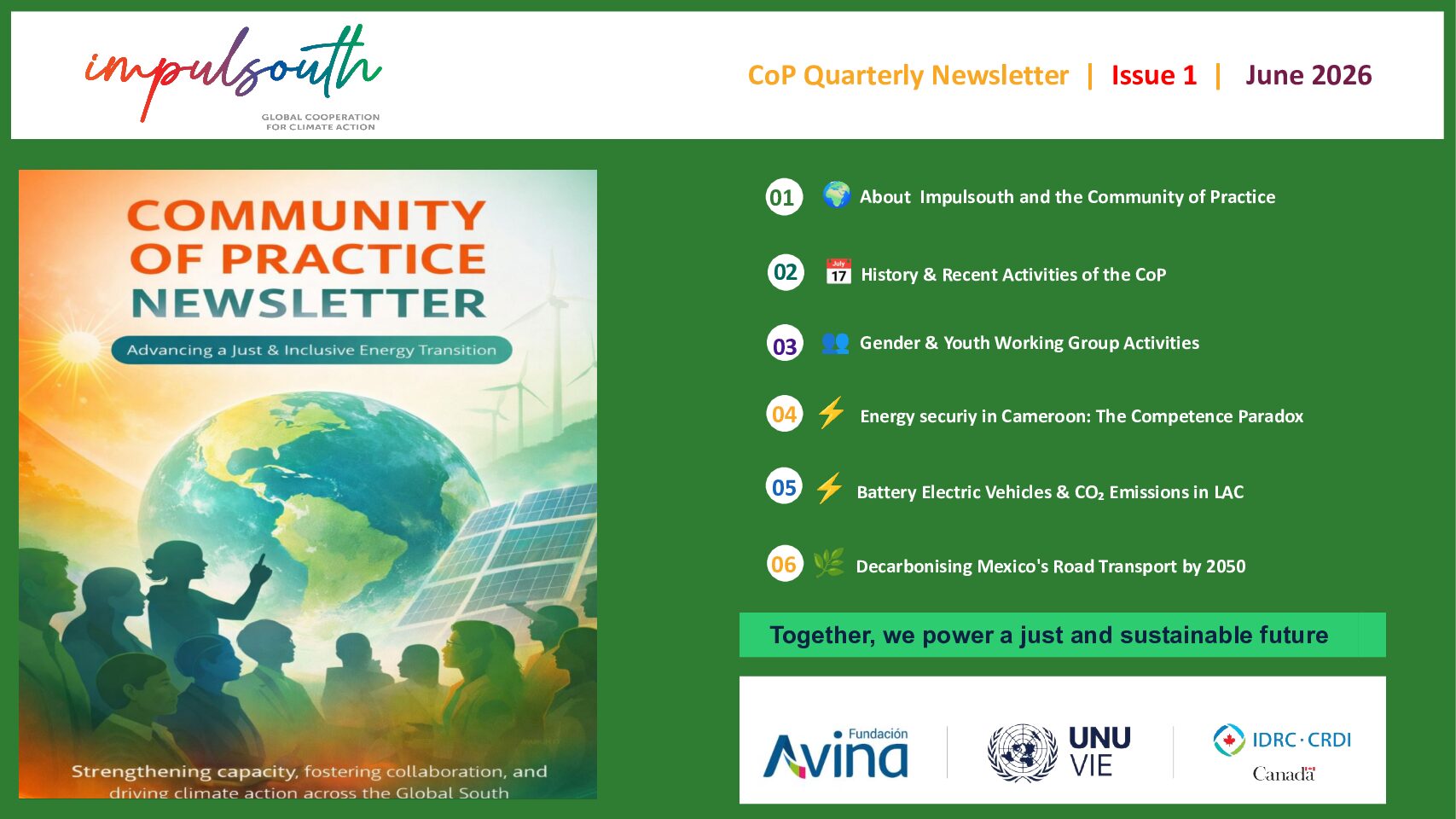
This is the Impulsouth Community of Practice (CoP) newsletter. The CoP is a collaborative platform that strengthens capacities within the energy sector, supporting a just and inclusive energy transition with a strong focus on gender equality. Bringing together diverse stakeholders, the CoP fosters knowledge exchange, strengthens institutional capacity, and promotes effective South-South cooperation across nine … Continue reading “CoP Quarterly Newsletter – Issue 1 – June 2026”
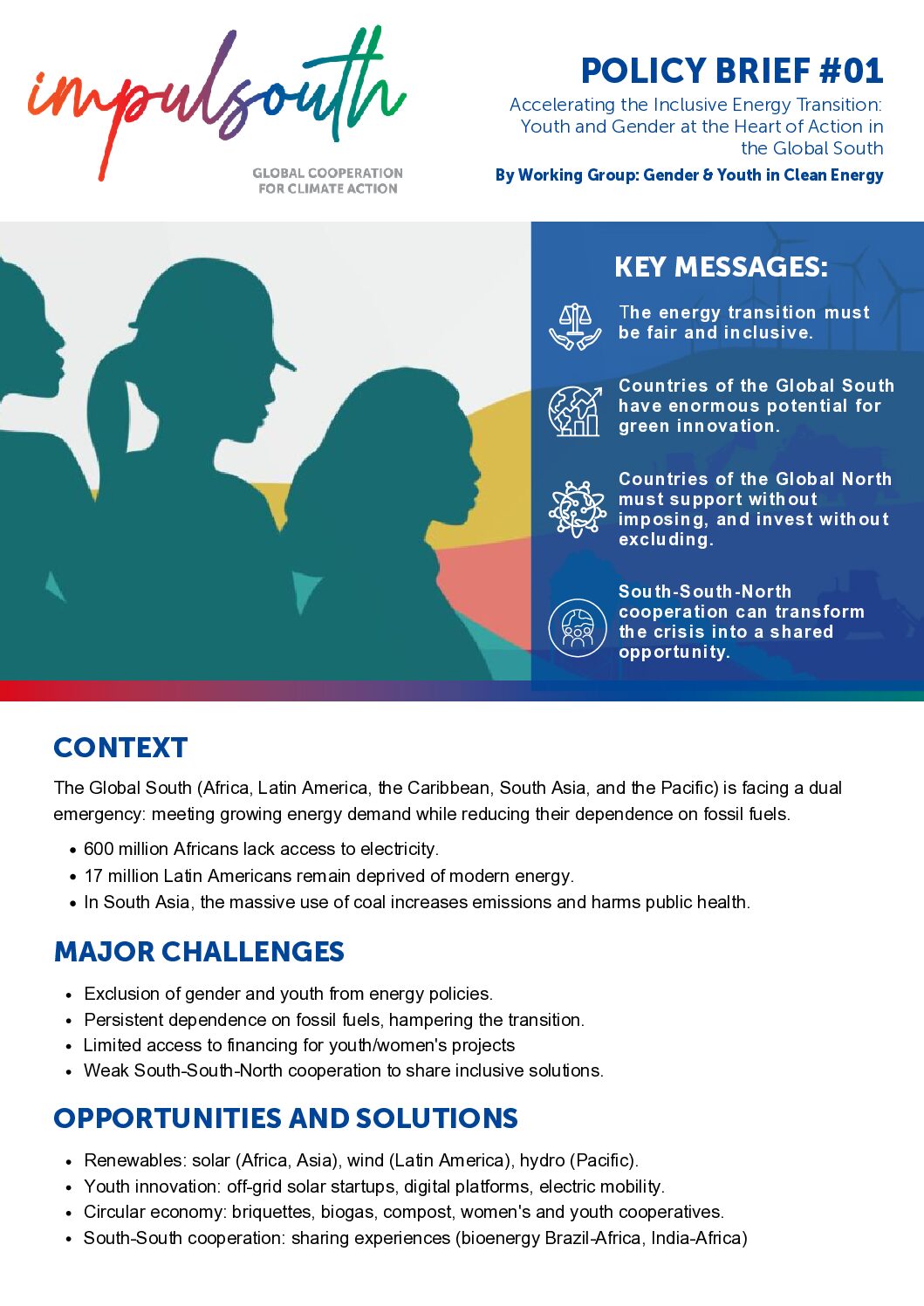
This resource was developed by members of the Working Group on Gender & Youth in Clean Energy, within Impulsouth’s Community of Practice.
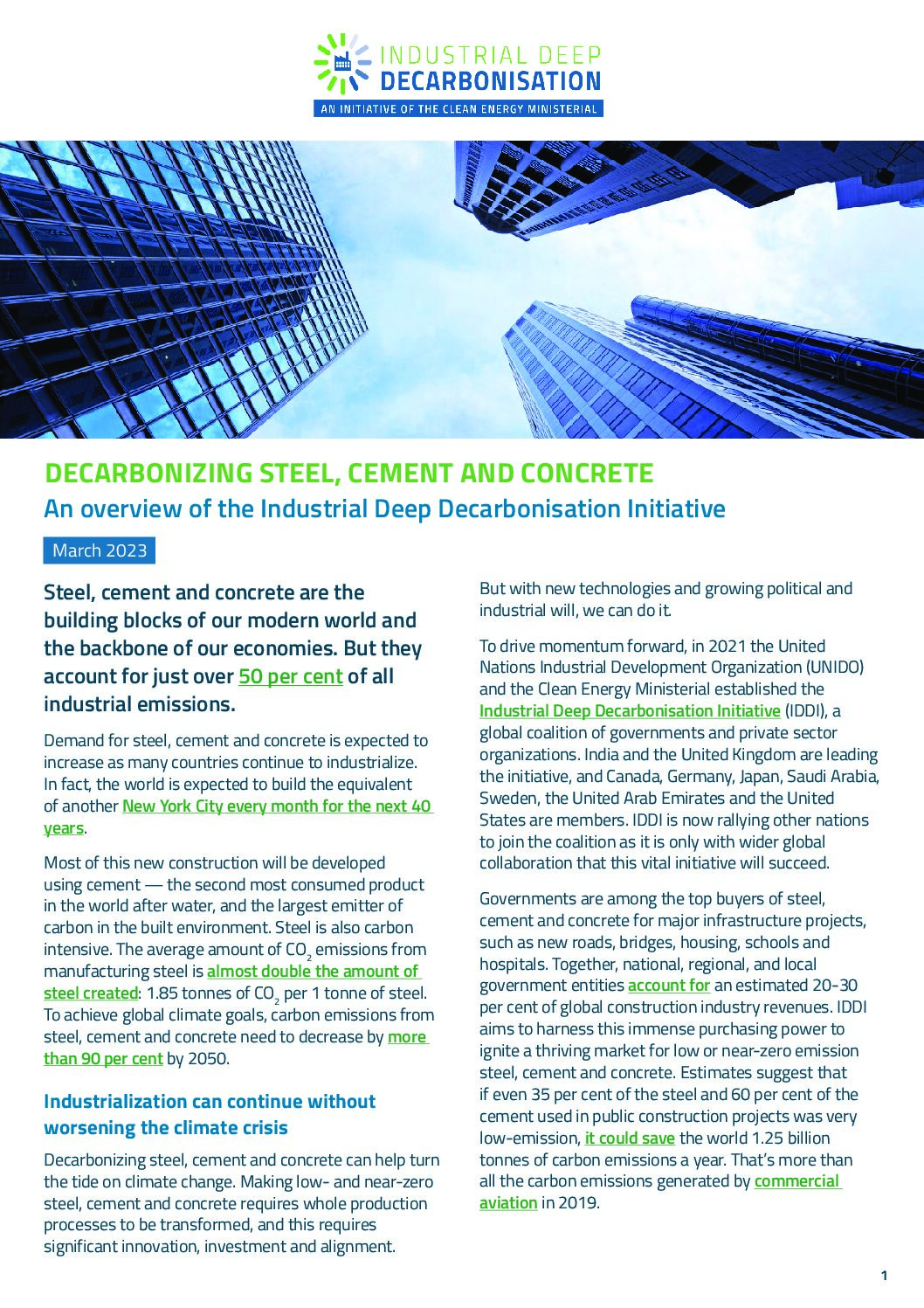
The Industrial Deep Decarbonisation Initiative, established by the UN Industrial Development Organization (UNIDO) and the Clean Energy Ministerial, is a coalition of governments and companies. Among its goals, it seeks to motivate governments, which are major buyers of steel, cement and concrete for infrastructure projects, to apply sustainable procurement principles and prioritise the buying of … Continue reading “Decarbonizing steel, cement and concrete: An overview of the Industrial Deep Decarbonisation Initiative”
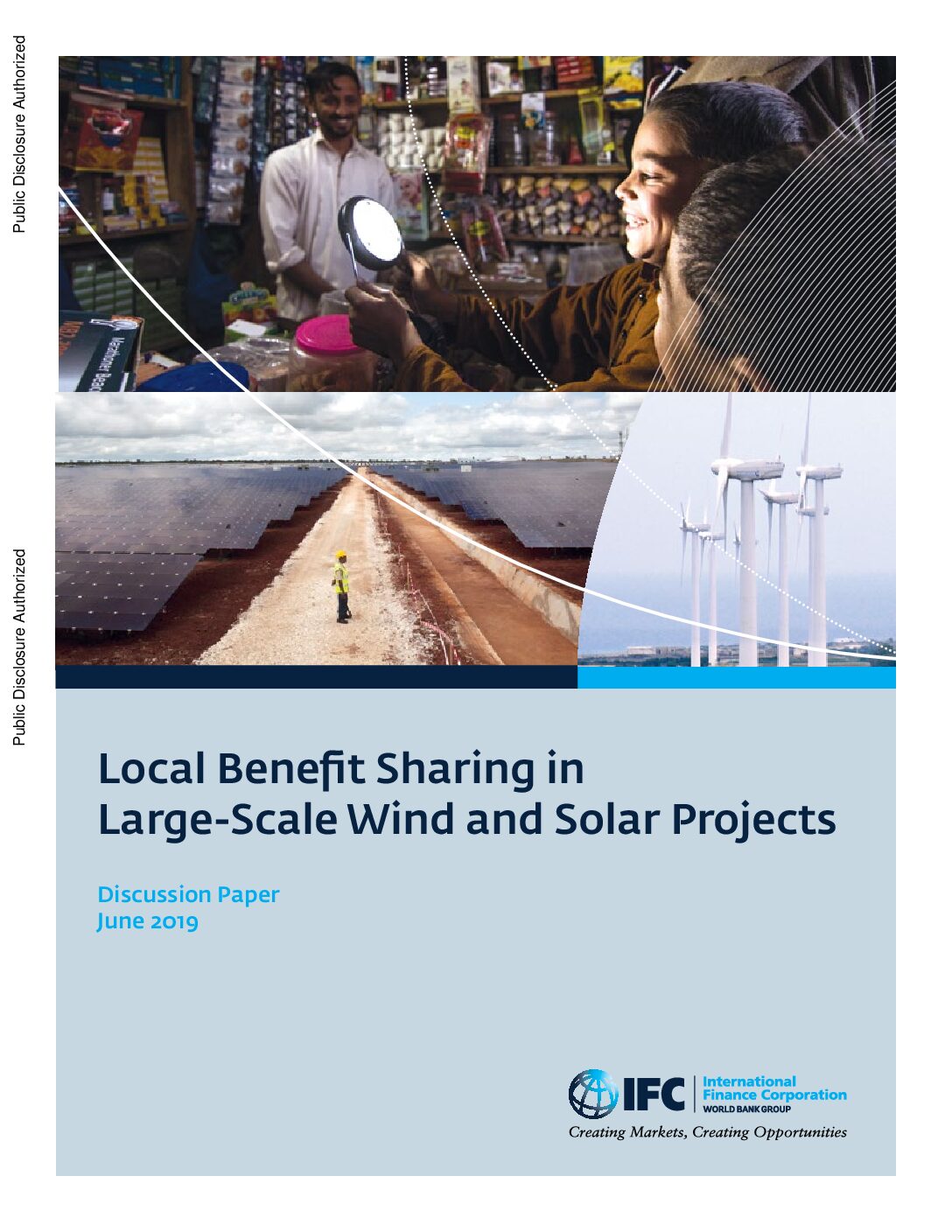
Wind farms tend to be large projects built in relatively remote areas, and in the past, they have often generated more disturbance than benefits for local communities. This World Bank report discusses models that allow host communities of wind energy projects to benefit more from those projects.
This Guide aims to assist community and indigenous communities groups in the development of their own small-scale renewable energy projects.
This slide deck provides a quick overview of the process for the development of energy projects by indigenous groups, including tips on choosing an optimal site, ownership structures and financing structures.
This article describes the origins and provides examples of community-owned small hydropower projects in Guatemala.
This article explores how system planning, and in particular assessments of system adequacy, will need to innovate and evolve to allow power systems to keep delivering secure and affordable electricity supply during energy transitions.