
This study evaluates the progress that African countries have made in their transition to e-mobility up to 2021.
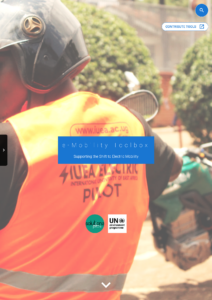
The e-Mobility Toolbox is an online information portal to support development, implementation and monitoring of innovative electric mobility solutions.
Identifying Factors Associated with Consumers’ Adoption of e-Mobility—A Systematic Literature Review
This article investigates the following questions: 1) What are the associated factors that affect the consumer’s intention to purchase EVs? (2) What is the impact of sociodemographic variables on the adoption of EVs? (3) What are the main obstacles to and motivators for introducing EVs and the expected recommendations for manufacturers, politicians, governments, and scientists?
This publication aims to provide city managers, urban planners and other stakeholders with an overview of key aspects of electric mobility and an outline of the core principles that can guide them in developing their strategies to increase its uptake.
This publication provides templates to support any city authority, business, institution or charity that wishes to effect a positive change in mobility behaviour.
This report proposes priority actions and reference case studies to decision-makers and stakeholders for the decarbonisation of transport in Africa.
People need water, energy, and food to sustain their livelihoods, grow economies, and achieve sustainable development. The interactions between these resource sectors form the crux of water-energy-food (WEF) nexus assessments. This study analyses the WEF nexus of 54 African nations and identifies bottlenecks resulting from water, energy, or food insecurity.
This report calls for greater cross-sectoral collaboration to advance energy, water and food security in Africa, highlighting how synergies between the sectors of water, energy and food create a multiplier effect, ensuring a greater return of investment.
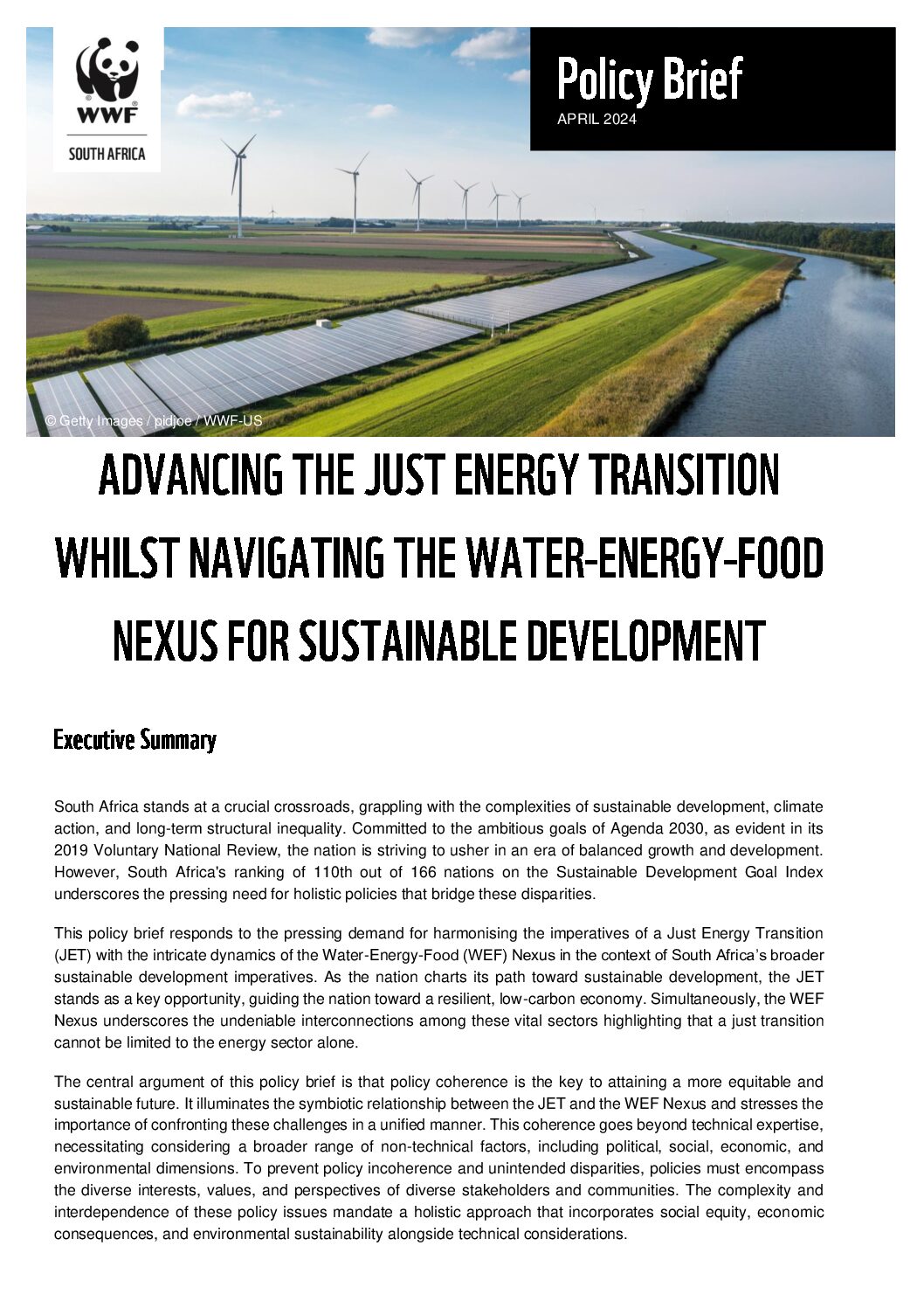
This policy brief responds to the pressing demand for harmonising the imperatives of a Just Energy Transition (JET) with the intricate dynamics of the Water-Energy-Food (WEF) Nexus in the context of South Africa’s broader sustainable development imperatives.
This report provides an overview of the water-energy-food nexus in Latin America and the Caribbean (LAC), identifying the main challenges and opportunities for achieving water, energy and food security in the region.