
Cette ressource a été élaborée par les membres du groupe de travail « Genre et jeunesse », qui fait partie de la communauté de pratique d’Impulsouth.
This resource was developed by members of the Working Group on Gender & Youth in Clean Energy, within Impulsouth’s Community of Practice.
This report assesses the effectiveness of women in energy networks worldwide and offers best practices and recommendations for networks under development or those aiming to enhance their impact.

This guidance note provides practical tools and strategies for training providers to design and deliver gender-responsive learning programs, especially within technical and business education contexts. It highlights how gender dynamics, norms, and barriers influence learning outcomes and participation—especially for women and marginalized groups.

This guide helps practitioners design, implement and evaluate training programmes in a way that enables equal access and provides equal benefits to women and men. It provides tips and approaches based on international good practice and lessons learned from programmes implemented by IFC, the World Bank and other organisations.
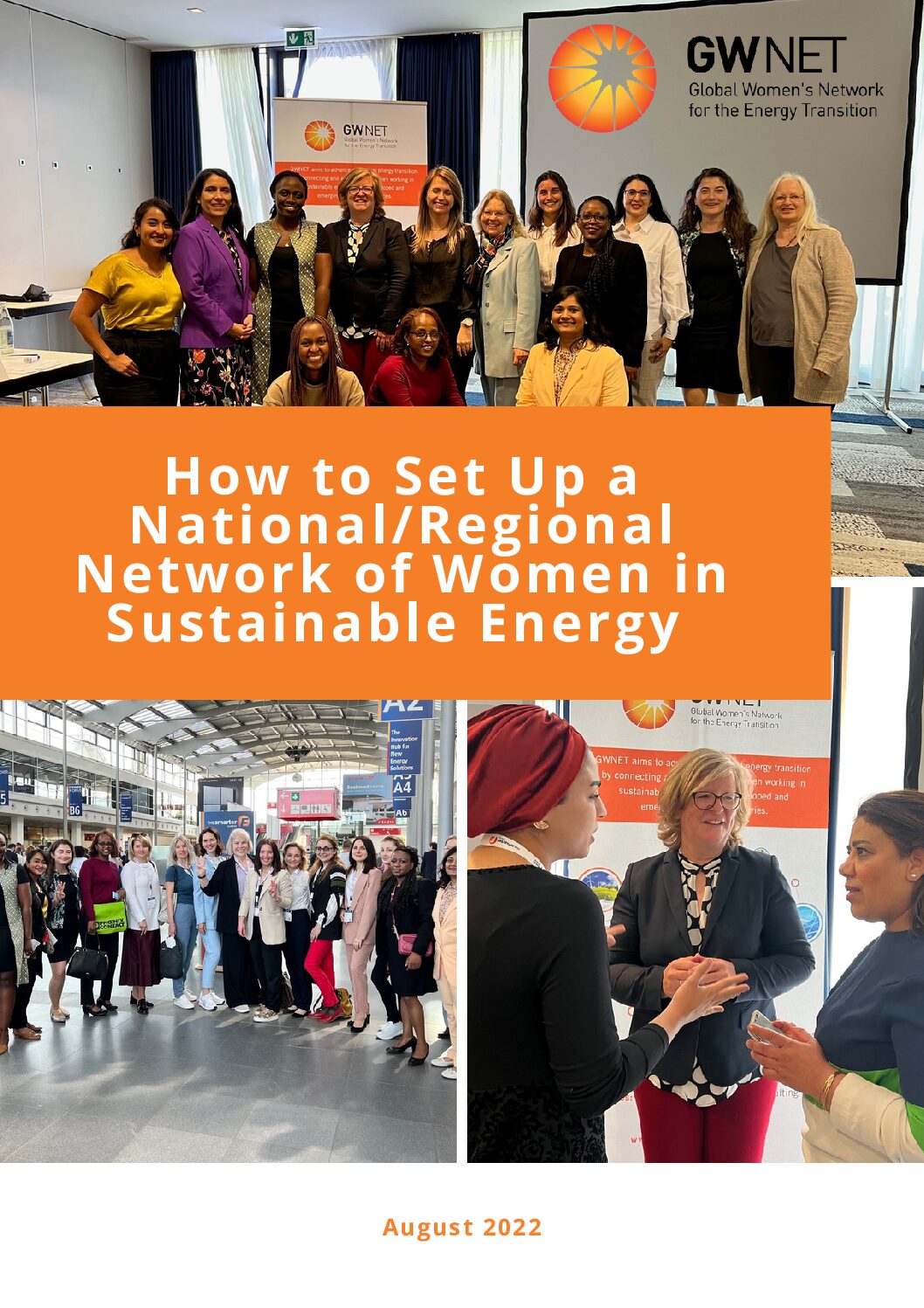
This guide provides principles and step-by-step instructions for the establishment of regional/national networks for women working in energy
This is a network of women in renewable energy in the Dominican Republic. It has published several reports and organises events on gender equality in the national energy sector.
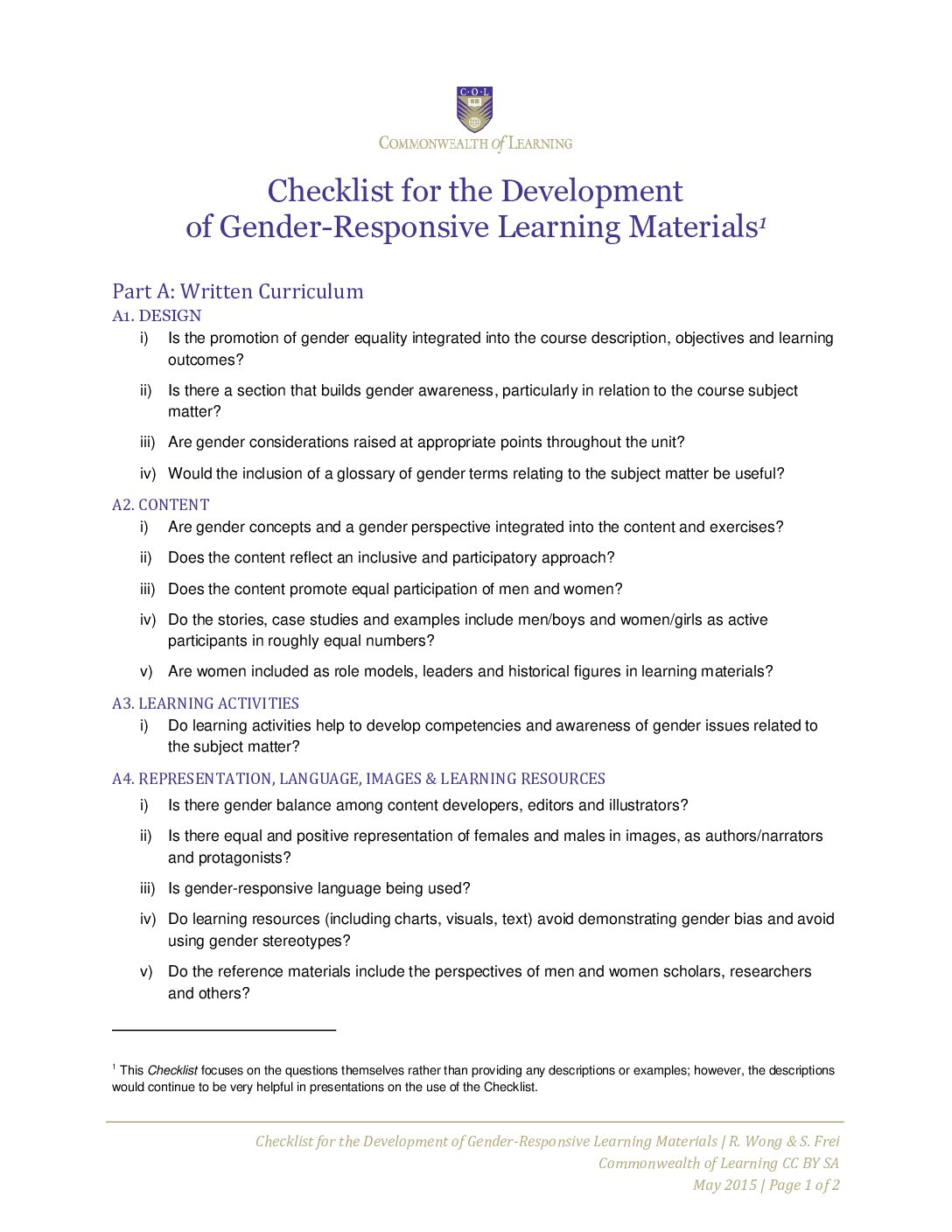
This checklist helps organisations assess whether their written curriculums, delivery of learning, assessments, support services and evaluation frameworks are gender-responsive.
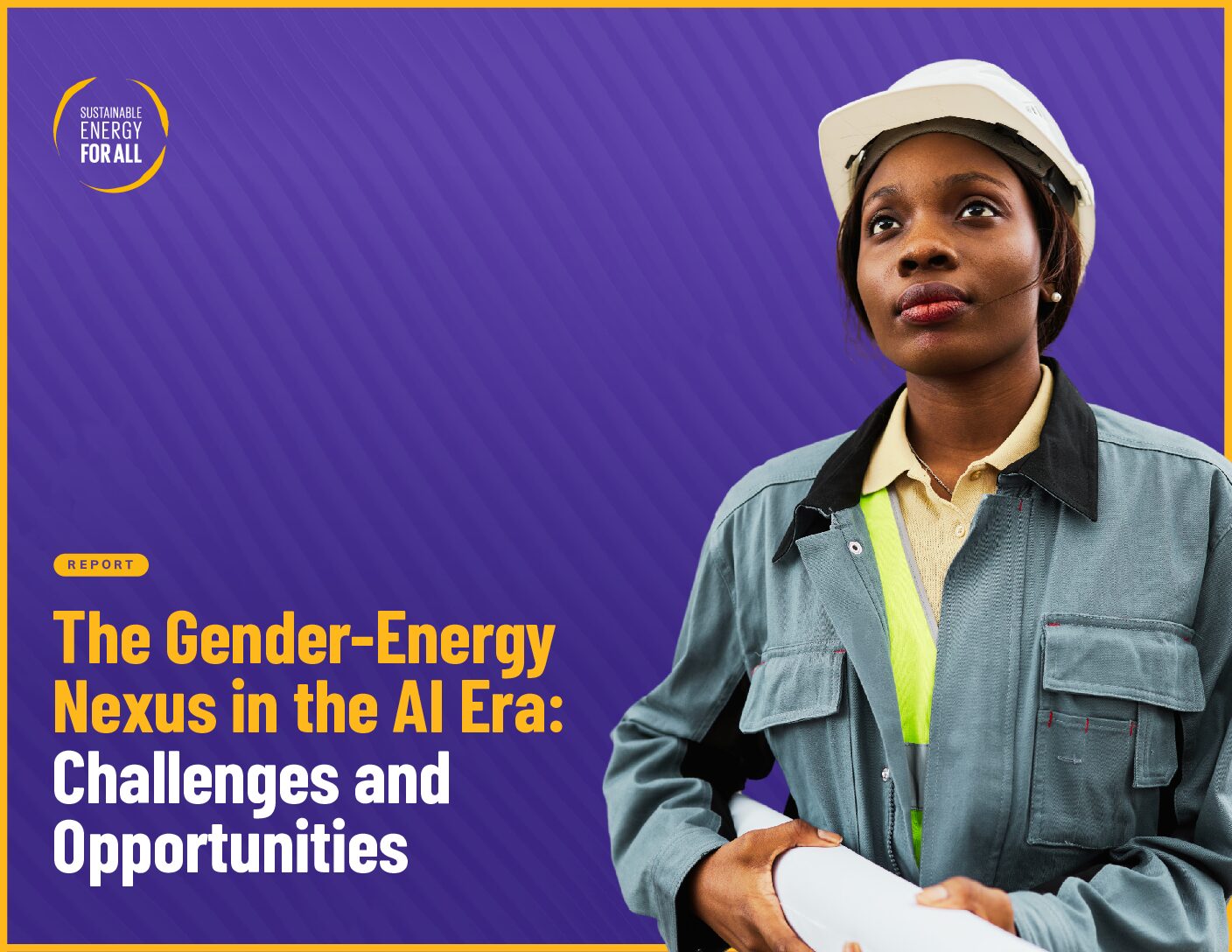
This report explores the critical intersections of AI development, gender equality and energy transitions, emphasizing how AI applications can advance a sustainable, equitable and just energy transition.
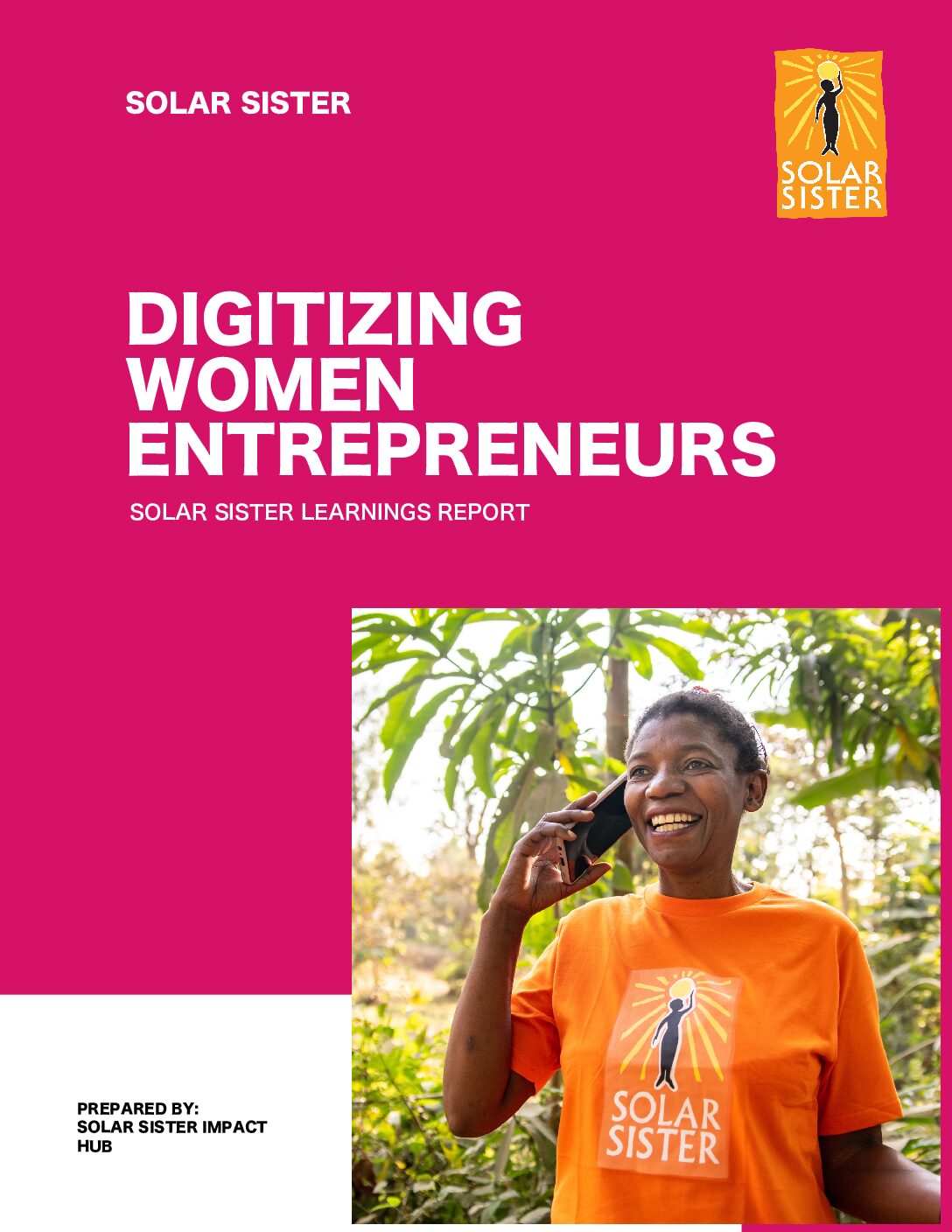
This report provides an outline of Solar Sister’s efforts to empower women energy entrepreneurs through digital technology, key learnings from our pilot efforts, and recommendations for the path forward.