
The average lifespan of a building is 50 years, so the design of buildings that are constructed now will have an effect on energy consumption in our cities until well into the 2070s. This article presents the most effective options for cities to set mandatory minimum energy performance standards for buildings, to prevent locking in … Continue reading “How to set energy efficiency requirements for new buildings”
This page provides an introduction to energy transition challenges in the industrial sector. It also tracks progress, presents data and lists seven key recommendations to policymakers and businesses.
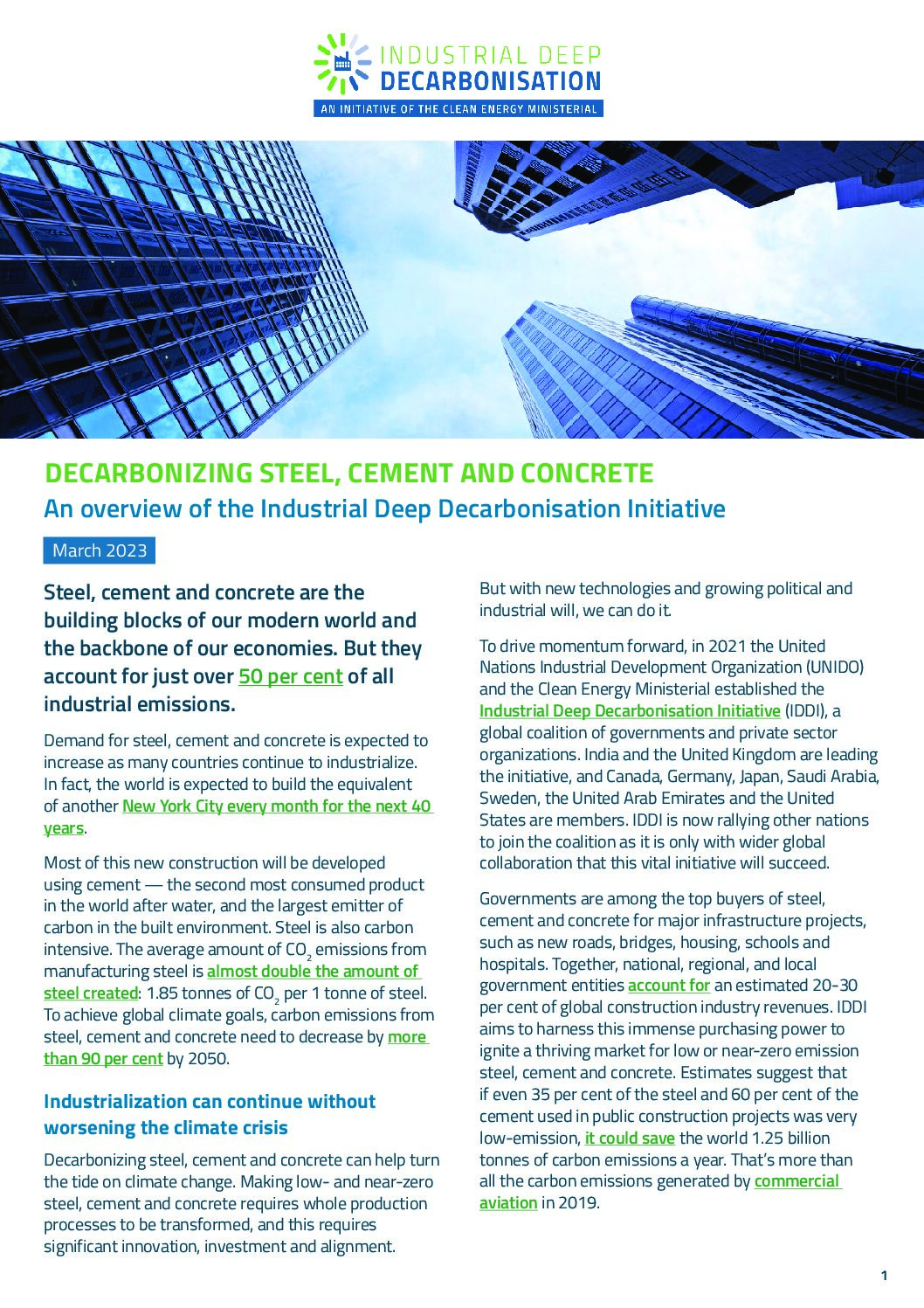
The Industrial Deep Decarbonisation Initiative, established by the UN Industrial Development Organization (UNIDO) and the Clean Energy Ministerial, is a coalition of governments and companies. Among its goals, it seeks to motivate governments, which are major buyers of steel, cement and concrete for infrastructure projects, to apply sustainable procurement principles and prioritise the buying of … Continue reading “Decarbonizing steel, cement and concrete: An overview of the Industrial Deep Decarbonisation Initiative”
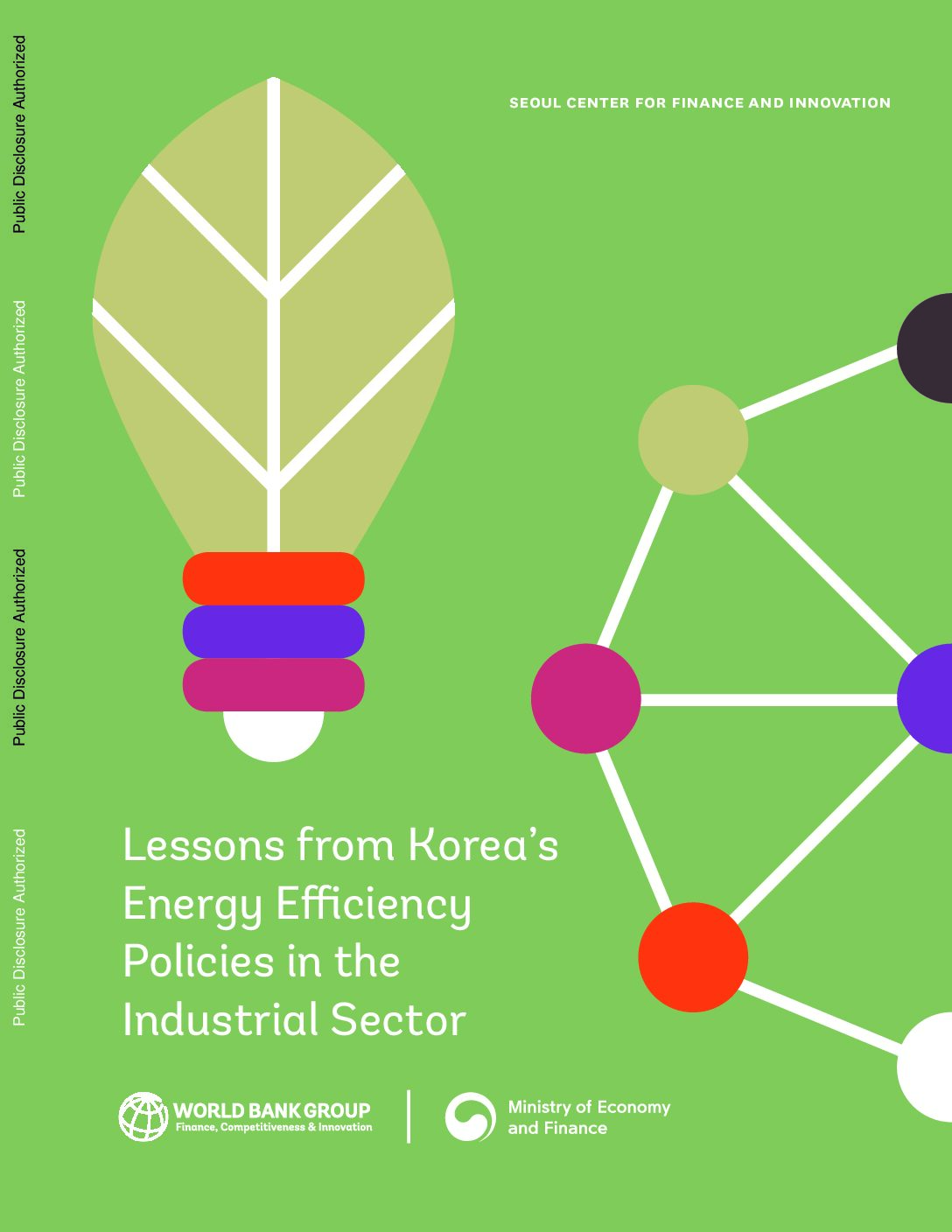
This report shares successful industrial efficiency practices from the Republic of Korea.
This database presents the current status, policy barriers, and key innovations for electrification of mobility, heating and cooling, and hydrogen production.
This page explores the best practice regulatory, fiscal and economic instruments available today to encourage a more efficient/electric vehicle stock.
This database contains information on solar home systems, pico-PV products and efficient appliances that have been tested and certified by Lighting Global’s Verasol.
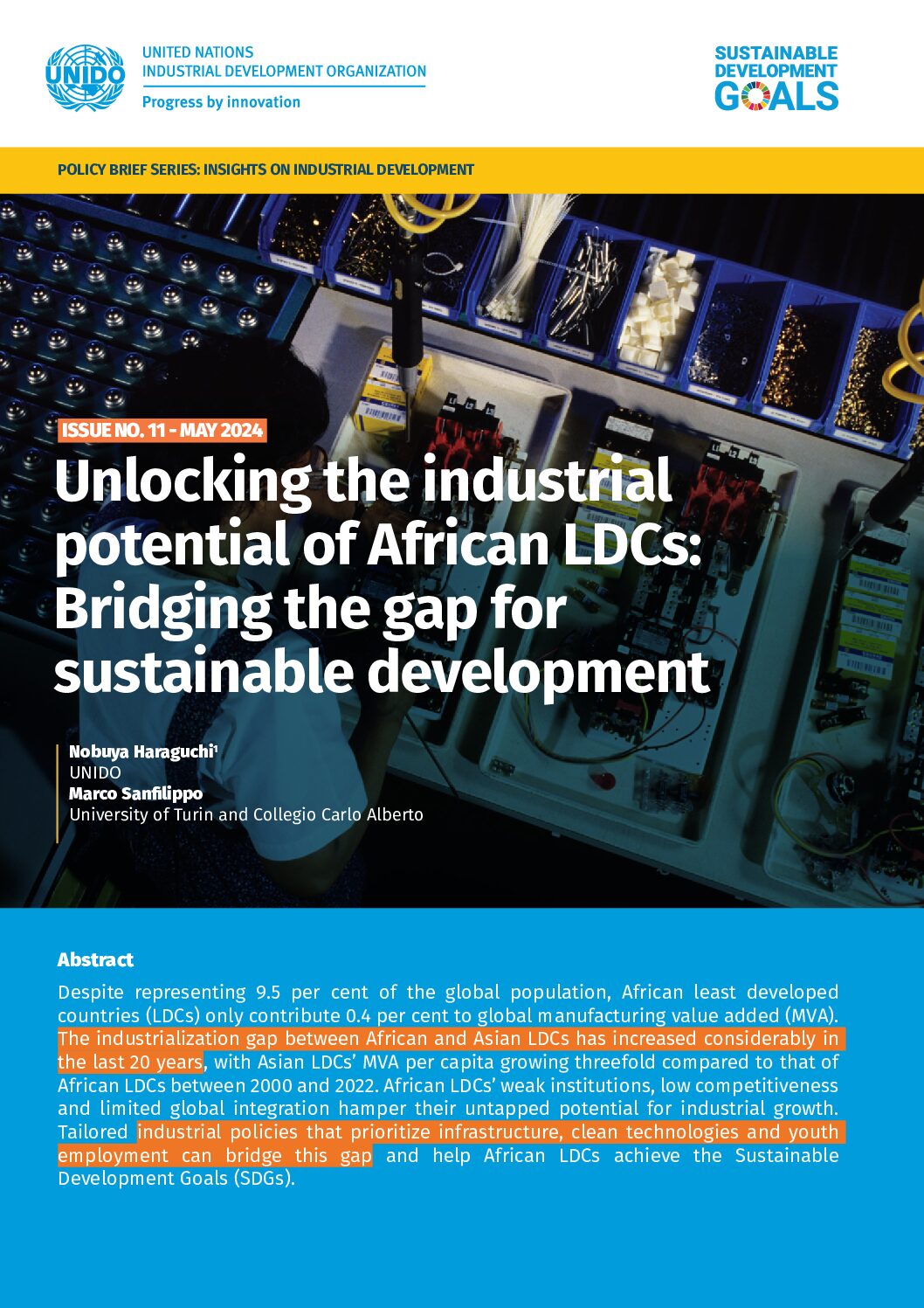
This brief discusses how African LDCs can develop industrial policies that prioritise infrastructure, clean technologies and youth employment.
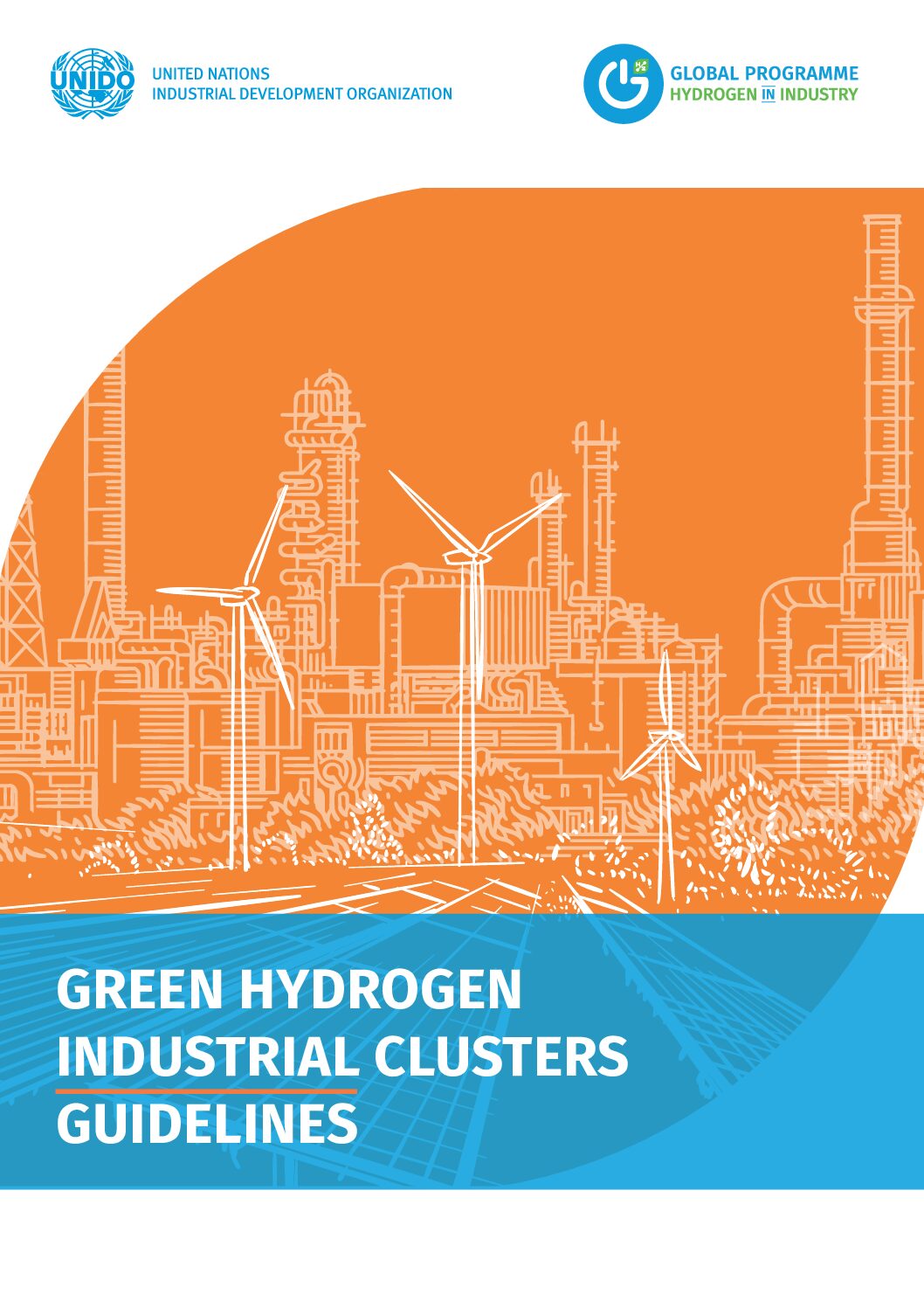
These guidelines provide advice on the development of green hydrogen clusters, which are industrial clusters that share green hydrogen and renewable energy for various purposes and can significantly contribute to industrial decarbonisation.
This strategy provides an overview of energy production and consumption in Zambia, and sets objectives for efficiency improvements in the residential, industrial and transport sectors.