
This report draws on the experience of members of the OECD Development Assistance Committee to identify emerging trends, good practice and lessons learned in their work with the private sector to leverage private capital, expertise, core business and market-based solutions to meeting the challenge of making development sustainable.
This report aims to quantify the investments required to build modern, clean energy systems and identify the policy actions and financial instruments that can deliver a major acceleration in private capital flows for the energy transition.
This brief discusses the fundamentals of private sector engagement in development cooperation and provides good practice case studies.
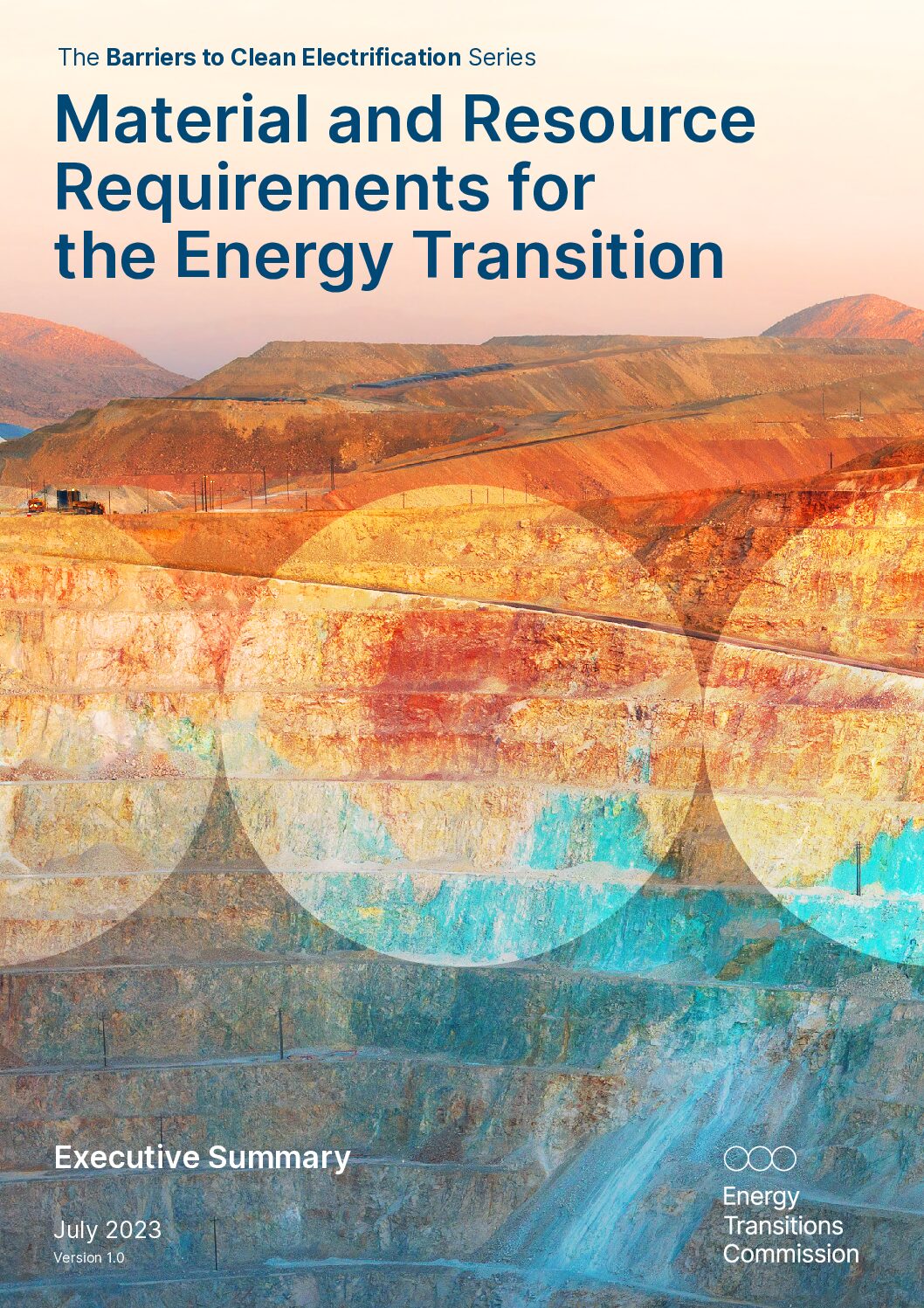
This report focuses on the material resources required for the energy transition and demonstrates that there are plentiful resources available to support a prosperous net-zero global economy.
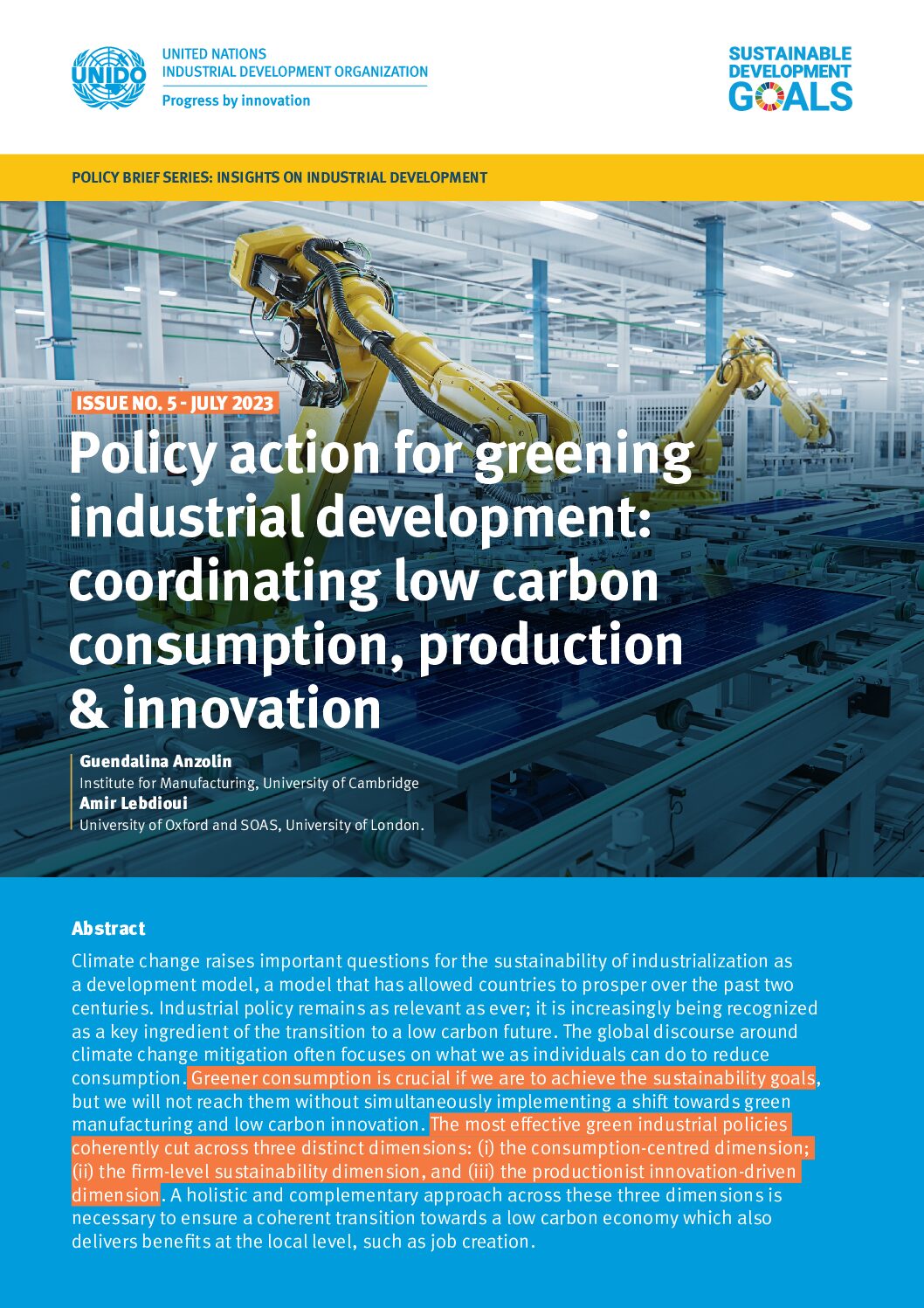
This brief describes the balance required in effective green industrial policies across three dimensions: consumption-centred, production-centred, and innovation.
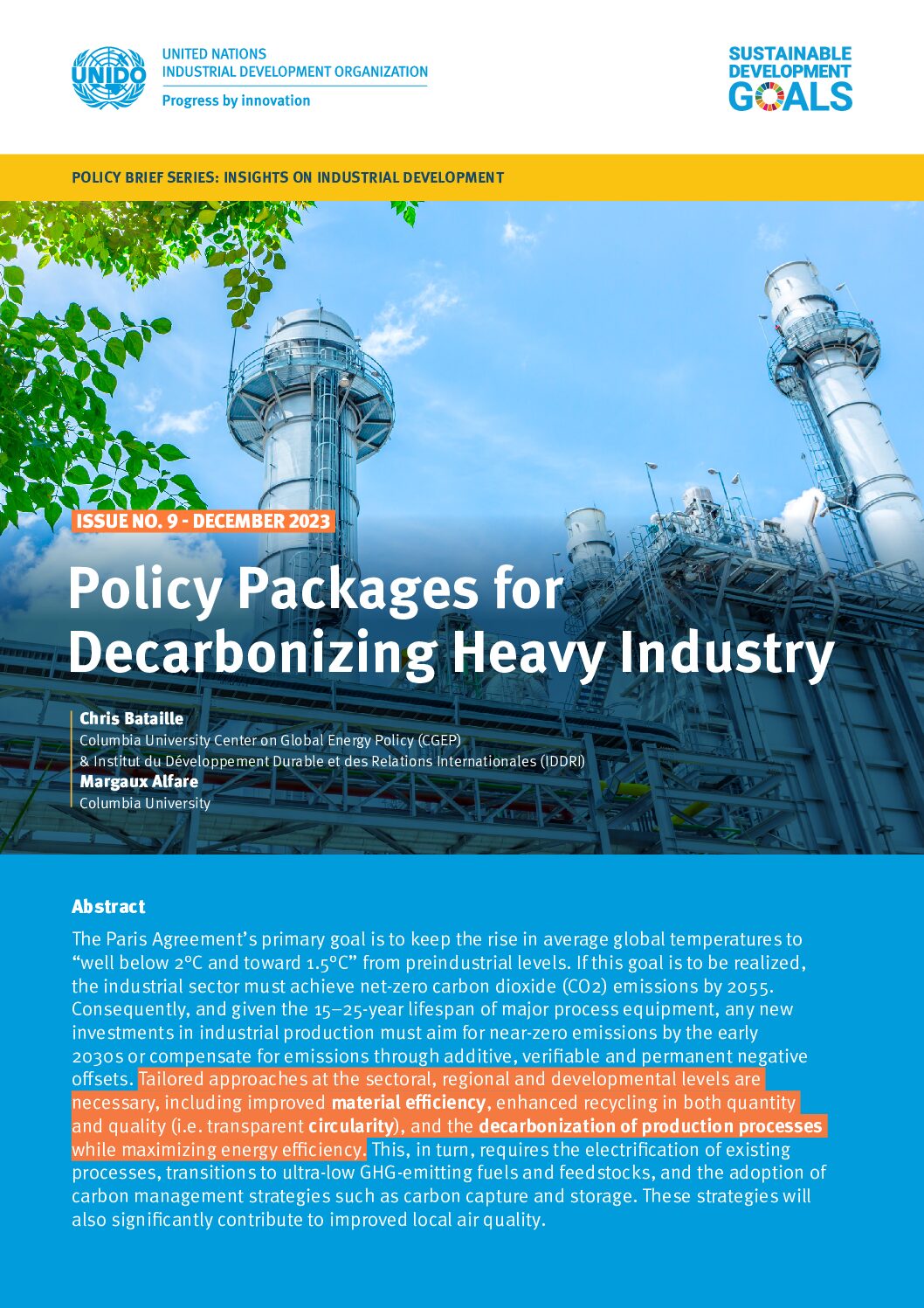
This brief describes policy options for the decarbonisation of heavy industry, both for improved material efficiency and for electrification.
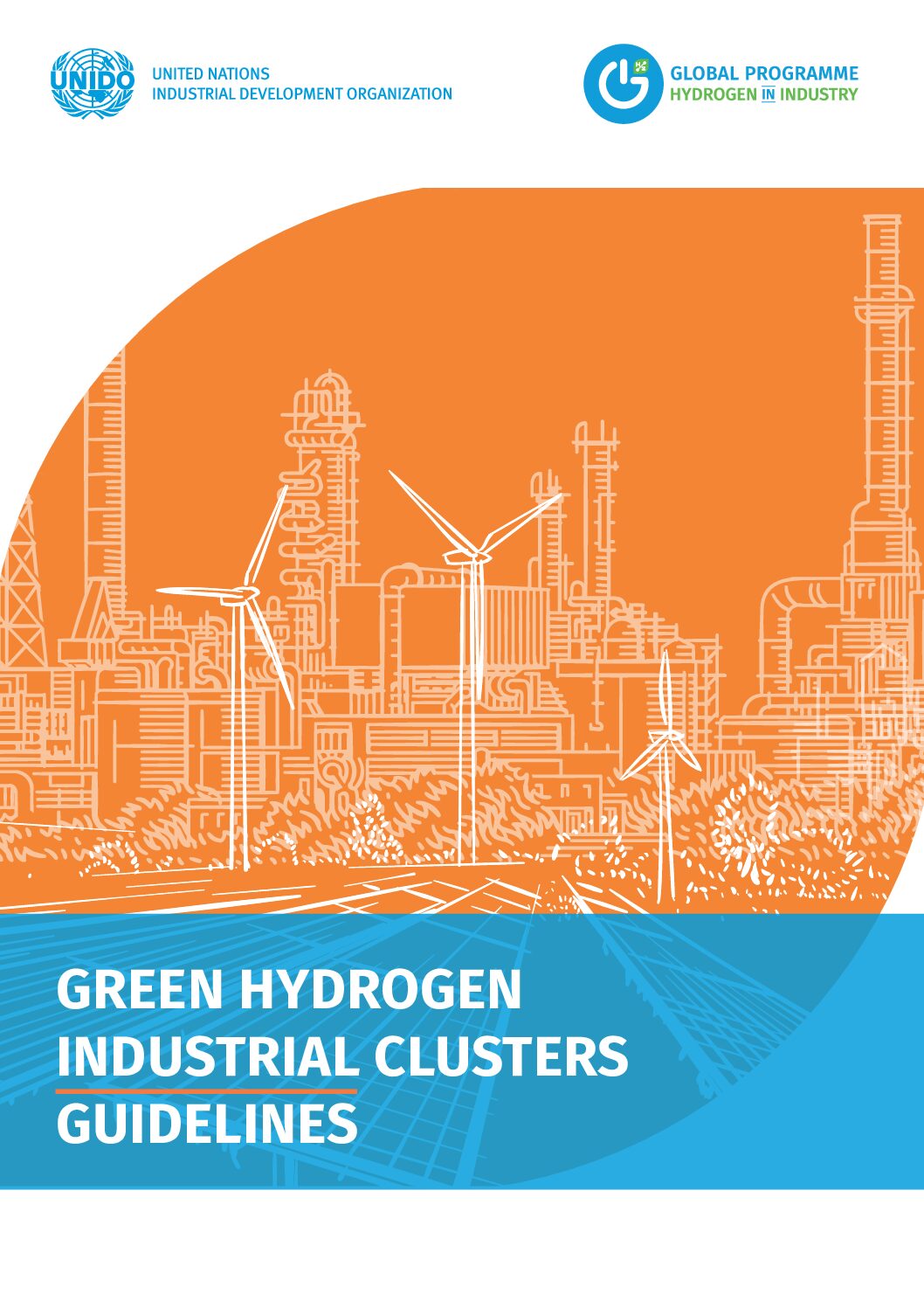
These guidelines provide advice on the development of green hydrogen clusters, which are industrial clusters that share green hydrogen and renewable energy for various purposes and can significantly contribute to industrial decarbonisation.
The Green Cement Technology Tracker aims to support decision-makers and experts in policy and industry, academia as well as civil society, by tracking public announcements of investments in low-carbon cement technologies and presenting them transparently in one place.
This is a database of decarbonization roadmaps for heavy industry sectors from around the world.
This study examines the integration of AI into energy management processes in industrial facilities and the advantages it provides.