
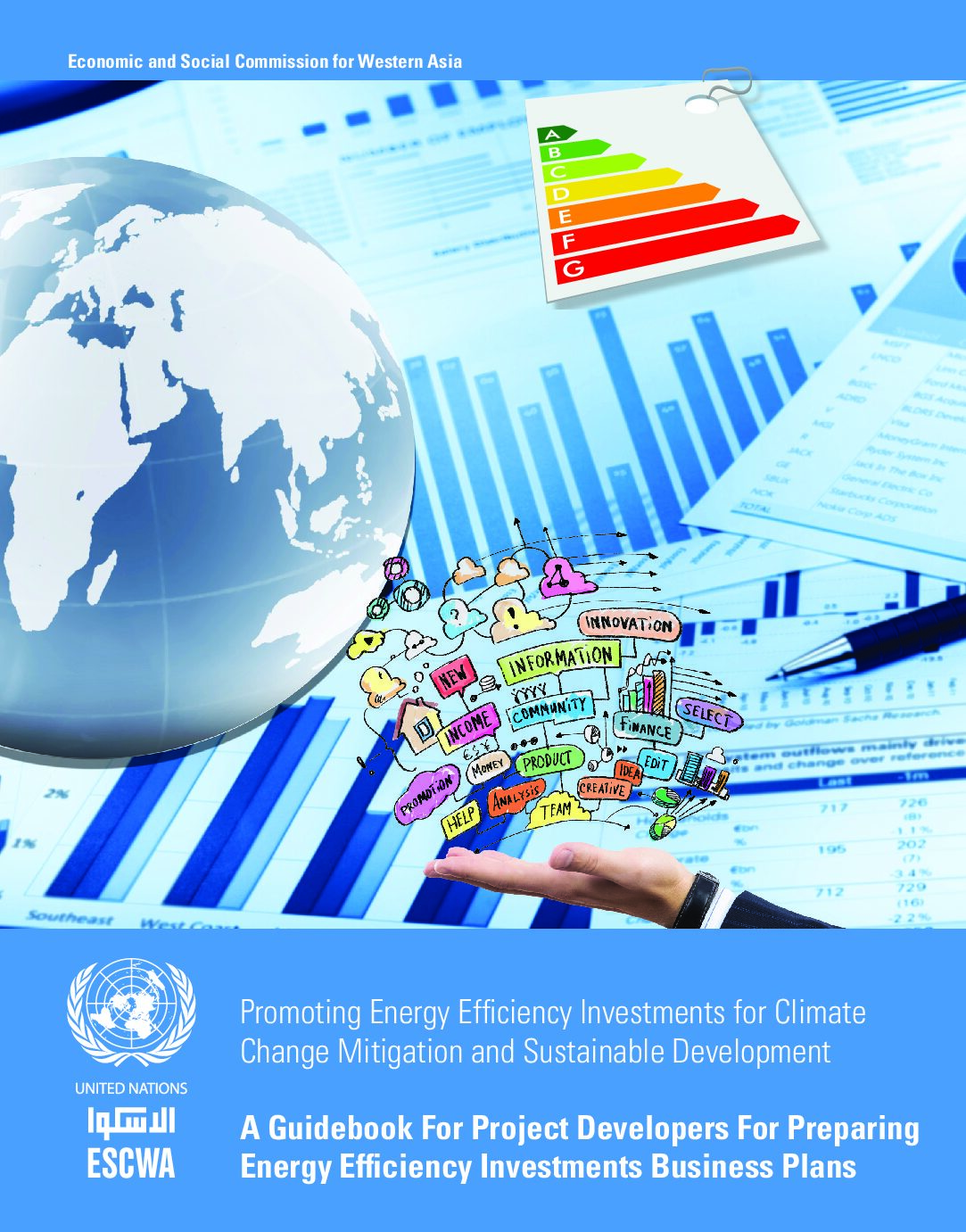
This guidebook helps project developers and investors to prepare bankable business plans for RE projects, particularly for power generation.
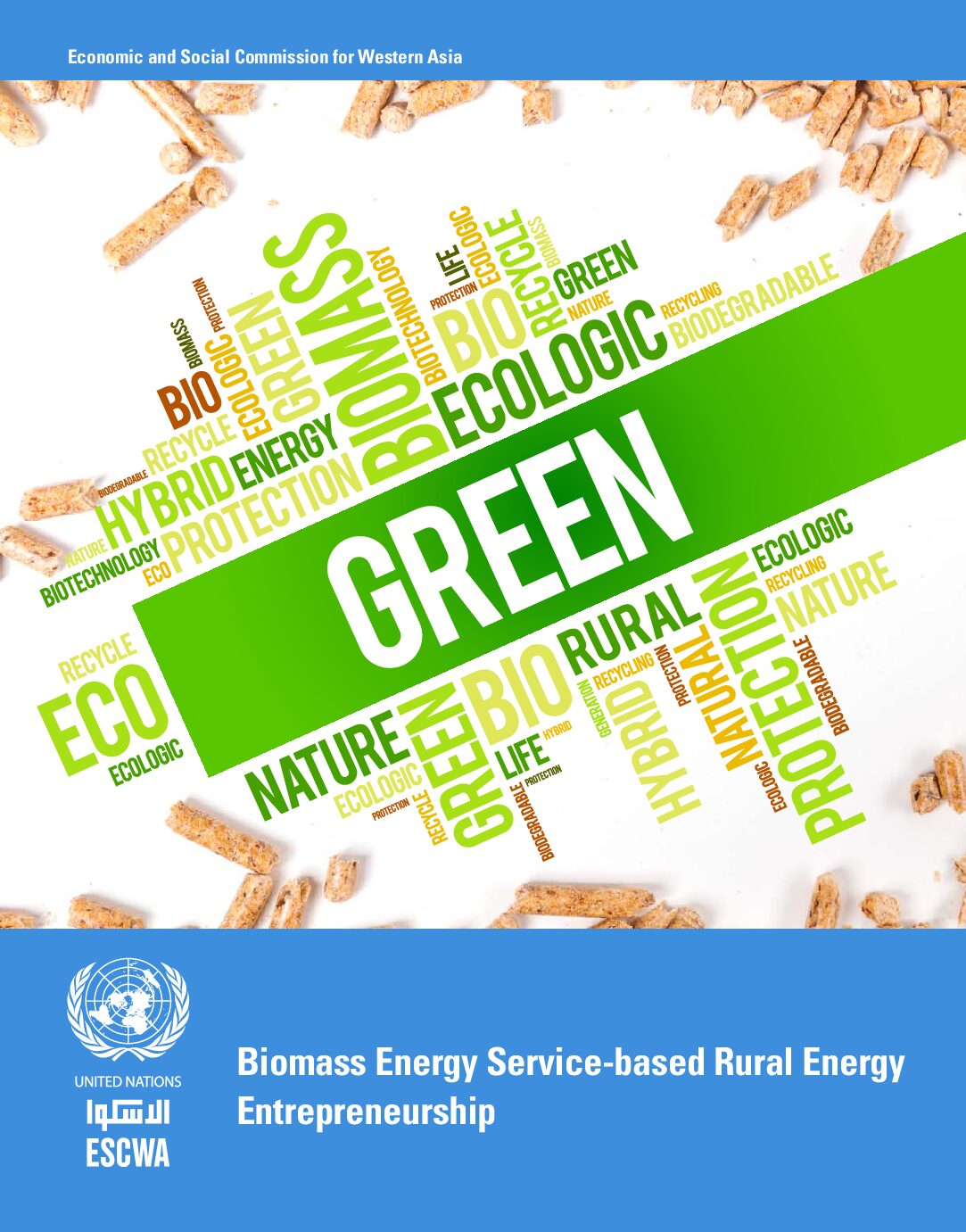
This guide addresses the challenges faced by rural energy enterprises in developing countries, and sets out solutions such as business models offering cooking energy as a service.
This report identifies the main risks and barriers limiting investment in the energy transition, supplying a toolkit for policy makers, public and private investors, and public finance institutions to scale up their investments in renewable energy.
This journal article describes risks and mitigation strategies in renewable energy investment.
Derisking Renewable Energy Investment (DREI) introduces an innovative, quantitative framework to assist policymakers in developing countries to cost-effectively promote and scale-up private sector investment in renewable energy.
This paper provides general guidelines for conducting Environmental Impact Assessments for waste-to-energy projects.
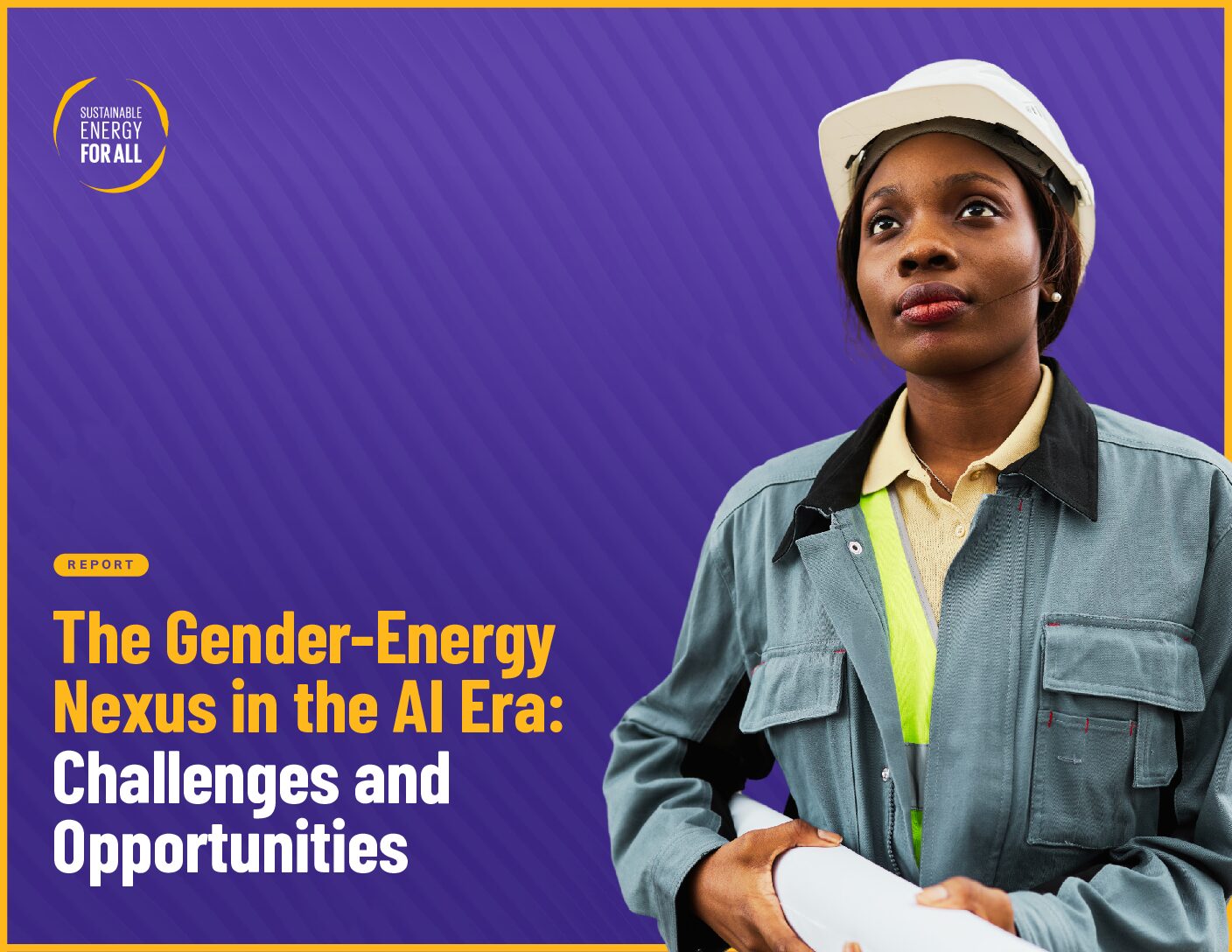
This report explores the critical intersections of AI development, gender equality and energy transitions, emphasizing how AI applications can advance a sustainable, equitable and just energy transition.
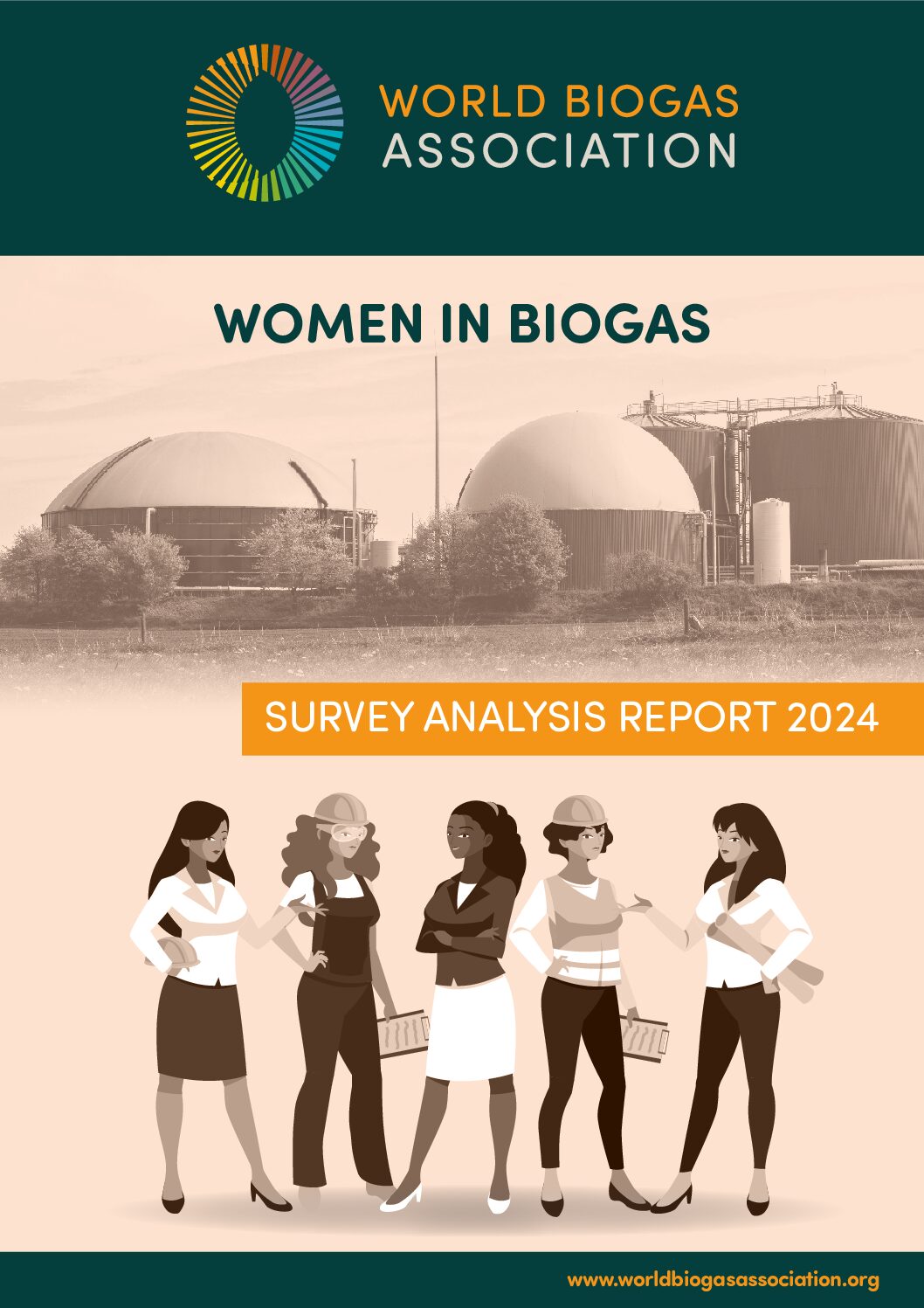
This report presents the results of a survey undertaken to investigate the current status of gender equality in the biogas sector, and compares these with a baseline survey conducted in 2012.
This study examines the integration of AI into energy management processes in industrial facilities and the advantages it provides.
The Breakthrough Agenda Report 2023 is an annual collaboration between the International Energy Agency (IEA), the International Renewable Energy Agency (IRENA) and the United Nations Climate Change High-Level Champions. It takes stock of emissions reductions in key energy subsectors and focuses on supporting stronger international collaboration to drive faster reductions in global greenhouse gas emissions.