
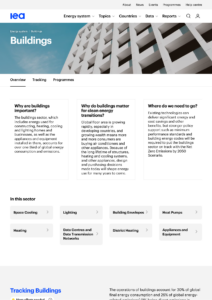
This web page highlights the role of buildings in the energy transition (heating, cooling, lighting, etc), and presents data and recommendations.
This paper underscores the need for sustainable utilities to deliver the energy transition in lower- and middle-income countries, and provides recommendations to governments and other stakeholders.
This study offers insights on how well-designed carbon pricing instruments can play a role in accelerating efforts toward energy transition and decarbonization.
This report presents the results of a survey undertaken to investigate the current status of gender equality in the biogas sector, and compares these with a baseline survey conducted in 2012.
This web page gives advice on public advocacy for energy efficiency, focusing on four concepts: Getting the message right; Getting the message across; Combining information with behavioural insights; and Campaigns for a crisis context.
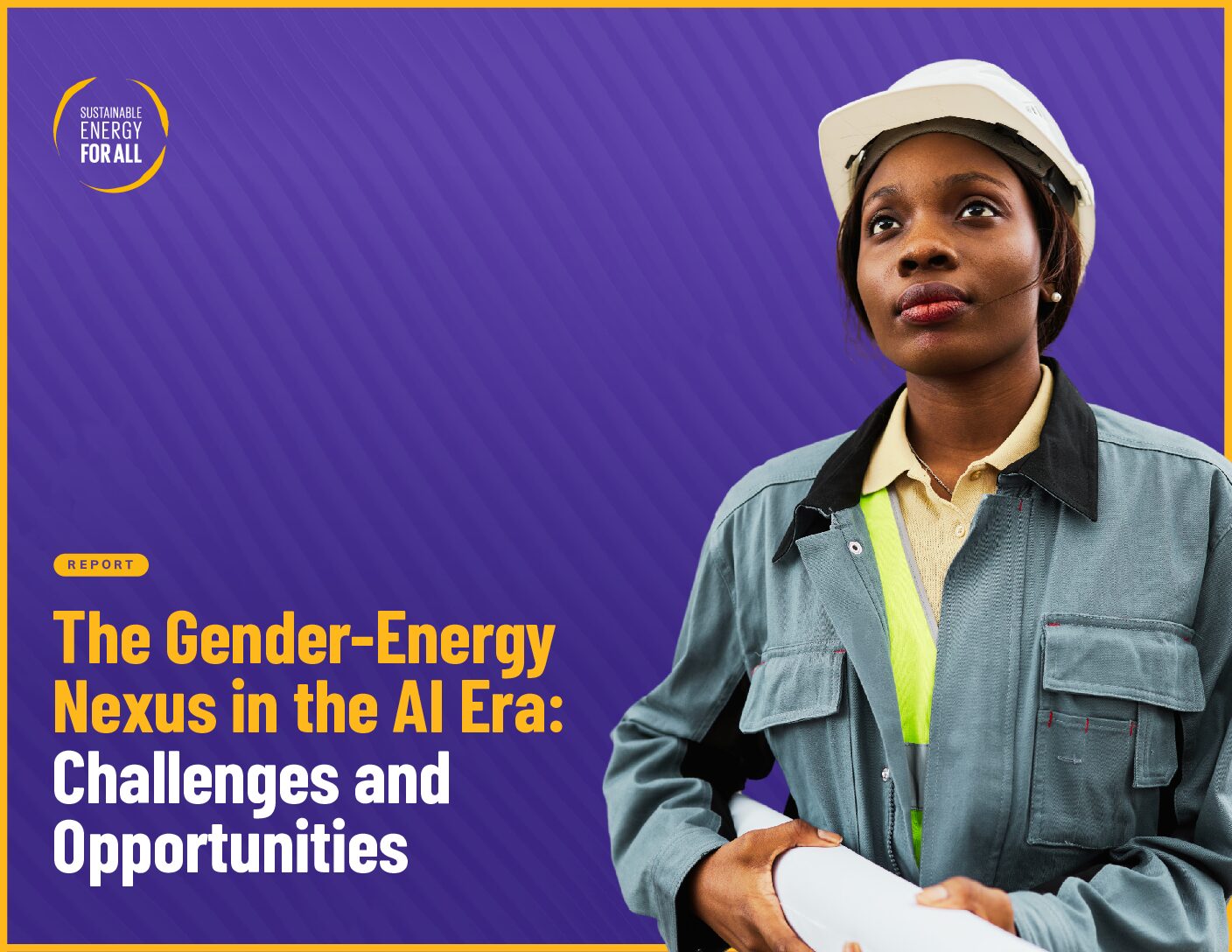
This report explores the critical intersections of AI development, gender equality and energy transitions, emphasizing how AI applications can advance a sustainable, equitable and just energy transition.
This study examines the integration of AI into energy management processes in industrial facilities and the advantages it provides.
This paper explains how minimum energy performance standards for buildings can be implemented effectively while remaining socially just, using a differentiated approach that carefully follows a series of design principles.
The purpose of this Guide is to help organizations of all sizes, and in particular SMEs, to improve their energy performance in a logical, controlled and systematic way, thereby saving energy and reducing costs.
This blog article provides a quick introduction to energy management systems.