
Institutions all over the world are setting up microcredentials in responses to calls from governments and industry: short courses, usually offered online by accredited institutions, with an emphasis on the needs of the workplace. They are also often used for retraining and upskilling. This book explains how to start offering microcredentials as an academic institution.

This guide aims to accelerate the flexibility and responsiveness of learning systems by providing guidance on the design, issue and recognition of micro-credentials.
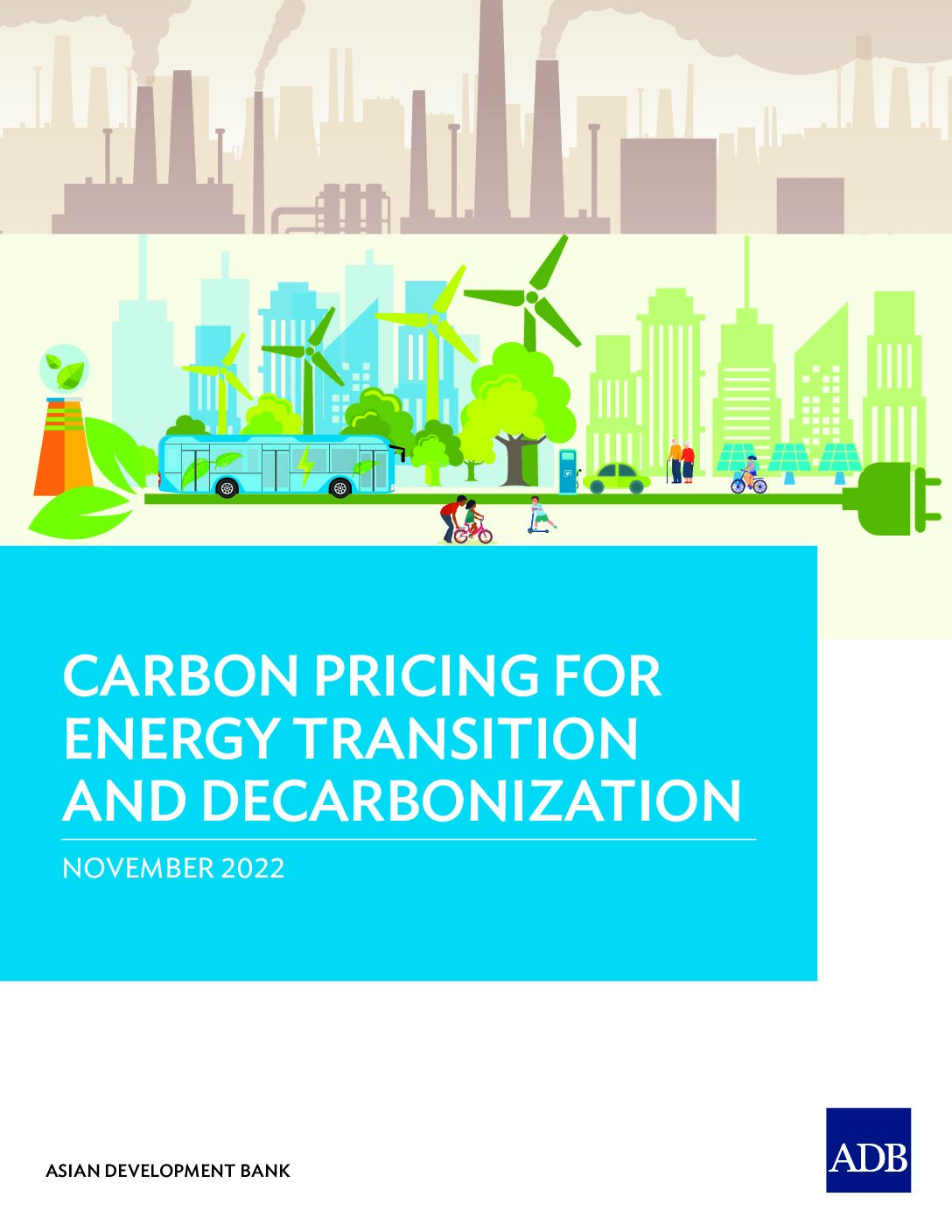
This study offers insights on how well-designed carbon pricing instruments can play a role in accelerating efforts toward energy transition and decarbonization.
This page provides an introduction to green bonds
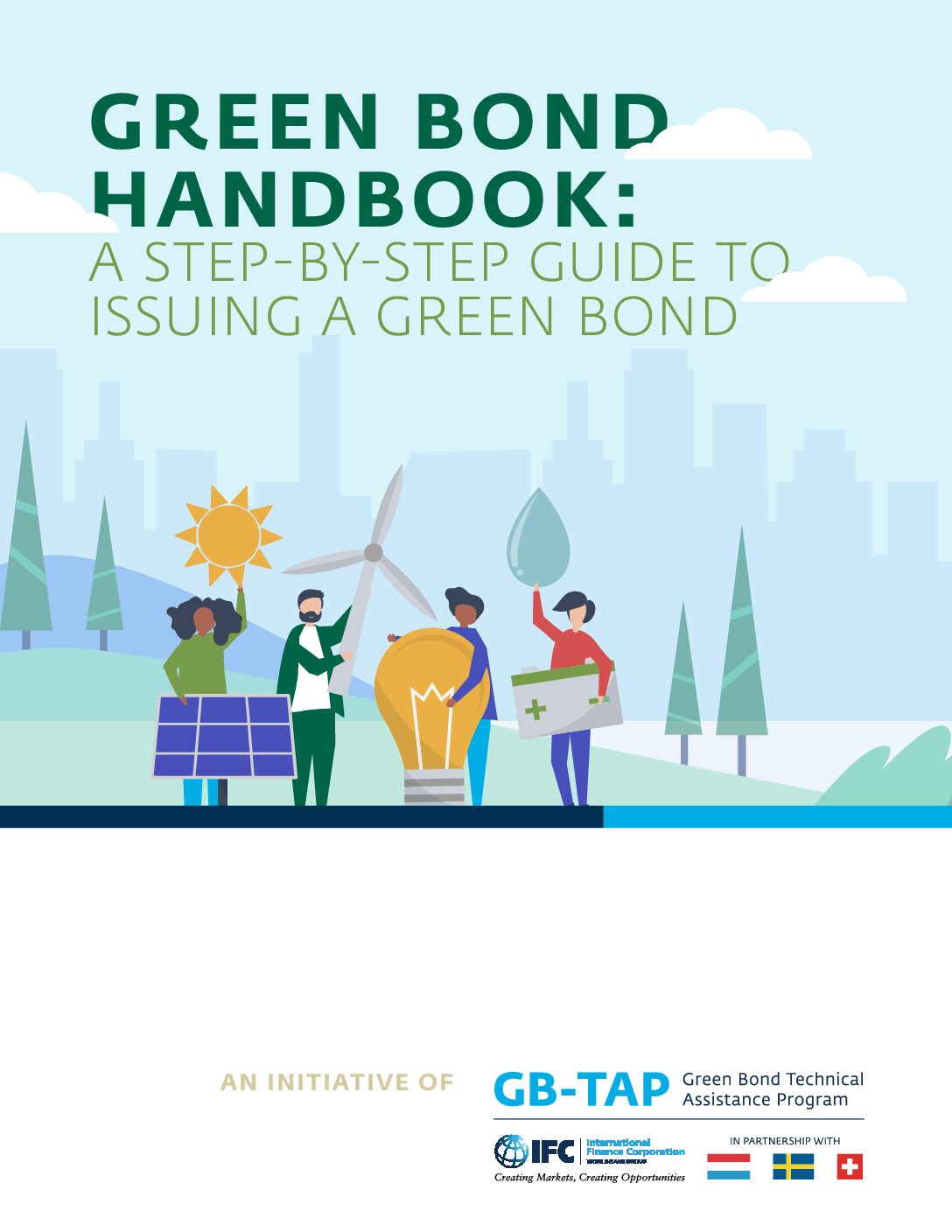
This guide provides step-by-step instructions for the issuance of green bonds
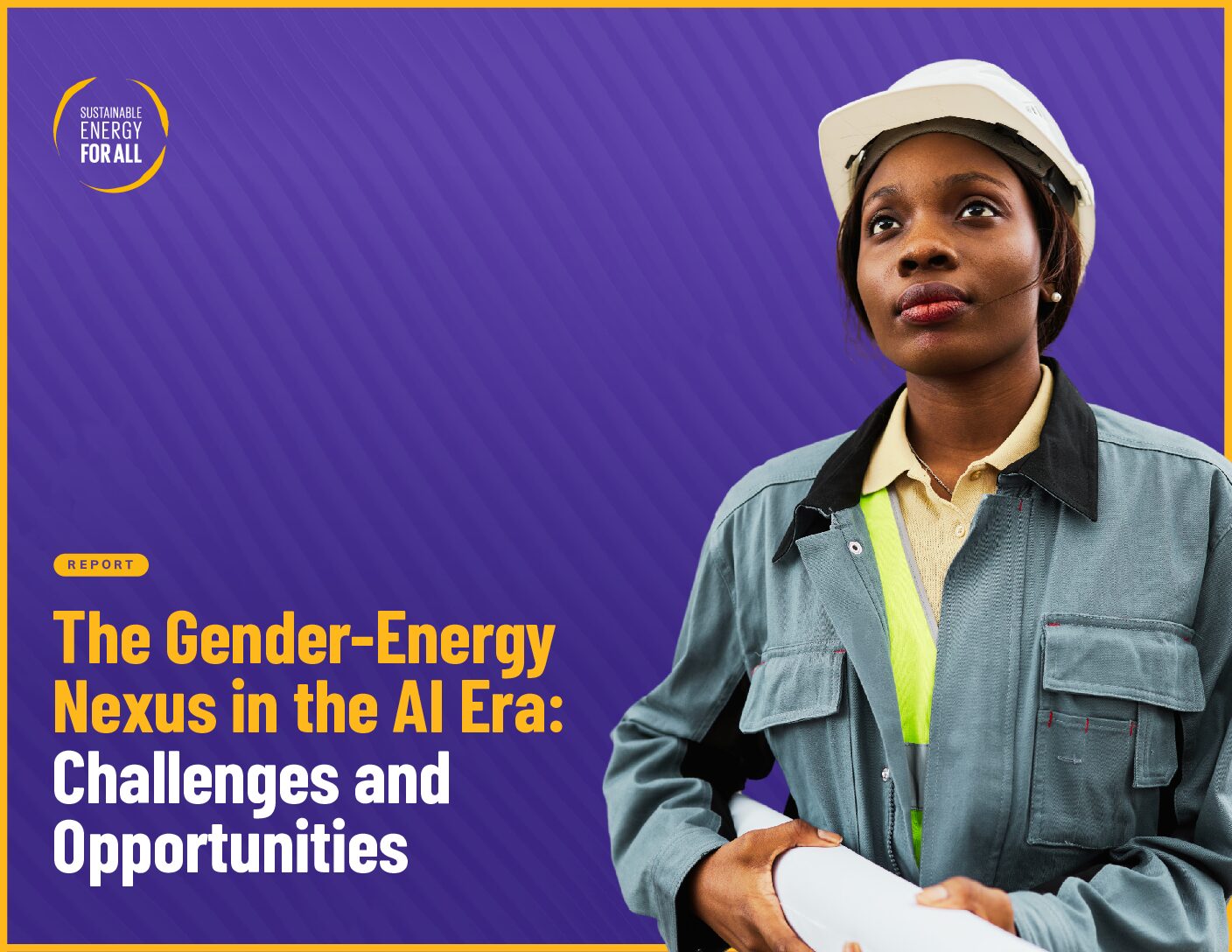
This report explores the critical intersections of AI development, gender equality and energy transitions, emphasizing how AI applications can advance a sustainable, equitable and just energy transition.
This study examines the integration of AI into energy management processes in industrial facilities and the advantages it provides.
This article assesses the opportunities provided by digital monitoring, reporting and verification (dMRV), which can facilitate real-time tracking of the use and fuel sales from clean cooking products, thereby increasing the integrity of emissions reduction claims.
This database provides different dashboards presenting data on the latest investment and operational trends in clean cooking, including carbon market data and customer perceptions of clean cooking companies’ products and services.
This page presents the Principles for Responsible Carbon Finance in Clean Cooking, developed by the CCA.