
The Global Innovation Hub aims to promote transformative innovations for a low-emission and climate-resilient future.
This article explores how system planning, and in particular assessments of system adequacy, will need to innovate and evolve to allow power systems to keep delivering secure and affordable electricity supply during energy transitions.
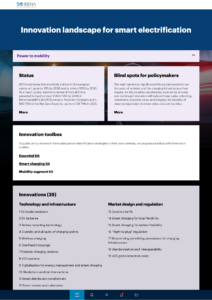
This database presents the current status, policy barriers, and key innovations for electrification of mobility, heating and cooling, and hydrogen production.
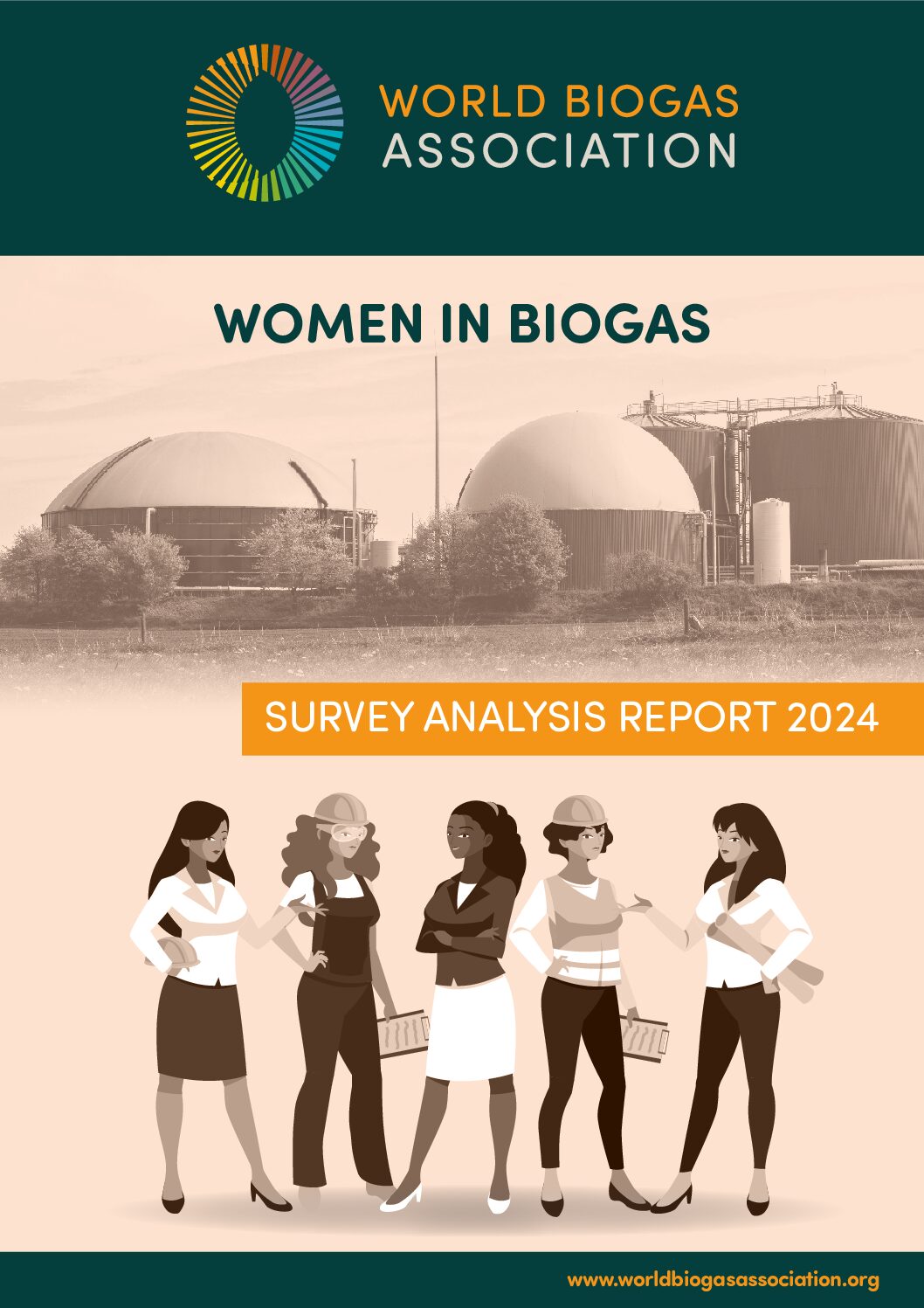
This report presents the results of a survey undertaken to investigate the current status of gender equality in the biogas sector, and compares these with a baseline survey conducted in 2012.
This web page gives advice on public advocacy for energy efficiency, focusing on four concepts: Getting the message right; Getting the message across; Combining information with behavioural insights; and Campaigns for a crisis context.
This is an interactive database of nearly 600 individual technology designs and components across the whole energy system that contribute to achieving the goal of net-zero emissions
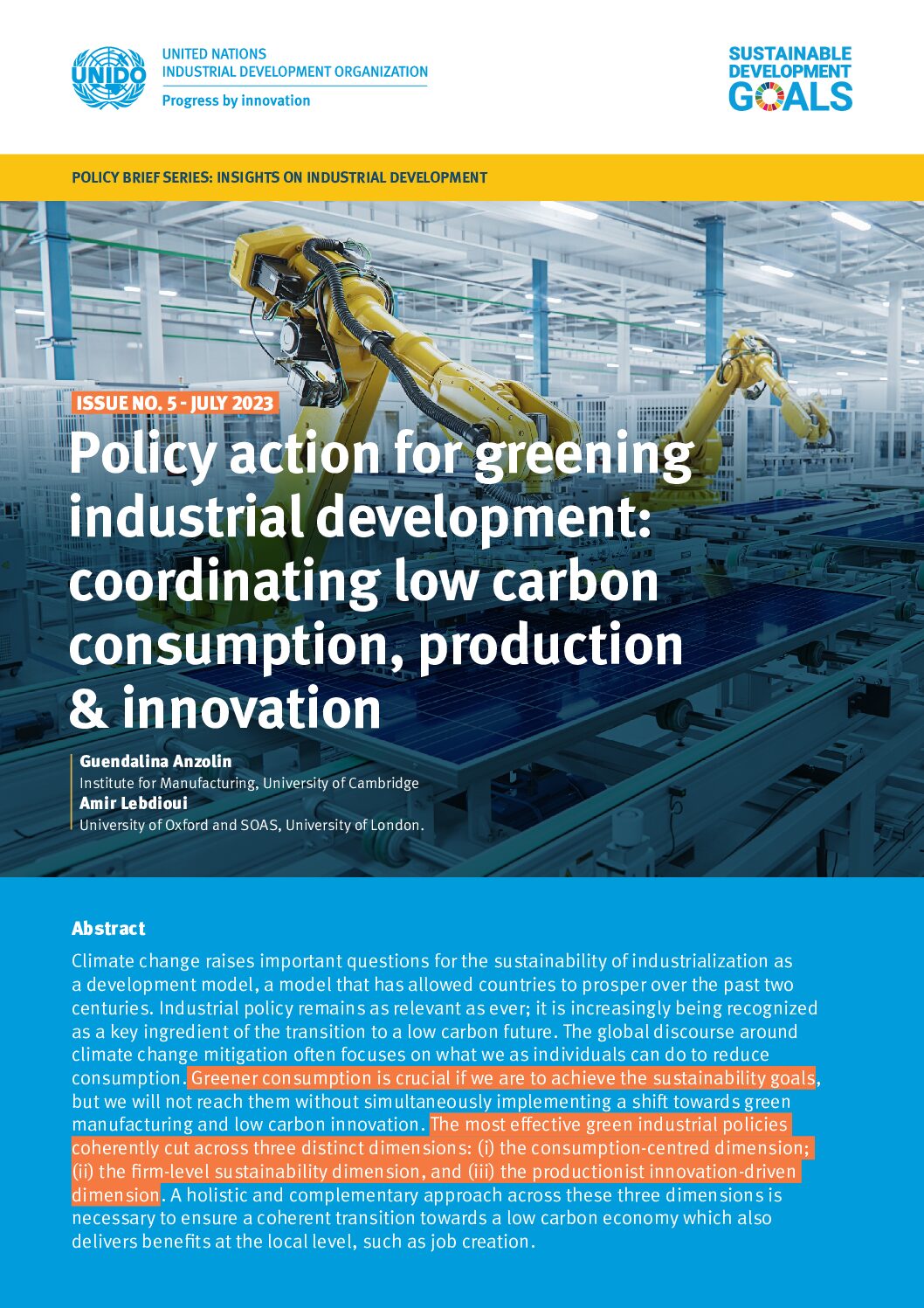
This brief describes the balance required in effective green industrial policies across three dimensions: consumption-centred, production-centred, and innovation.
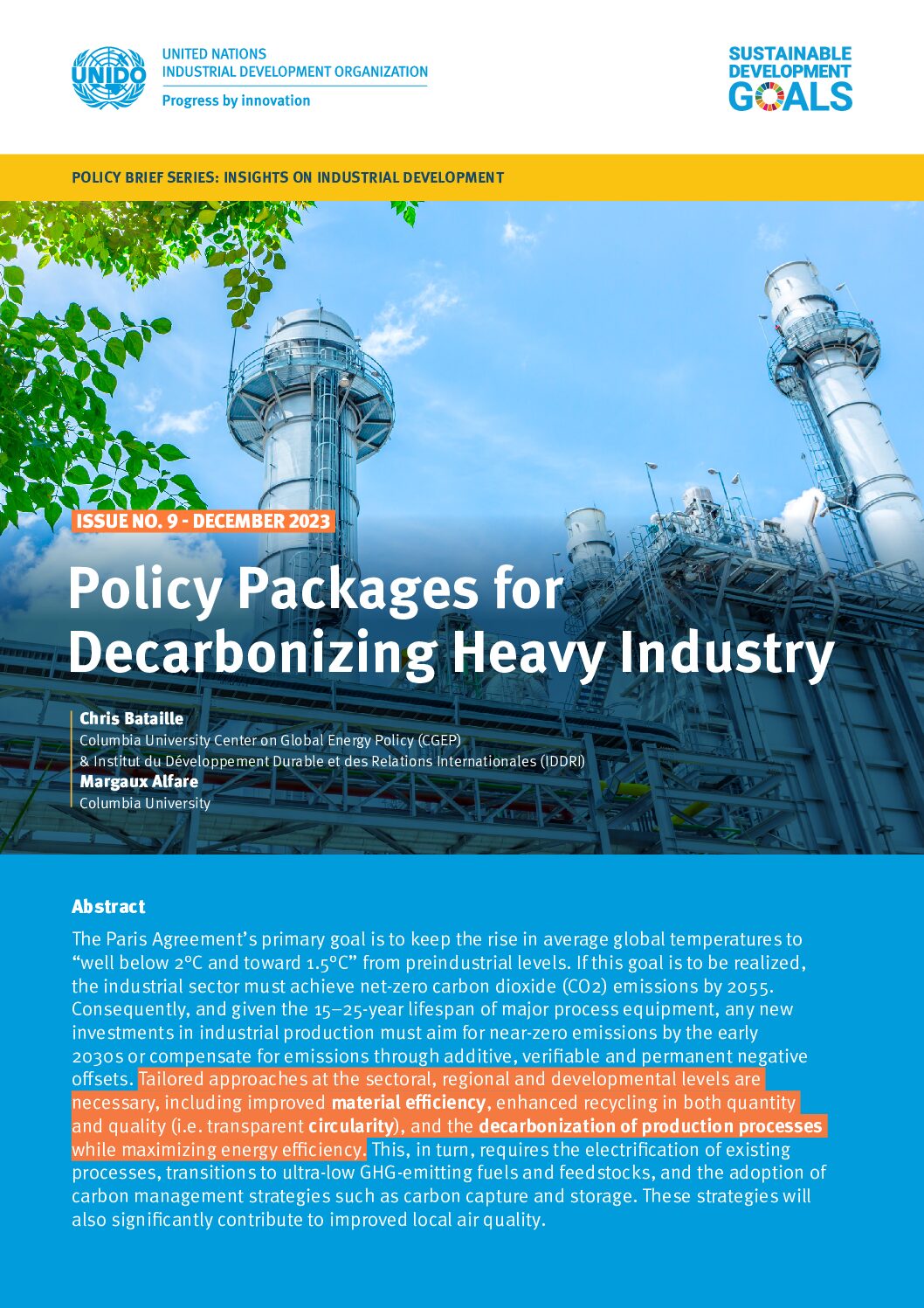
This brief describes policy options for the decarbonisation of heavy industry, both for improved material efficiency and for electrification.
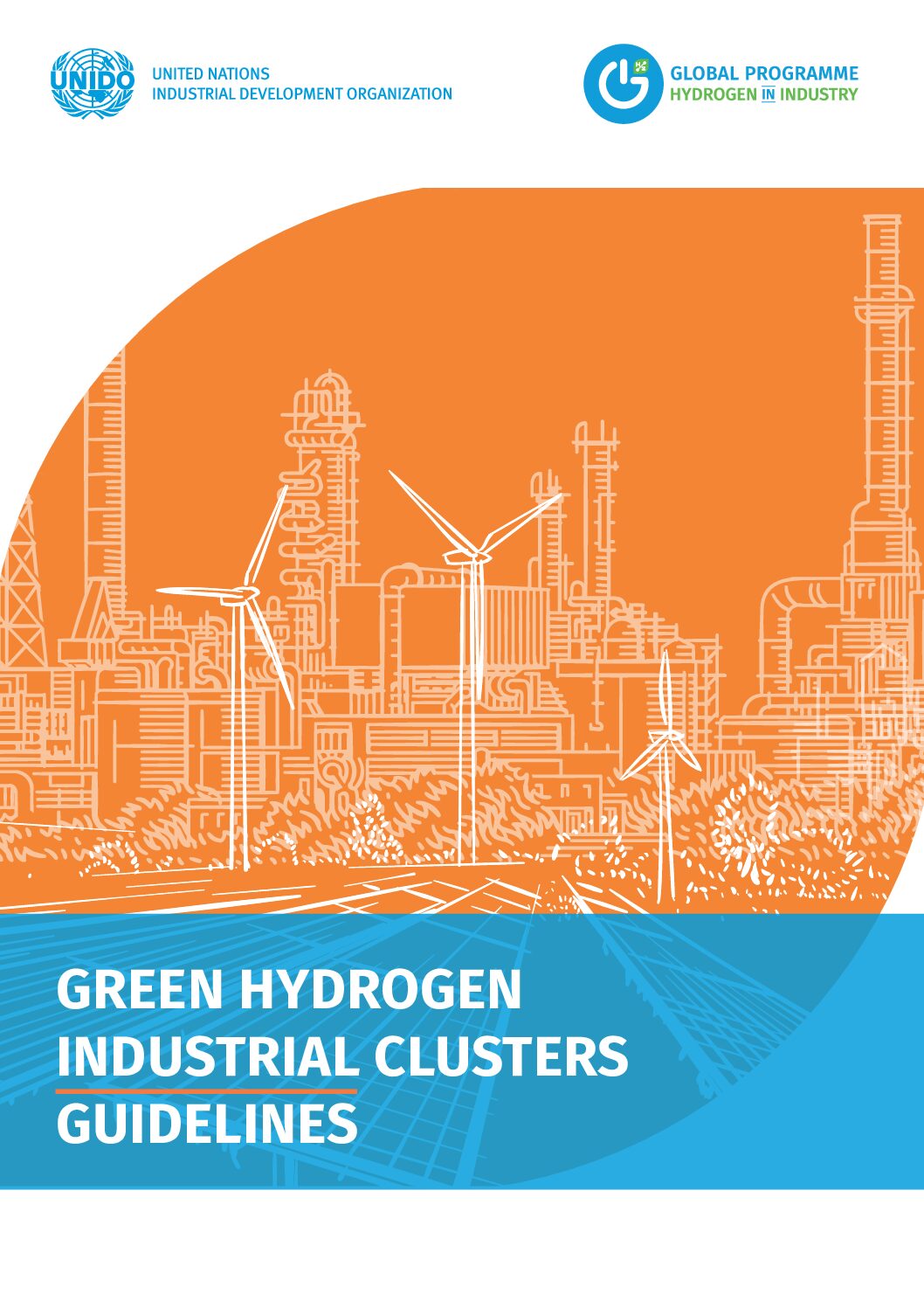
These guidelines provide advice on the development of green hydrogen clusters, which are industrial clusters that share green hydrogen and renewable energy for various purposes and can significantly contribute to industrial decarbonisation.
The Green Steel Tracker aims to support decision makers in policy and industry, academia as well as civil society, by tracking public announcements of low-carbon investments in the steel industry and presenting them transparently in one place.