
This report by the Global Energy Transitions Commission presents a complete picture of global building sector emissions and describes pathways to decarbonisation for both existing buildings and new construction.
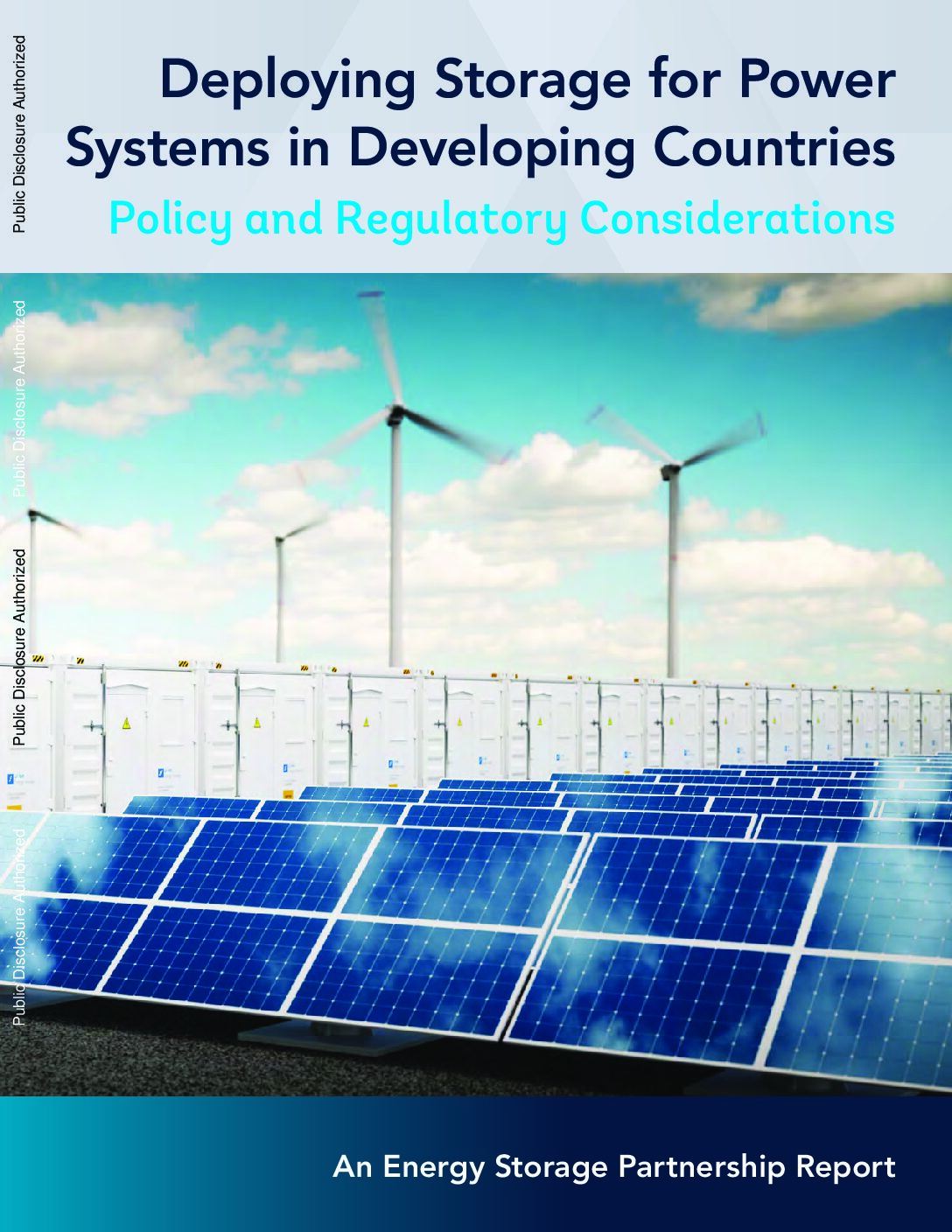
This World Bank report by the Energy Storage Partnership provides advice on enabling policy and regulatory environments to attract investment in grid-scale energy storage projects in developing countries.
This report challenges the prevailing narrative that green hydrogen is primarily a product for export from renewable-rich and industry-poor countries; rather, it underscores green hydrogen’s potential as a catalyst for sustainable development within developing countries that can contribute to economic growth, environmental sustainability and social progress.
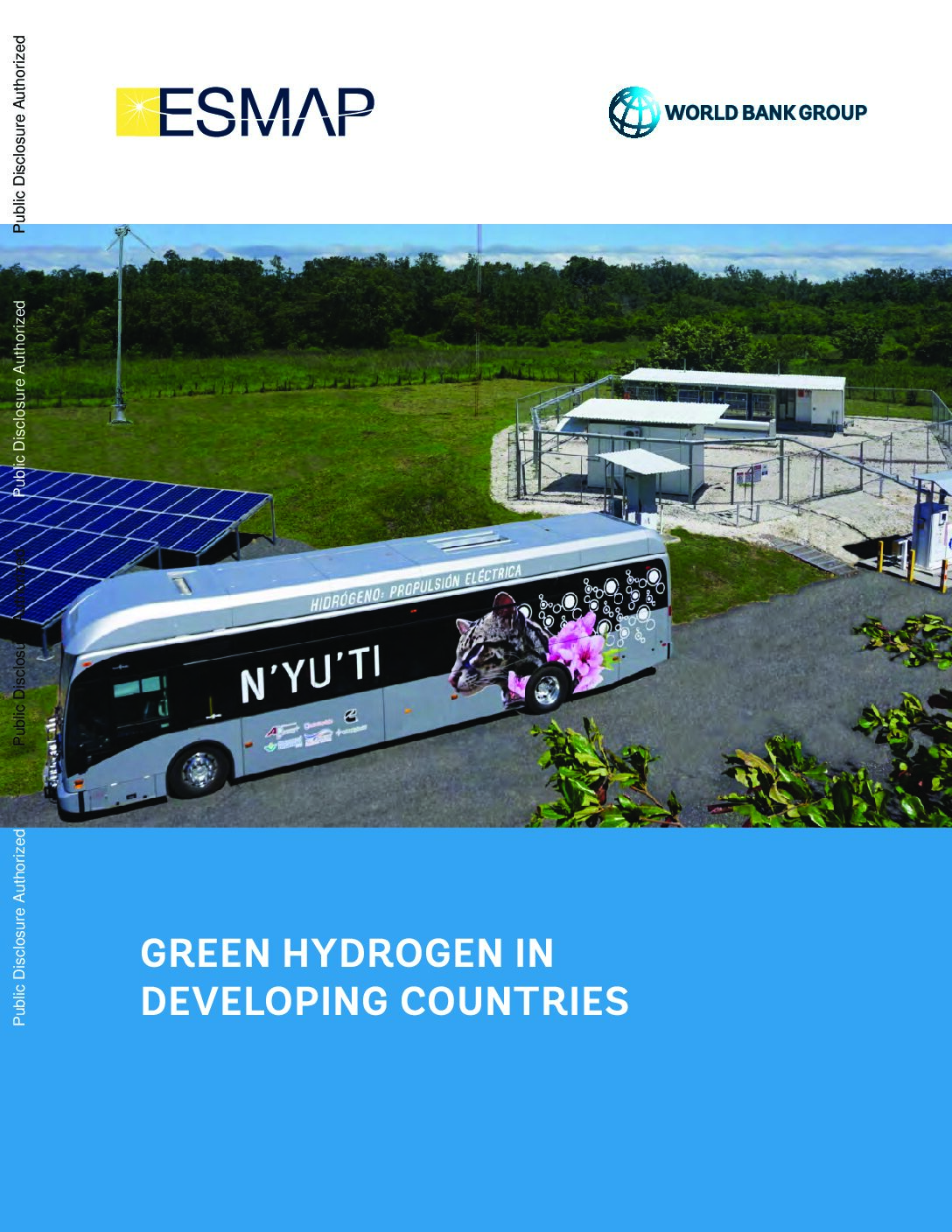
This report focuses on how green hydrogen and fuel cell technologies could be initially rolled out in developing countries by presenting a series of applications that could be initially deployed in some locations and later scaled up.
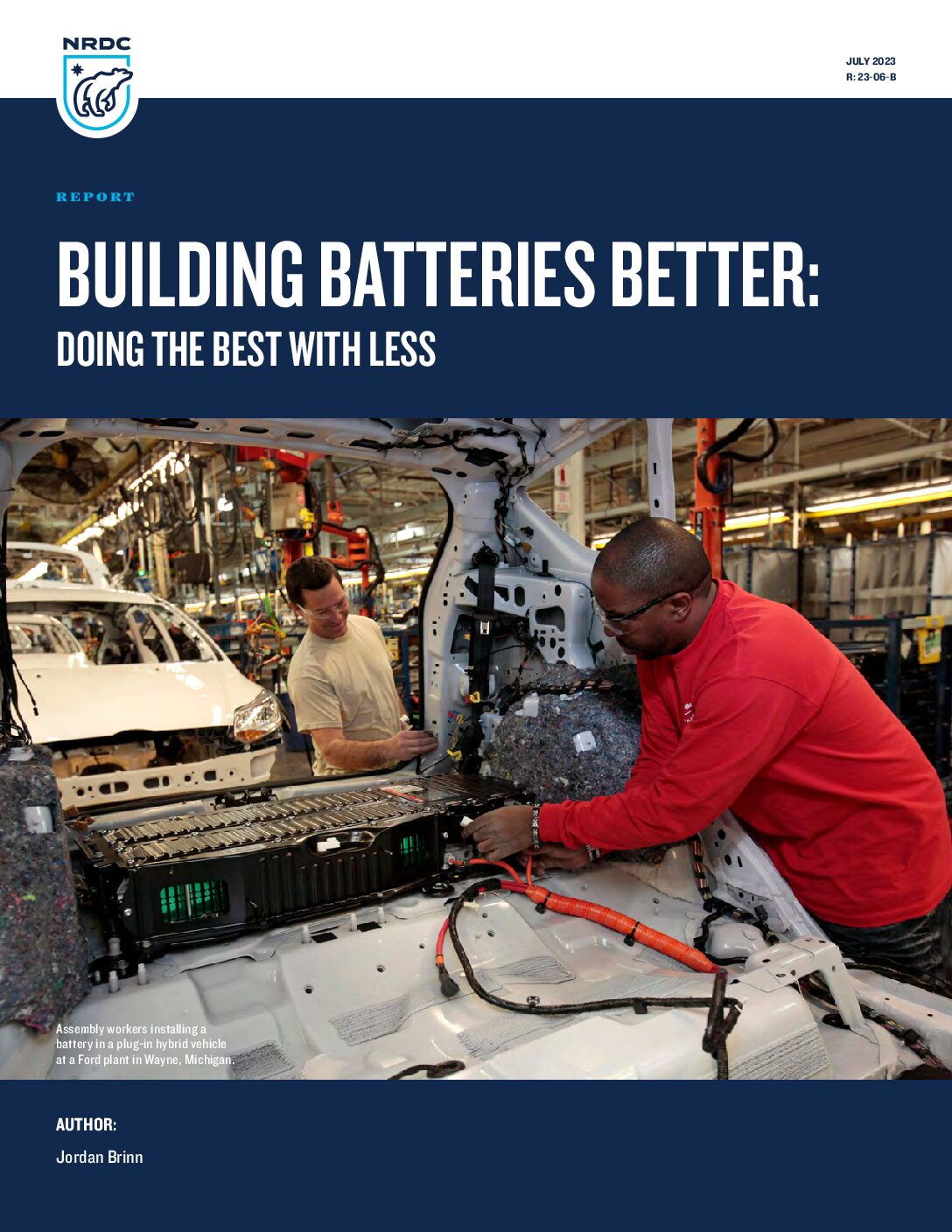
This report investigates the potential to develop circular supply chains for EV batteries.
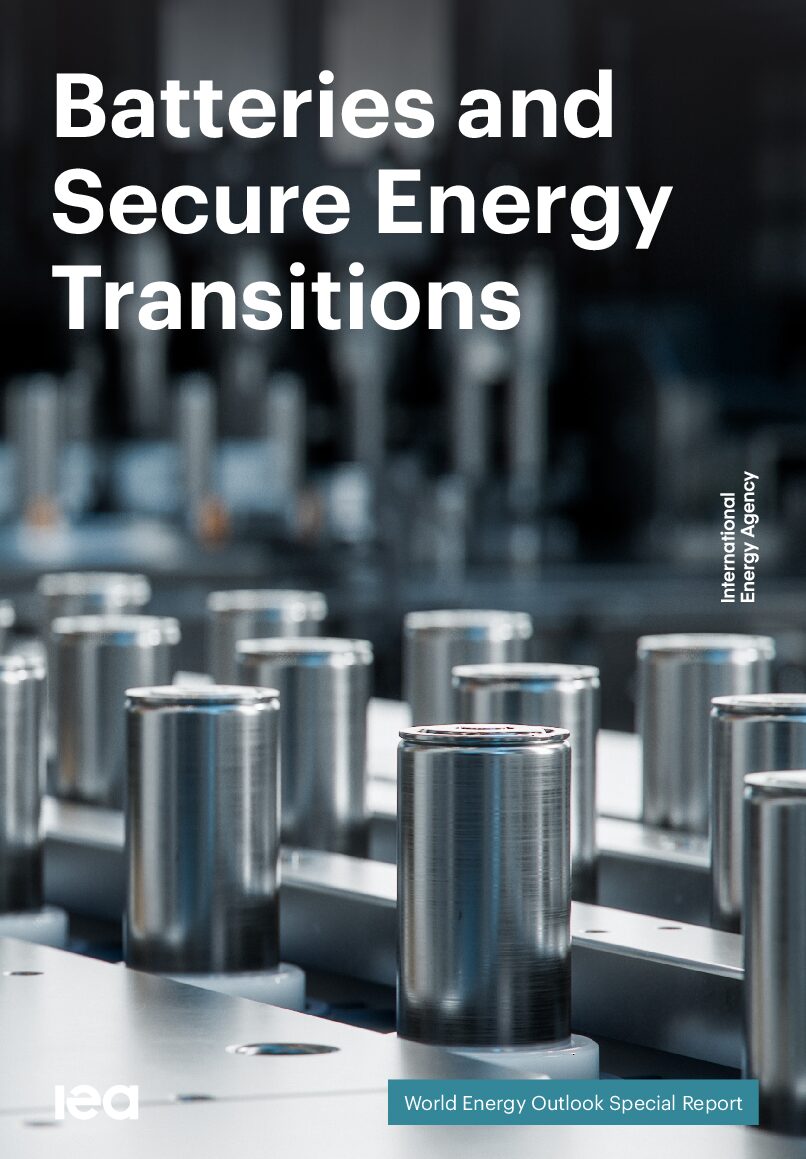
This report brings together the latest data and information on batteries from around the world, including recent market developments and technological advances. It also offers insights and analysis on leading markets and key barriers to growth, and identifies synergies and potential bottlenecks across different sectors and parts of the supply chain.
This module aims to help policymakers and regulators understand the potential benefits of and opportunities for improving the efficiency of buildings and give them a background on the key issues to be addressed when developing suitable policies and a framework for implementation.
This guidance note outlines how cities can tap into a wide array of proven technologies, policies, and financing mechanisms to improve energy efficiency and capture cost-effective energy savings in buildings.