
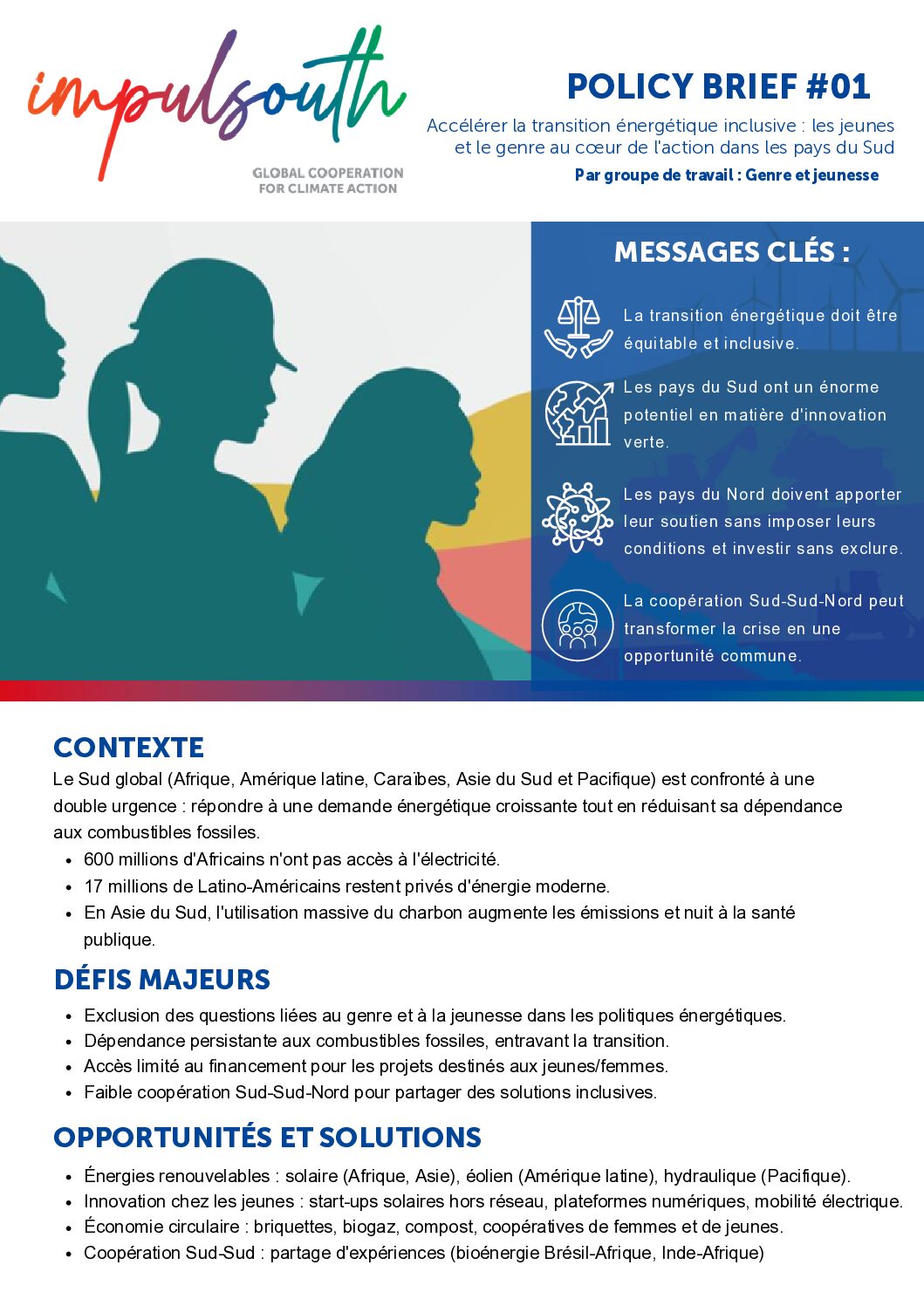
Cette ressource a été élaborée par les membres du groupe de travail « Genre et jeunesse », qui fait partie de la communauté de pratique d’Impulsouth.
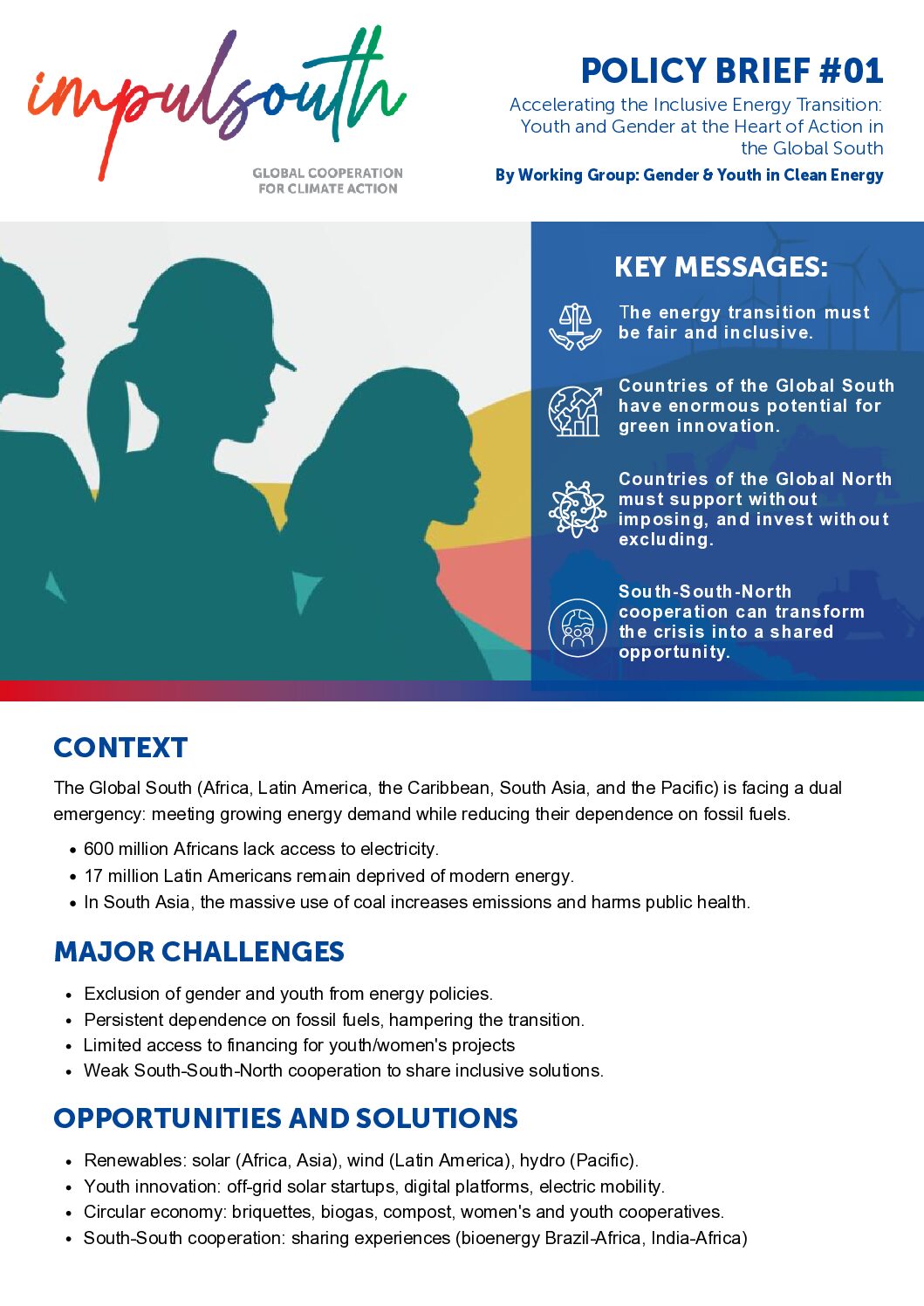
This resource was developed by members of the Working Group on Gender & Youth in Clean Energy, within Impulsouth’s Community of Practice.
The average lifespan of a building is 50 years, so the design of buildings that are constructed now will have an effect on energy consumption in our cities until well into the 2070s. This article presents the most effective options for cities to set mandatory minimum energy performance standards for buildings, to prevent locking in … Continue reading “How to set energy efficiency requirements for new buildings”
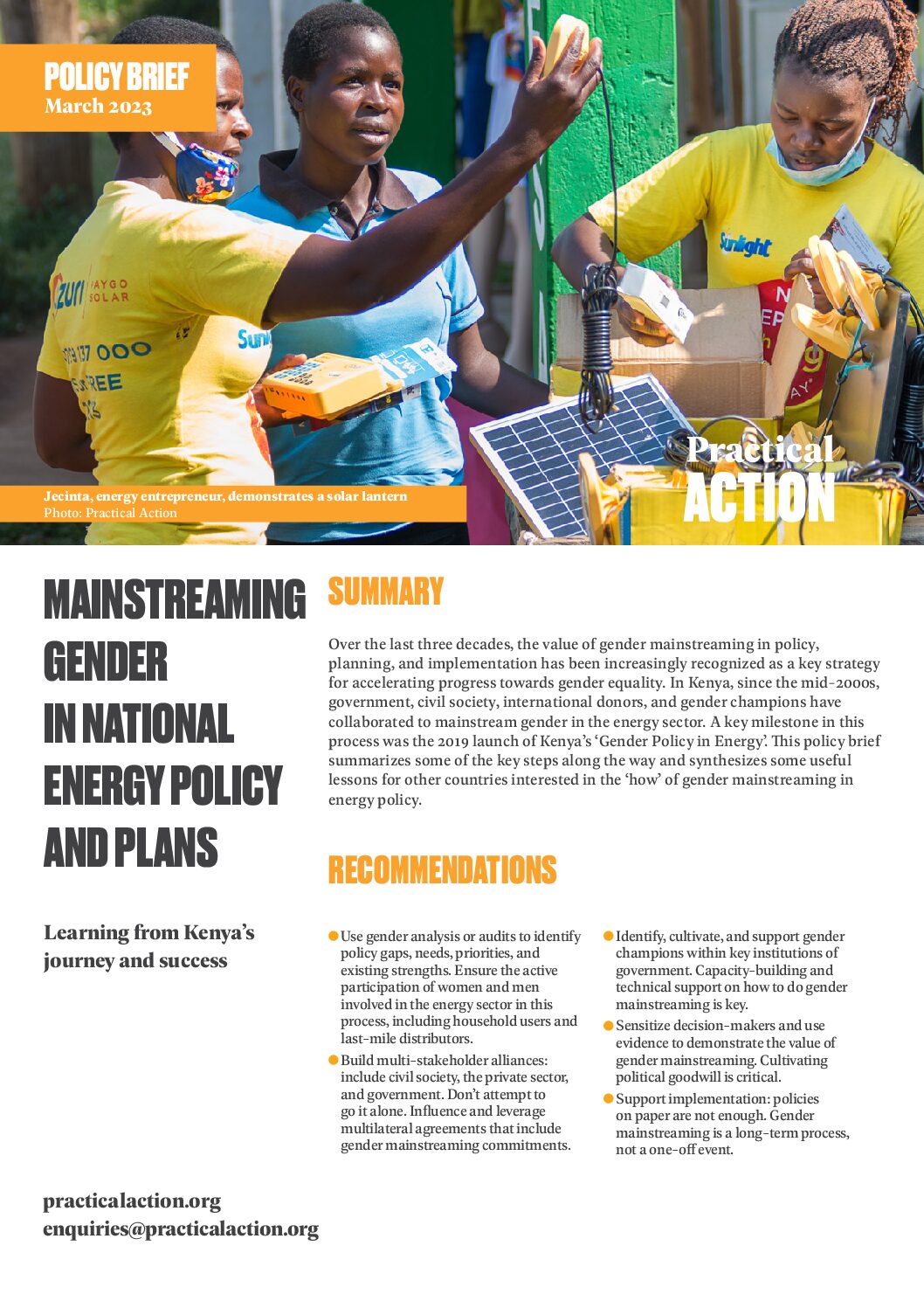
This brief shares learnings about mainstreaming gender in energy policies, based on the process through which the Government of Kenya developed its Gender Policy in Energy.
This article provides an introduction to ESG and its relevance to the energy transition.
This memo describes the current market for ESCOs in Uganda, barriers to the growth of the sector, and strategies to address these barriers.
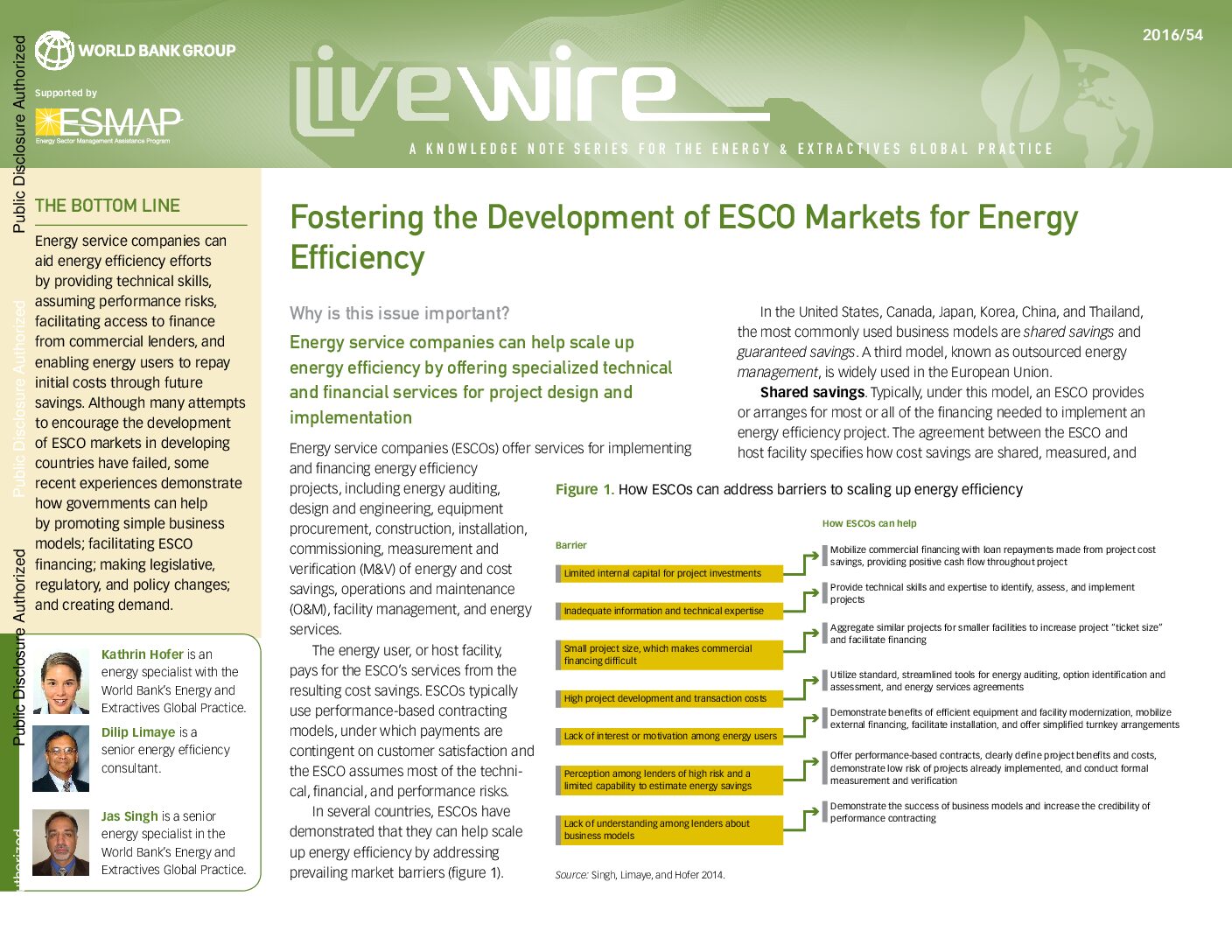
This brief provides advice on kickstarting markets for ESCOs in low- and middle-income countries.
This paper explains how minimum energy performance standards for buildings can be implemented effectively while remaining socially just, using a differentiated approach that carefully follows a series of design principles.
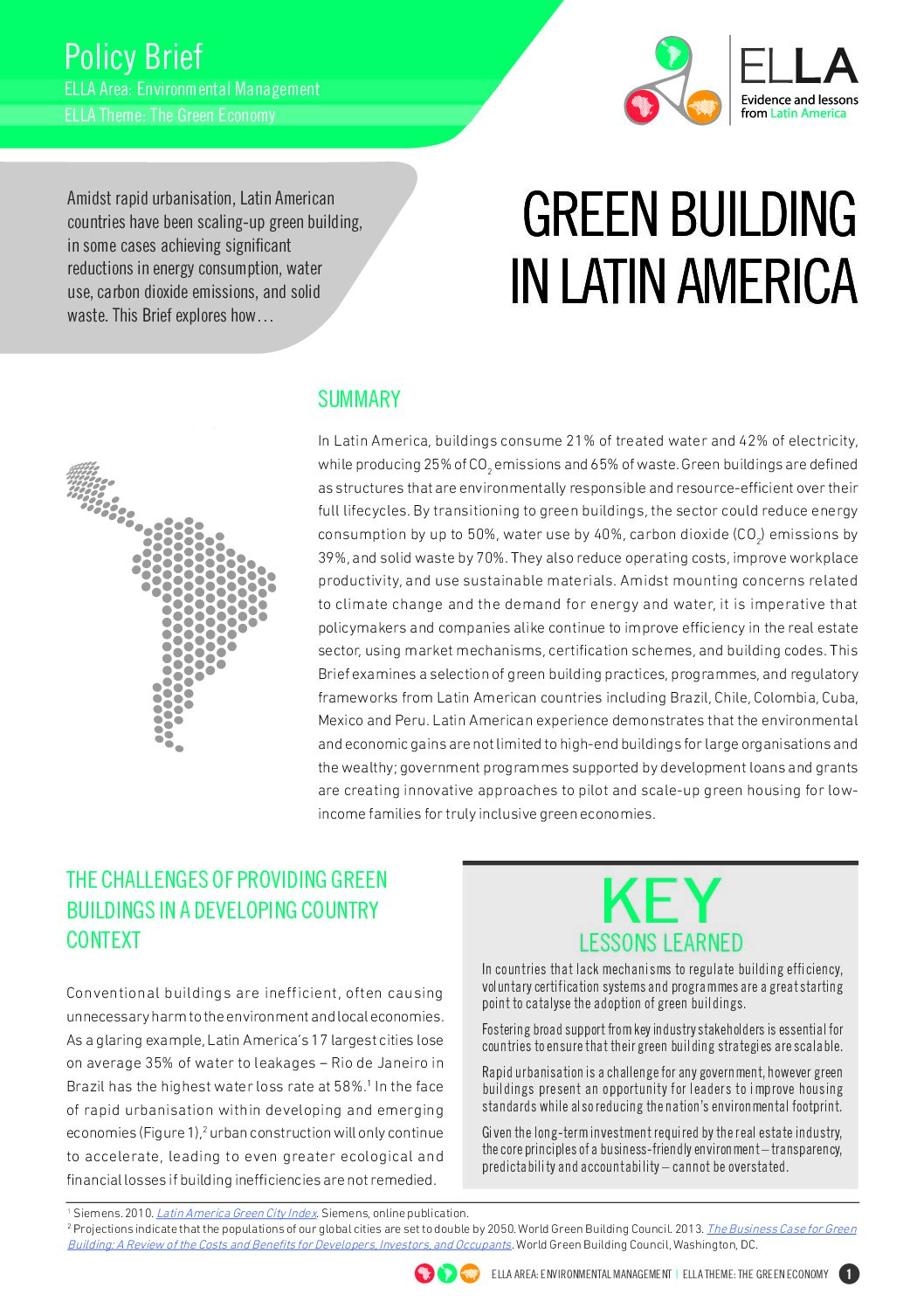
This policy brief assesses a selection of green building practices, programmes, and regulatory frameworks from Latin American countries including Brazil, Chile, Colombia, Cuba, Mexico and Peru.