
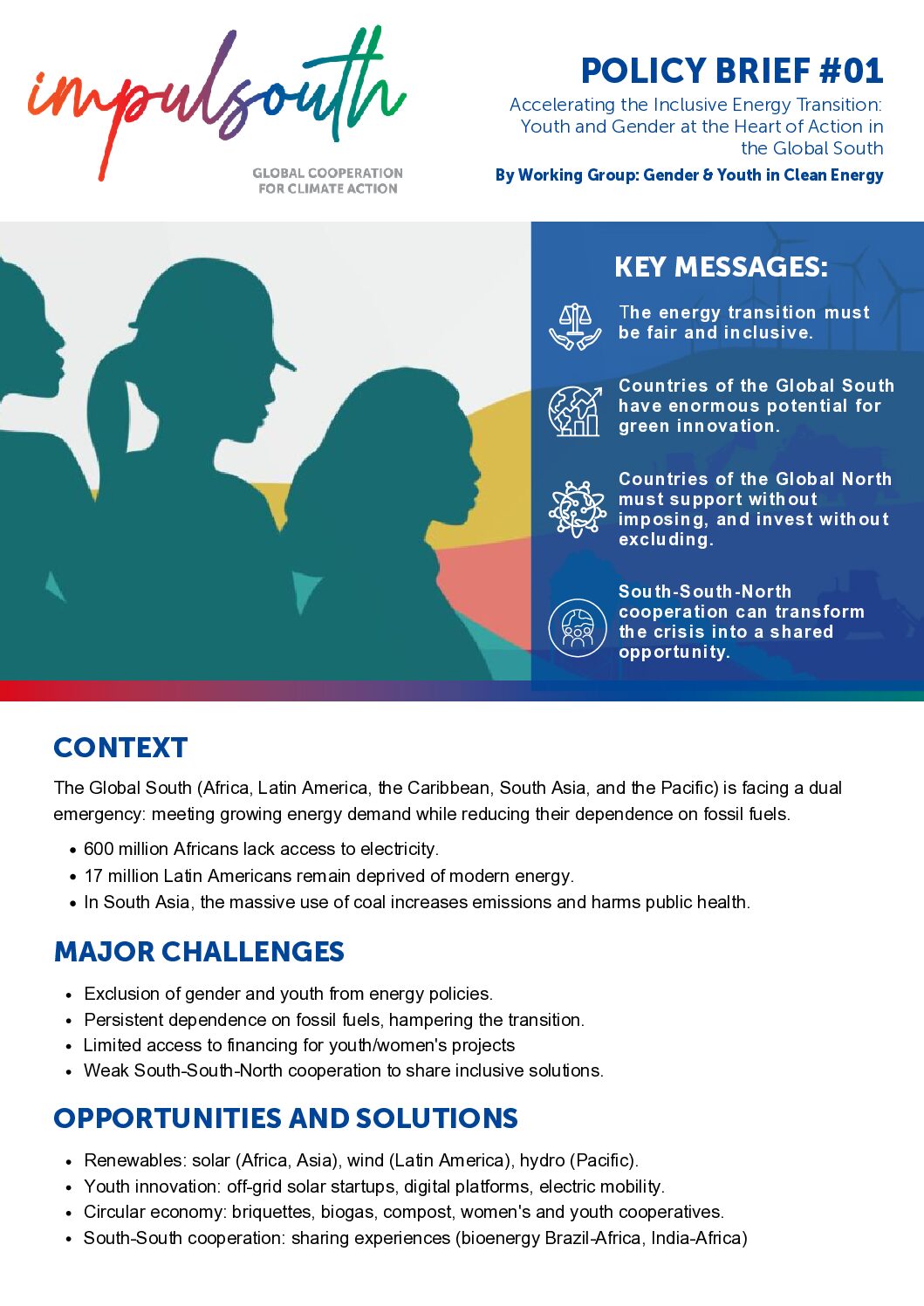
This resource was developed by members of the Working Group on Gender & Youth in Clean Energy, within Impulsouth’s Community of Practice.
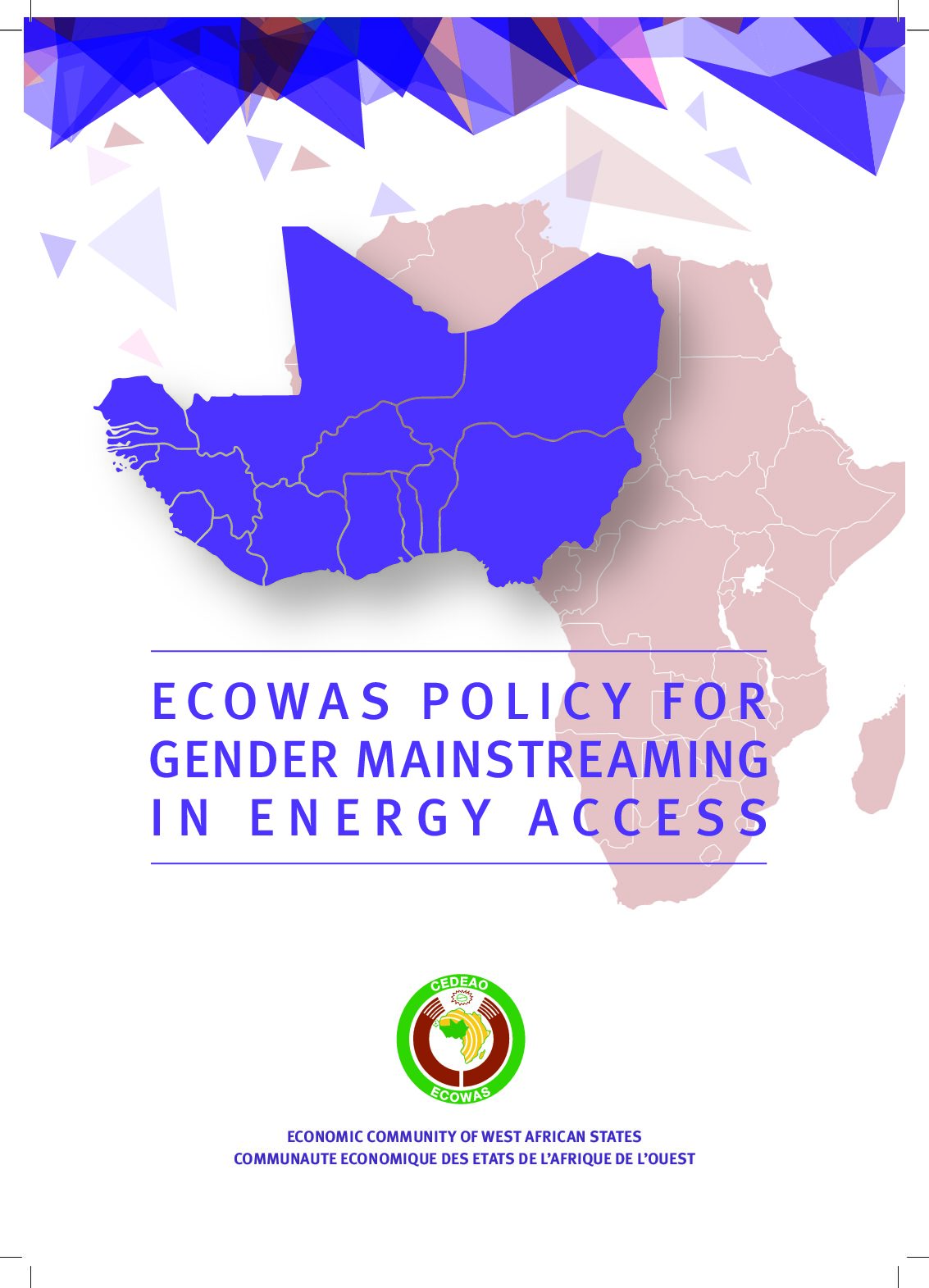
This is a good practice example of a regional policy that mainstreams gender equality concerns in energy access policies and programmes.
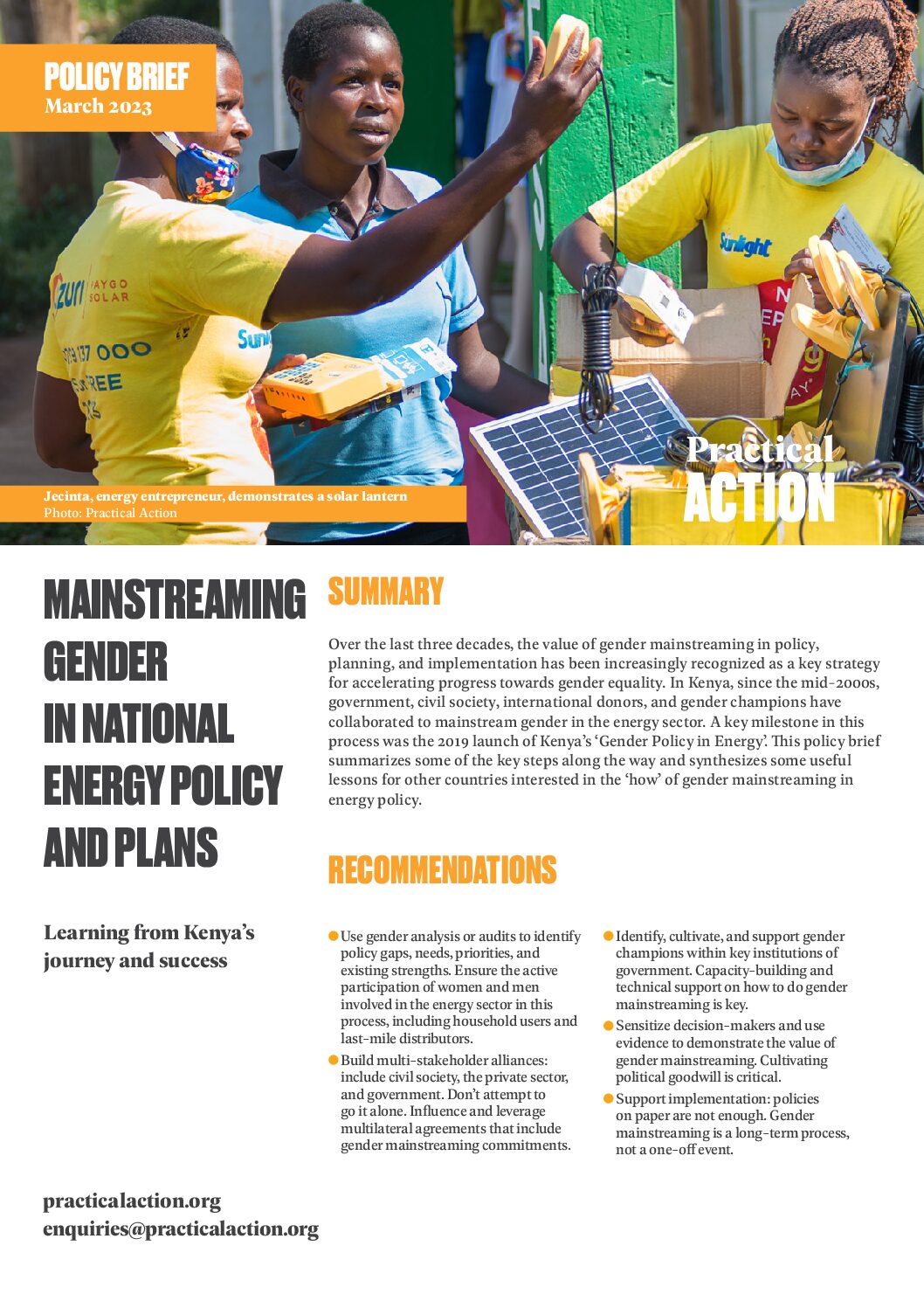
This brief shares learnings about mainstreaming gender in energy policies, based on the process through which the Government of Kenya developed its Gender Policy in Energy.
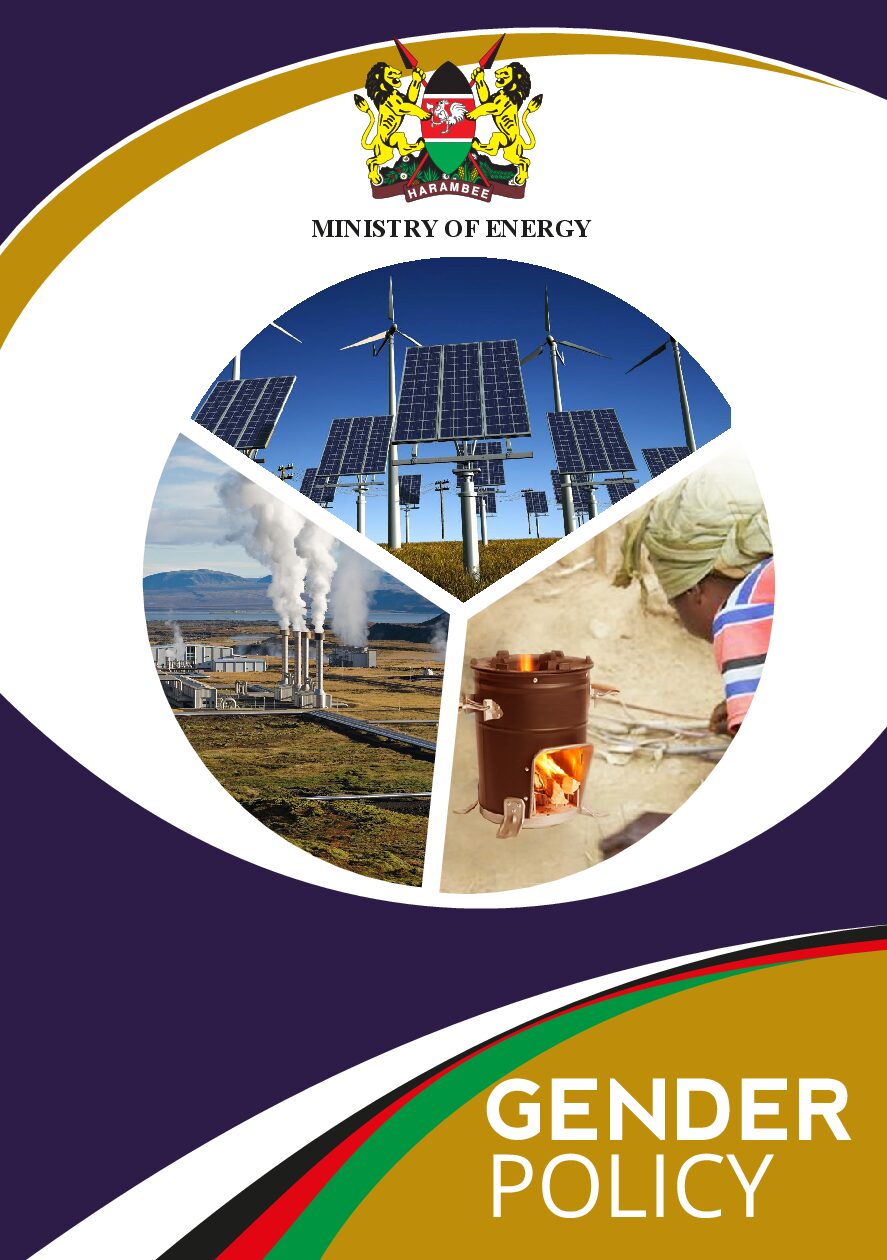
This is a good practice example of a gender policy for a national energy ministry.
This article assesses the effectiveness of gender audits to mainstream gender in energy policy.
Water infrastructure is among the biggest users of electricity in many municipalities. This policy brief makes recommendations to government (national, provincial and local) for cleaner energy (renewable energy and energy efficiency) policies related to municipal waterworks and their operations.
This step-by-step guide suggests the key elements that municipal officials need to consider to implement clean energy/energy efficiency projects in waterworks or other municipal operations. It provides information on developing strategies, formulating plans, providing adequate capacity and mobilising resources for successful origination and implementation of a project.
This blog and inforgraphic present the results of a World Bank study on the decision-making journey towards adopting and using clean cooking solutions in Rwanda, Madagascar and Ghana.
This study investigated (1) What marketing messages are effective at increasing willingness to pay for a more efficient stove in rural Uganda; (2) What sales offers (e.g., free trial and time payments) increases willingness to pay and uptake; (3) What effects does ownership of an efficient stove have on the use of old and new … Continue reading “Uptake and Usage of Fuel-efficient Improved Cookstoves in Rural Uganda”
This is a cam[paign strategy to engender behavioural change and the increased uptake of clean cooking solutions in Kenya.