
These guidelines provide advice on the development of green hydrogen clusters, which are industrial clusters that share green hydrogen and renewable energy for various purposes and can significantly contribute to industrial decarbonisation.
This report takes stock of the latest energy trends, assesses Uganda’s energy policies and provides policy recommendations.
This strategy provides an overview of energy production and consumption in Zambia, and sets objectives for efficiency improvements in the residential, industrial and transport sectors.
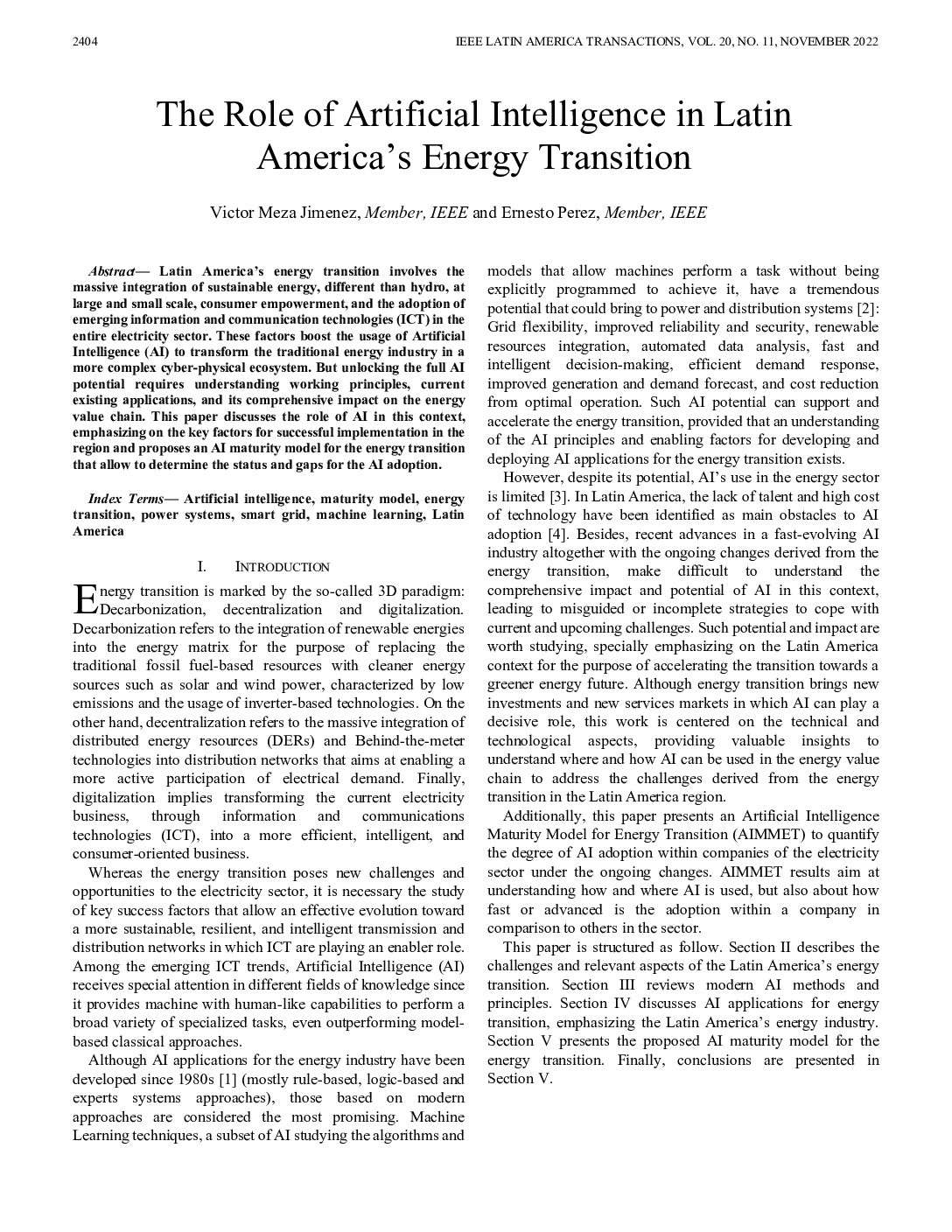
This paper discusses the role of AI in the energy transition in Latin America, identifies key factors for successful implementation in the region and proposes an AI maturity model for the energy transition that allows stakeholders to assess the status and gaps for the AI adoption.
This brief describes the balance required in effective green industrial policies across three dimensions: consumption-centred, production-centred, and innovation.
This brief describes policy options for the decarbonisation of heavy industry, both for improved material efficiency and for electrification.
This brief presents case studies from Latin America and the Caribbean of policies that foster industrial development that supports the SDGs.
This module aims to help policymakers and regulators understand the potential benefits of and opportunities for improving the efficiency of buildings and give them a background on the key issues to be addressed when developing suitable policies and a framework for implementation.
This report delves into the challenges, opportunities, and innovations shaping the future of the steel industry as the global transition to a low-carbon economy accelerates.
The Breakthrough Agenda Report 2023 is an annual collaboration between the International Energy Agency (IEA), the International Renewable Energy Agency (IRENA) and the United Nations Climate Change High-Level Champions. It takes stock of emissions reductions in key energy subsectors and focuses on supporting stronger international collaboration to drive faster reductions in global greenhouse gas emissions.