
This report shares insights and tools to support more inclusive and effective entrepreneurship education and training, especially for people from underrepresented and marginalized groups. It includes a list of assessment criteria to evaluate whether a programme is gender-smart.
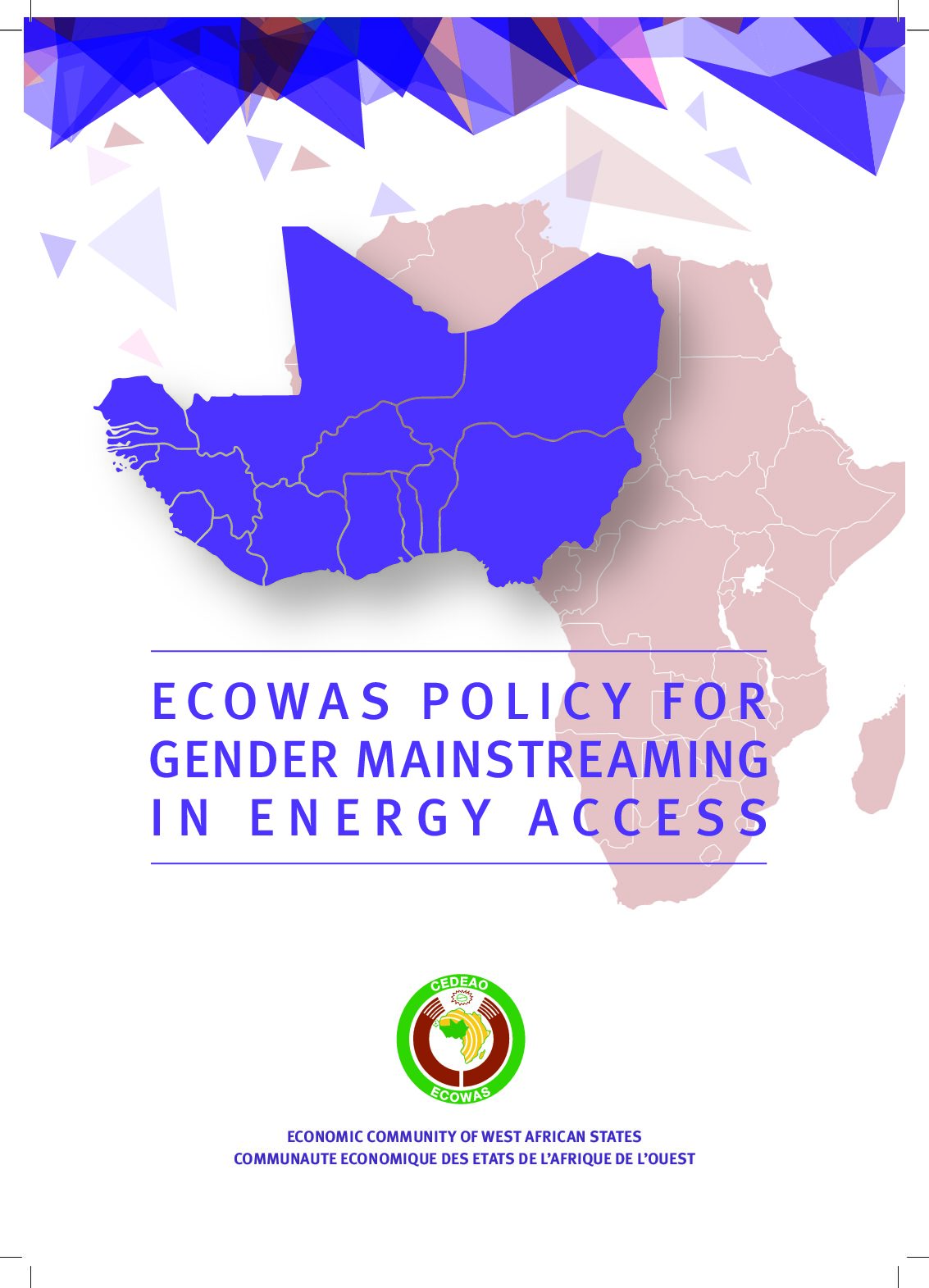
This is a good practice example of a regional policy that mainstreams gender equality concerns in energy access policies and programmes.
This action plan, developed with support from ECREEE, lays out the bioenergy strategy of Côte d’Ivoire for 2021-2030. It includes an extensive background and context section, as well as strategic priorities and measures to promote these.
This chapter provides an overview of energy tax and subsidy patterns in the 71 countries covered in the report and estimates the net effect of energy taxes and subsidies on public finances.
This brief presents the regulatory framework and country context for waste-to-energy projects in Côte d’Ivoire.
This feasibility study describes the institutional framework for waste management in Côte d’Ivoire, presents a baseline on compost and biogas value chains, and provides a feasibility assessment based on economic models.