
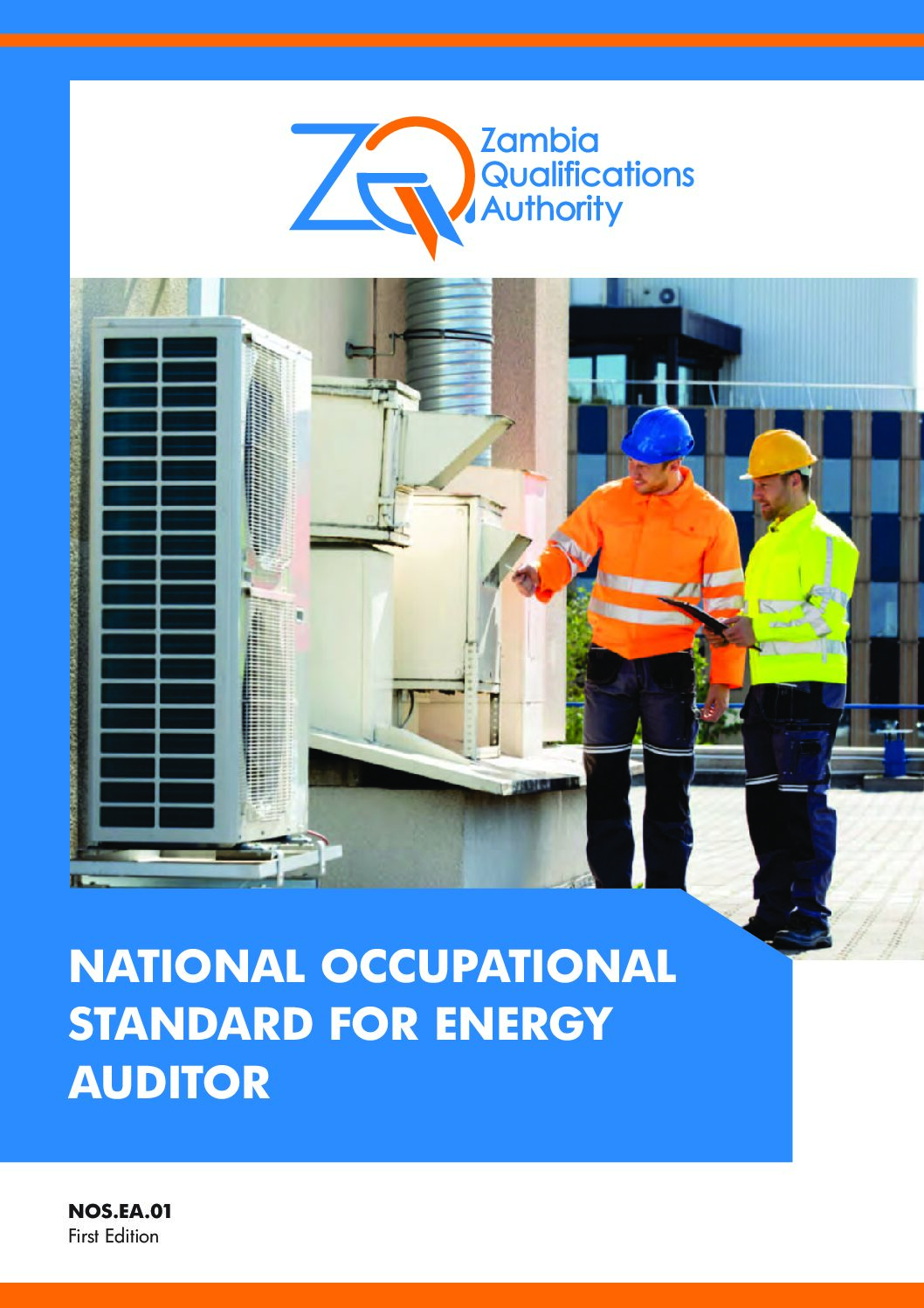
This National Occupational Standard highlights core knowledge, skills, competences and personal attributes that Energy Auditors must possess to be successful in their jobs.
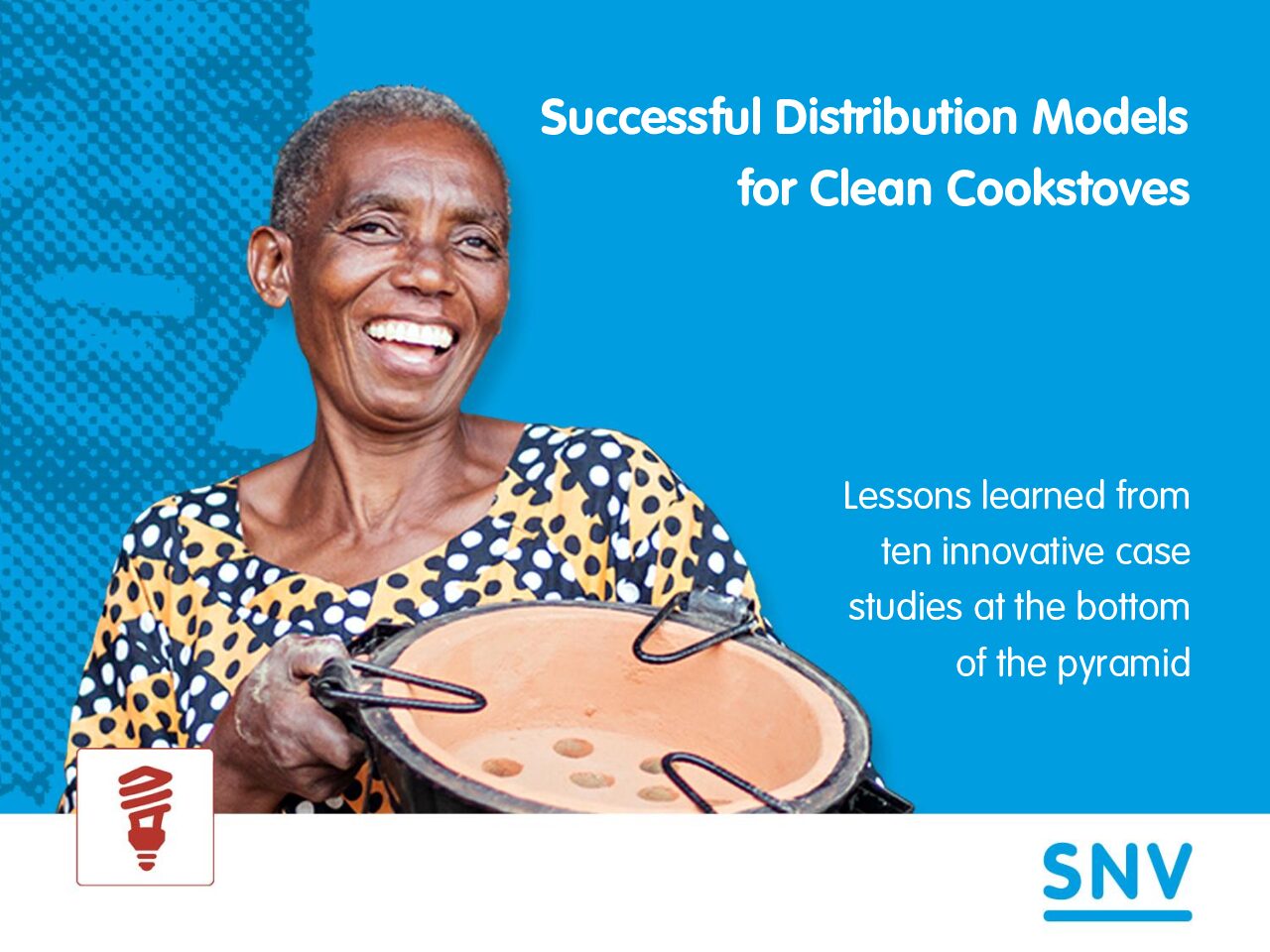
This brief presents lessons learned from ten case studies on successful business models for clean cooking solutions.
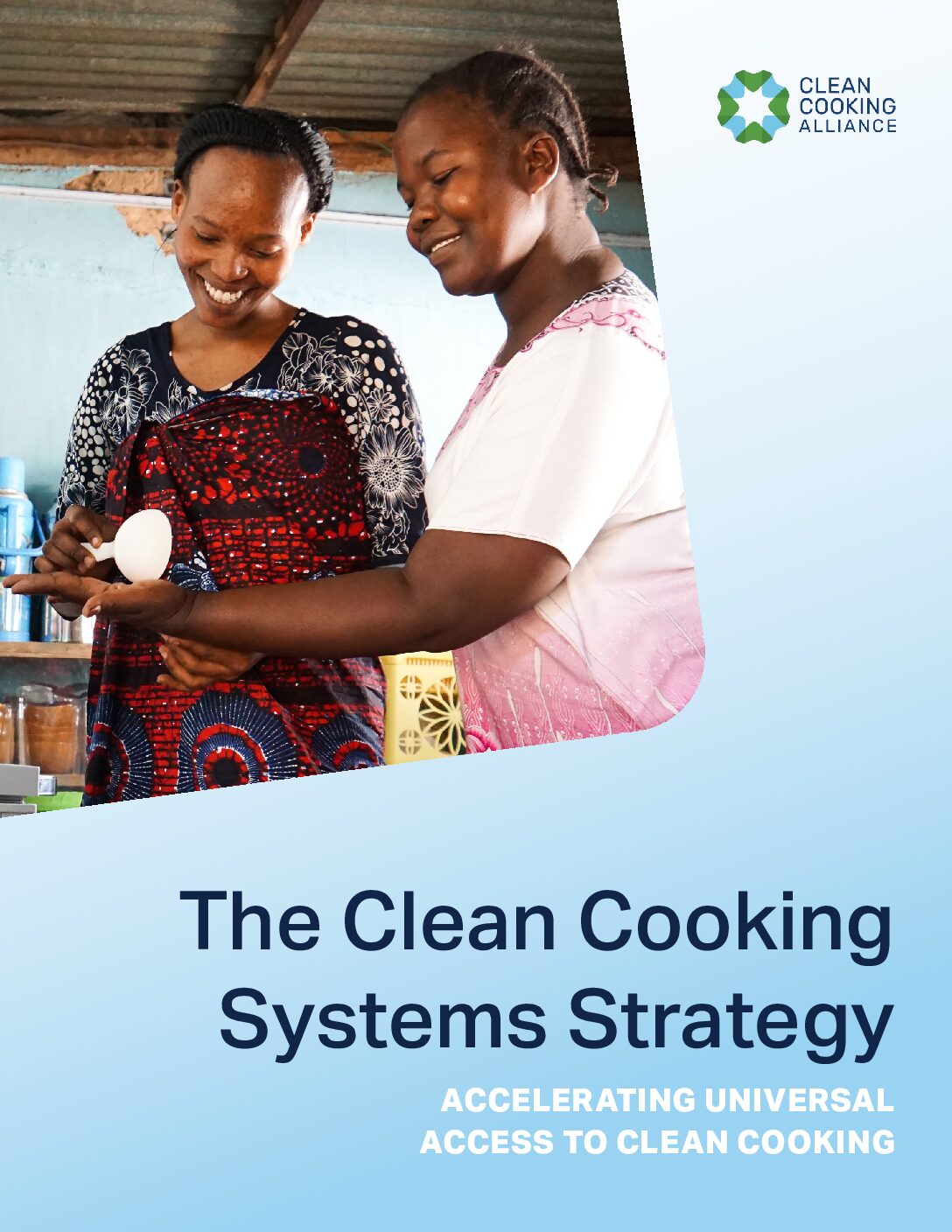
This is an ecosystem-wide, global strategy for the achievement of access to clean cooking for all.
This slide deck provides step-by-step instructions for energy audits of buildings.
The SESA Toolbox gathers step-by-step guides, videos and other materials to help stakeholders find, fund and implement solutions for a cleaner, more efficient energy future.
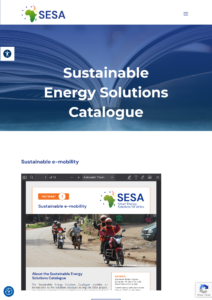
The Sustainable Energy Solutions Catalogue contains a series of briefs to help stakeholders plan, fund and implement projects related to: sustainable e-mobility, productive use of solar energy, second-life lithium-ion batteries, climate proofing sustainable energy solutions, solar mini-grids, the water-energy-food nexus, circularity and sustainable energy, clean cooking, energy efficiency, and e-waste from off-grid solar solutions.
This brief offers a summary of experiences, challenges and opportunities in the renewables-based clean cooking sector, and describes the actions needed to scale up adoption.
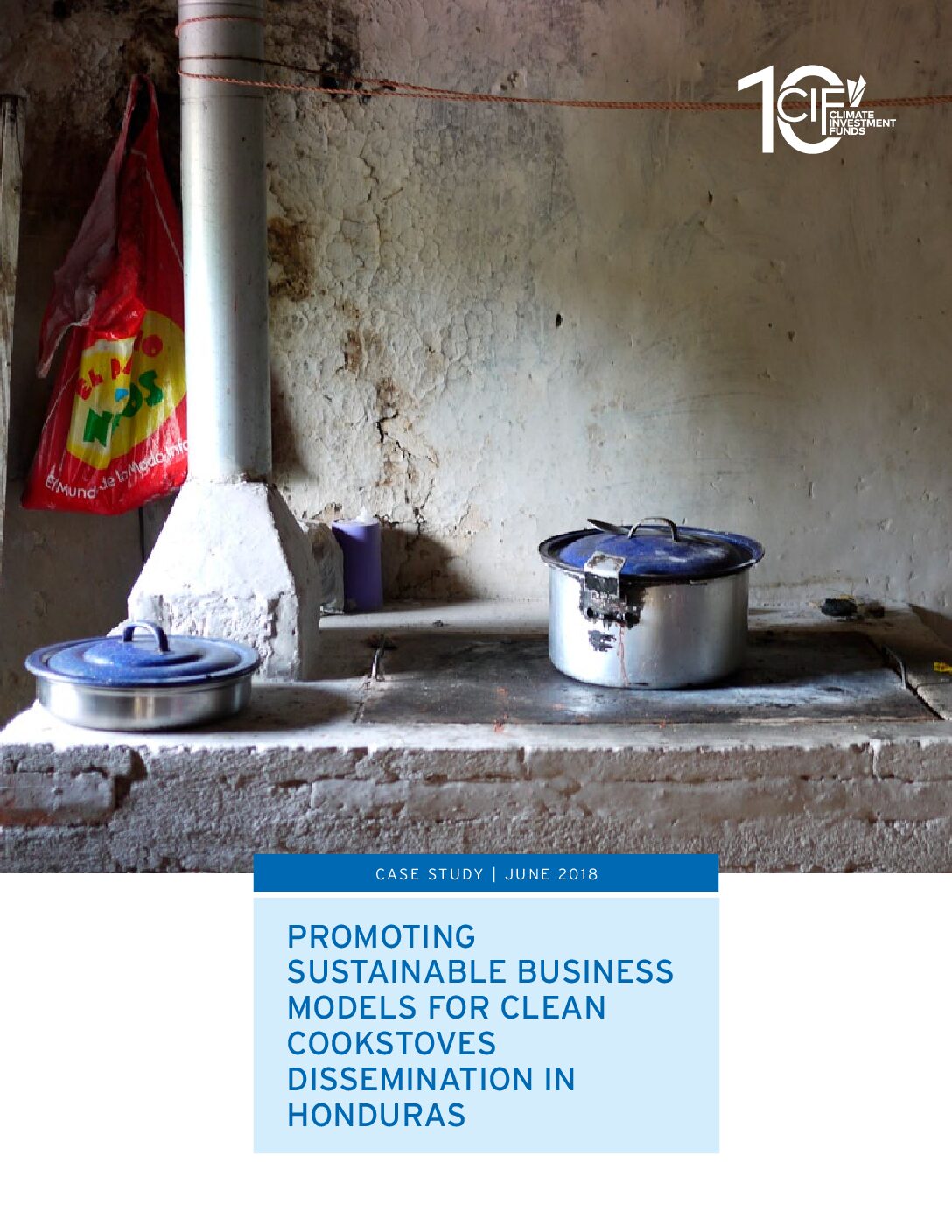
This case study describes how the PROFOGONES project managed to establish the foundations of a sustainable, demand-driven cookstove market in Honduras.
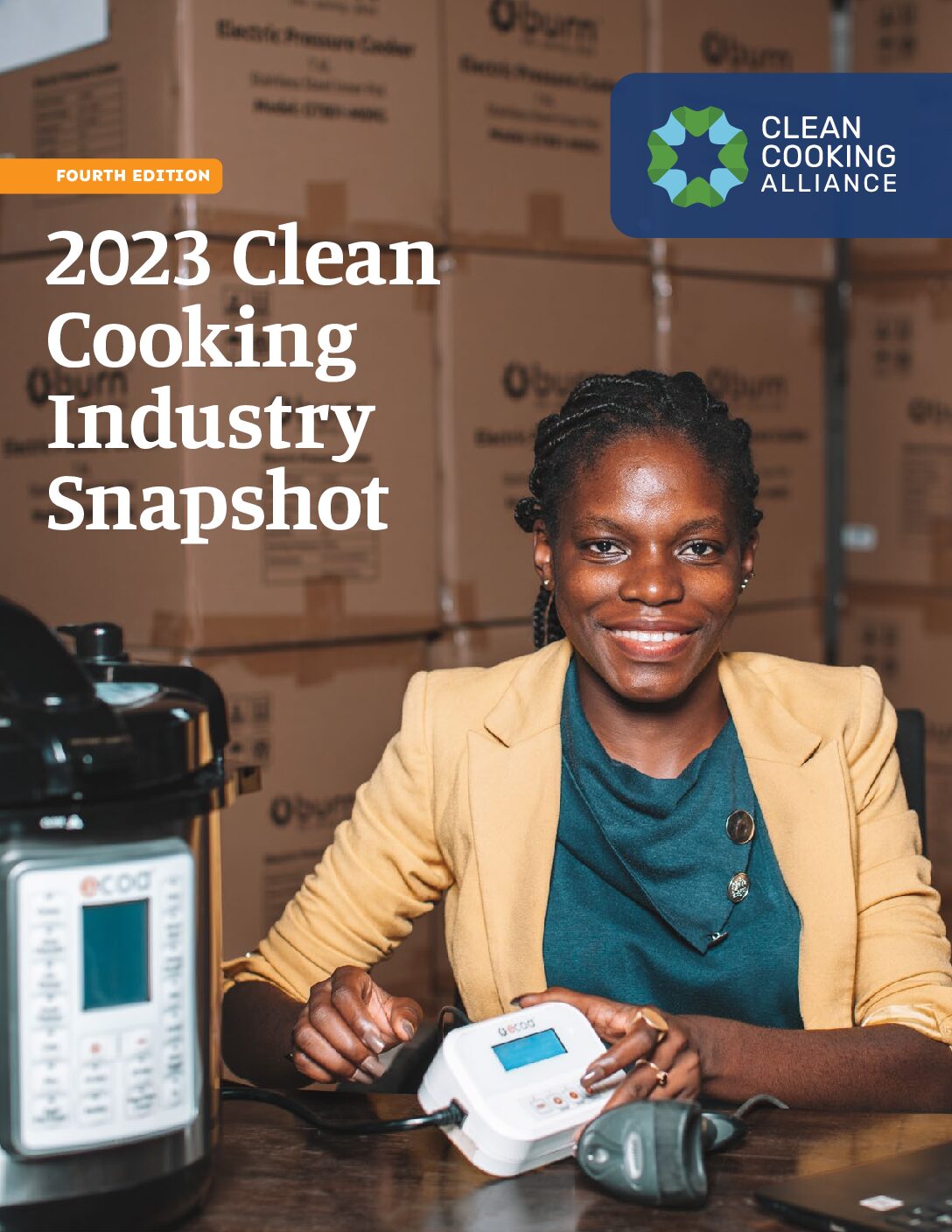
The report aims to inform prospective and current financiers of the clean cooking sector, as well as enterprises both in the sector and adjacent to it, of investment and operational trends and the significant impact that carbon revenue is having on the sector.
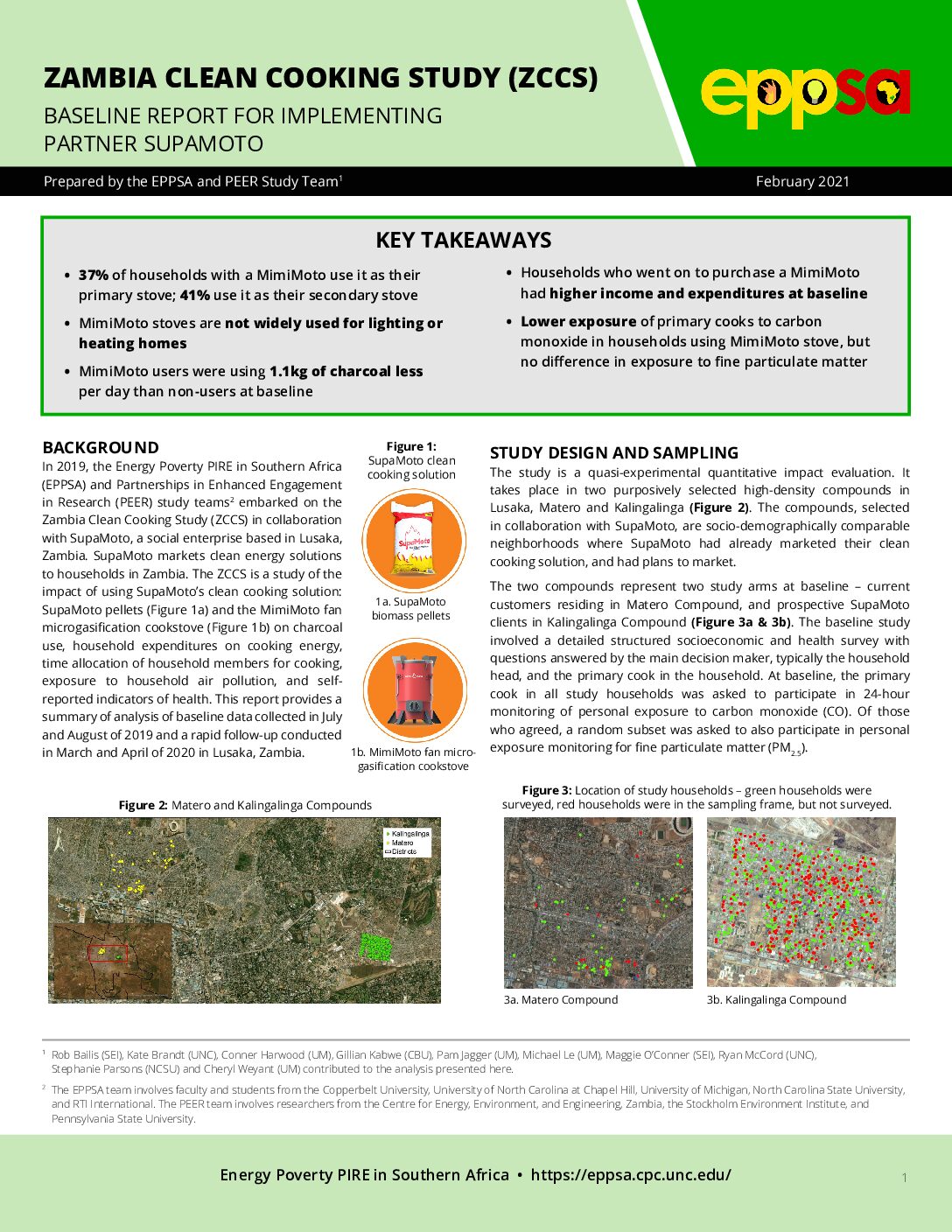
This study presents baseline data on the clean cooking situation in Zambia and describes the achievements thus far of clean cookstoves provider Supamoto.